



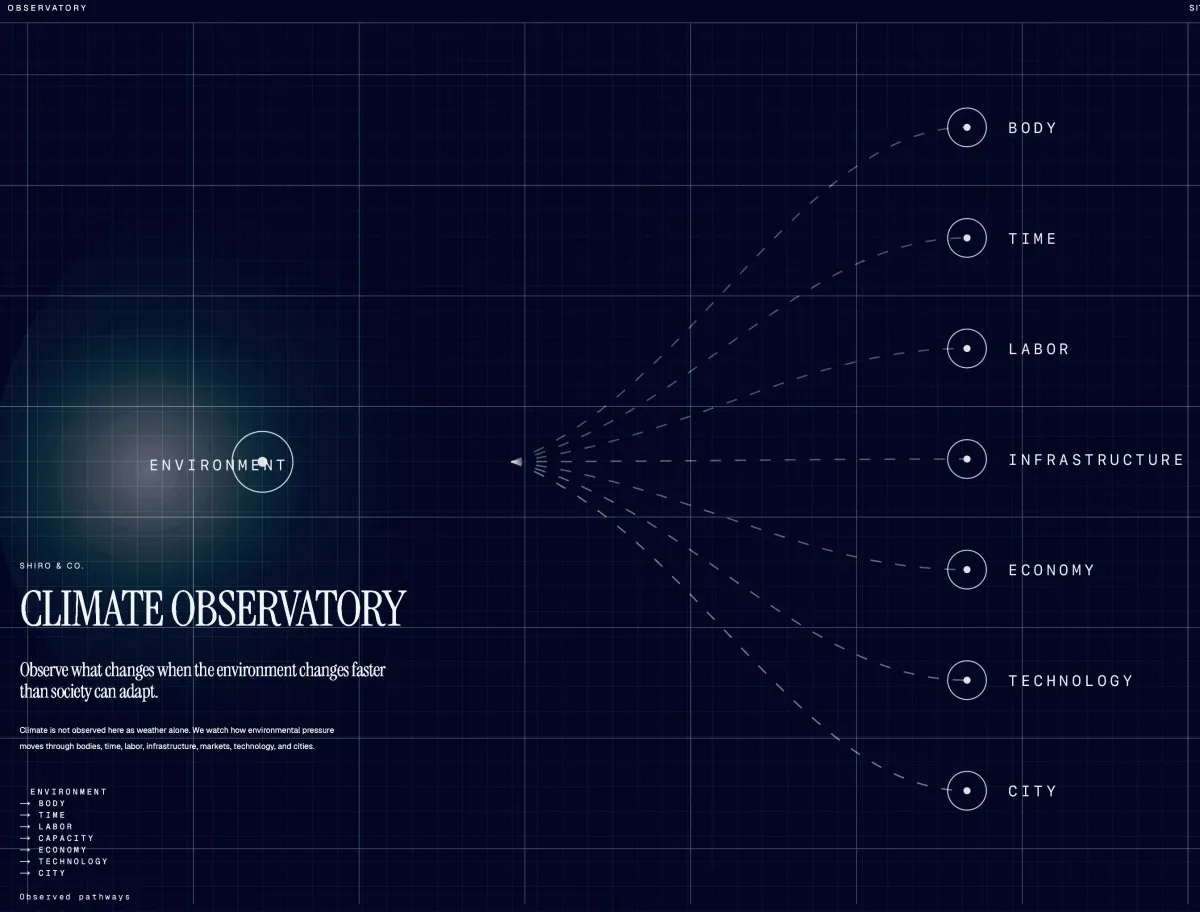
Examining How Extreme Heat Affects Usable Work Hours in Japan's Kochi and Tokyo
Impact of Extreme Heat on Working Hours in Japan: A Study by SHIRO & Co.
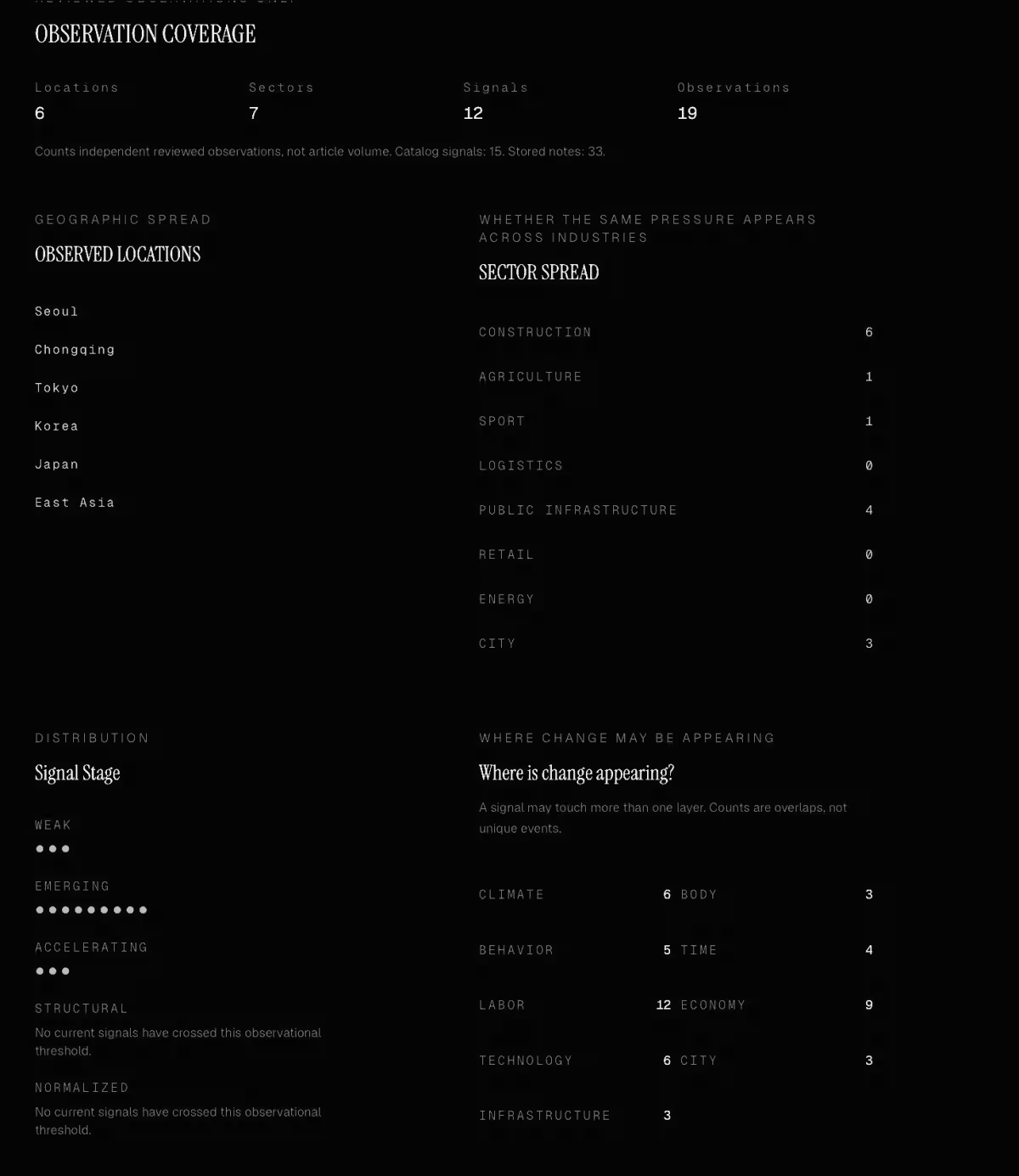
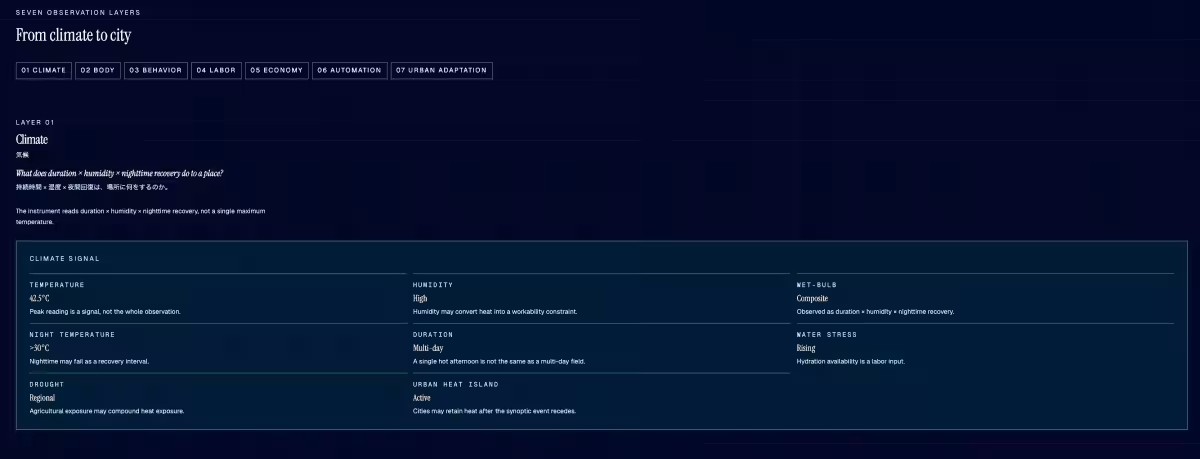
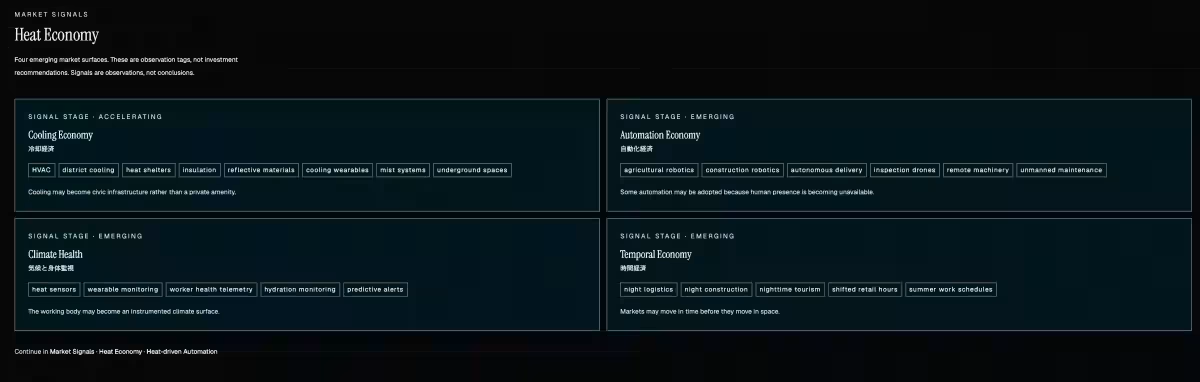
As climate change intensifies, its effects on work patterns and urban infrastructure are becoming clearer. SHIRO & Co., through its innovative Climate Observatory initiative, conducted an insightful study comparing usable work hours during extreme heat in Kochi and Tokyo. This research utilized 53 days of WBGT (Wet Bulb Globe Temperature) data from July 1 to August 22, 2026, to gauge the practical implications of rising temperatures on outdoor labor, revealing stark differences between these two Japanese cities.
The Study's Methodology
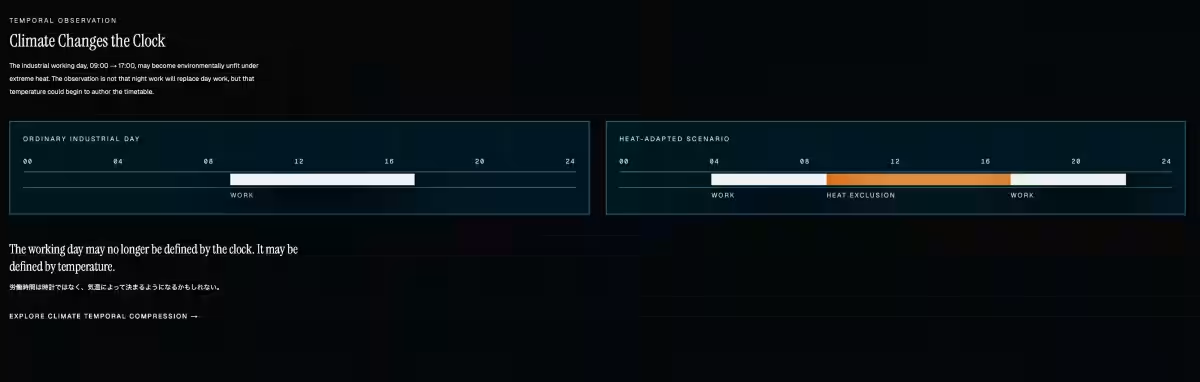
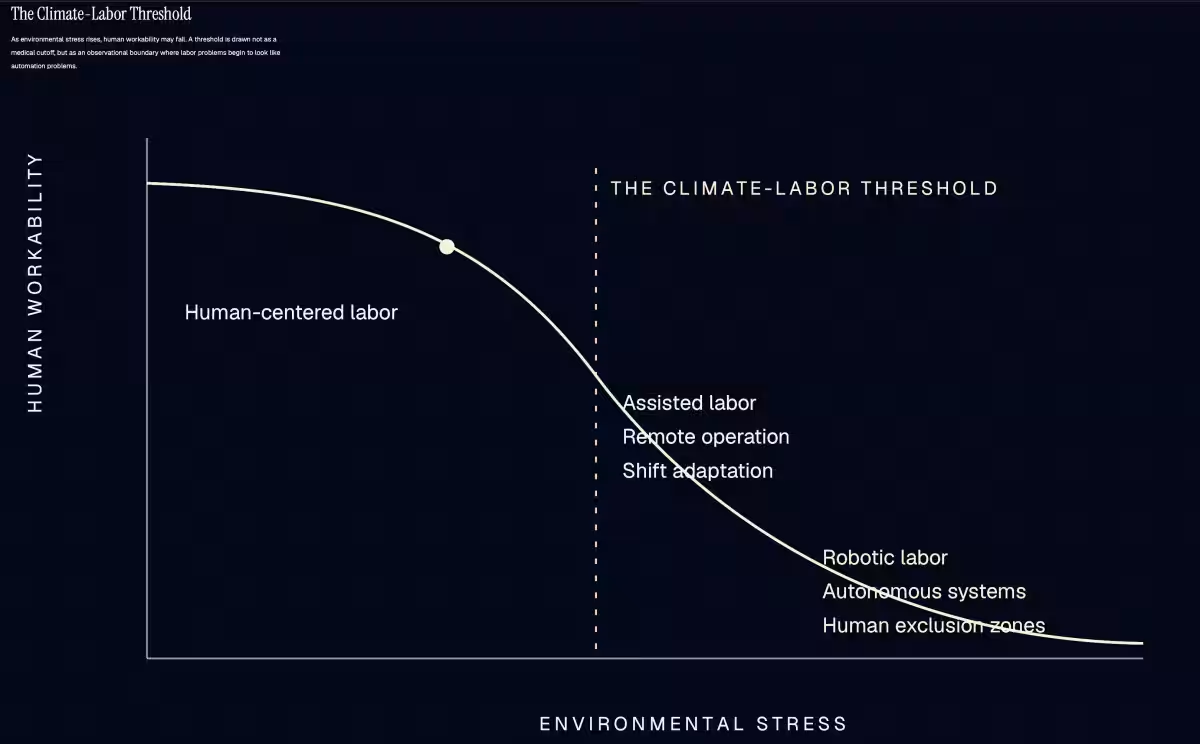
The analysis was grounded in the environmental ministry's WBGT data, applying uniform experimental methods to evaluate usable time for outdoor labor. Despite having the same clock times, the research demonstrated that the availability of labor hours varies significantly by region due to heat conditions. This phenomenon is termed "Climate Temporal Compression," which refers to the shrinking usable time frames as heat stress escalates.
SHIRO & Co. defines "Usable Time" as the duration during which activities can be safely and realistically performed under existing climate conditions. The implications of this research stretch beyond just environmental metrics; they touch on how labor, time management, and economic activities are influenced by climate change.
Key Findings
In the comparative analysis:
- - Kochi experienced a median loss of usable time of 1.0 hours, while Tokyo recorded none.
- - The number of days with severe heat constraints was 28 in Kochi compared to 19 in Tokyo.
- - Notably, there were 25 days with zero loss in usable hours in Kochi, against 34 in Tokyo during this 53-day span.
This disparity illustrates that while both cities endure the same calendar days, the climate's oppressive effects on workable hours diverge significantly.
Analyzing July 28, 2026
On July 28, 2026, the assessment vividly illustrated this disparity, with Kochi showing a loss of 6.0 hours of usable work time, whereas Tokyo recorded 0.0 hours. In Kochi, the hours available for work were predicted to be limited from 10 AM to 12 PM and from 1 PM to 5 PM due to extreme heat characteristics. In contrast, Tokyo’s analysis indicated continuous availability throughout the morning and afternoon.
Temporal Geography Explained
SHIRO & Co. encapsulates this notion of time variability within a framework they call "Temporal Geography". It highlights that even when the clock time remains unchanged, regions differ in their usable labor hours due to climate variances. Such observations emphasize the critical need for institutions to adapt labor policies according to these fluctuations.
Policy Responses
Kochi has already begun addressing these climate-induced changes. The local government has instituted a policy known as "Cool Work Time," mandating rest periods from 11 AM to 2 PM during the summer months. This policy serves to protect workers from extreme heat by allowing them to work during cooler hours, thereby affecting project timelines by extending deadlines to accommodate shorter working hours.
The Broader Implications
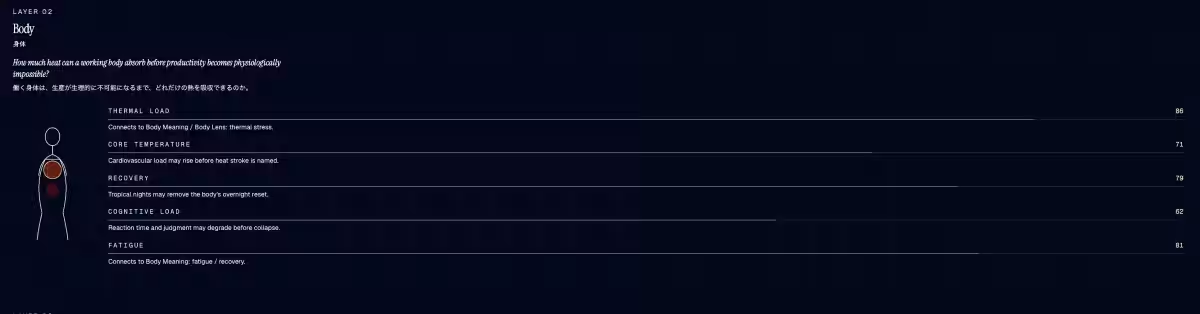
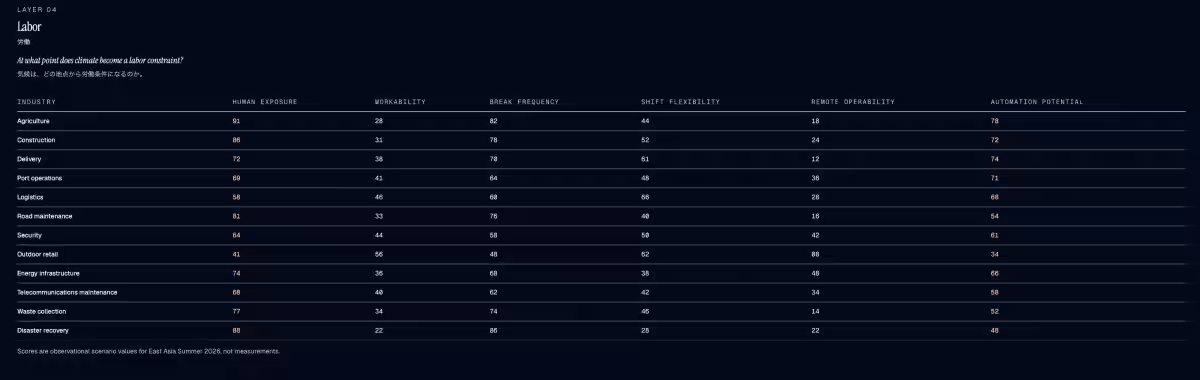
The Climate Observatory’s findings also suggest that the labor issue extends beyond just physical workforce shortages. It raises critical questions around the concept of "The Missing Worker Hour," capturing how climate conditions inevitably reduce the amount of time available for labor, affecting project execution capacities even when a workforce is physically present.
Furthermore, the research posits that, under the same work conditions, effective labor capabilities can differ due to regional climatic factors. This indicates businesses operating across different locations must reassess their operational strategies, including scheduling, staffing, and automation, to align with the environmentally dictated usable hours.
Looking Forward
SHIRO & Co.'s ongoing research invites contemplation on both human and economic levels, serving as a reminder of the nuances of climate change impacts. As climate signals continue to evolve, adapting labor practices and infrastructural policies will be essential for mitigating the adverse effects of increasing temperatures. For more details, the Climate Temporal Compression findings and assessments can be explored further on their dedicated press page.
SHIRO & Co. stands as a beacon of understanding the interconnectedness of climate, labor, and time. By deploying the Kosuke Protocol, they aim to synthesize diverse climate-related signals and foster informed decision-making regarding our adaptation to a changing world.
Topics Other)







【About Using Articles】
You can freely use the title and article content by linking to the page where the article is posted.
※ Images cannot be used.
【About Links】
Links are free to use.