



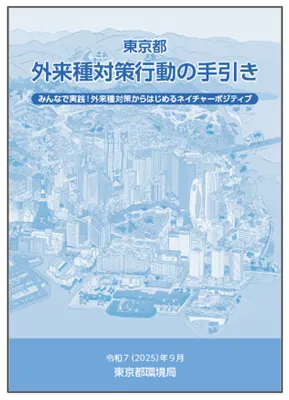
Tokyo's First Invasive Species Management List and Action Guidelines Unveiled for 2025
Tokyo Unveils Invasive Species Management Initiatives
In a significant advancement for wildlife conservation, Tokyo has announced the release of its first-ever Invasive Species Management List and accompanying Action Guidelines. These initiatives aim to combat the decline of crucial wildlife species that face threats mainly due to invasive non-native species. This move is part of Tokyo's broader strategy outlined in its Strategic Conservation Policy for Wildlife, aiming to operationalize measures against invasive species by March 2025, with the ultimate goal of achieving the Wild Extinction Zero Action.
Details of the Invasive Species Management List 2025
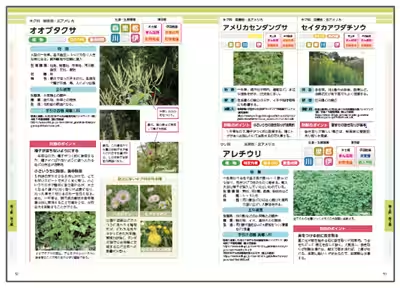
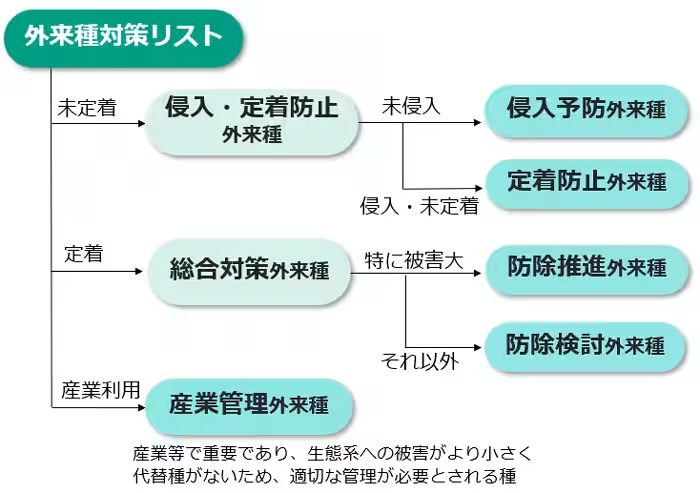
Tokyo's Invasive Species Management List identifies species that are causing damage and requiring attention within the city. The list covers both the mainland and the Izu Islands, excluding the Ogasawara Islands where separate management efforts are in place. Each species has been evaluated based on its establishment stage, invasiveness, and ecosystem impact, leading to the identification of 614 species that are categorized based on the urgency of the control measures needed.
Categories of Invasive Species
This list categorizes the identified invasive species into various groups, emphasizing those that have a severe impact on ecosystems. Notable examples of species listed under the Control Promotion Invasive Species category include:
- - Kishoubu (Iris japonica) from the mainland.
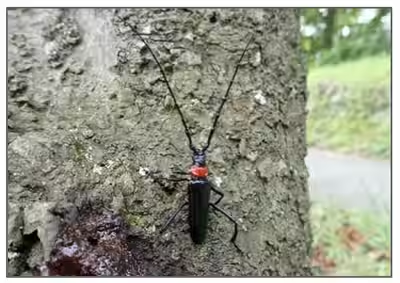
- - Kubiaka Tsuyakamikiri (Monochamus alternatus) from the mainland.
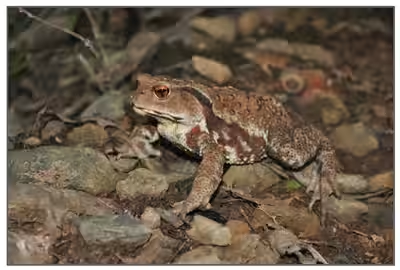
- - Azuma Hiki Gaeru (Bufo japonicus) from the Izu Islands.
By focusing on species with significant ecological impacts, the Tokyo government aims to prioritize efforts and resources towards tackling the most detrimental invaders.
Action Guidelines
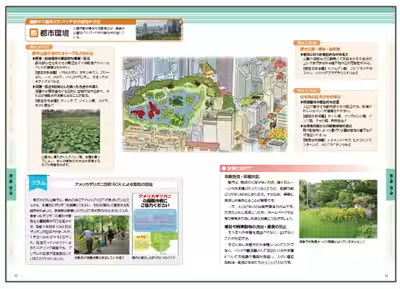
In an effort to actively engage various stakeholders in combating invasive species, the Action Guidelines, titled “Let's Practice! Starting Invasive Species Management for Nature Positive”, provide practical instructions on how to effectively utilize the Invasive Species Management List. These guidelines offer fundamental principles and considerations that must be addressed while implementing management practices across different areas and species. The information is presented in an accessible format, utilizing illustrations to enhance understanding.
Key Features of the Guidelines
The guidelines encapsulate vital strategies for:
- - Educating the public on invasive species impacts.
- - Providing actionable steps for local communities.
- - Encouraging collaboration among various organizations and stakeholders.
Moreover, the Tokyo government has made both the Invasive Species Management List and the Action Guidelines available to the public through their official environment portal, ensuring that this critical information is widely accessible.
For more details, access their online resources at:
The Vision Behind These Initiatives
The objectives behind the Wild Extinction Zero Action are rooted in achieving significant conservation results. This initiative aims not only to protect specific endangered species but also to focus on the intricate relationships within ecosystems. The preservation strategies laid out in the strategic conservation policy include a multifaceted approach that emphasizes the importance of synergistic relationships among living organisms, while also addressing the critical need to manage invasive species effectively.
In conclusion, Tokyo's new invasive species management plan embodies a proactive step towards safeguarding the region's natural biodiversity. It is a clarion call for residents and stakeholders alike to engage in practices that foster a healthy ecosystem and a vibrant natural landscape for future generations.

Topics Environment)
【About Using Articles】
You can freely use the title and article content by linking to the page where the article is posted.
※ Images cannot be used.
【About Links】
Links are free to use.