



Increasing Demand for Outsourced Engineers Among SMEs: 2025 Insights
Overview of the Survey
Recently, Branding Engineer, a subsidiary of TWOSTONE&Sons based in Shibuya, Tokyo, conducted a survey regarding the intention of small and medium enterprises (SMEs) to acquire outsourced engineers. The research focused on owners and executives of SMEs engaged in system development and involved 321 respondents. The purpose was to evaluate the changes in their desire to hire external engineers, particularly in light of increased AI application in workplaces.
Key Findings
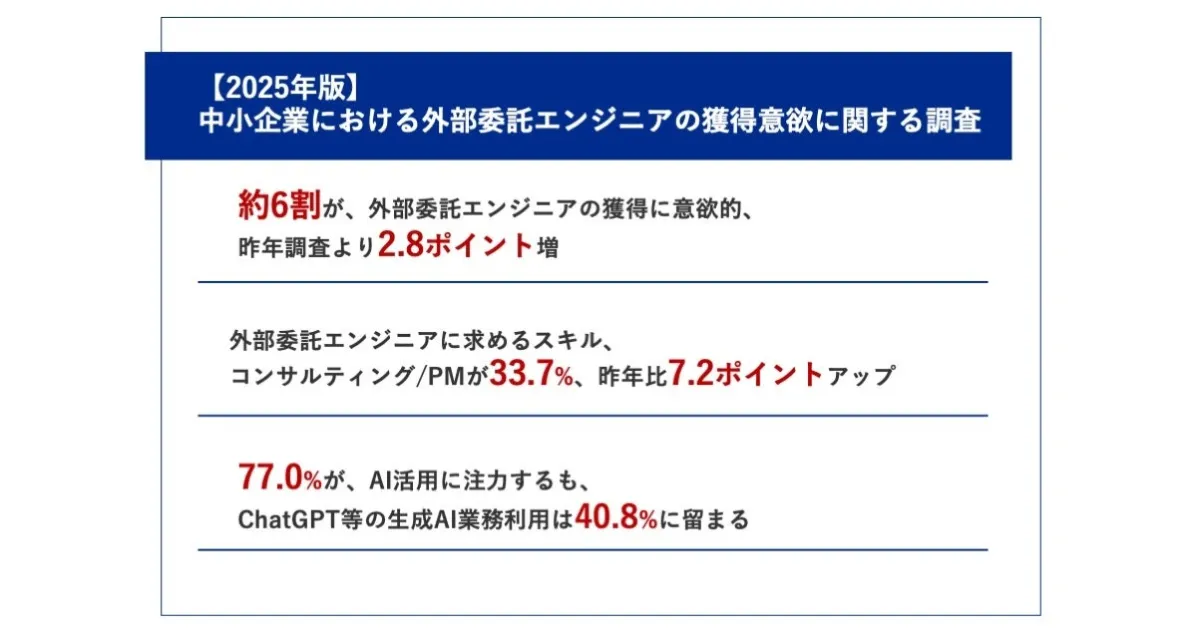
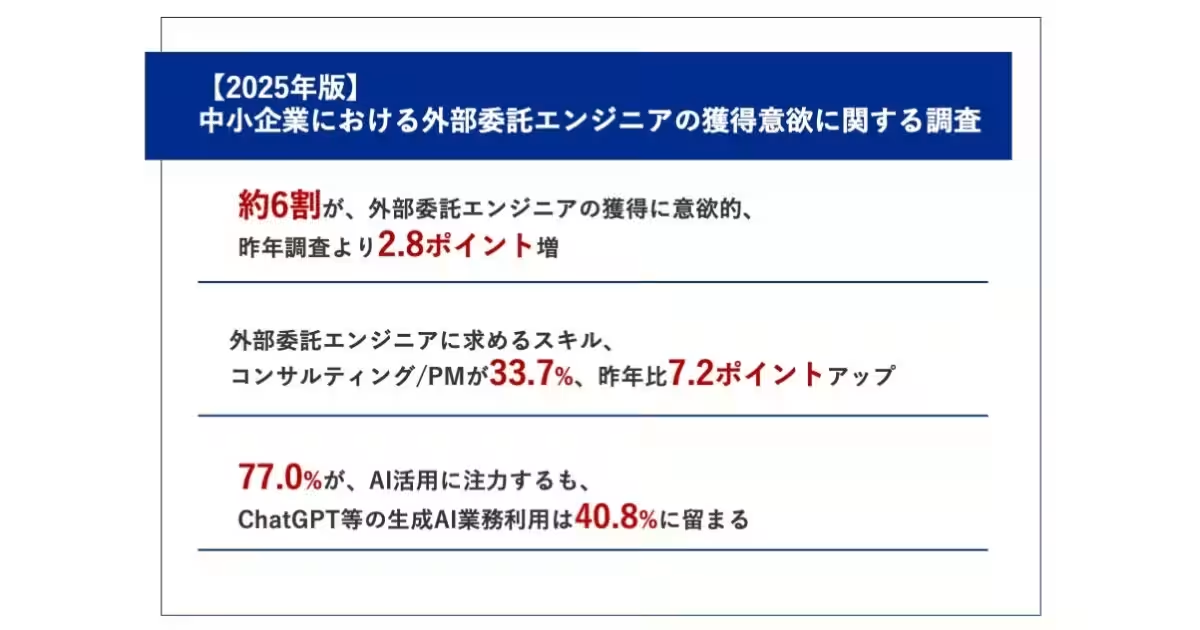
- - Increased Willingness: About 59.2% of small and medium enterprises are actively seeking to hire outsourced engineers, a rise of 2.8 points from the previous year.
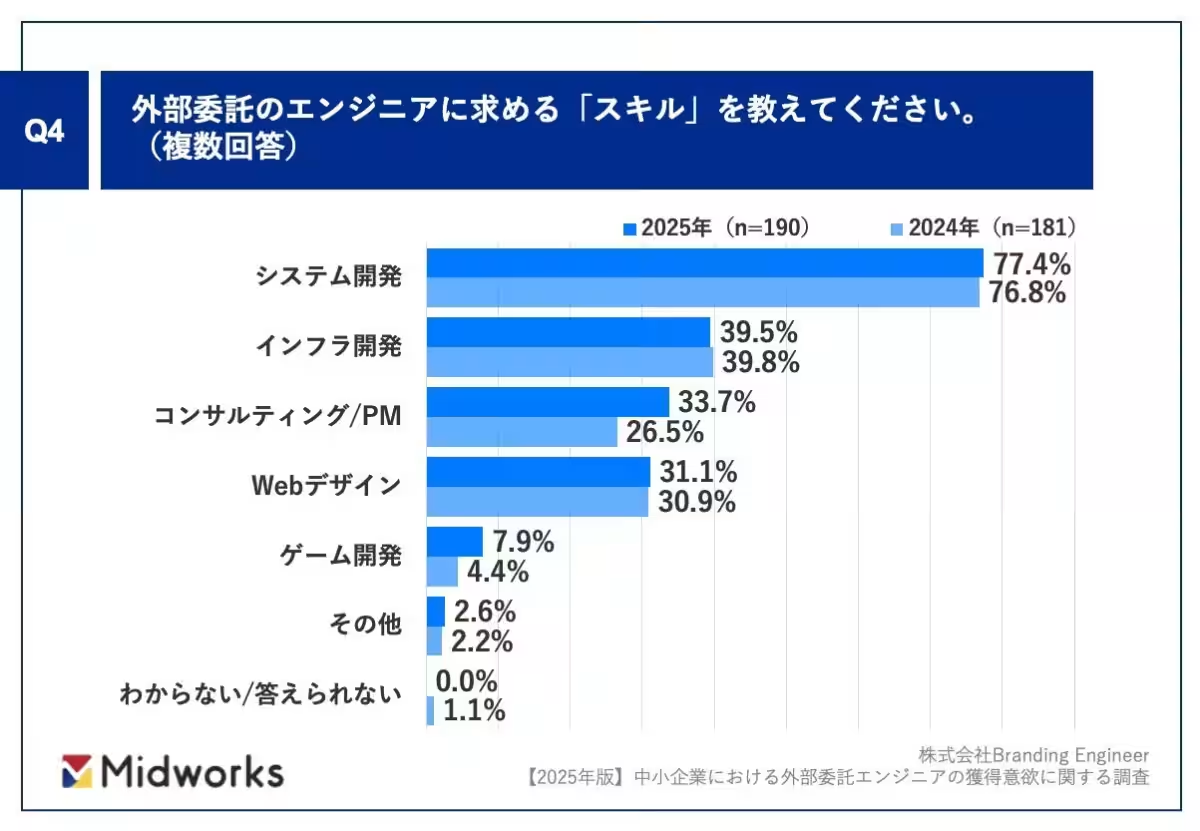
- - Desired Skill Sets: When asked about the necessary skills for outsourced engineers, 33.7% indicated a preference for consulting and project management skills, marking an increase of 7.2 points in this area. The appeal for system development skills remains strong at 77.4%.
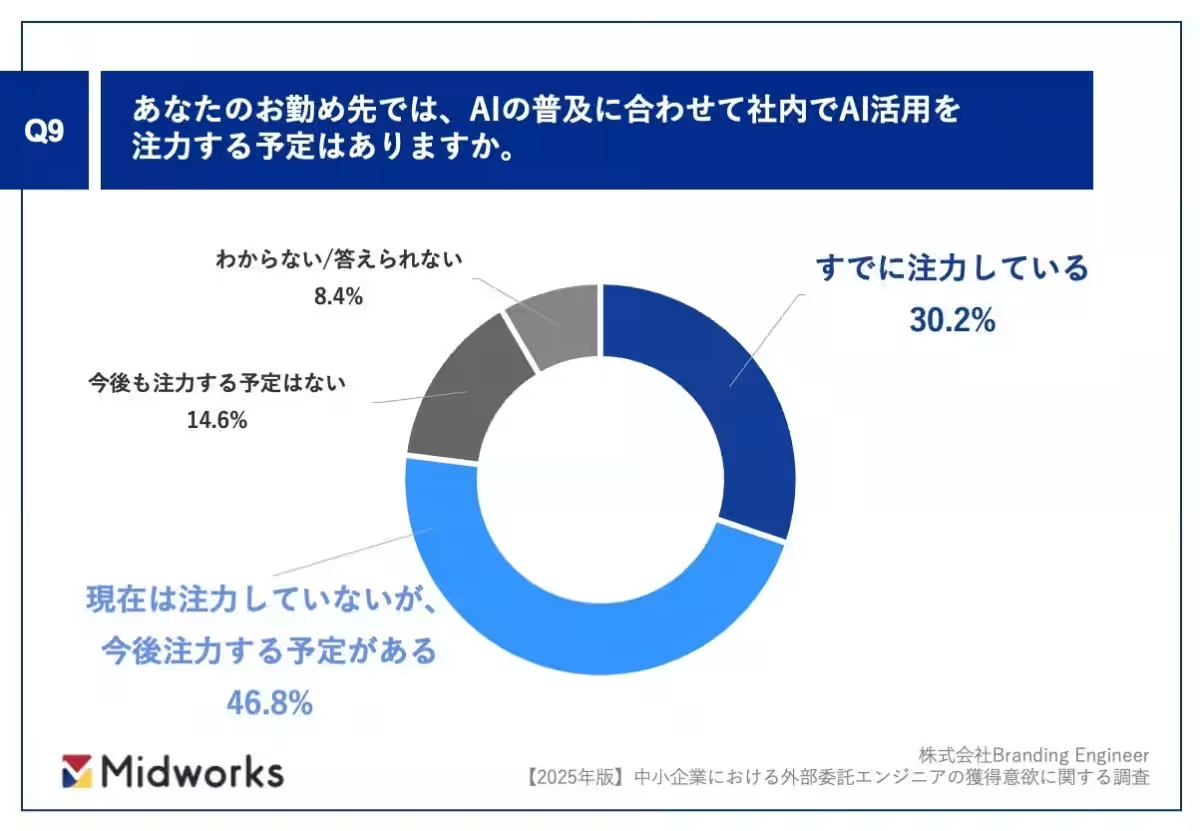
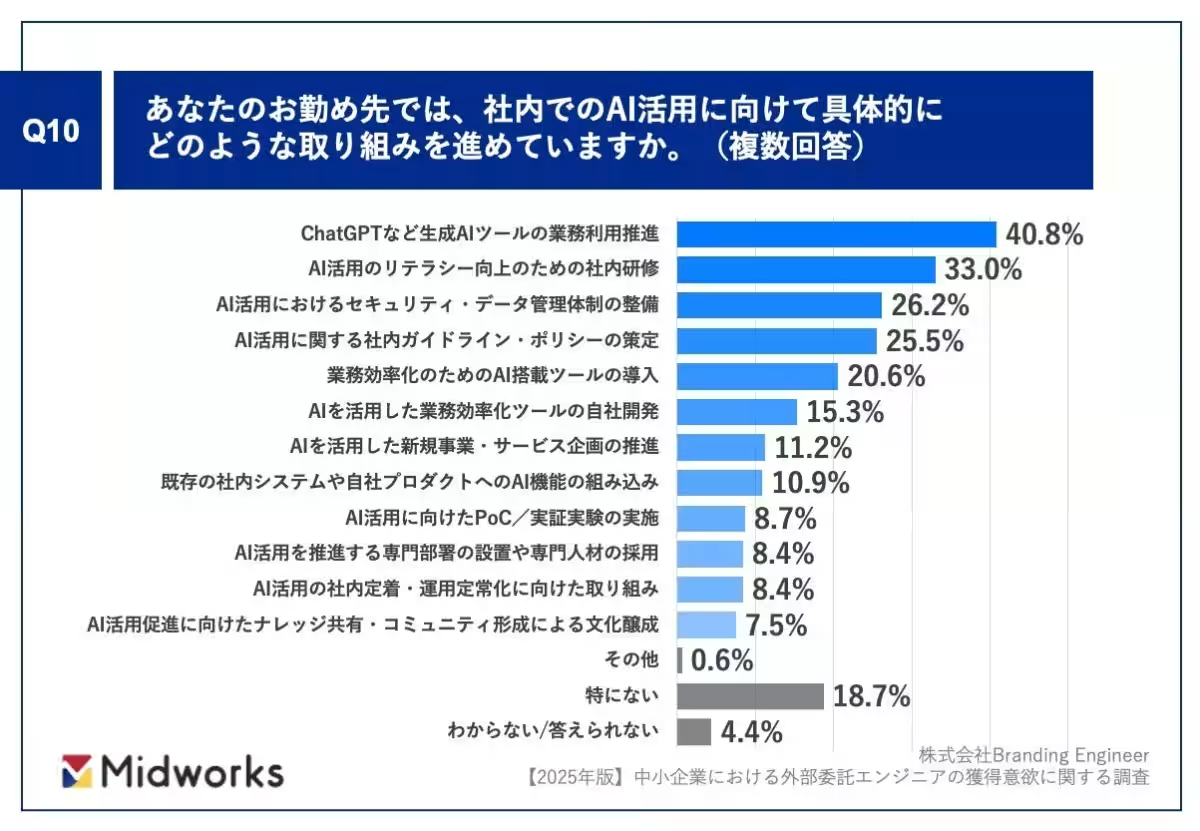
- - AI Integration: While 77% of SMEs plan to focus on utilizing AI, only 40.8% have started employing generative AI tools like ChatGPT in their operations. This highlights a lag between interest and implementation.
Detailed Insights
Willingness to Acquire Outsourced Engineers
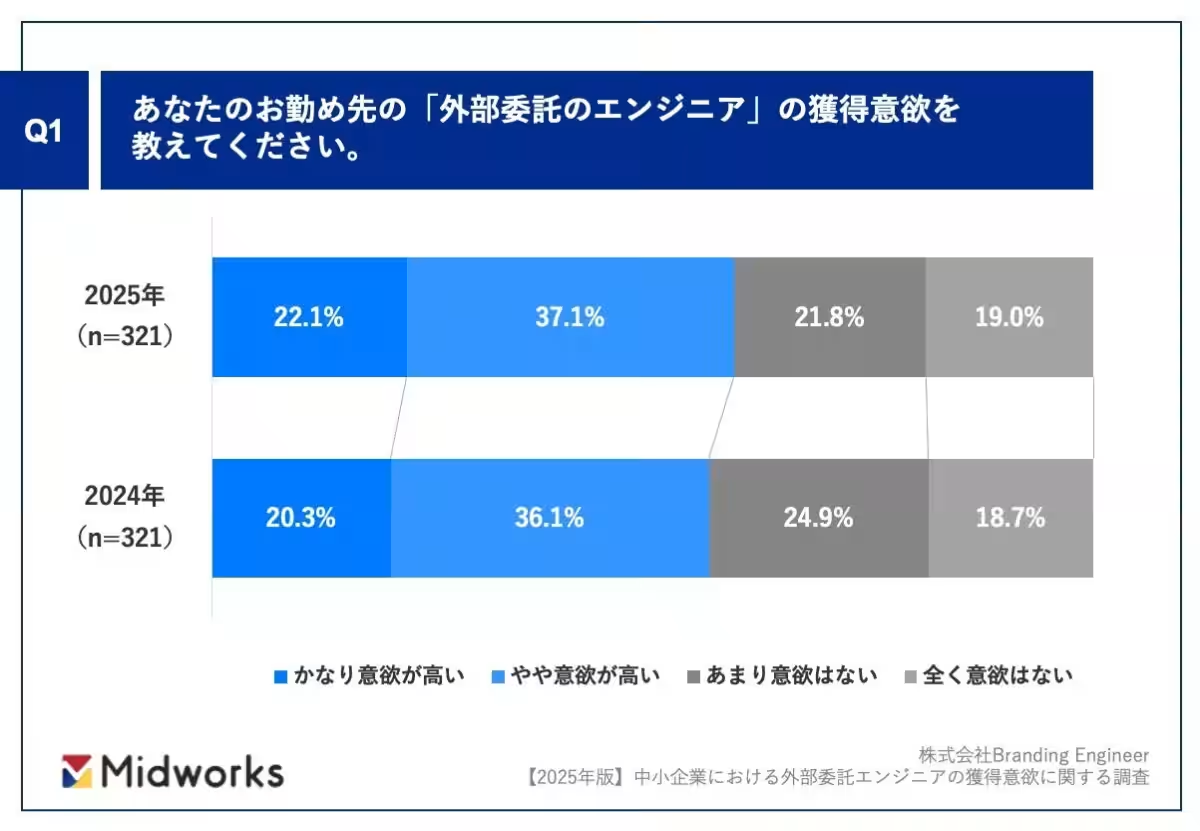
Among the respondents, 22.1% expressed high willingness to hire external engineers, while 37.1% showed some interest. This contrasts with 21.8% indicating low interest and 19% stating no willingness at all. The survey reflects a growing recognition of the need for agile, skilled personnel in an era increasingly dominated by technological innovation.
Age and Experience of Desired Engineers
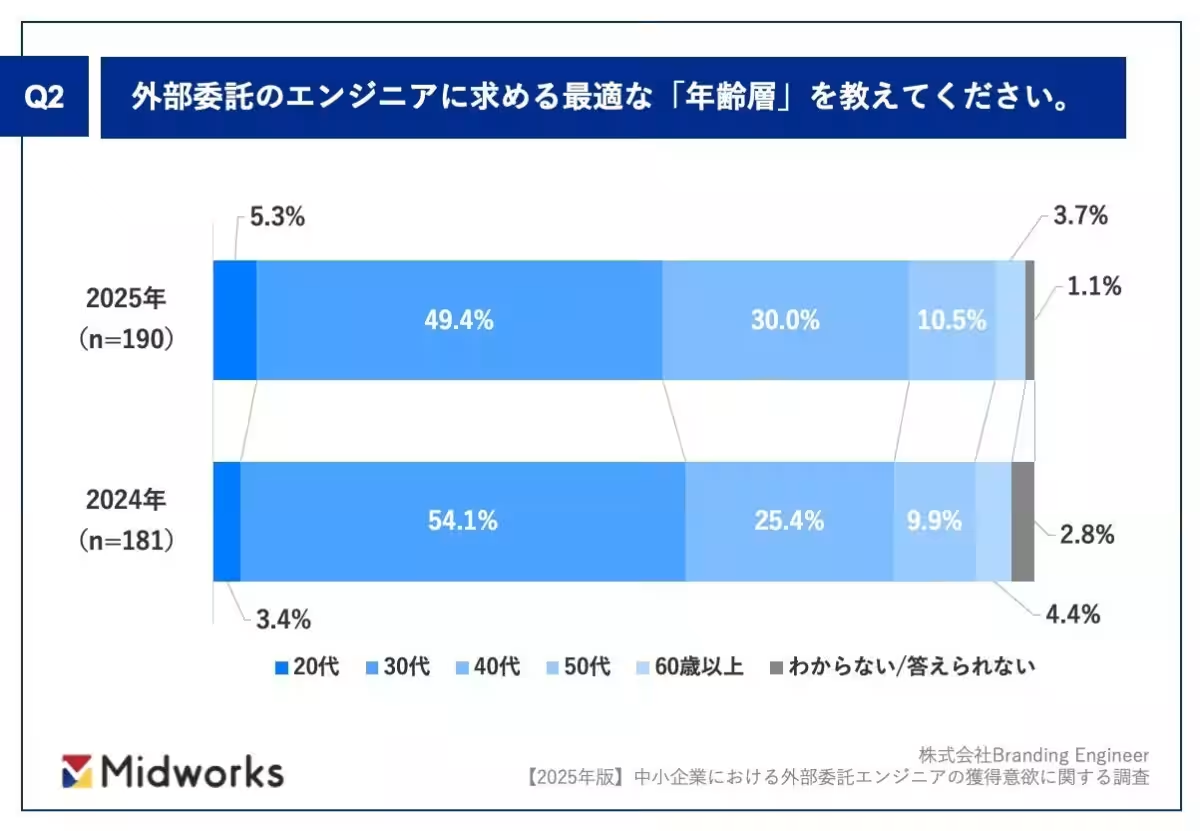
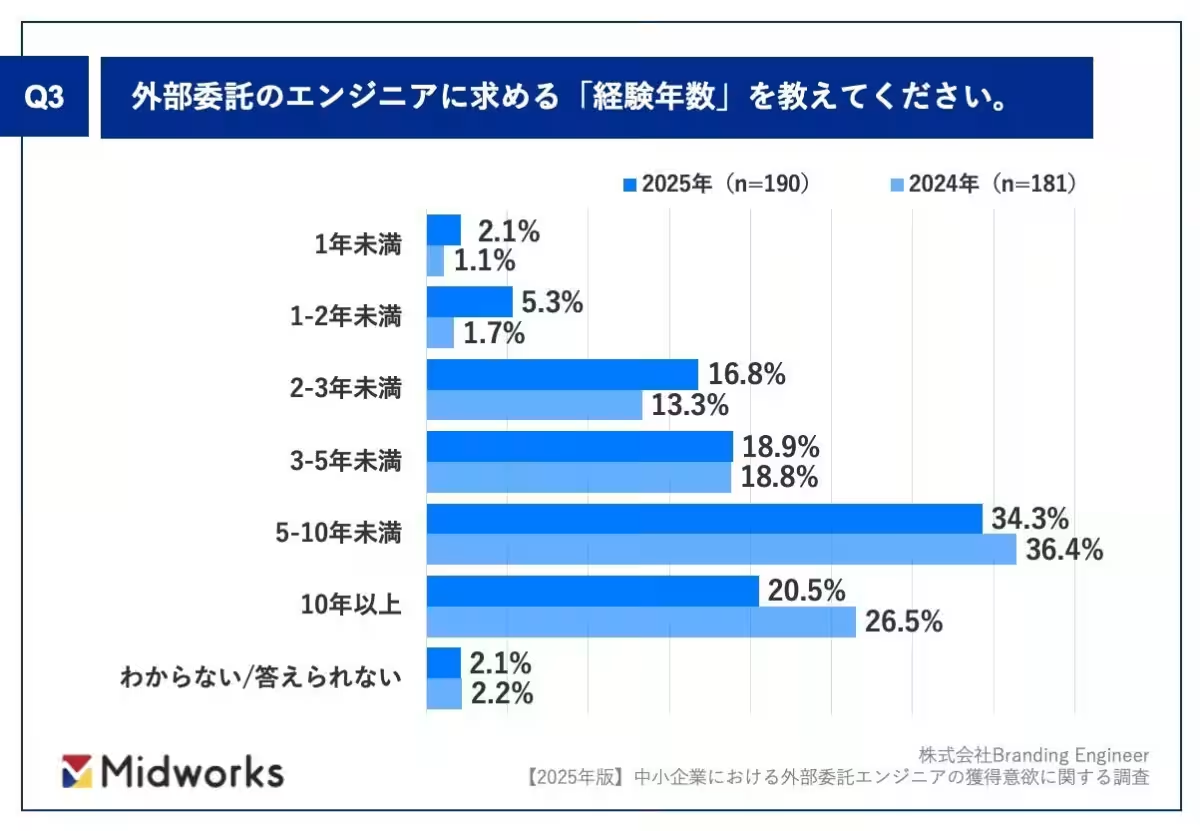
The survey revealed that almost half of the respondents, 49.4%, prefer engineers in their thirties. In terms of experience, 54.8% of companies seek engineers with more than five years in the field, a slight decline from previous data. The emphasis appears to be shifting not just to experienced practitioners, but also to those who can adapt to newer consultancy roles as the industry evolves.
Financial Considerations
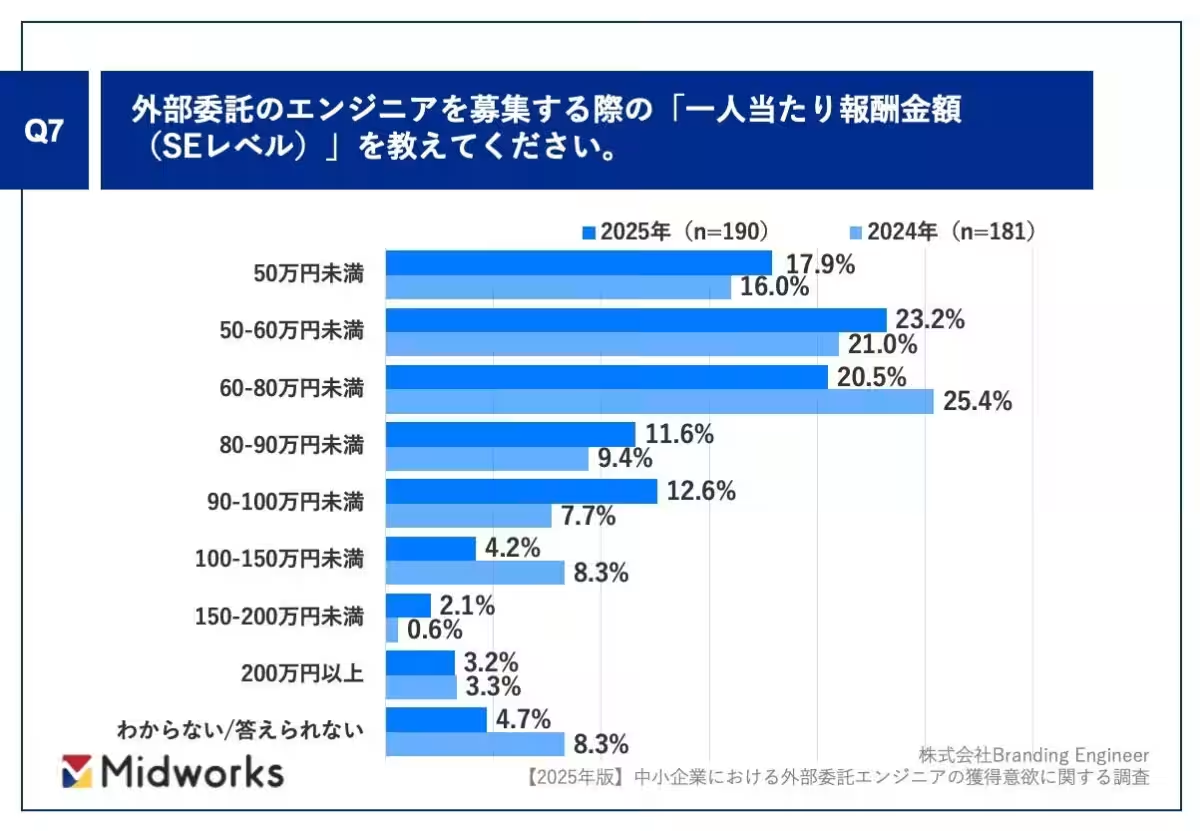
In terms of compensation, 61.6% of firms report that they will offer less than ¥800,000 for outsourced engineers. This includes salary brackets such as ¥500,000 to ¥600,000 (23.2%) and ¥600,000 to ¥800,000 (20.5%). The demand remains significant despite salary caps, demonstrating a balance between budget constraints and the need for skilled personnel.
Focus on Immediate Contributions
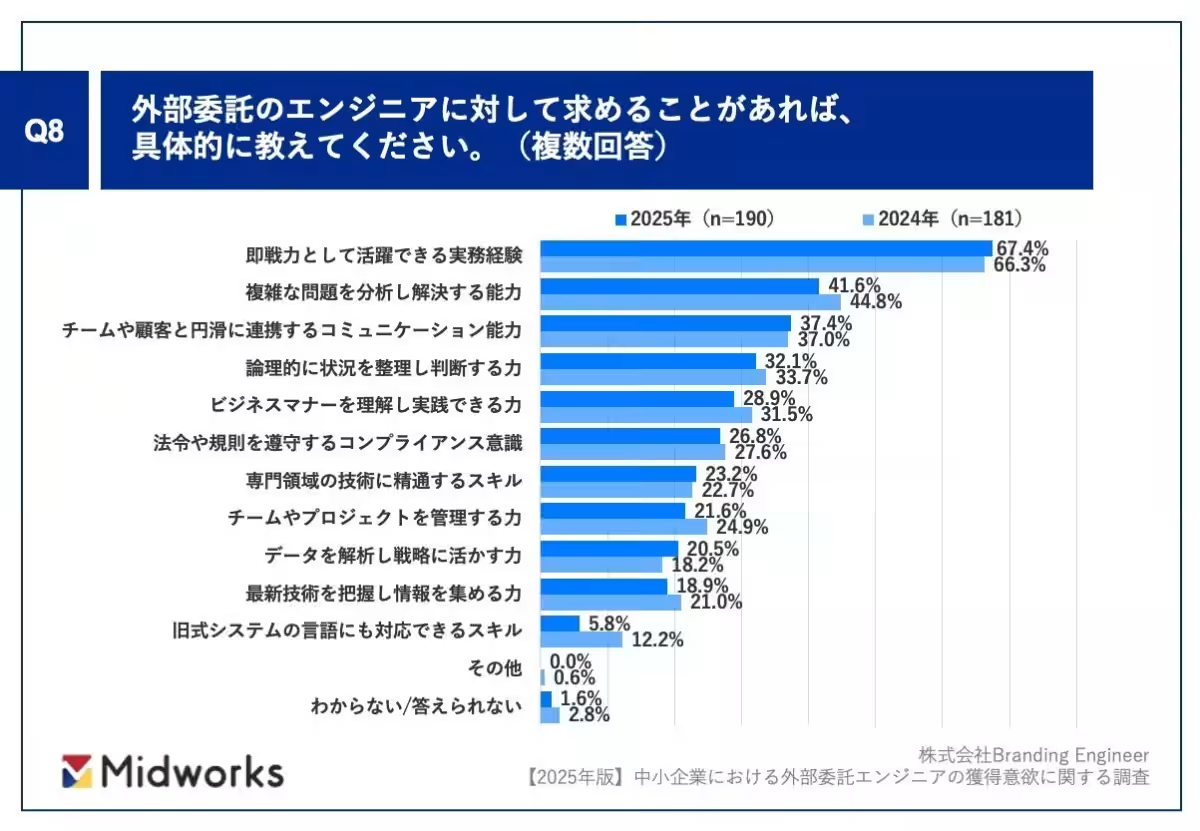
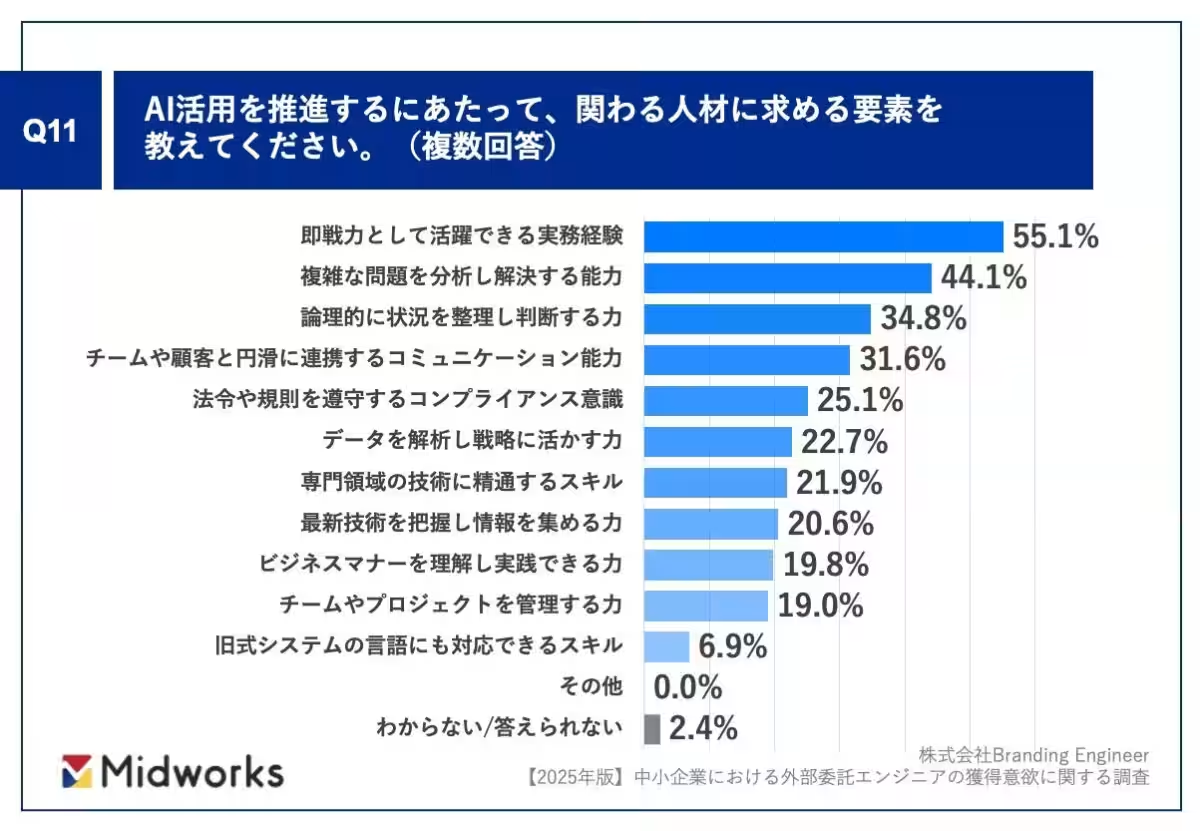
A notable 67.4% of owners and executives expect immediate practical experience from their external engineers, highlighting the need for candidates who can quickly contribute to projects and solve complex issues. This requirement indicates a competitive landscape where SMEs must leverage available talent effectively without extensive training periods.
AI Adoption Trends
The survey indicates that an impressive 77% of SMEs are planning to focus on AI. Although a significant proportion of companies have not yet deployed these technologies fully, those already in implementation are doing so with clear intentions—40.8% reported using AI tools for business tasks, and another 33% engaged in training to uplift AI literacy across their teams. The disparity between intentions and execution points to a critical gap that companies must navigate.
Conclusion
In summary, the 2025 survey carried out by Branding Engineer underlines a robust enthusiasm among SMEs to expand their hiring of outsourced engineers. It also reveals clear trends regarding desirable skills, age demographics, and salary expectations. Interestingly, while there is a strong push towards AI integration, practical implementation remains a challenge. This situation creates an opportunity for SMEs to reassess their recruitment strategies, focusing on securing immediate, skilled talent capable of advancing their business objectives while integrating new technologies. Notably, platforms like Midworks can play a crucial role in bridging this gap by connecting firms with capable freelance engineers, thus strengthening the industry’s capacity for innovation and growth.
Topics Business Technology)
【About Using Articles】
You can freely use the title and article content by linking to the page where the article is posted.
※ Images cannot be used.
【About Links】
Links are free to use.