


AI-Powered Stress Check Service Enhances Workplace Wellness Beyond Traditional Methods
Introduction to AI Stress Check
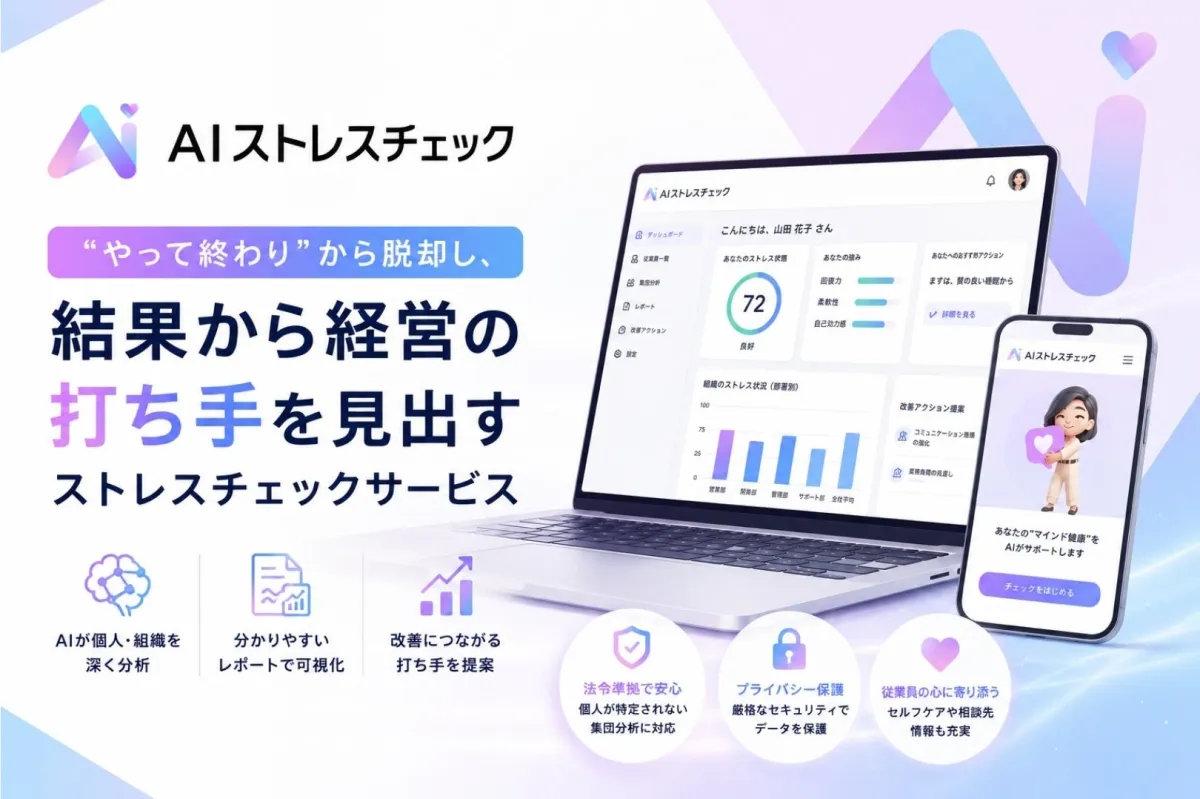
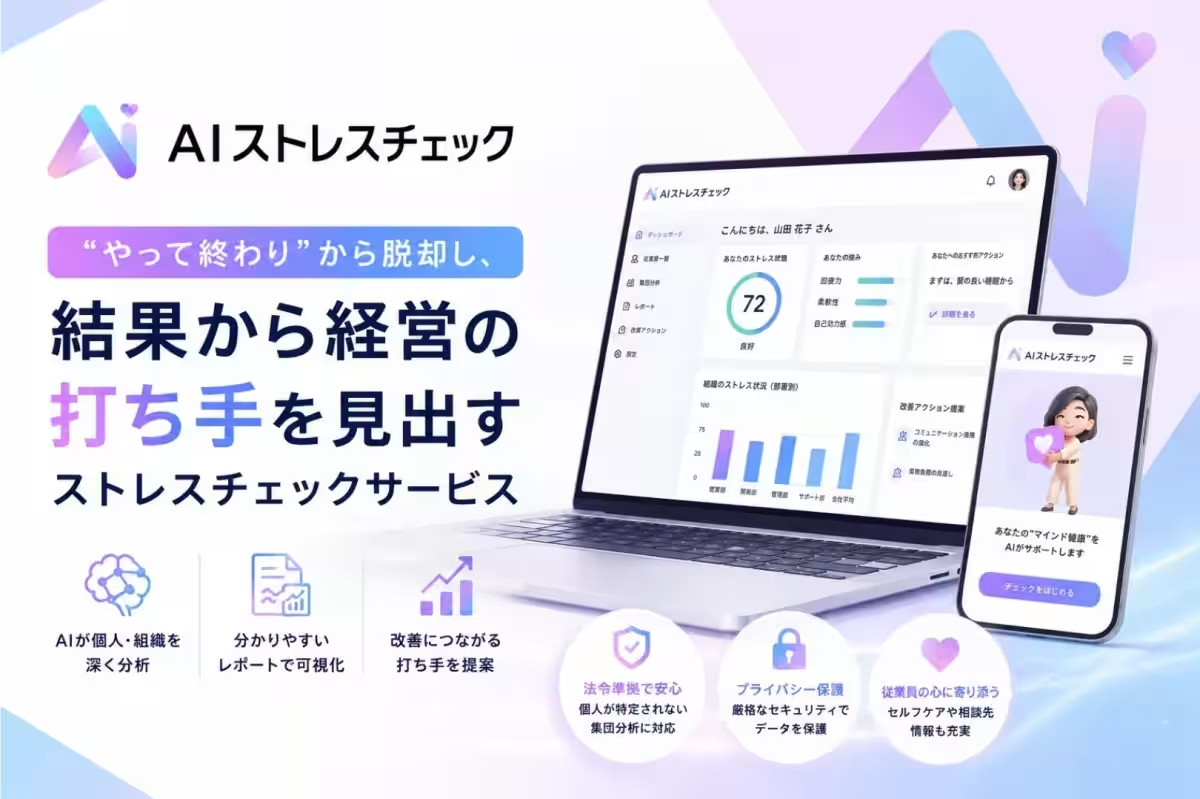
In a pioneering development, AI Mental Support Corporation, a company based in Shibuya, Tokyo, has introduced an advanced stress check service tailored for companies with fewer than 50 employees. This service has been developed in collaboration with Associate Professor Natsu Sasaki from the University of Tokyo's Graduate School of Medicine. Unlike traditional stress assessments that primarily focus on workplace stress factors, this innovative service takes into consideration various external stressors, such as household responsibilities, childcare, caregiving, health issues related to age and gender, and career concerns. This comprehensive approach aims to provide a clearer understanding of employees' stressors both inside and outside the workplace.
Identifying the Gaps in Traditional Stress Checks
Historically, stress assessments have typically centered on workplace-related factors, often neglecting the impacts of employees' personal lives. External stressors can significantly diminish productivity and overall employee wellbeing. Previous methods have failed to provide a complete picture of an individual’s stress background, resulting in inaccurate self-assessment opportunities for employees and challenges for businesses trying to implement effective organizational improvements. Recognizing these issues, AI Mental Support and the University of Tokyo aimed to create a set of unique questions to truly capture the totality of employees' stress experiences.
Employees do not exist solely within the confines of their workplaces; they navigate roles as caregivers, family members, and community members, each facing different pressures and expectations. The newly developed questions in the AI Stress Check service evaluate stress factors that extend beyond the office environment, including personal lives, health challenges, and the unique circumstances each individual faces based on their gender and age.
Features and Benefits of the Unique Questions
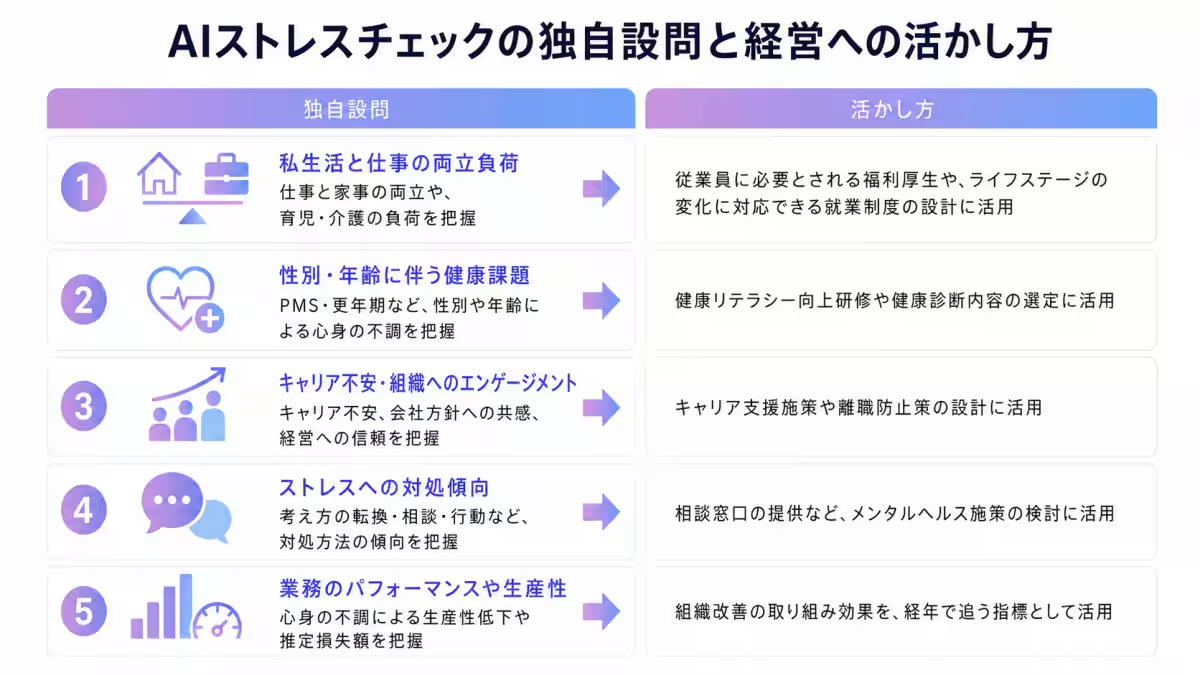
The unique questions designed for the AI Stress Check delve into multiple facets of an employee's life, offering organizations the insights necessary to effectively address employee wellbeing. The results can inform improvements in organizational practices and the design of employee benefits. Key areas analyzed include:
1. Balancing Work and Personal Life
The assessment queries employees about their ability to balance work with household and childcare responsibilities. Insights gathered can guide organizations in crafting adaptive policies and benefits that better support their employees' needs.
2. Health Issues Related to Gender and Age
The survey examines how age and gender affect mental and physical health, providing valuable data that can inform health awareness training and relevant healthcare options tailored to the organizational demographics.
3. Career Engagement and Anxiety
Evaluating employees' feelings of career uncertainty and organizational engagement can help companies develop supportive measures, mitigate attrition rates, and foster a more resilient workforce.
4. Approaches to Stress Management
Understanding how employees tend to cope with stress—such as through discussion, action, or cognitive reframing—can assist in shaping mental health resources and counselor access in alignment with employee needs.
5. Analyzing Performance Impact
The service evaluates whether stress-related health issues are impairing work performance and productivity, and estimates potential losses related to decreased productivity. Tracking these metrics over time can serve as a benchmark for assessing the impact of organizational improvements.
Expert Insights
Associate Professor Natsu Sasaki's Perspective
With a strong background in mental health and implementing science, Associate Professor Natsu Sasaki has contributed significantly to this collaborative project. He emphasizes the importance of capturing a broader range of stress factors to enhance workplace mental health strategies effectively. The goal is to shift the focus from merely acquiring data on individual situations to deriving actionable insights that inform necessary support and adjustments within the workplace environment.
CEO of AI Mental Support, Itsuki Narui’s Vision
CEO Itsuki Narui, a seasoned entrepreneur, recognizes the significant impact that mental health has on small teams. He outlines a vision where upcoming regulatory changes concerning mandatory stress checks are viewed as opportunities to strengthen rather than burden organizations. The objective is to ensure that as many companies as possible can implement supportive systems for their staff.
Conclusion
The AI Stress Check service is not merely a tool for compliance but a strategic resource for fostering a culture of wellness within organizations. By harnessing AI and innovative assessment techniques, businesses can address stress in a more holistic manner, ultimately leading to healthier work environments and increased productivity. As part of a promotional initiative, AI Mental Support is currently offering complimentary assessments to the first 1,000 eligible small businesses.
For more information, visit AI Mental Support.


Topics Health)






【About Using Articles】
You can freely use the title and article content by linking to the page where the article is posted.
※ Images cannot be used.
【About Links】
Links are free to use.