



Investment in US Fusion Energy Start-up CFS by Japanese Consortium to Accelerate Development
Fujikura's Strategic Investment in Fusion Energy
Fujikura Corporation, led by CEO Naoki Okada, has announced its investment in Commonwealth Fusion Systems LLC (CFS), a leader in fusion energy technology based in the United States. This investment is part of a collaborative effort among a consortium of 12 Japanese companies, aimed at accelerating the development and commercialization of fusion energy. This partnership follows Fujikura's earlier investments in other fusion-related enterprises, such as Kyoto Fusioneering and EX-Fusion.
About Commonwealth Fusion Systems (CFS)
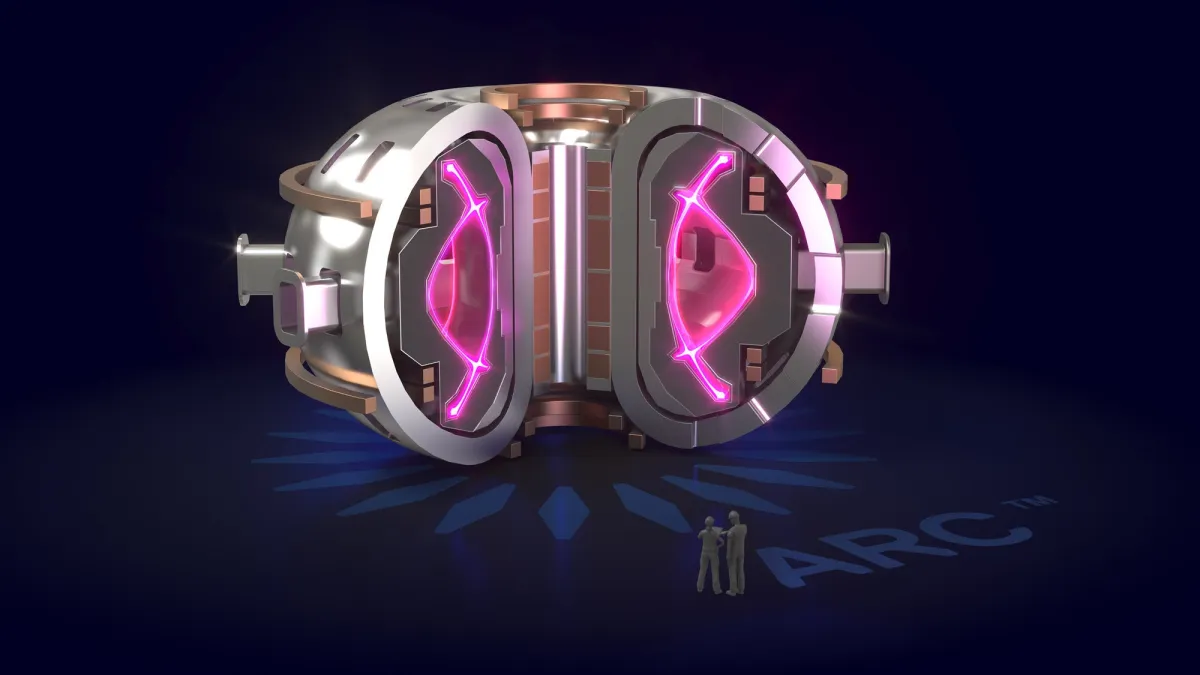
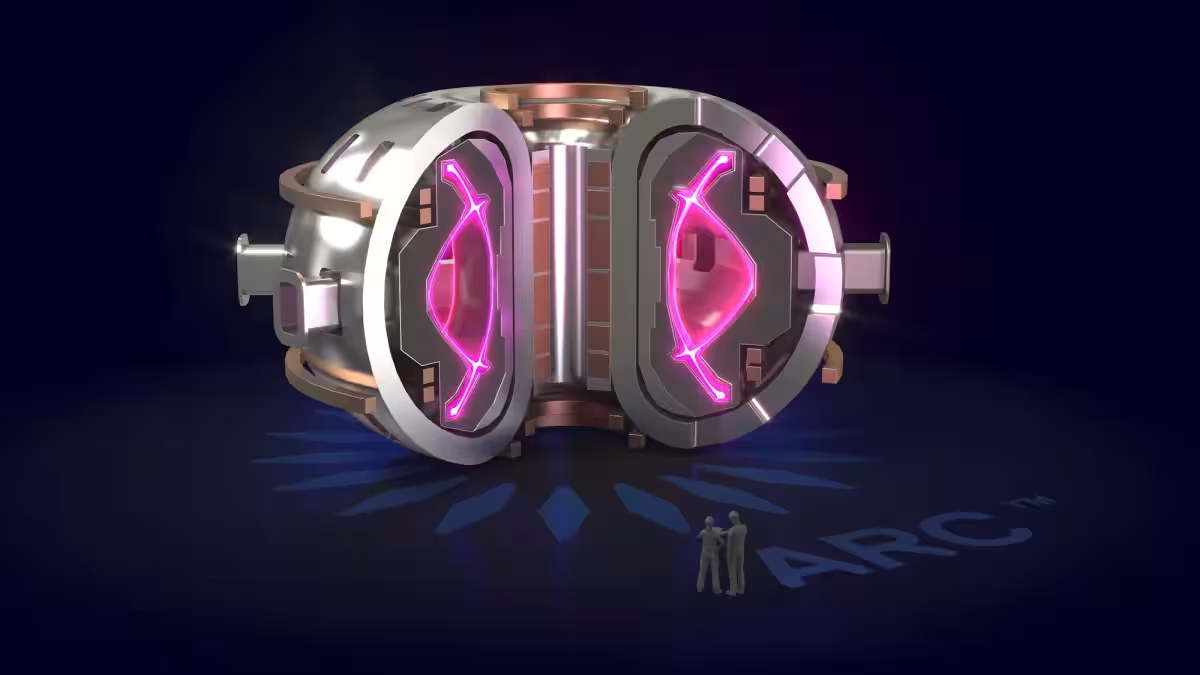
Commonwealth Fusion Systems, established in 2018 as a spin-off from the Massachusetts Institute of Technology, is making significant strides in the field of fusion energy. CFS is developing a fusion energy power plant dubbed 'ARC,' which is set to be the world’s first commercial fusion power facility. The plant aims to begin operations in the early 2030s, with a construction site located in Virginia, USA. The company is a leading figure in the industry, employing over 1,000 staff and having raised approximately $3 billion to support its endeavors.
The Japanese consortium aims to gain critical insights from CFS's ongoing commercialization project in the U.S., including technical and commercial knowledge related to policies, regulations, development, construction, operation, and maintenance of the ARC facility. By leveraging this knowledge, the consortium hopes to facilitate the swift commercialization of fusion energy in Japan, thereby contributing to a global initiative for a carbon-neutral society.
Understanding Fusion Energy
Fusion energy is derived from the process of merging light atomic nuclei, such as deuterium and tritium, to form a heavier nucleus, like helium, generating energy in the process. It is noted that one gram of fusion fuel can produce the energy equivalent of burning eight tons of oil. Notably, fusion fuel can be extracted from seawater, and the process does not emit carbon dioxide, positioning fusion energy as a potential solution to climate change and environmental issues. Given its zero-emission nature, it is increasingly considered vital for achieving sustainable energy goals and combating global warming.
Purpose of the Investment
Since the inception of CFS, Fujikura has maintained a strong relationship with the company, supplying it with high-temperature superconducting wires. These wires are instrumental in creating high-temperature superconducting magnets needed to confine and control plasma at temperatures around 100 million degrees Celsius. As the demand for fusion energy technology grows, Fujikura is also planning to ramp up production of these superconducting materials.
Fujikura’s expertise in manufacturing is expected to enhance the development speed of fusion energy reactors and play a crucial role in the realization of a carbon-neutral society. The company's ongoing commitment to reducing environmental impact while advancing sustainable energy solutions reflects its dedication to societal progress.
In conclusion, Fujikura’s strategic investment in CFS signifies not only a business opportunity but also a pivotal movement towards a sustainable future harnessing the power of fusion energy. In partnership with CFS and the consortium of Japanese companies, Fujikura is poised to contribute significantly to the global energy landscape, fostering innovation and spearheading advancements in fusion technology.
Looking Ahead
As the world grapples with climate change and seeks renewable energy solutions, fusion energy presents a promising path forward. Through collaborative efforts like the one between Fujikura and CFS, the potential of fusion energy can be realized, paving the way for a more sustainable and resilient energy infrastructure for future generations.

Topics Energy)
【About Using Articles】
You can freely use the title and article content by linking to the page where the article is posted.
※ Images cannot be used.
【About Links】
Links are free to use.