



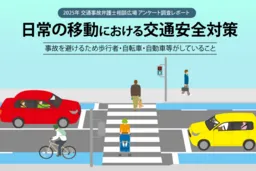
Investigating Traffic Safety Measures Taken by Different Road Users across Age Groups
Overview of Traffic Safety Measures in Japan
A comprehensive survey conducted by Agoora has revealed critical insights into the traffic safety measures adopted by various road users, including pedestrians, cyclists, and motor vehicle drivers. This research surveyed 500 participants aged between 20 and 69 across Japan, aiming to understand their consciousness and actions related to traffic safety during daily commutes.
Survey Findings
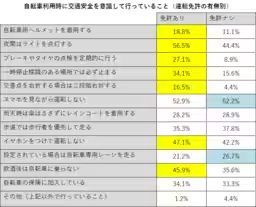
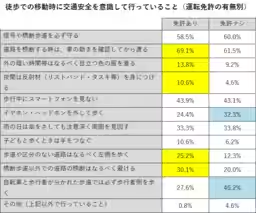
The results indicated a distinct trend: the older the participant, the more safety measures they tend to undertake. The survey showed a significant difference in safety behavior between younger individuals (20s) and older participants (50s and 60s), especially noticeable among vehicle drivers. Those who hold a driving license also showed a more proactive approach to safety measures compared to non-license holders.
Pedestrian Safety Measures
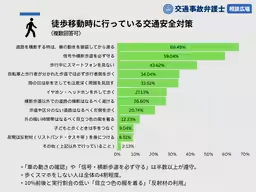
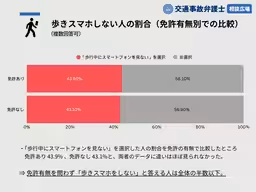
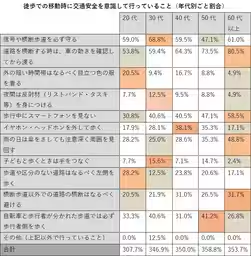
Among pedestrian respondents, adherence to basic safety practices is commendable. Over 50% of participants reportedly obey traffic signals and look for vehicles before crossing the street. However, measures such as wearing bright clothing or using reflective materials to enhance visibility were reported by only about 10% of respondents across all age groups. Alarmingly, only 40% of pedestrians reported that they do not engage in smartphone use while walking, a trend significantly lower among younger age groups.
When looking at safety behaviors across age demographics, those in their 50s implemented the highest number of safety measures, reflecting a balanced awareness of both personal safety and consideration for others. In contrast, individuals in their 60s displayed strong personal vigilance but were less considerate of their surroundings, suggesting a potential gap in awareness regarding shared road use.
Measures Among Cyclists and Drivers
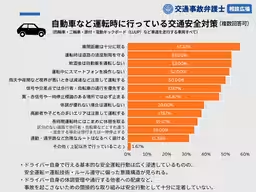
Similar trends were apparent among cyclists and drivers. While basic safety measures, such as maintaining a safe distance between vehicles and refraining from drinking and driving, are widely practiced, the data highlighted a concerning underreporting of proactive measures like taking regular breaks or avoiding busy routes. The difference in safety measures between the age groups for drivers was particularly striking: while the practice of maintaining safe distances was about 40% among younger drivers, it escalated to between 60-70% among drivers aged 60 and above.
Impact of Licensing on Safety Perceptions
Further analysis revealed that the possession of a driving license significantly influences traffic safety behaviors. Licensed participants stressed adherence to traffic laws, while non-license holders relied more on their personal experiences and judgments about safe practices. This disparity underscores the importance of educating non-license holders about traffic rules and accident prevention measures.
The Need for Continued Education and Awareness
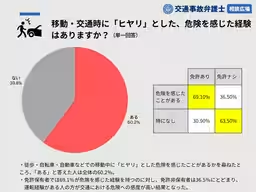
An alarming 60% of respondents admitted to experiencing dangerous situations while traveling, with 70% of licensed drivers having felt this way at some point. In contrast, only 36% of non-license holders reported similar experiences, indicating that those with a license are generally more aware of potential dangers on the road.
Conclusion
This survey underscores a common trend: as age increases, individuals tend to adopt more cautious behaviors when it comes to traffic safety. However, younger respondents exhibited notably lower rates of safety practices, particularly concerning smartphone use, speeding, and maintaining proper distance while driving. Furthermore, the significant differences in safety consciousness based on the possession of a driver's license emphasize that increased awareness and education regarding traffic rules are crucial for all road users.
In an era where alternative transportation methods such as electric scooters are becoming more common, fostering a shared responsibility for the safety of oneself and others on the road is imperative. Enhancing traffic safety education and promoting a culture of mutual respect among all road users will be critical in reducing accidents and improving safety outcomes for everyone.
For more detailed information about this survey, including insights specific to cyclists, please visit the Agoora website.
About Agoora
Agoora operates a portal for legal consultations regarding traffic accidents, offering victims access to essential information and potential legal representation tailored to their unique circumstances. Their focus on matching victims with the right legal expertise ensures that users receive the most effective support for their claims and concerns.

Topics Policy & Public Interest)
【About Using Articles】
You can freely use the title and article content by linking to the page where the article is posted.
※ Images cannot be used.
【About Links】
Links are free to use.