



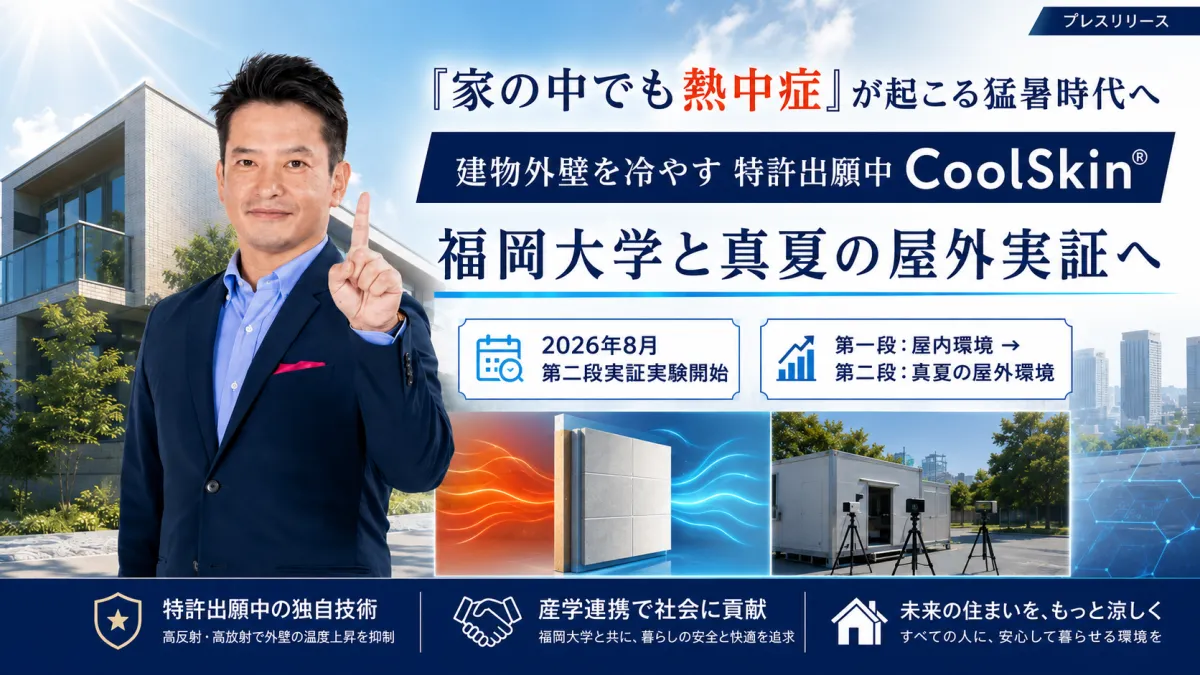
The Innovative CoolSkin® Technology Aims to Combat Heat Stroke at Home in Japan's Summer
Introduction to CoolSkin® Technology
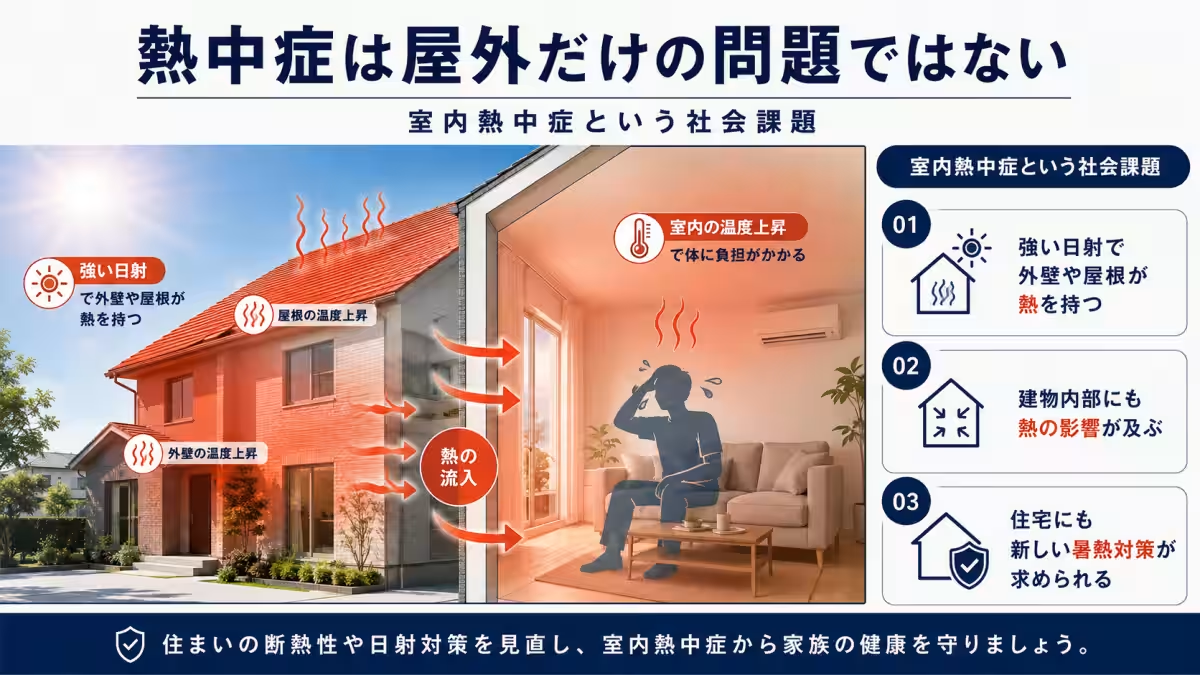
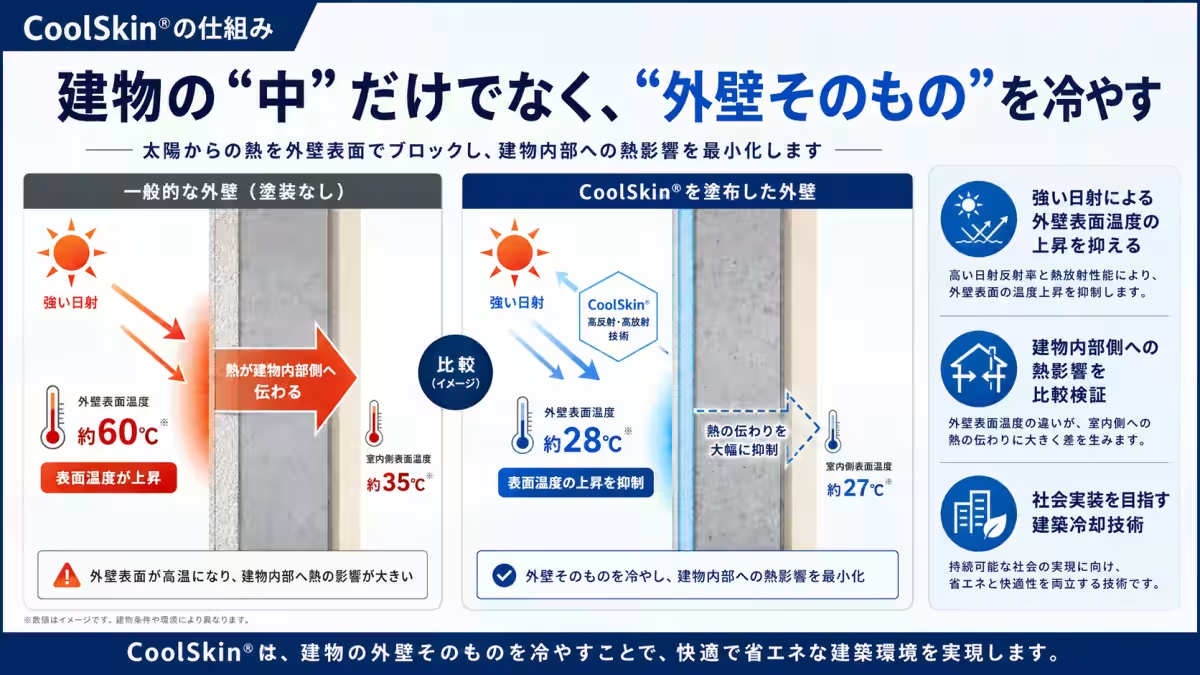
As Japan faces increasingly hotter summers, ensuring the safety and comfort of residents has become paramount. One innovative solution is the CoolSkin® technology being developed by Seiko Estate & Development in collaboration with Fukuoka University’s Associate Professor Masayuki Tsukakoshi. This new approach focuses on cooling building exteriors, thus tackling heat-related illnesses not just outdoors but also within homes.
Understanding the Need for Research
With heat stroke cases on the rise, as evidenced by the 7,611 emergency transports due to heat stroke reported in a single week from August 3 to 9, 2026, it’s clear the summer has become a serious concern for residential buildings. The Japanese Ministry of Health has recognized that heat-related illnesses can occur indoors, leading to fatalities when no precautions are taken. CoolSkin® is not intended to replace existing measures like air conditioning or hydration; rather, it aims to provide a supplemental solution by cooling the external surfaces of buildings directly.
CoolSkin®: A New Approach to Building Design
The CoolSkin® system utilizes evaporative cooling principles, which involve using water’s natural ability to absorb heat during evaporation, to mitigate the increase in surface temperature of building exteriors. Unlike traditional methods that concentrate on internal cooling and insulation, CoolSkin® investigates ways to prevent overheating from the outside of the building itself. This innovative approach allows for a dual strategy in combating heat stress in residential spaces.
Phased Testing of CoolSkin®
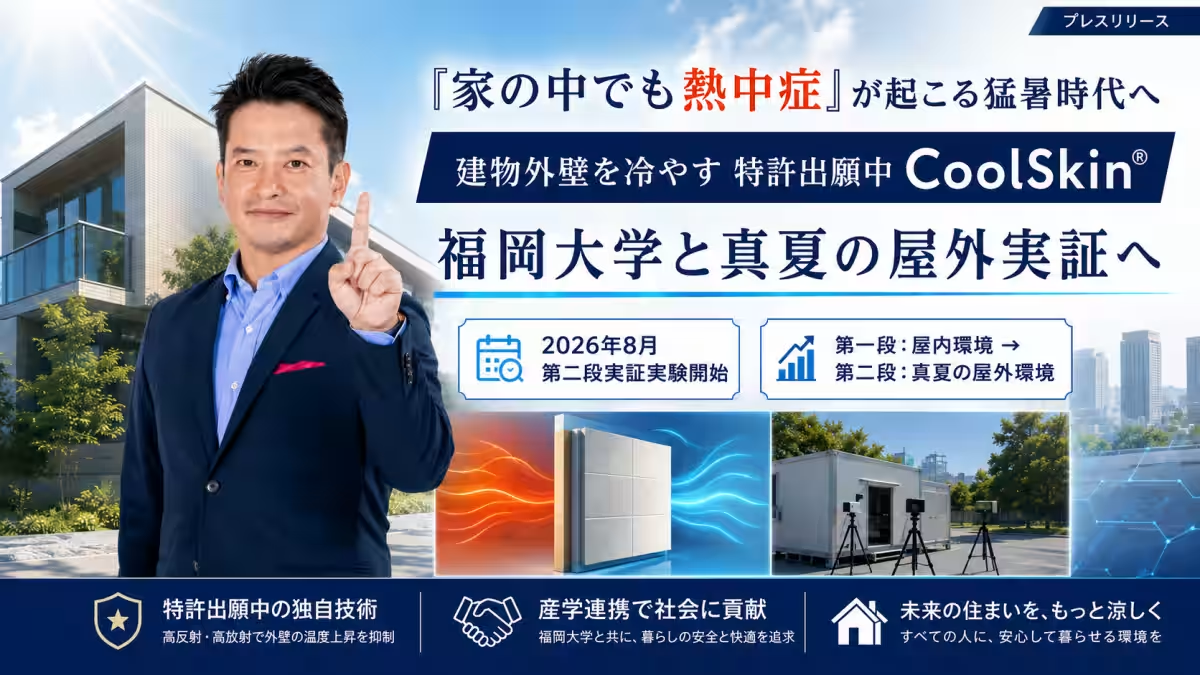
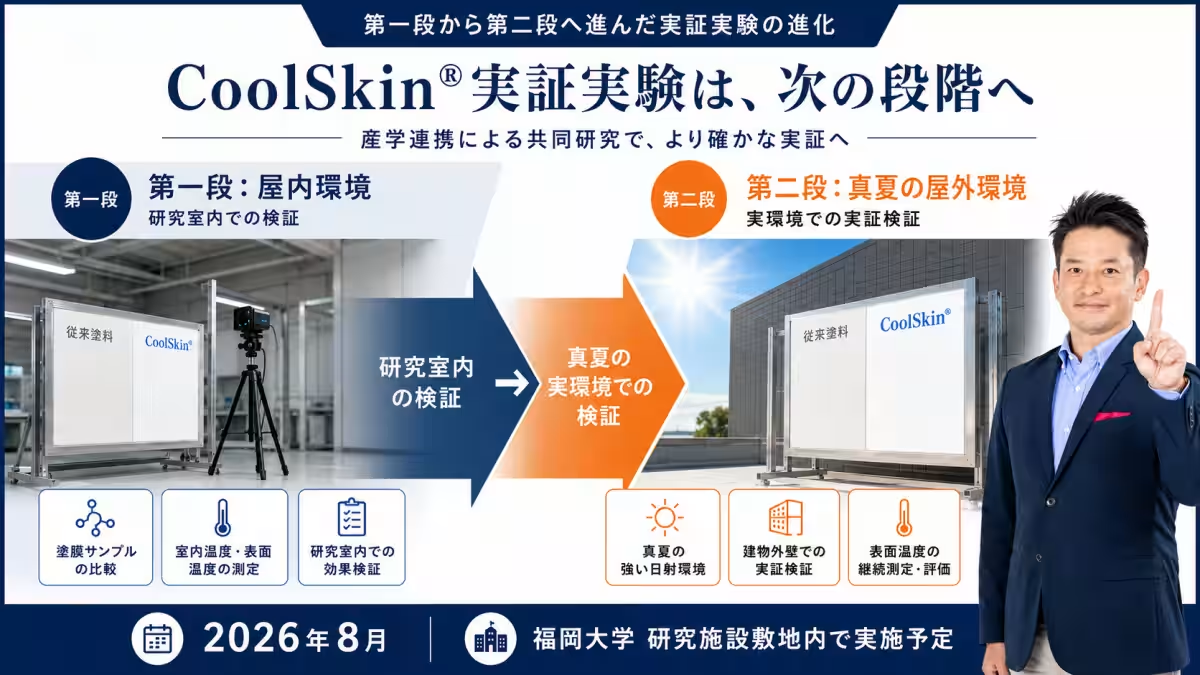
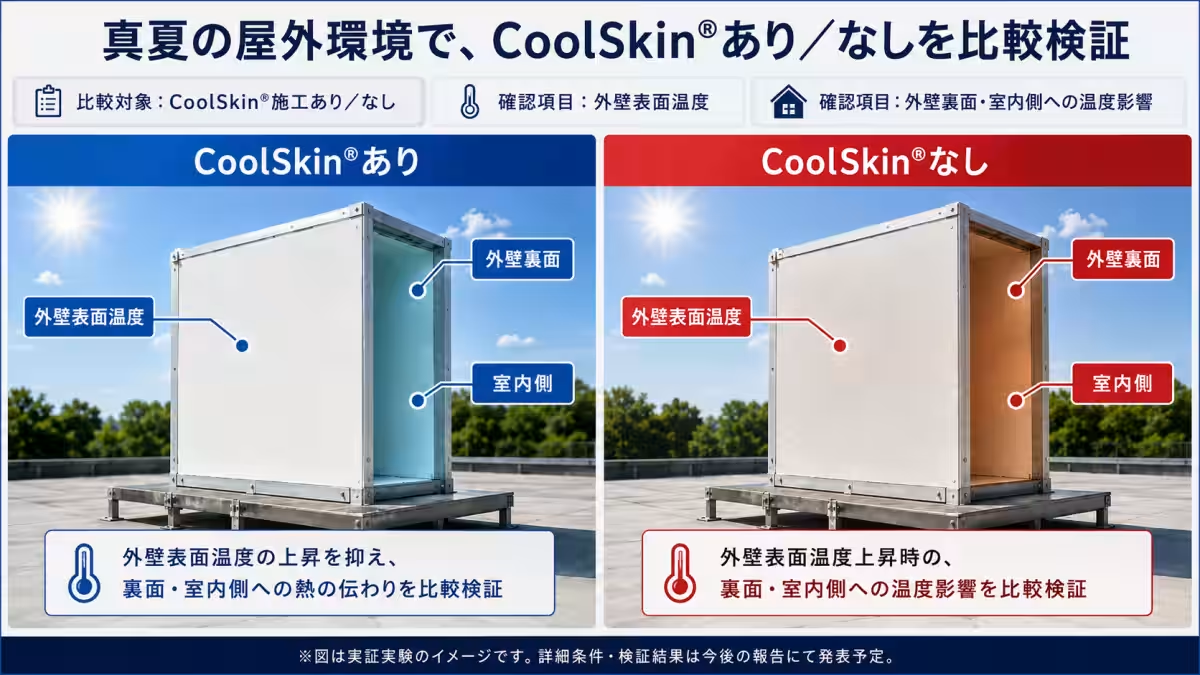
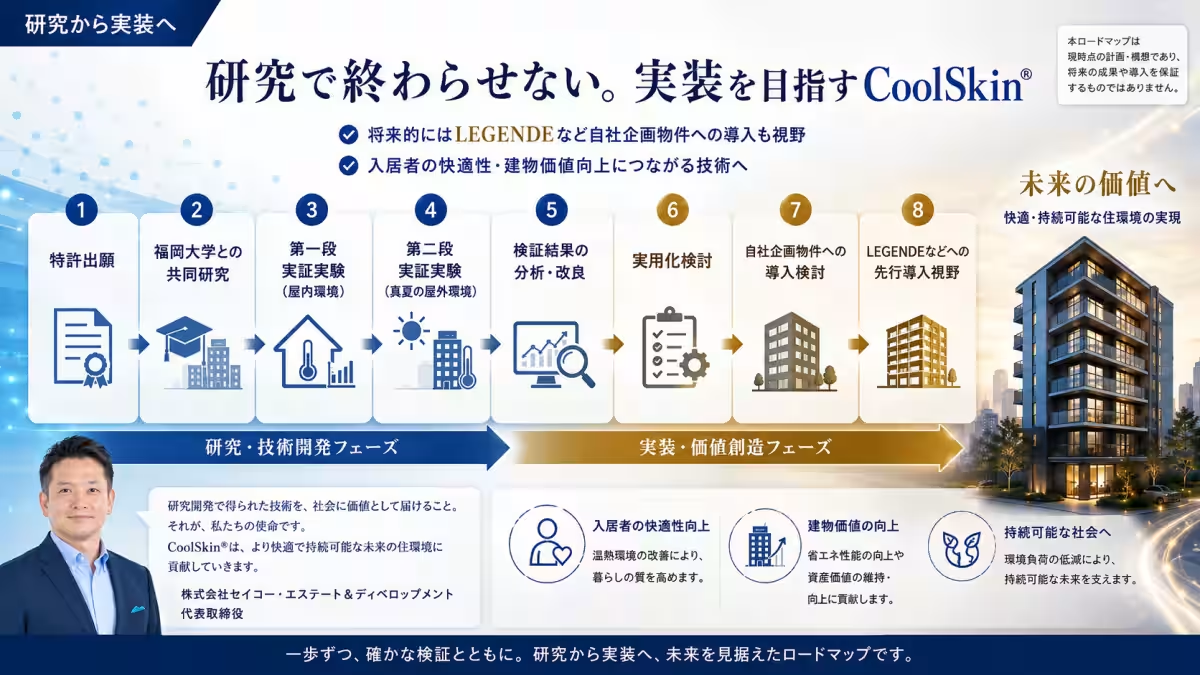
The research on CoolSkin® is being conducted in phases. The initial phase focused on testing the technology in controlled indoor environments, proving its potential effectiveness. Moving forward, the second phase, scheduled for late August 2026, will shift to an outdoor environment to evaluate the technology under real summer conditions. The comparison will be made between test structures with and without the CoolSkin® application, examining metrics such as exterior surface temperatures and internal climatic impacts.
Details of the Second Phase Experiment
- - Testing Date: Late August 2026
- - Location: Fukuoka University’s research facility
- - Comparison: Buildings treated with CoolSkin® vs. untreated structures
- - Key Metrics: Changes in exterior surface temperature and effects on interior temperatures
After collecting data, results will be compiled and shared as a report on the second phase testing, highlighting any temperature differences observed. This empirical evidence will be crucial for evaluating the practical applications of CoolSkin® technology.
Bridging Research and Industry
Seiko Estate & Development not only aims to patent this groundbreaking technology but also emphasizes the importance of collaborative research with Fukuoka University. As they progress through performance validation and experimental phases, the goal is to integrate these findings into new building practices, particularly designs that are resilient to Japan’s increasingly severe summers.
Future Implications and Goals
Real estate companies increasingly recognize their responsibility extends beyond merely constructing buildings; they must consider the long-term implications for residents and the environment. Ten, twenty years down the line, the need for houses that can withstand extreme heat will be crucial. The goal is to promote energy-efficient solutions that can withstand future environmental challenges, thereby contributing to the long-term value of real estate investments.
Conclusion
The ongoing development of CoolSkin® embodies a significant shift in how the construction industry addresses climate impacts. By cooling building exteriors rather than solely managing interior conditions, this innovative technology could redefine how residential structures cope with extreme temperatures, promoting healthier living environments. As Seiko Estate & Development continues to navigate this research journey, the potential implications for the future of housing in Japan and beyond are considerable. By firmly situating itself at the intersection of construction, research, and responsible investment, the company aligns itself with the future demands of urban living.
Seiko Estate & Development is committed to pushing the boundaries of construction technology, providing safer and more sustainable living spaces while addressing heat-related health risks as summers become increasingly unforgiving in Japan.


Topics Consumer Technology)
【About Using Articles】
You can freely use the title and article content by linking to the page where the article is posted.
※ Images cannot be used.
【About Links】
Links are free to use.