



Electricity Costs Rising: Most Households Feel the Burden as New Plans Confuse Many
Understanding Household Electricity Challenges in Japan
A study conducted by Kokusai Kogyo Co., Ltd. sheds light on the rising electricity costs faced by Japanese households. With a focus on average monthly bills exceeding 20,000 yen, this report highlights the perceptions and actions of 107 respondents who are actively aware of their electricity contracts and payments. This unique survey, conducted from August 4 to August 5, 2025, illustrates crucial insights regarding market-linked electricity pricing plans and the factors influencing their adoption.
Rising Electricity Costs: A Heavy Burden
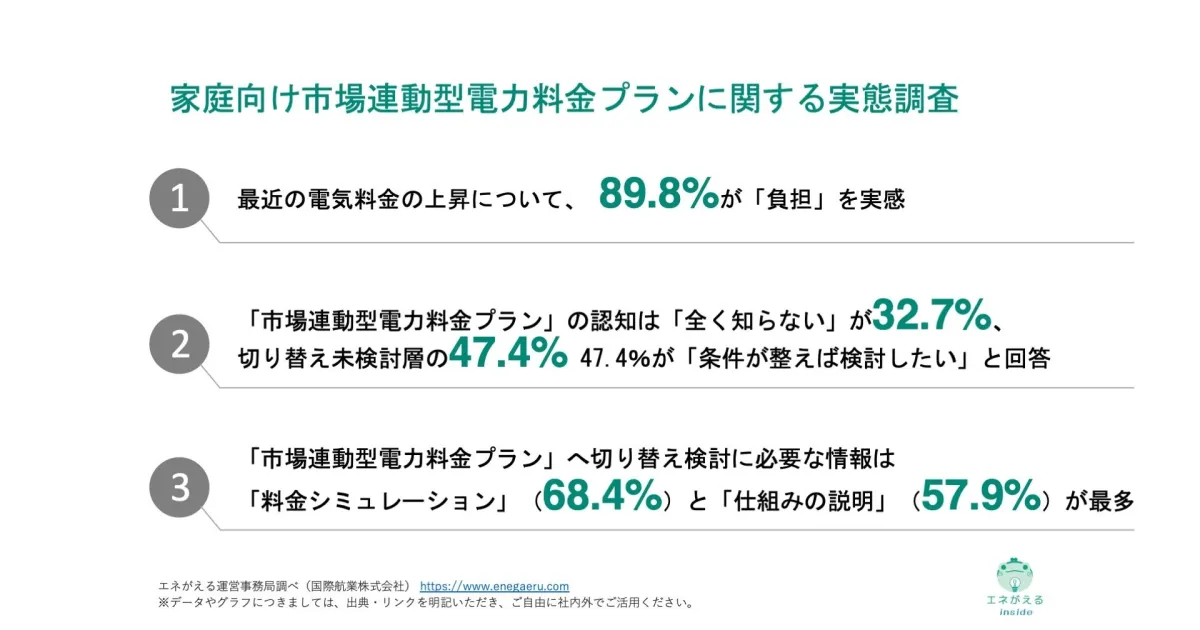
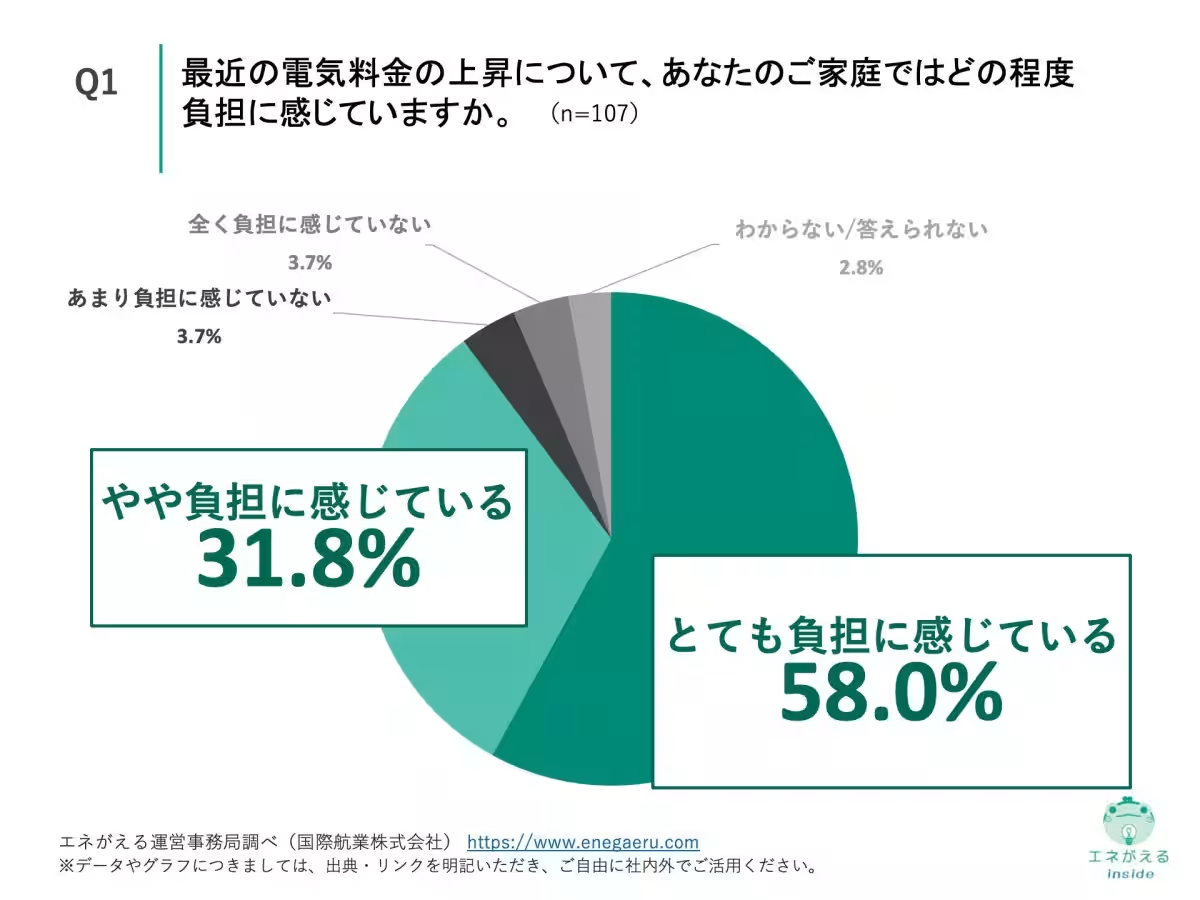
A staggering 89.8% of respondents expressed feeling the strain of increasing electricity prices. When asked how they perceive the burden of recent price hikes, 58.0% reported they feel a considerable burden, while 31.8% indicated they are somewhat burdened. This sentiment reflects the broader economic climate, where fluctuating energy costs are becoming a significant concern for many households.
Energy Conservation Efforts
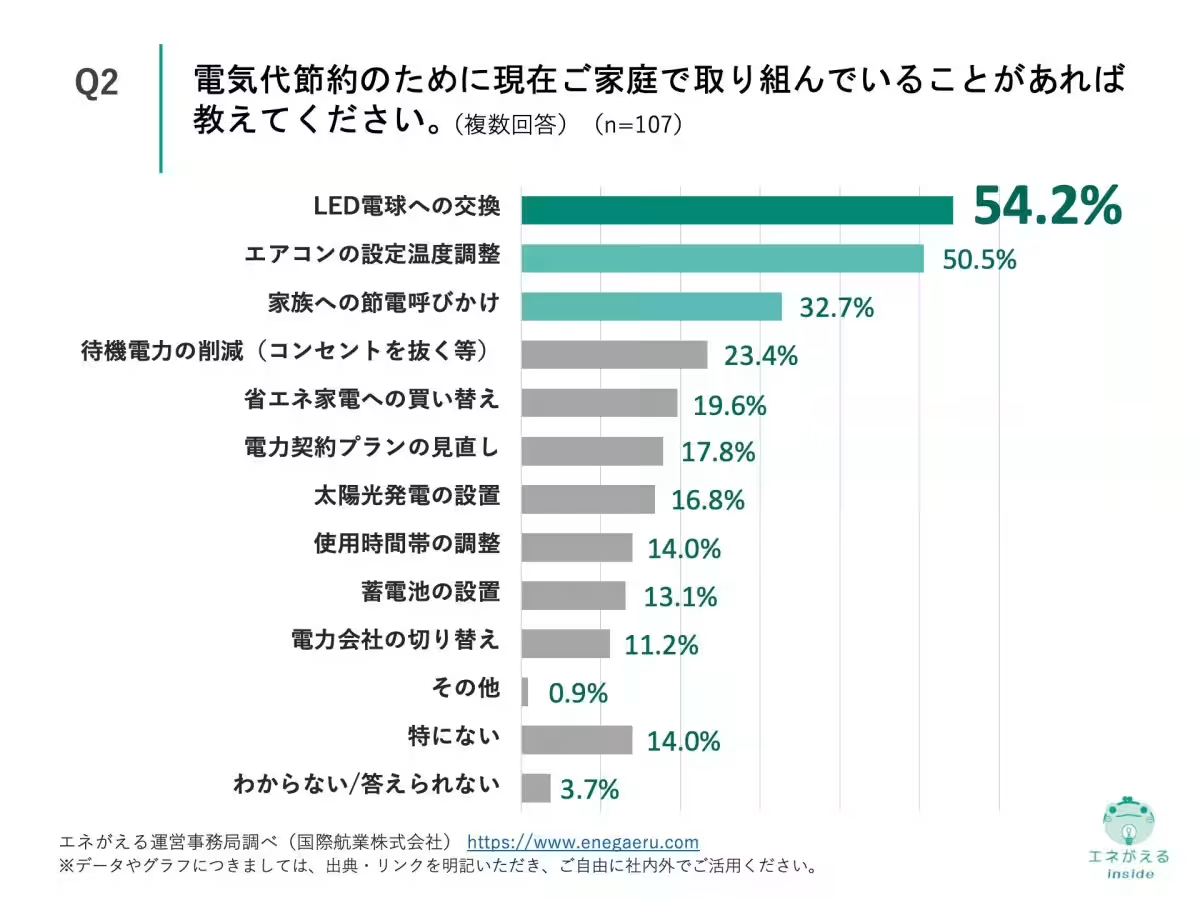
In light of the rising costs, many families are adopting energy-saving measures. According to the survey, 54.2% of respondents have switched to LED bulbs, and 50.5% are adjusting their air conditioner settings to save on costs. The survey also revealed various strategies like reducing standby power consumption and changing to energy-efficient appliances.
Low Awareness of Market-Linked Pricing Plans
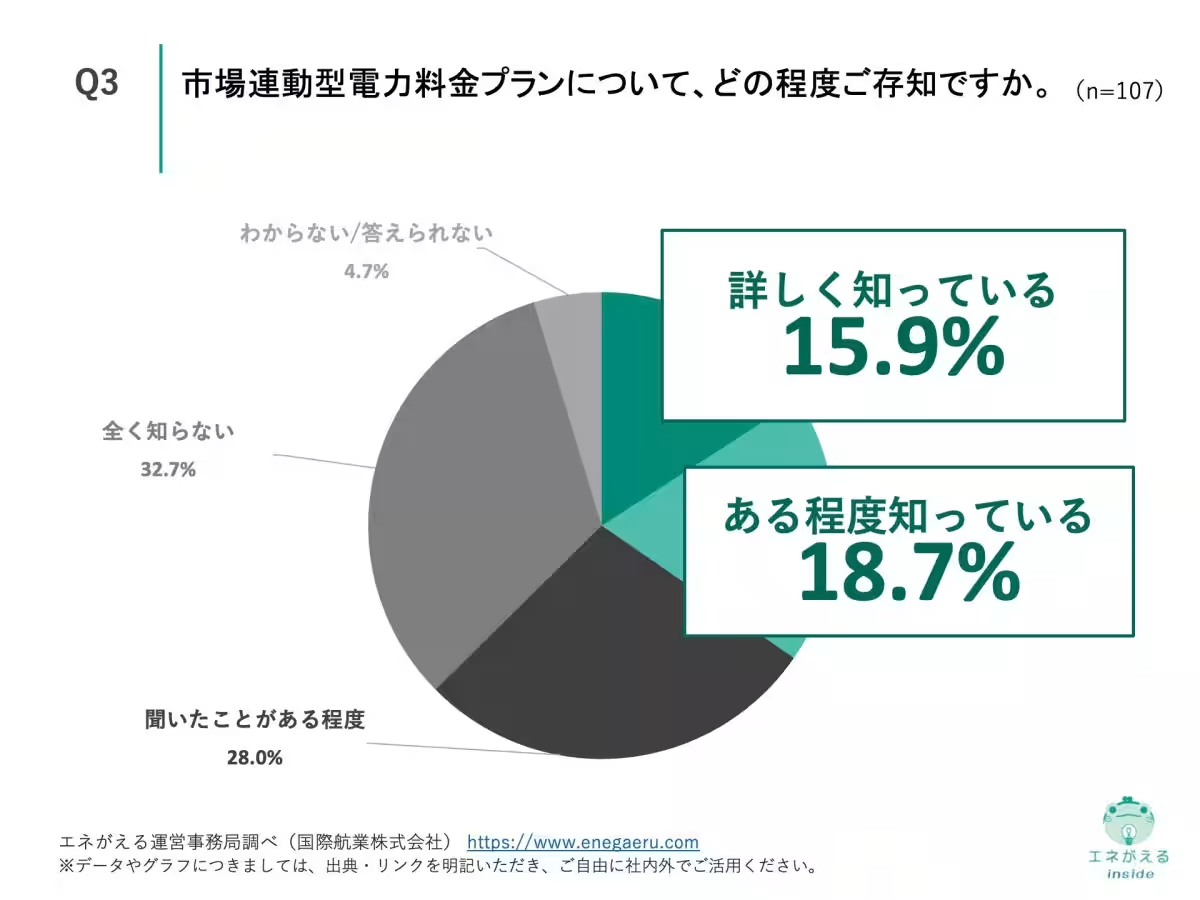
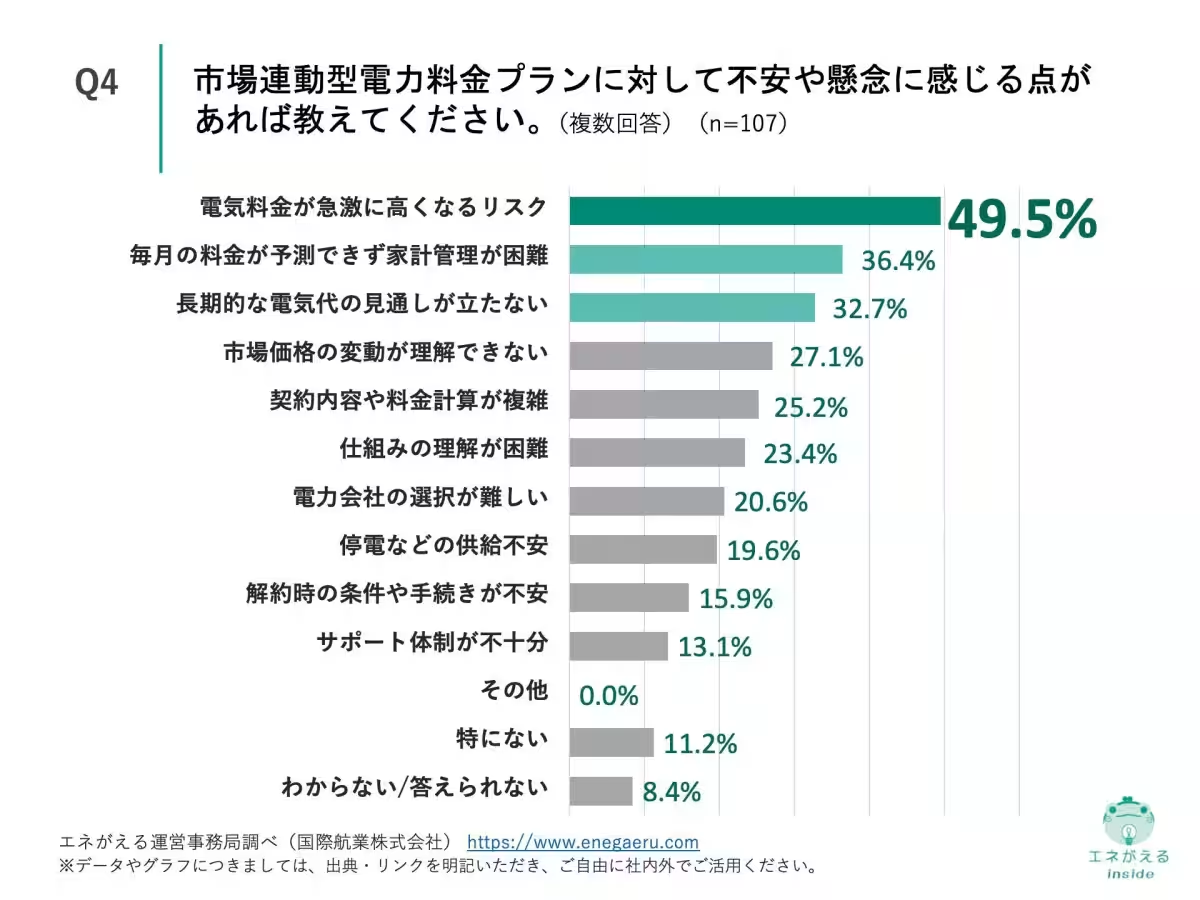
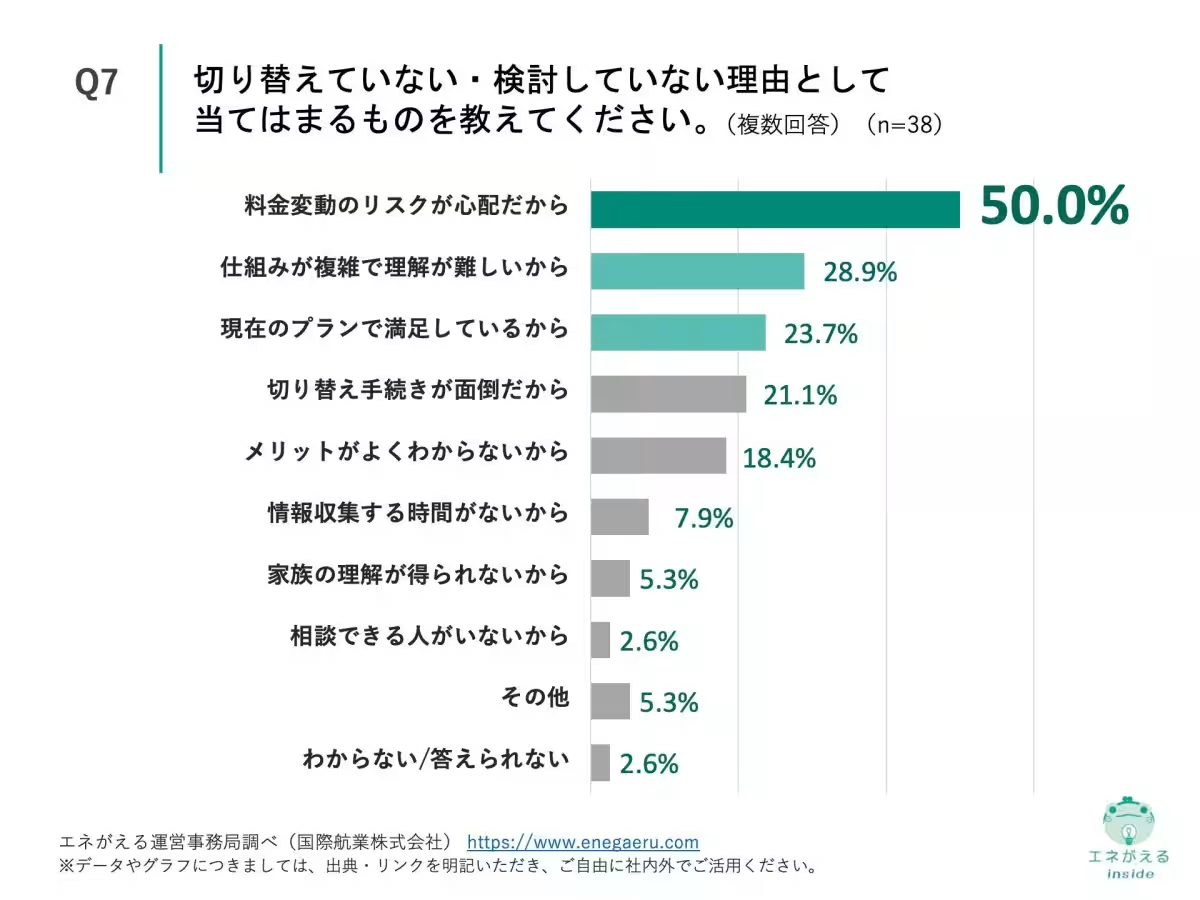
Despite the financial pressures, awareness of market-linked electricity pricing plans is alarmingly low. Over 32.7% of respondents admitted to having no knowledge of these plans. Combining those who know a little, 28.0%, and those well-informed, 15.9%, only 46.0% are somewhat aware of these pricing structures, leaving a significant portion of the population uninformed. This lack of understanding was further highlighted by the 49.5% who expressed concerns about the risk of sudden price increases, which hinder decisions to switch to these plans.
Seeking Clear Information
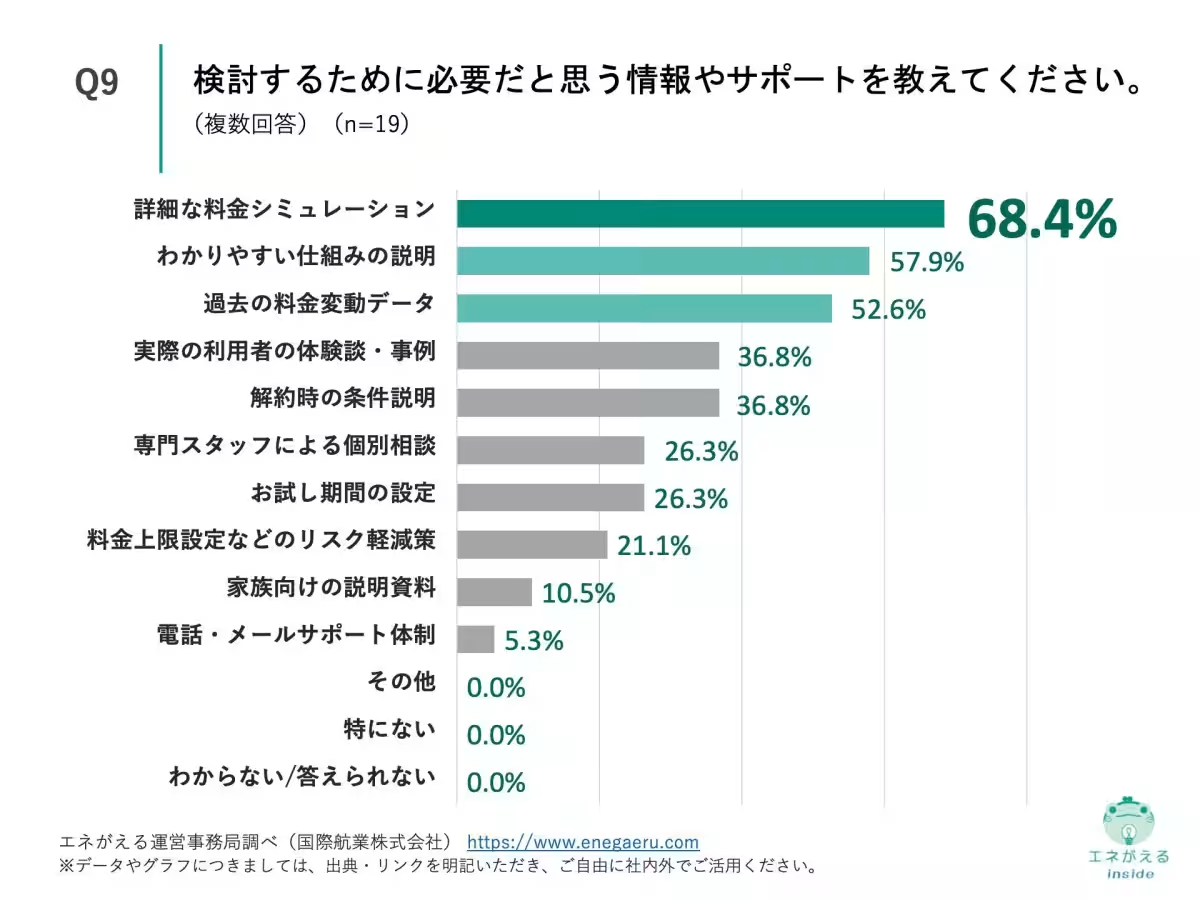
For potential adopters, the survey found that 68.4% of participants feel that detailed price simulations are essential for considering a switch to market-linked plans. This indicates a pressing demand for transparency and clarity in the pricing structure, allowing households to understand potential savings and risks better.
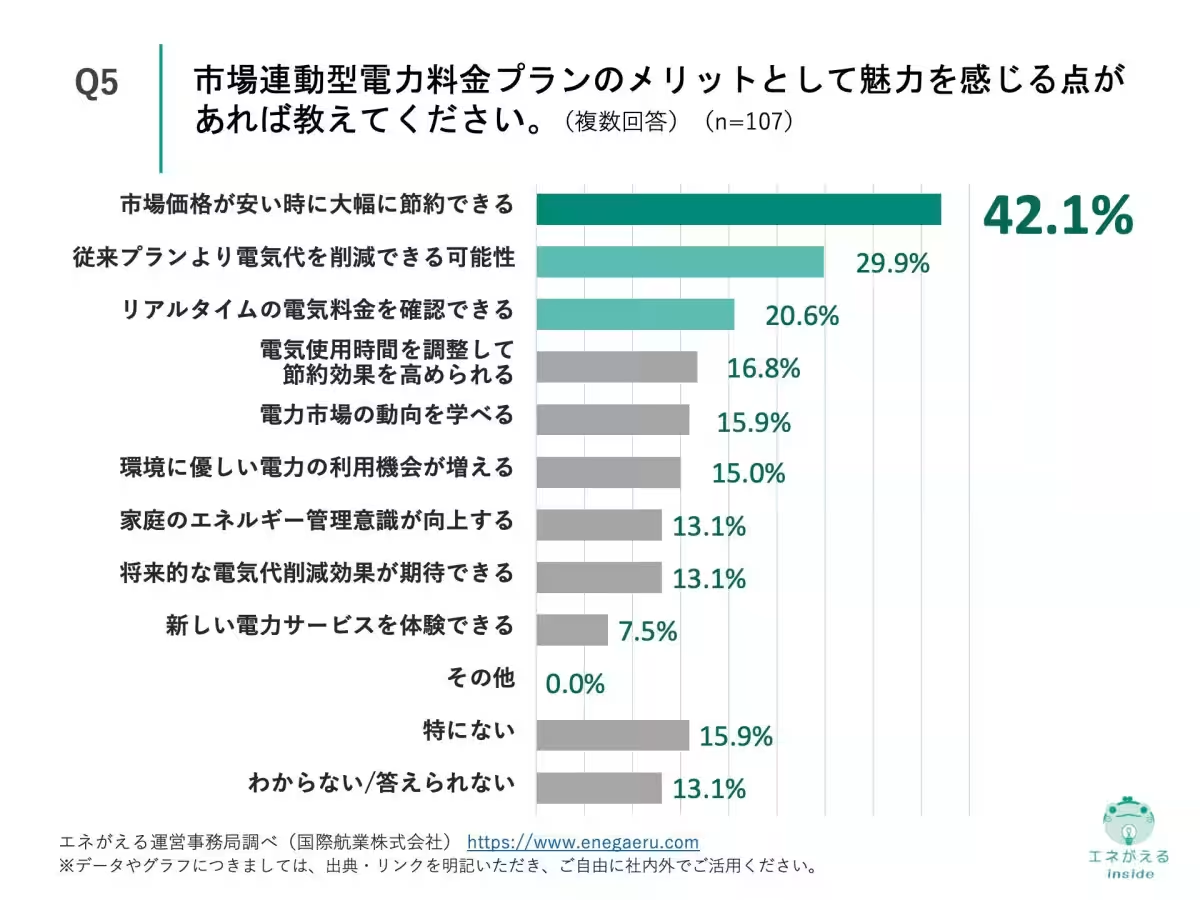
Moreover, 57.9% indicated the need for clear explanations of how these plans work, as complex schemes contribute to distrust and reluctance to switch. Real-time price updates, flexibility in energy usage, and the potential for significant savings during low-demand periods could undoubtedly appeal to families looking to optimize their energy expenditure.
The Drive for Change
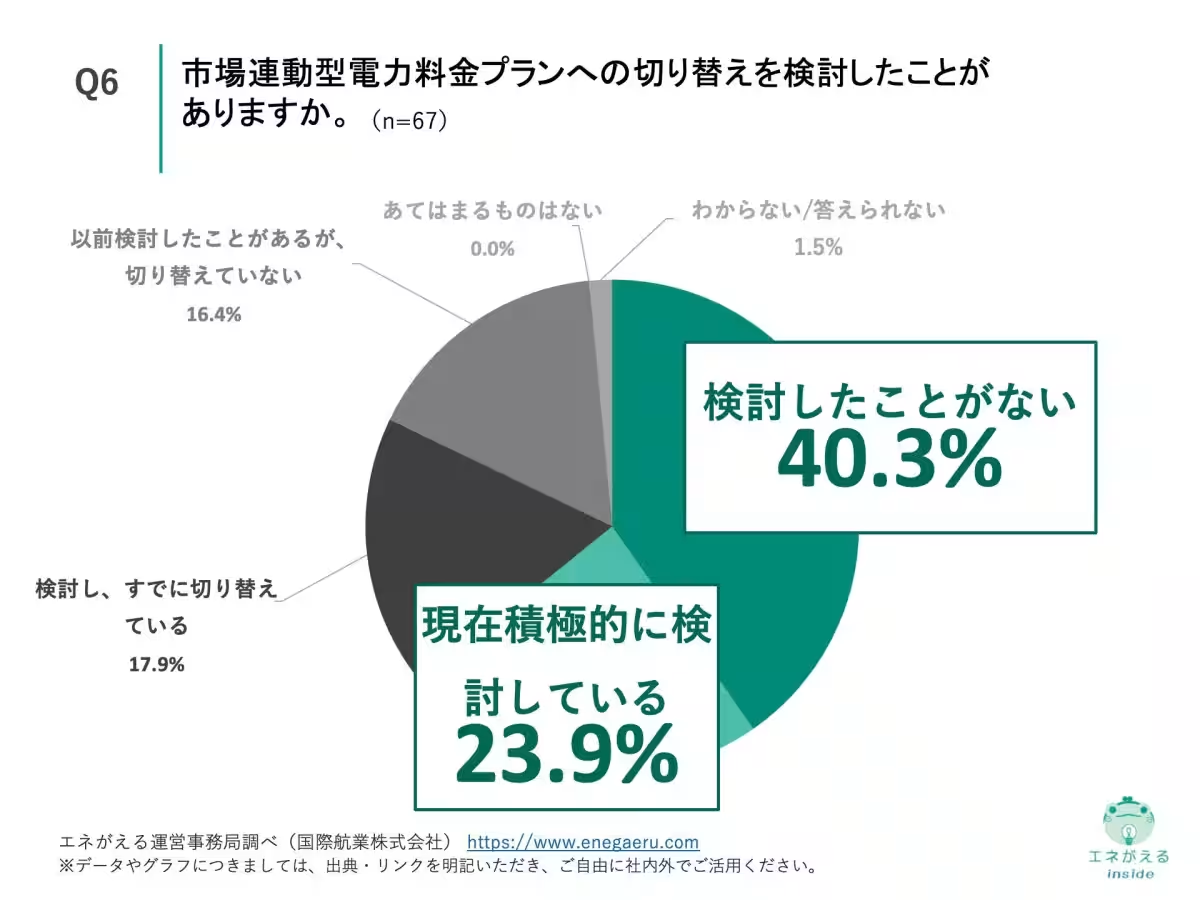
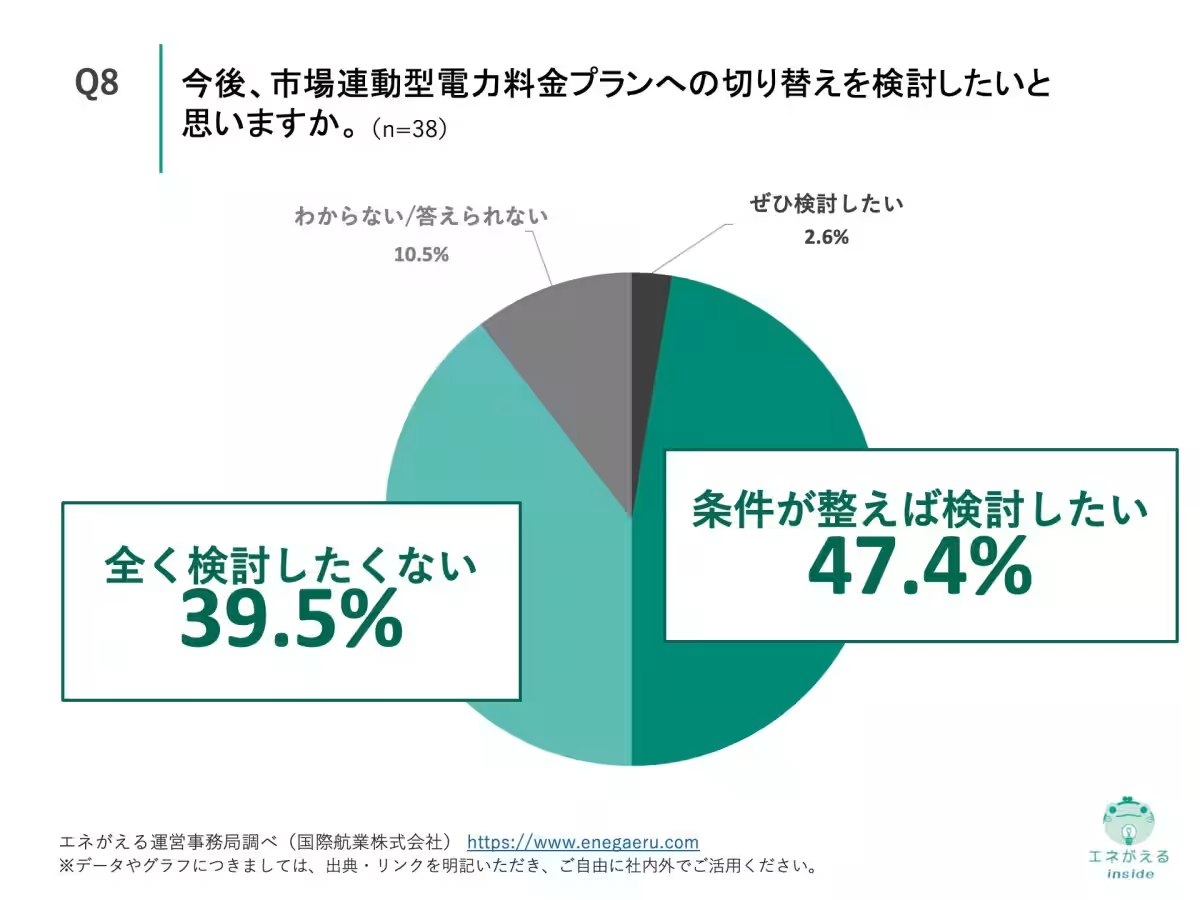
The public's mixed opinions about market-linked plans demonstrate a broader hesitation toward energy market shifts. Among respondents, 40.3% admitted they have never considered switching to a market-linked plan, revealing a gap between interest and actual engagement.
Yet, half of those unfamiliar with the plans expressed a willingness to consider switching if conditions were favorable, indicating a possibility for growth in this area. Essential information and structured support will play a significant role in influencing families to embrace more flexible and potentially cost-saving energy options.
Conclusion
As electricity prices continue to soar, the burden placed on households prompts a quest for new solutions. While many families are already taking steps to save on energy costs through various measures, the introduction of market-linked pricing plans could provide additional relief if they are communicated effectively. The research conducted sheds light on current consumer concerns and desires, presenting a clear case for increased awareness and development of resources that demystify energy pricing. Addressing the complexity and transparency in market-linked billing systems will be pivotal in aligning consumer behavior with innovative energy solutions in the face of rising costs.
The future of energy management lies in effective communication and the empowerment of consumers through knowledge and actionable insights. By refining how energy companies present these options, it is possible to foster an informed community ready to make decisions that benefit their households and contribute to a sustainable energy future.
Topics Consumer Products & Retail)
【About Using Articles】
You can freely use the title and article content by linking to the page where the article is posted.
※ Images cannot be used.
【About Links】
Links are free to use.