



Exploring Vela Diamond's Insights on Lab-Grown Diamonds and Consumer Concerns
Exploring Vela Diamond's Insights on Lab-Grown Diamonds
In recent years, lab-grown diamonds have gained immense popularity, particularly in the jewelry market. Vela Diamond, a notable brand operating under DiAnchor, has taken a significant step by interviewing officials from the International Gemological Institute (IGI) Asia Pacific office to address the growing consumer questions regarding lab-grown diamonds. This interview sheds light on what lab-grown diamonds truly are and the public's misconceptions surrounding them.
The Rise of Lab-Grown Diamonds
Statistics indicate an undeniable trend: in the U.S., 61% of engagement rings now feature lab-grown diamonds as their centerpiece. This shift highlights changing consumer preferences, yet in Japan, reliable information regarding these diamonds is still scarce. Consumers face uncertainty around their comparison with natural diamonds, including concerns about quality assessment and the role of certification.
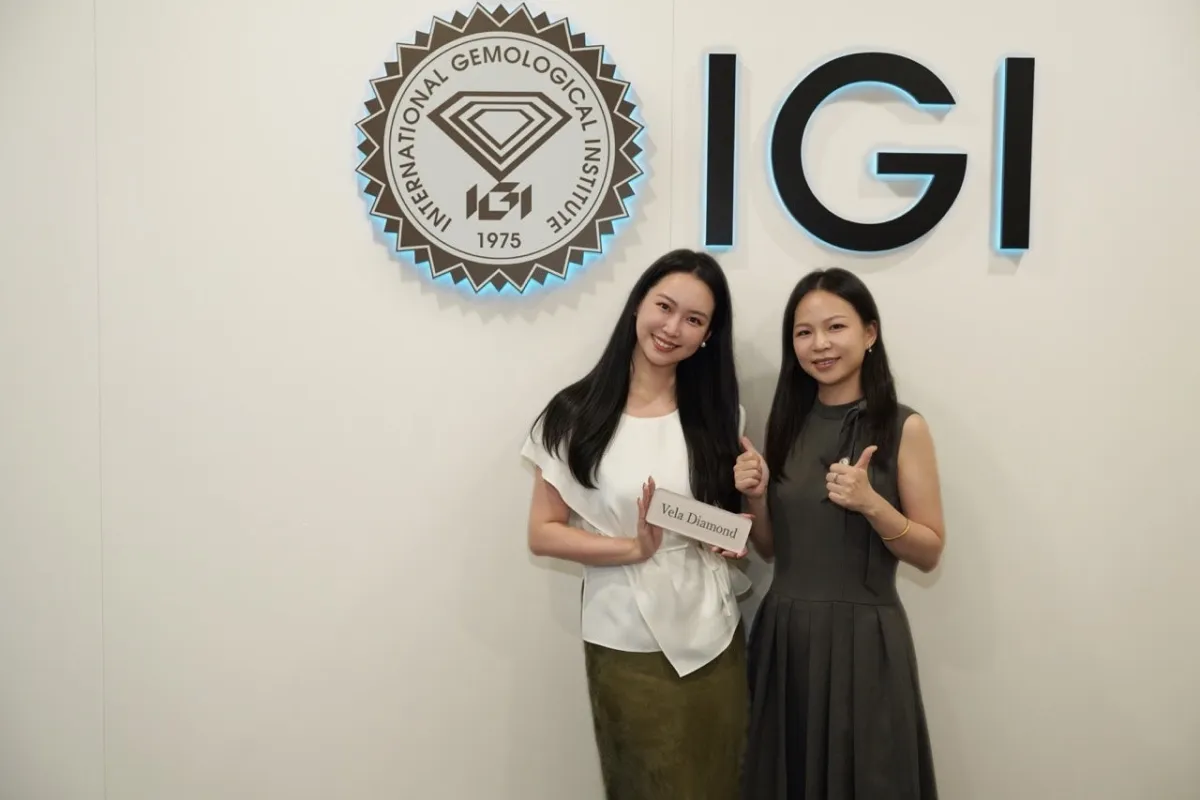
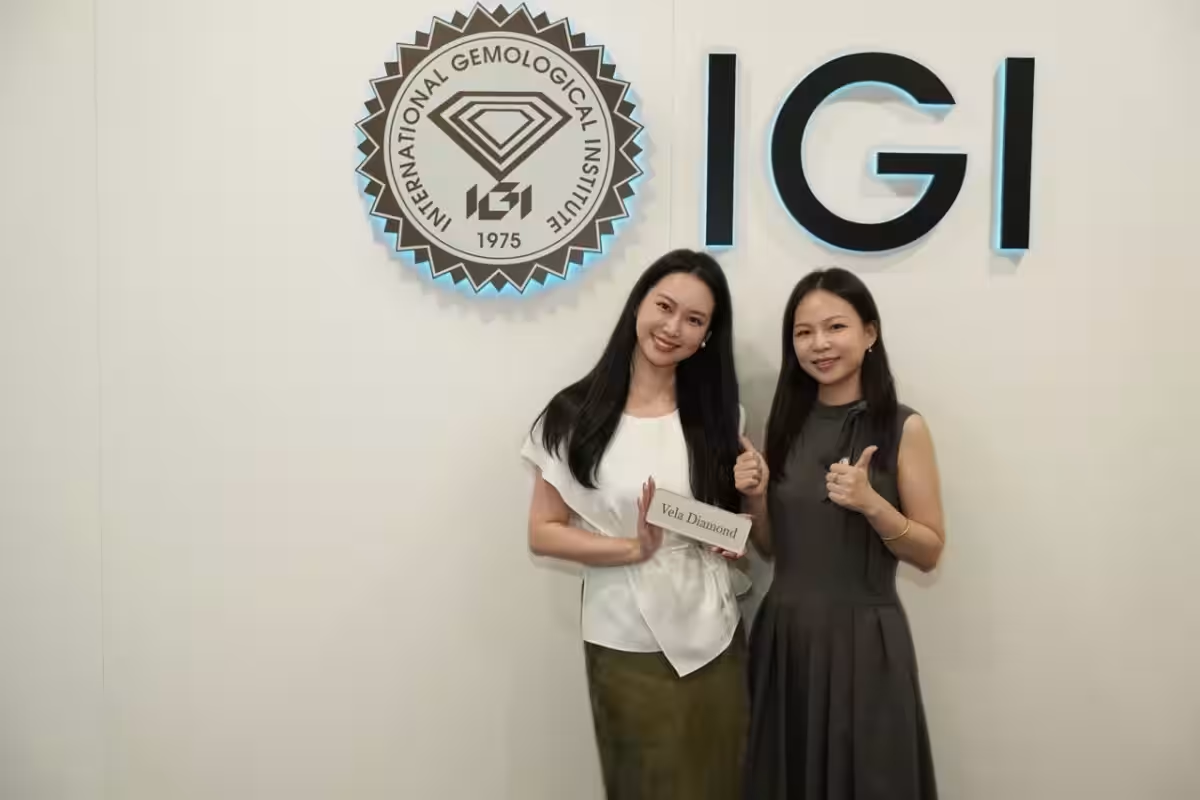
To address these pressing questions, Reika Sakuragi, founder of Vela Diamond and a Diamond Graduate certified by IGI, spoke with Rita Xu, head of the IGI Asia Pacific office, to clarify common misconceptions.
Key Questions Addressed
Are Lab-Grown Diamonds Real?
One of the most prevalent questions revolves around the legitimacy of lab-grown diamonds. Many still wonder, “Are they genuine diamonds?” According to Rita Xu, the answer is a resounding yes. Lab-grown diamonds exhibit identical chemical and physical properties to natural diamonds. The key difference lies in their formation process—natural diamonds take millions of years to develop underground, whereas lab-grown diamonds are cultivated in controlled environments.
How Do Lab-Grown Diamonds Compare to Simulated Stones?
Another common concern is whether lab-grown diamonds are akin to materials like cubic zirconia or moissanite. Xu emphasizes a critical distinction: while these simulated stones can resemble diamonds visually, they possess different chemical compositions. Thus, calling lab-grown diamonds
Topics Consumer Products & Retail)







【About Using Articles】
You can freely use the title and article content by linking to the page where the article is posted.
※ Images cannot be used.
【About Links】
Links are free to use.