



A Deep Dive into the Challenges of In-House AI Development in Enterprises
Exploring the Realities of In-House AI Development
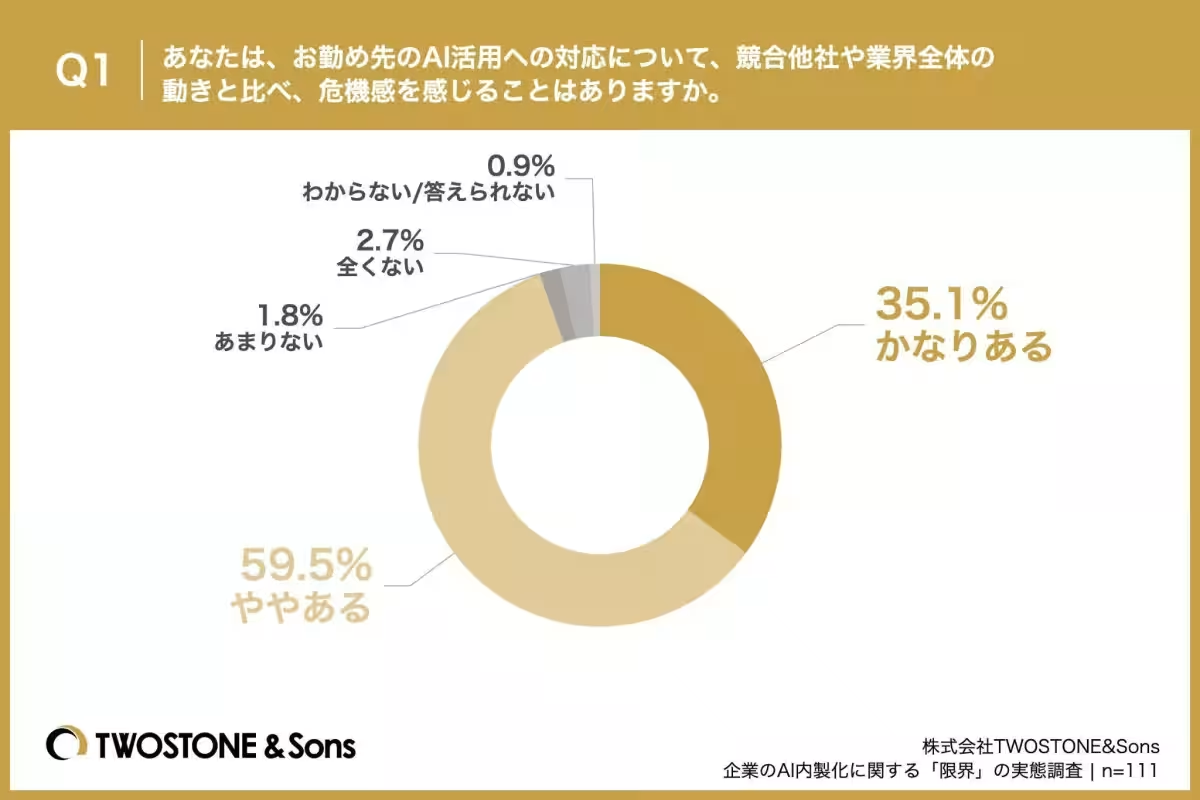
In a recent survey conducted by TWOSTONE&Sons, a Tokyo-based company specializing in AI solutions, it was revealed that an overwhelming 94.6% of AI leaders in large organizations express feelings of urgency regarding their AI initiatives, especially when compared to competitors. The insights were gathered from 111 executives overseeing AI and digital transformation (DX) efforts within companies of over 300 employees.
AI Project Stagnation
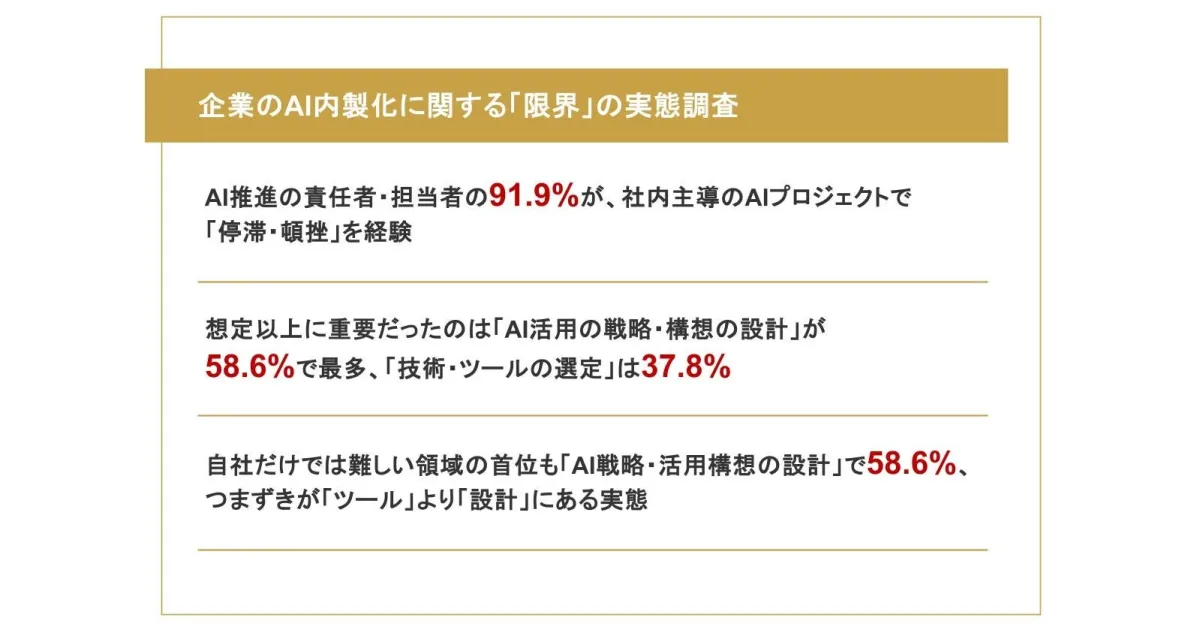
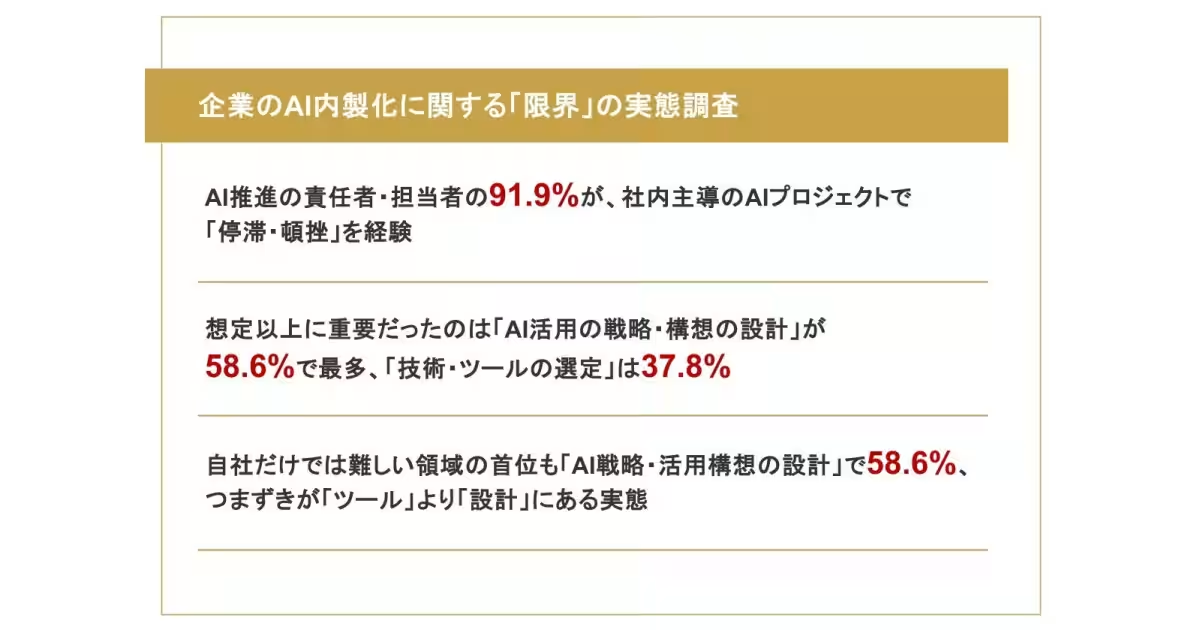
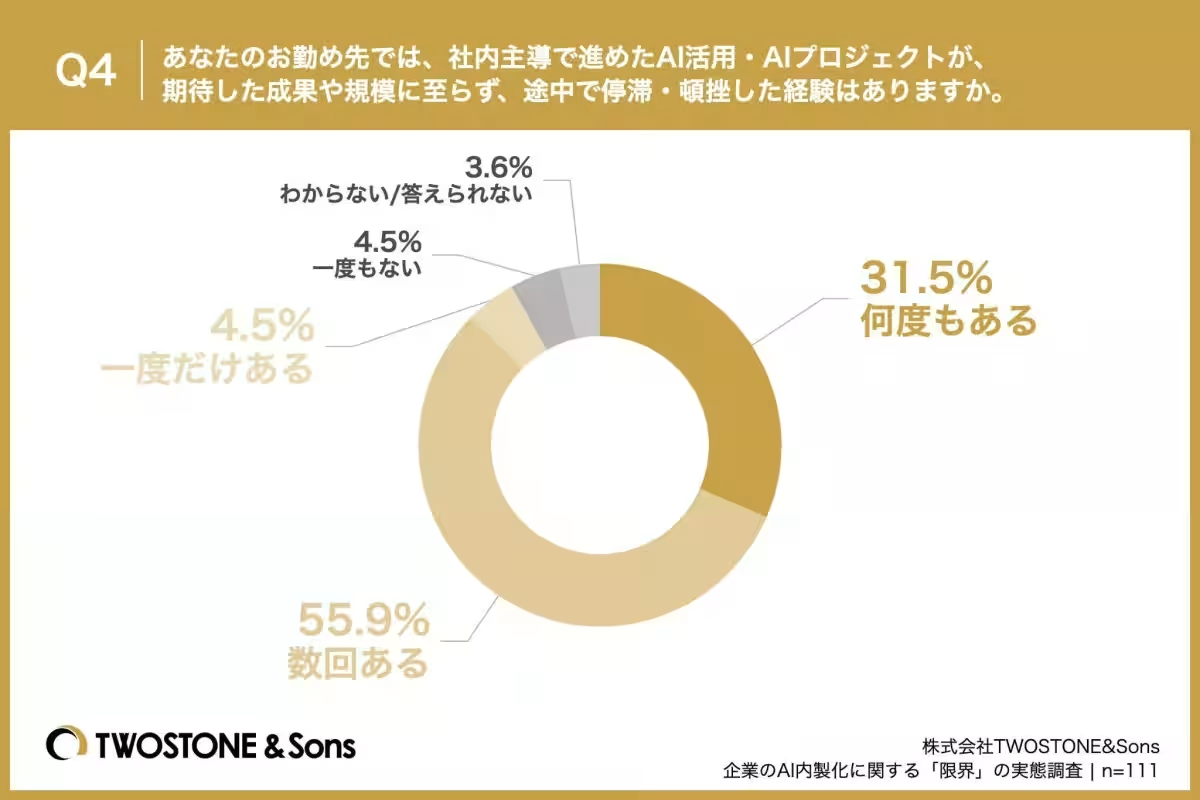
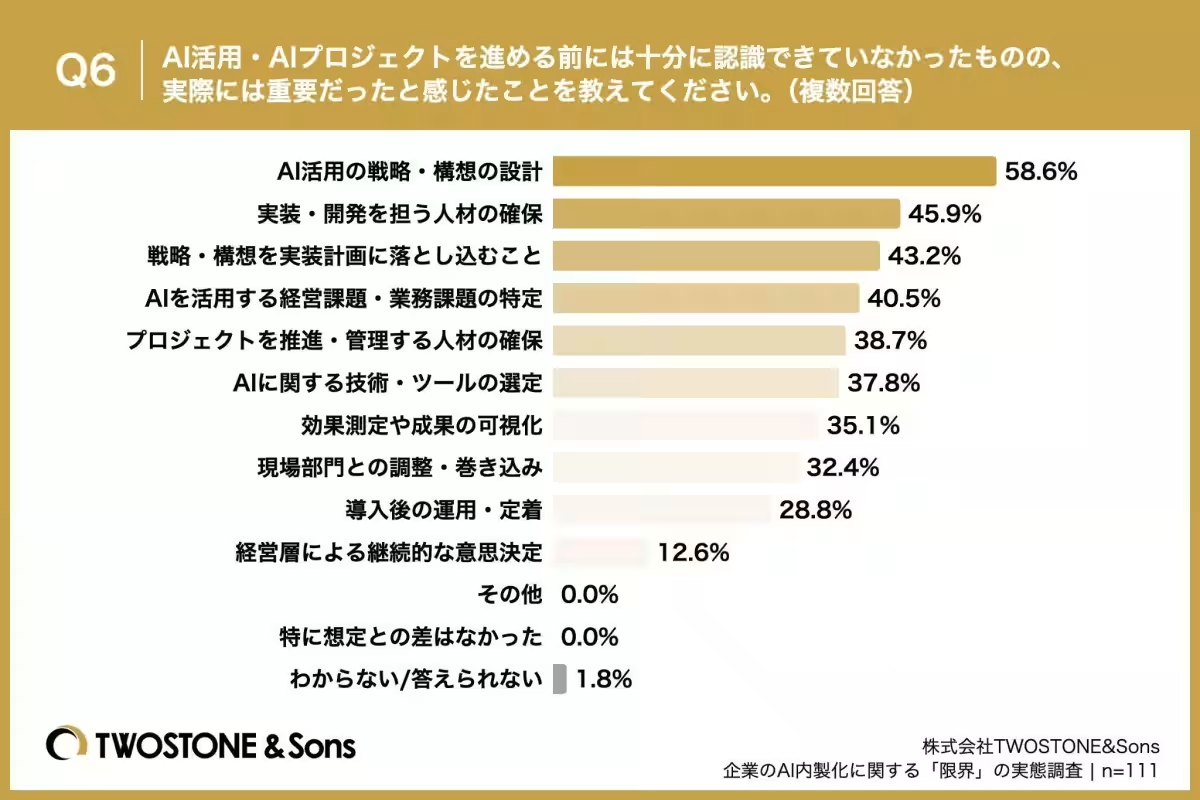
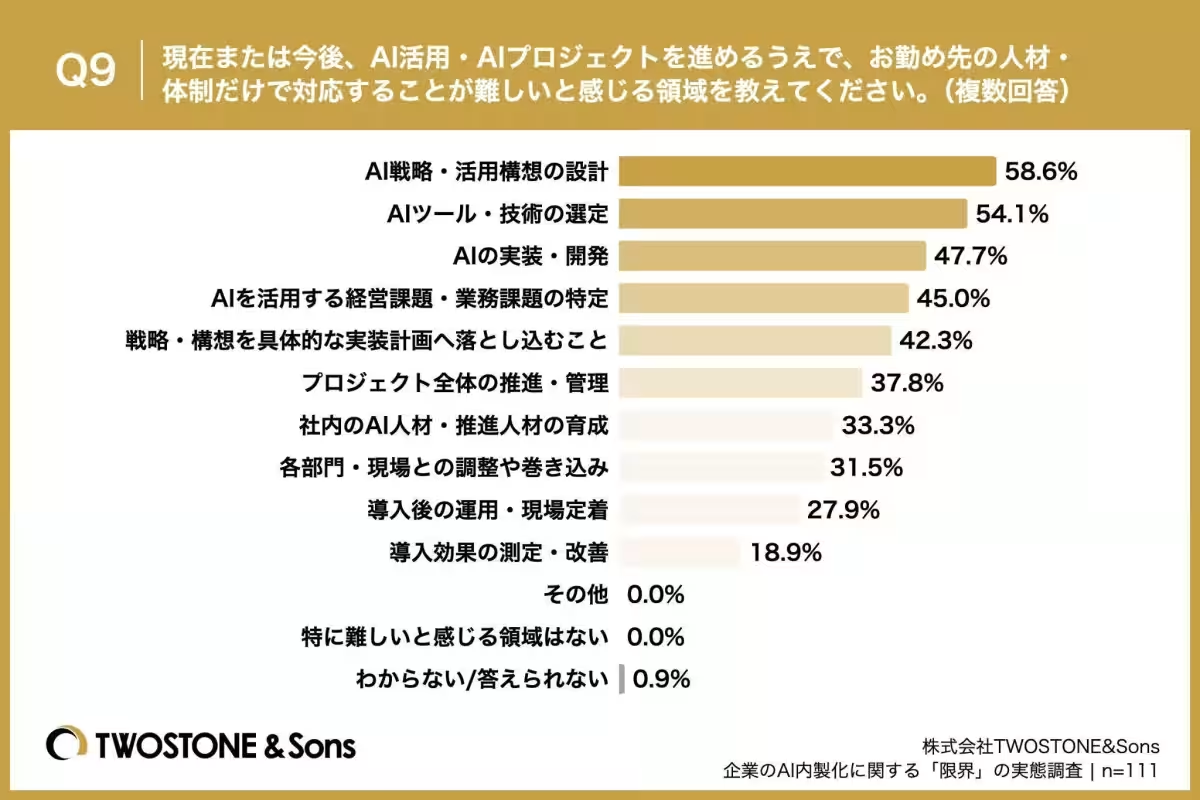
The findings indicate that a significant 91.9% of respondents have faced delays or setbacks in AI projects they initiated internally. This stagnation highlights a critical challenge organizations are grappling with in their quest for seamless AI integration. Notably, the most frequently mentioned bottleneck was the design of AI utilization strategies, with 58.6% of respondents conceding its importance, overshadowing technical implementation and tool selection, which only accounted for 37.8%.
This suggests that companies often struggle more with conceptualizing and strategizing their AI plans than with the practical aspects of technology selection and deployment.
The Need for Strategic Design
As companies strive to expand their AI capabilities, the survey underscored a gap in designing effective AI strategies and utilization plans as a predominant hurdle, emphasized by 58.6% of respondents. This gap is alarming, as it suggests that organizations may be investing in tools and technologies without a comprehensively designed approach in place.
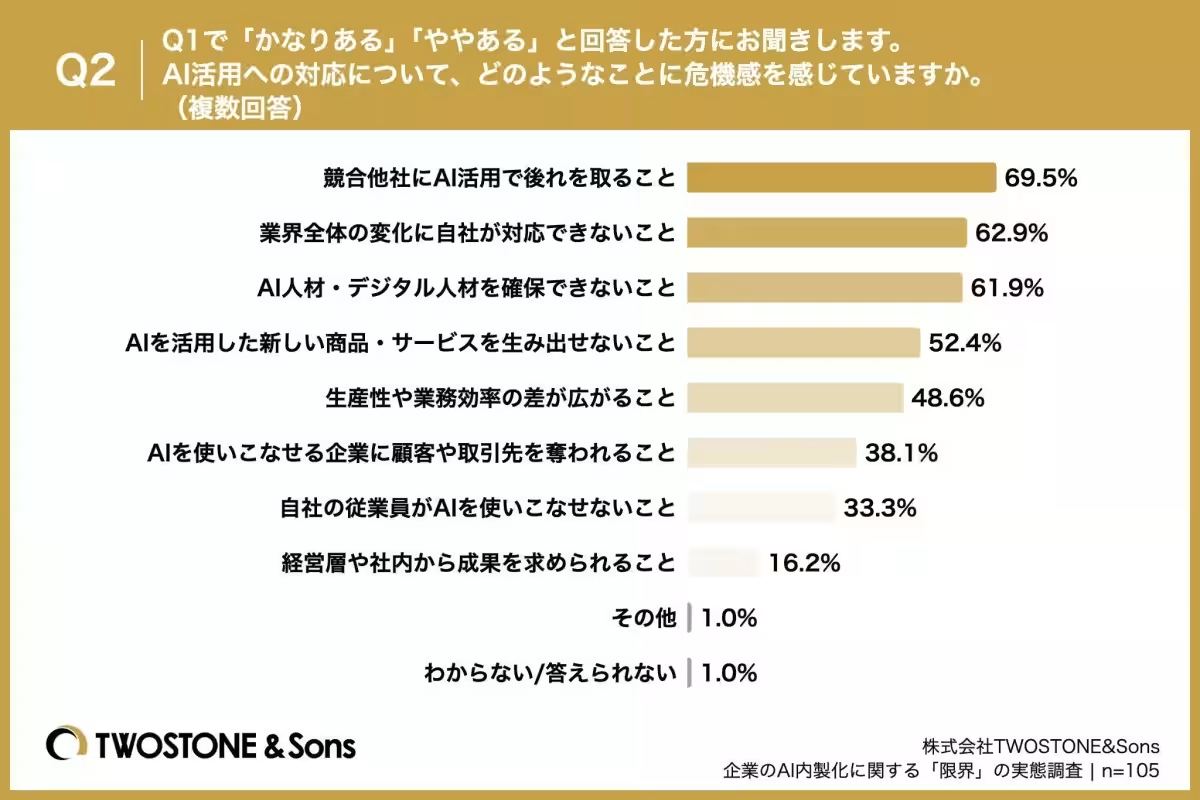
Furthermore, the need for a clear strategy is echoed by 69.5% of respondents who are concerned about lagging behind competitors regarding AI capabilities. 62.9% feel that they might not be able to adapt to broader industry changes and 61.9% fear they are struggling to secure necessary talent in AI and digital realms.
Key Challenges Faced by Organizations
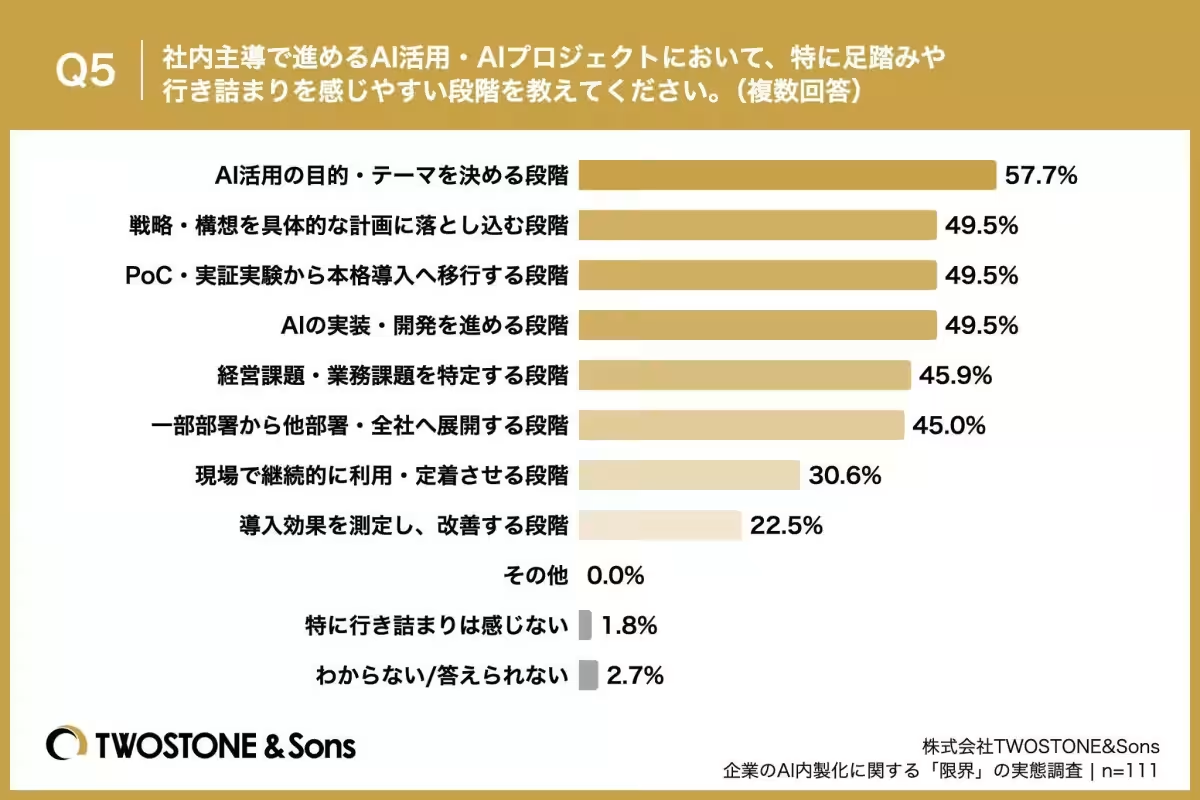
The survey also reflected that a staggering 57.7% of the respondents find the stage of defining the purpose and theme of AI utilization particularly challenging. This insight points to a critical area where many organizations falter, often spending excessive time grappling with foundational concepts rather than advancing to execution.
Interestingly, 58.6% of participants noted that fluctuations in project momentum frequently arise from an inability to connect AI activities with resolving business needs effectively.
Prominent factors contributing to the stagnation of AI initiatives include:
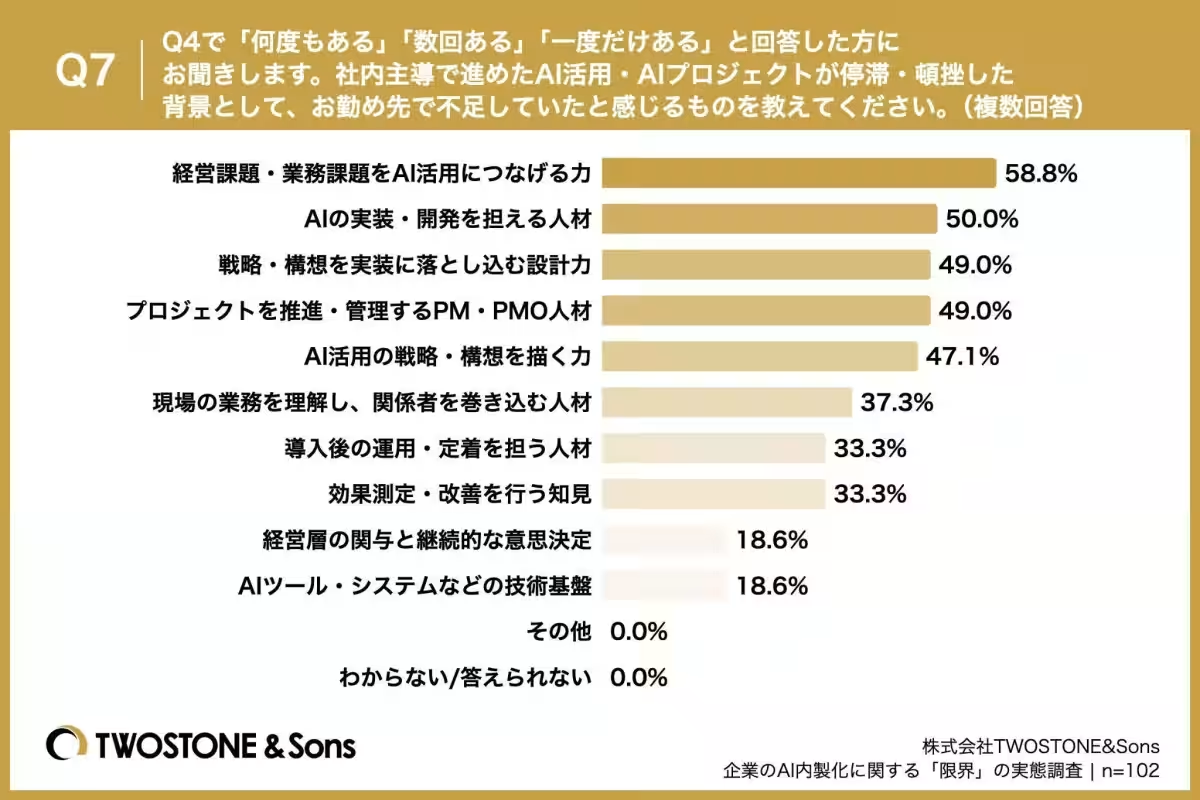
- - Shortages in knowledgeable personnel capable of bridging business challenges with AI solutions (58.8%)
- - Inadequate resources including time and expertise to undertake AI project management effectively
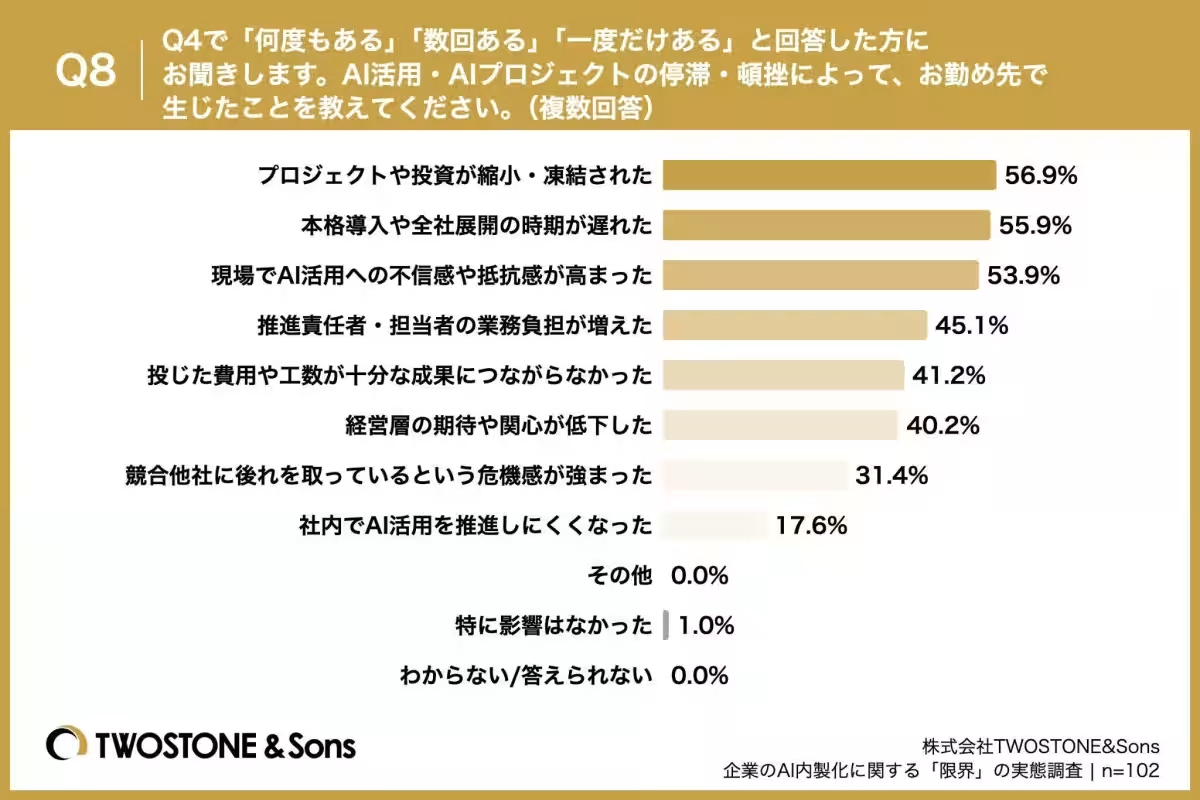
Additionally, 56.9% of those reporting project setbacks mentioned that such occurrences led to a reduction or freezing of investments in AI, further complicating the landscape of AI adoption in their firms.
External Support and Collaboration
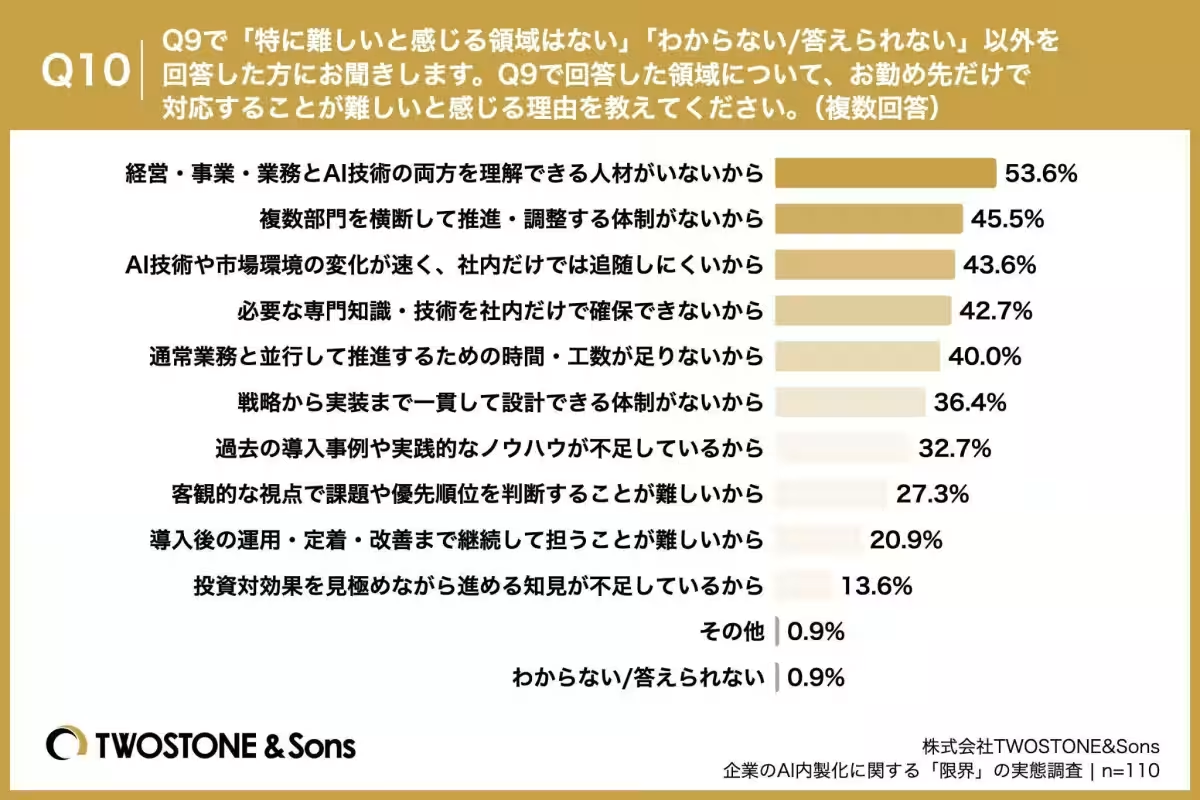
As the results have shown, nearly 60% of organizations find themselves unable to adapt solely relying on internal resources when progressing with AI efforts. This realization urges companies to explore partnerships and capitalizing on external expertise. In fact, 53.6% of respondents indicated the absence of personnel possessing dual expertise in business operations and AI technology as a primary barrier to progress.
To tackle this, organizations must strategize ways to integrate external insights and support into their internal frameworks. Establishing collaborative environments and harnessing resources available outside the company will be key to enhancing AI capabilities and ensuring sustained progress.
Conclusion
The research conducted by TWOSTONE&Sons unveils the multifaceted challenges companies face in their journey toward implementing AI effectively. While the urgency surrounding AI development is palpable, with 94.6% expressing anxiety about competition, the hesitance to adequately plan and strategically design AI projects remains a significant barrier.
As organizations continue on this path, recognizing the importance of strategic planning while leveraging external expertise will be vital. With an eye towards innovation, companies must prioritize creating powerful AI frameworks to remain competitive and fulfill their potential.
For further insights, visit TWOSTONE&Sons
Topics Business Technology)
【About Using Articles】
You can freely use the title and article content by linking to the page where the article is posted.
※ Images cannot be used.
【About Links】
Links are free to use.