



Check Point Research Unveils Significant Cyber Threats in March 2026
Overview of Cyber Threats in March 2026
In March 2026, Check Point Research (CPR) released its global threat intelligence findings, revealing a nuanced landscape of cyber threats. The report indicates that while the overall number of cyber attacks has slightly decreased to an average of 1,995 weekly incidents across global organizations (a small 5% decline from March 2025), this is attributed more to a tactical pause among attackers than a reduction in their capabilities.
CPR's data reveals Japan faced an alarming increase, experiencing an average of 1,723 weekly attacks per organization—marking a staggering 42% rise compared to the same period last year. Despite Japan ranking eighth among APAC countries in total attack volume, this increase rate was the highest in the region, positioning Japan among the countries with the most rapid surge in attacks globally.
Omer Dembinsky, Data Research Manager at CPR, emphasized that while March's findings suggest a period of stability, attackers are merely shifting their strategies to adapt. He warns organizations to brace for an ever-evolving risk environment characterized by advancements in generative AI and persistent ransomware activity. Dembinsky advocates for a systematic approach to threat prevention to achieve the highest possible resilience, highlighting the necessity of implementing AI-driven protections to minimize exposure and enhance governance before threats can spread.
Sector-Specific Attacks
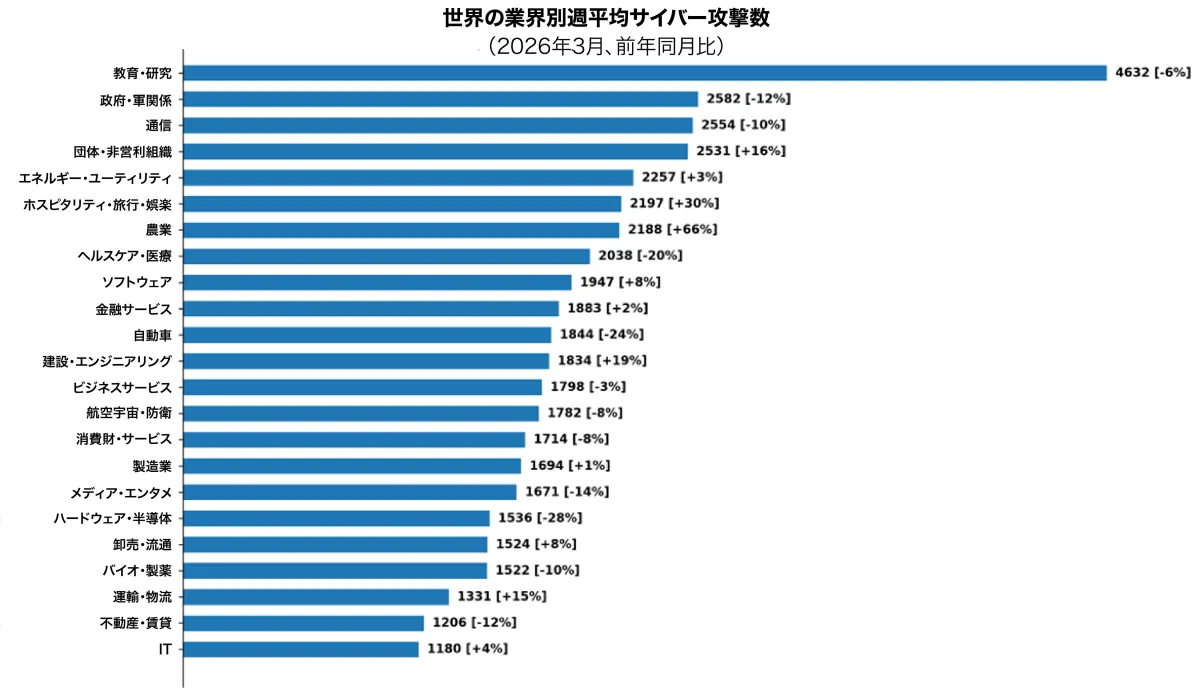
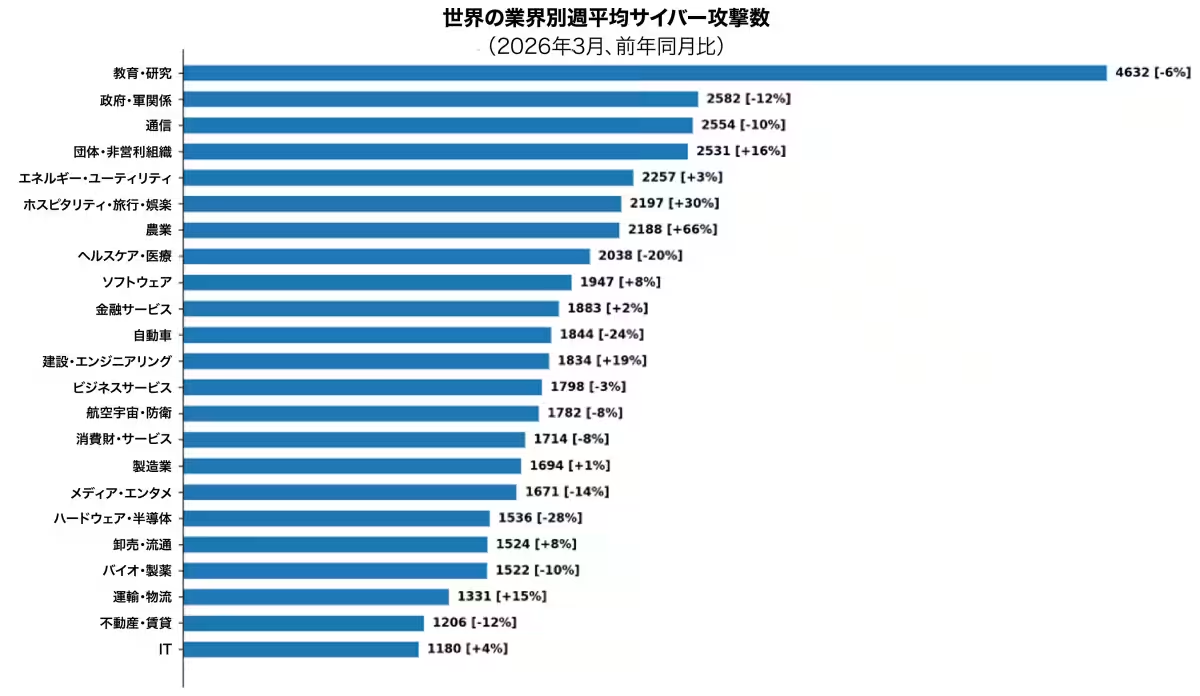
During March 2026, the education and research sector remained the primary target, suffering an average of 4,632 weekly attacks per organization, albeit a minor 6% decrease year-on-year. Following this was the government and military sector with an average of 2,582 attacks (down 12%), and telecommunications with 2,554 (a 10% decline).
Interestingly, the hospitality, travel, and entertainment sectors noted a significant 30% surge in attacks, correlating with increased travel demand from spring into summer. This seasonal spike can be attributed to a rise in digital transactions, increased reliance on third-party services, and an accelerated business pace, all of which create exploitable conditions for cybercriminals.
Regional Threat Analysis
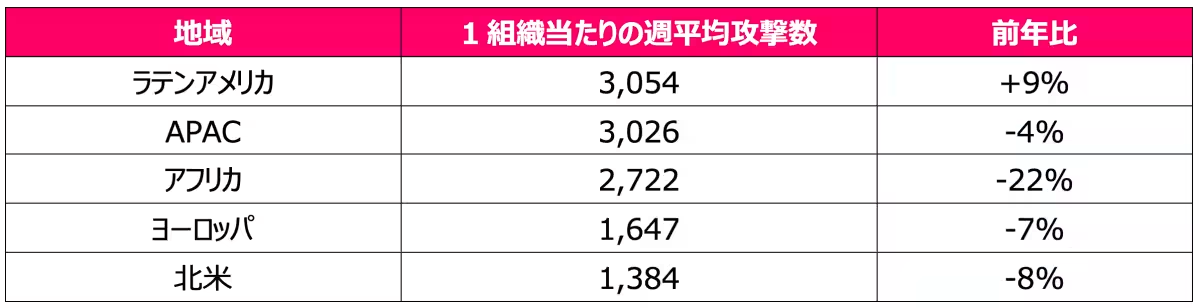
On a regional level, Latin America recorded the highest number of attacks, averaging 3,054 weekly incidents per organization, reflecting a 9% increase. APAC followed closely with an average of 3,026 (a 4% decrease), while Africa experienced a notable decline, averaging 2,722 (down 22%). Europe and North America reported averages of 1,647 and 1,384, respectively, both showing decreases of 7% and 8%.
Rising Exposure Risks from Generative AI
March 2026 continued to see the proliferation of generative AI in corporate settings, contributing to heightened data leakage risks even amidst a general decline in attack incidents. Noteworthy findings included:
- - Approximately 1 in 28 generative AI prompts carried a high risk of confidential data exposure.
- - 91% of organizations that regularly use generative AI tools face potential impacts from this data leakage risk.
- - 17% of prompts contained information that could qualify as sensitive.
Organizations utilized an average of nine different generative AI tools, demonstrating a fragmented implementation across the board. Users on average created 78 prompts monthly using these tools. The uptick in high-risk exchanges starkly contrasts with existing governance and visibility measures, indicating a gap that needs bridging to prevent threats such as compromised credentials and unintentional data sharing.
Ransomware Threats on the Rise
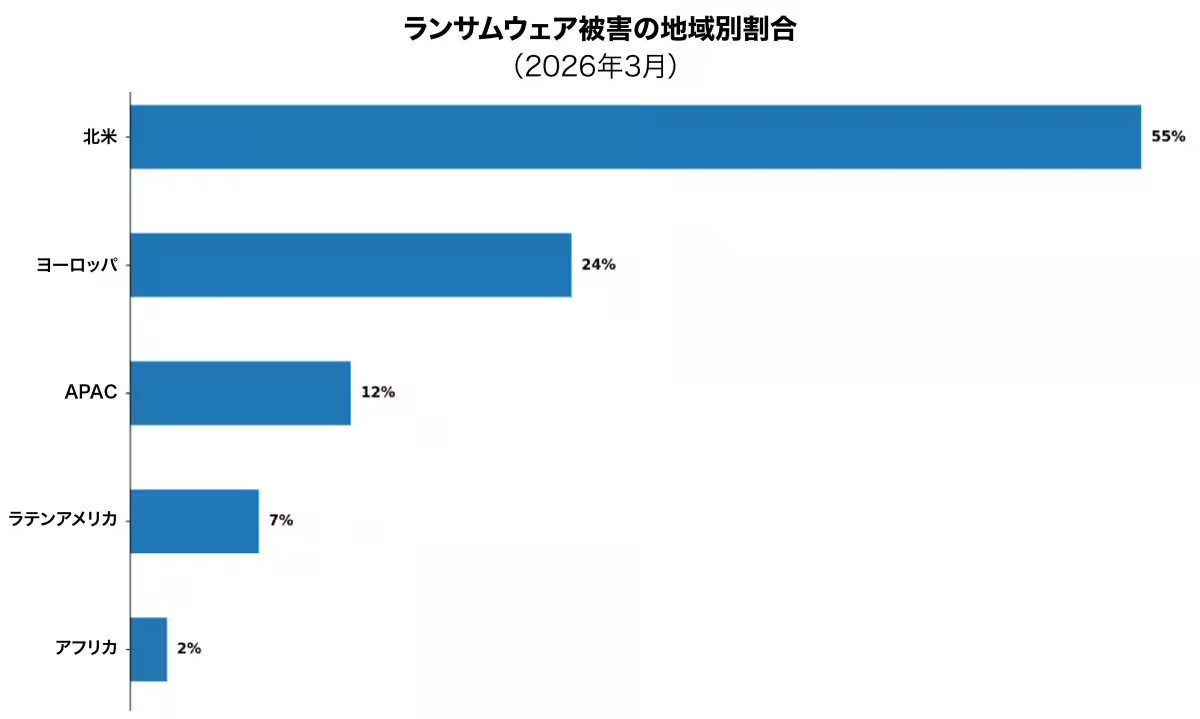
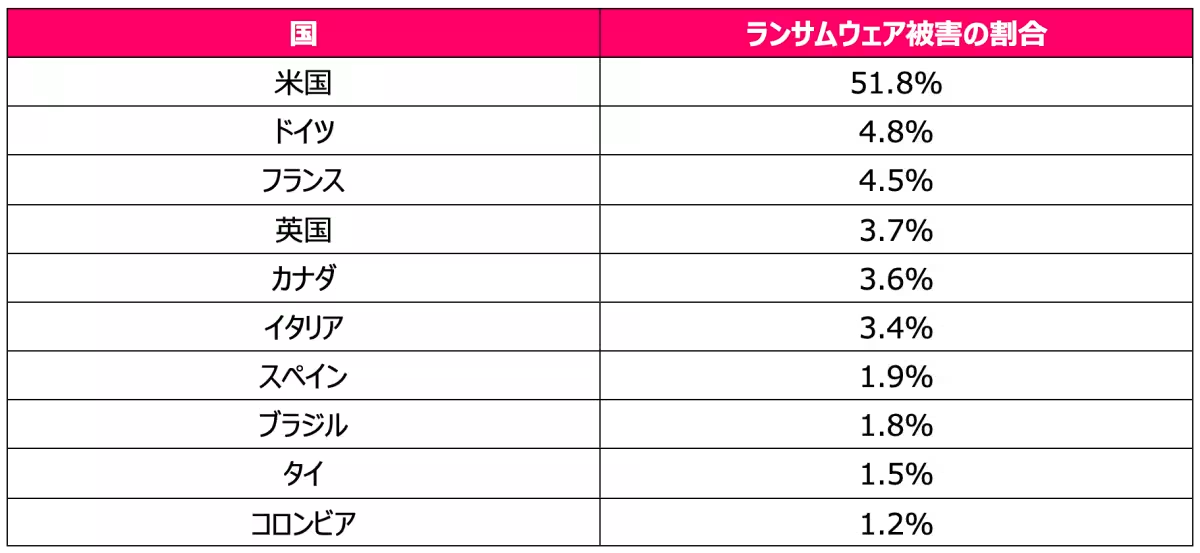
Notably, the global ransomware incidents surged back to 672 in March 2026, displaying an 8% reduction compared to March 2025, yet signaling a 7% rise from the previous month—a worrying trend indicating resilience in ransomware threats. Regionally, North America bore the brunt, accounting for 55% of incidents, followed by Europe with 24% and APAC at 12%. Europe’s share of total incidents significantly increased from 17% to 24%, spotlighting its vulnerability.
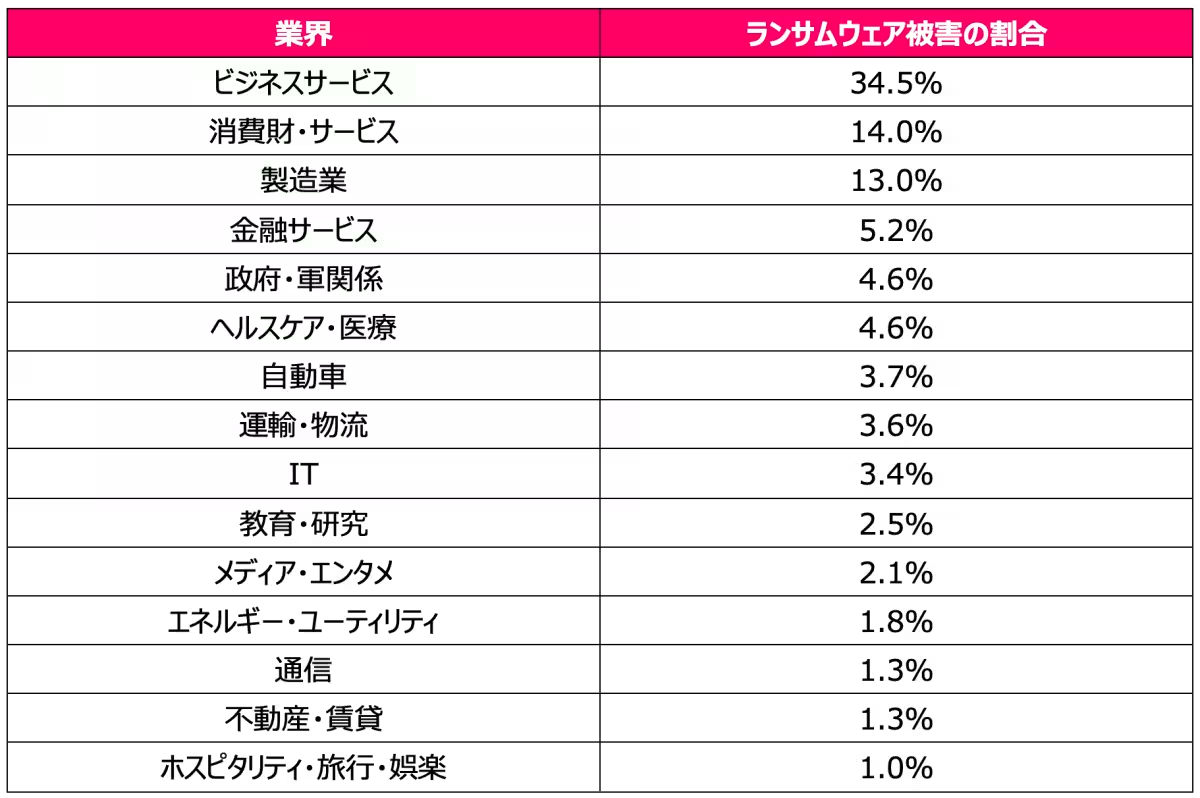
Ransomware consistently targeted high-impact sectors, with business services comprising the bulk of ransomware incidents at 34.5%, followed by consumer goods and services (14%) and manufacturing (13%).
Concentration of Ransomware Groups
A relatively small number of aggressive ransomware groups continued to dominate the landscape in March 2026. The group Qilin alone was responsible for 20% of reported attacks, with Akira and DragonForce contributing 12% and 8%, respectively. These three groups accounted for 40% of all reported activities, but overall, the number of ransomware groups causing damage rose to 47, indicating diversification in threats.
Conclusion
The March 2026 findings from Check Point Research highlight an intricate cyber threat environment, suggesting that while total attacks may have dipped slightly, the nature of threats is evolving. Continued vigilance and a proactive approach to cybersecurity—emphasizing predictive capabilities, exposure control, and a multi-layered security strategy—are essential to mitigate risks and adapt to the shifting landscape of cyber threats.
This report serves as a vital resource for organizations to understand and prepare for the multifaceted nature of cybersecurity challenges in the coming months. For further insights and updates, visit Check Point Research's official blog.
Topics Other)
【About Using Articles】
You can freely use the title and article content by linking to the page where the article is posted.
※ Images cannot be used.
【About Links】
Links are free to use.