



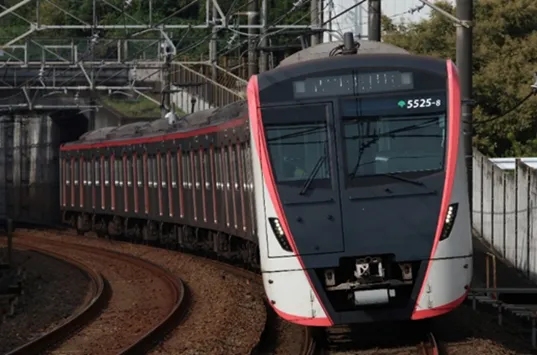
Enhancements in Toei Asakusa Line Schedule for Improved Daytime Convenience
In an effort to enhance the service quality of the Toei Asakusa Line, the Tokyo Metropolitan Bureau of Transportation has announced a significant schedule revision set to take effect on December 13, 2025. This adjustment aims to improve the convenience and accessibility of the subway for daily commuters and travelers alike during peak daytime hours.
The new timetable introduces several noteworthy changes to both weekday and weekend operations.
Weekday Enhancements:
Weekend and Holiday Improvements:
This revised schedule is part of a broader initiative by the Tokyo Metropolitan Bureau of Transportation to improve commuter experiences by expanding service options during peak travel times. With Tokyo's population consistently growing, especially in urban areas, boosting subway frequency can greatly impact daily commuting.
Furthermore, many travelers who rely on the Toei Asakusa Line for their journeys to popular destinations, including those looking to visit Asakusa or connecting to other transit lines, will benefit from these adjustments, leading to shorter wait times and improved punctuality.
The specific timings for each station will be available on the bureau's website and other platforms closer to the implementation date, ensuring that all commuters remain informed about their service options and any changes affecting their routes.
This effort aims not just for immediate benefits but also to future-proof the subway system against potential increases in ridership as Tokyo continues to grow as a bustling metropolitan hub. Stakeholders, including daily commuters and tourists, eagerly anticipate these enhancements, hoping for a smoother and more efficient travel experience in the heart of the city.
As December 13 approaches, travelers, and daily users of the Toei Asakusa Line are encouraged to keep an eye on updates from the Tokyo Metropolitan Bureau of Transportation. The improvements outline a commendable effort to adapt to the needs of a modern urban environment, and they reflect a commitment to maintaining Tokyo's public transportation system as a leading example in public service and accessibility.
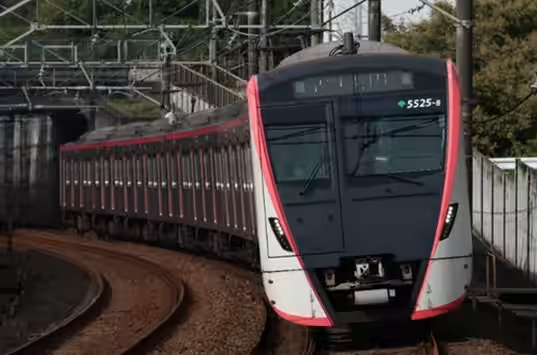
Schedule Changes
The new timetable introduces several noteworthy changes to both weekday and weekend operations.
Weekday Enhancements:
- - During the hours of 11 AM to 4 PM, there will be an increase of four additional round trips between the Nishimagome and Oshiage stations. This change is expected to alleviate congestion and provide more frequent services during what tends to be a busy period for commuters traveling throughout the day.
- - Additionally, some trains will have their schedules, destinations, and classifications modified, optimizing the overall efficiency of train operations.
Weekend and Holiday Improvements:
- - For Saturdays, Sundays, and holidays, significant enhancements will occur between 9 AM and 6 PM. Specifically, for the segment between Nishimagome and Oshiage, there will be six more trains heading toward Nishimagome and seven trains heading toward Oshiage.
- - The Nishimagome to Sengekiji segment will also see two added services in the Nishimagome direction and one heading to Oshiage.
- - Similarly, between Sengekiji and Oshiage, there will be one additional train ensuring that service remains consistent during the busiest times of the day.
- - As with the weekday alterations, some trains during weekends will also have changes regarding their schedules, destinations, and classifications.
Importance of the Revision
This revised schedule is part of a broader initiative by the Tokyo Metropolitan Bureau of Transportation to improve commuter experiences by expanding service options during peak travel times. With Tokyo's population consistently growing, especially in urban areas, boosting subway frequency can greatly impact daily commuting.
Furthermore, many travelers who rely on the Toei Asakusa Line for their journeys to popular destinations, including those looking to visit Asakusa or connecting to other transit lines, will benefit from these adjustments, leading to shorter wait times and improved punctuality.
The specific timings for each station will be available on the bureau's website and other platforms closer to the implementation date, ensuring that all commuters remain informed about their service options and any changes affecting their routes.
This effort aims not just for immediate benefits but also to future-proof the subway system against potential increases in ridership as Tokyo continues to grow as a bustling metropolitan hub. Stakeholders, including daily commuters and tourists, eagerly anticipate these enhancements, hoping for a smoother and more efficient travel experience in the heart of the city.
Conclusion
As December 13 approaches, travelers, and daily users of the Toei Asakusa Line are encouraged to keep an eye on updates from the Tokyo Metropolitan Bureau of Transportation. The improvements outline a commendable effort to adapt to the needs of a modern urban environment, and they reflect a commitment to maintaining Tokyo's public transportation system as a leading example in public service and accessibility.
Topics Other)
【About Using Articles】
You can freely use the title and article content by linking to the page where the article is posted.
※ Images cannot be used.
【About Links】
Links are free to use.