



The Latest Trends in Job Hunting Among 2027 Graduates: Emphasis on Efficient Selection Processes
Understanding the Latest Trends in Job Hunting for 2027 Graduates
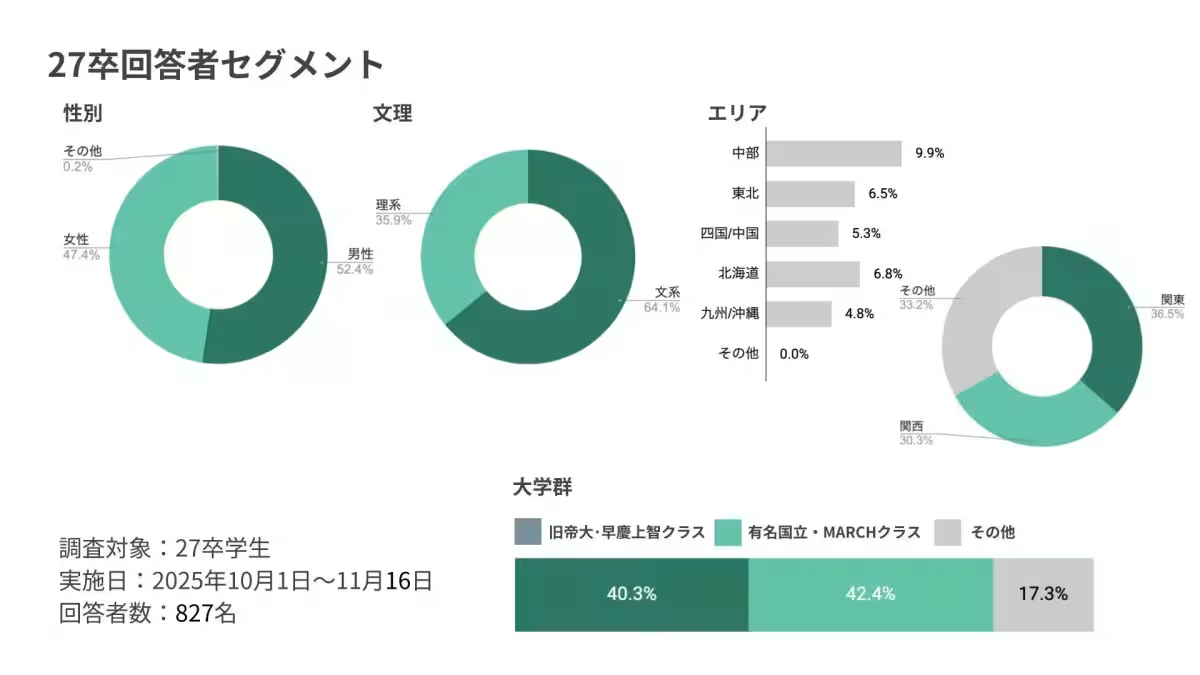
In a recent survey conducted by Deep Growth Partners, a consulting firm based in Shibuya, Tokyo, insights were gathered from 827 university students set to graduate in 2027. This survey aimed to explore the inclinations and awareness of these students regarding the job selection process amidst a drastically changing recruitment landscape.
Background of the Survey
The landscape of new graduate recruitment in Japan has shifted significantly, especially among top-tier universities such as the Imperial Universities and Waseda and Keio universities. Students from these institutions now dominate what is termed the "super sellers' market"—a period where they are highly sought after by numerous companies from the onset of their job search journey. As a result, the criteria students use to choose potential employers have grown more rigorous. Notably, aside from company reputation and employment conditions, the rationality and efficiency of the selection process (known colloquially as 'タイパ' or 'time performance') have become crucial factors in shaping their preferences.
Key Findings of the Survey
The Rising Importance of Time Performance
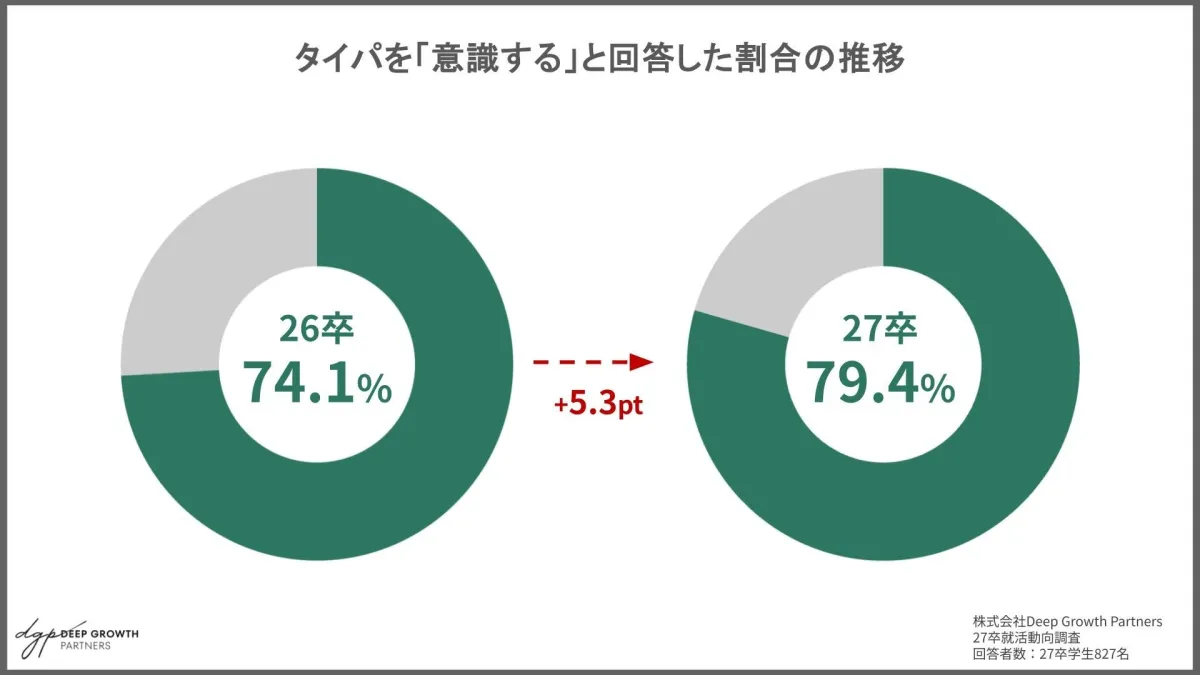
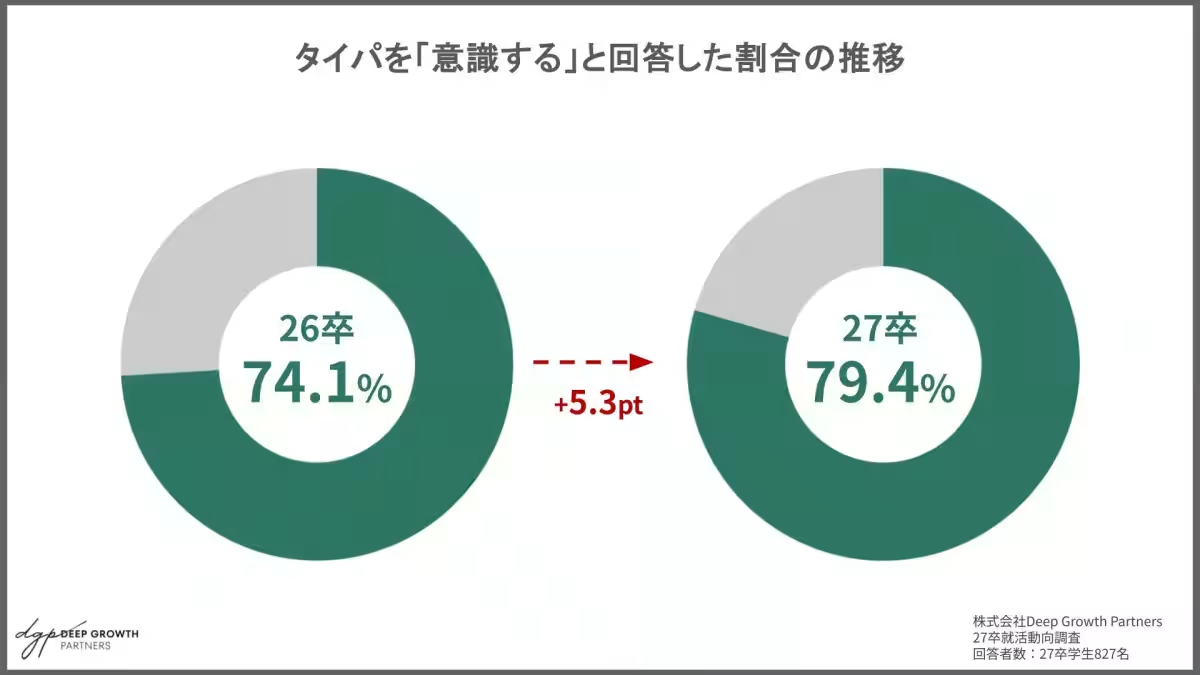
A substantial 79.4% of students expressed heightened awareness of time performance in their job search, marking a 5.3 percentage point increase from the previous year's figure of 74.1%. Particularly, students from prestigious universities balancing multiple internships and extracurricular activities find efficient information gathering and selection processes to be essential prerequisites.
The Tipping Point for Selection Rounds
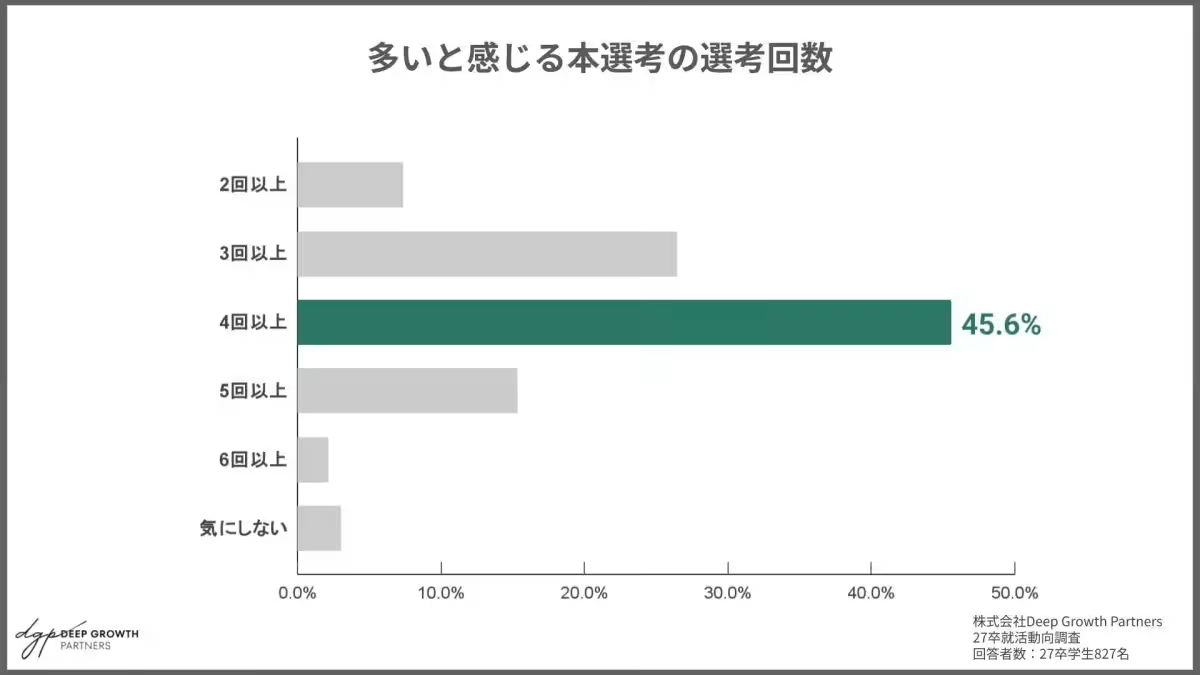
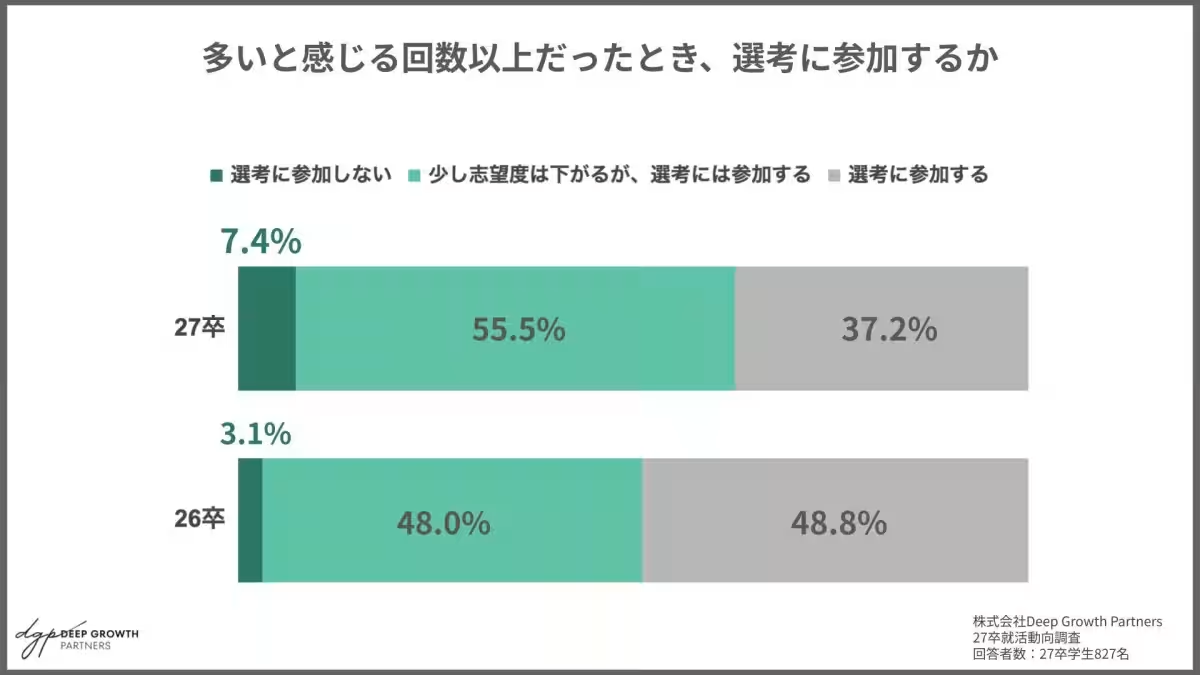
The survey also revealed a concerning trend: students' tolerance for the number of selection rounds limits significantly. Most students are comfortable with three rounds, yet when faced with more than four, over half reported feeling overburdened. The data indicates that 7.4% would opt out of participating if the selection rounds exceeded what they deemed acceptable, while 55.5% would still participate, albeit with decreased enthusiasm. Particularly among elite university students, prolonged processes reinforce perceptions of companies as indecisive or dismissive of students' time, heightening the risk of candidate drop-out.
Desire for Efficient Selection Flows
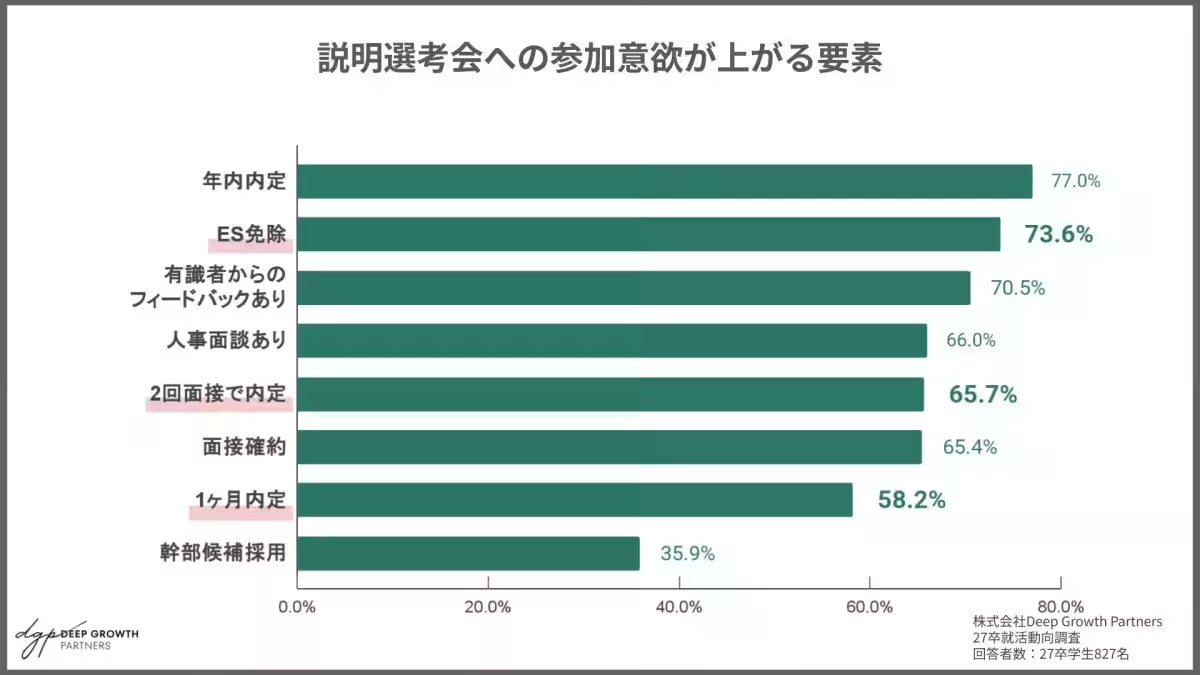
Critical elements that boost the willingness to attend explanation and selection sessions include exemptions from entry sheets (73.6%) and securing job offers after just two interview rounds (65.7%). This reflects an overarching demand for speed in the recruitment process, as students from leading institutions seek to eliminate unnecessary steps. The desire for a streamlined selection experience is becoming increasingly dominant among job seekers.
Recommendations from Deep Growth Partners
The results indicate a stark awareness of time performance among 2027 graduates. The length and opacity of selection processes are directly tied to dwindling interest in companies and a likelihood of candidates withdrawing from the process. To navigate this landscape effectively, Deep Growth Partners offers several actionable strategies for employers:
1. Optimize Selection Rounds: Aim to keep selection rounds to three or fewer, avoiding rounds that exceed four to maintain candidate enthusiasm and reduce drop-off rates.
2. Design Efficient Selection Experiences: Offer efficient recruitment experiences that include exemptions from entry sheets, clear communication about the number of interviews, and prompt job offer timelines. Such enhancements can differentiate a company in a competitive marketplace.
3. Clarify Advantages: Clearly communicate the speed and efficiency of the selection process, for example, by stating “Offer after X rounds of interviews” or “Offer within 1 month”, which can significantly enhance motivation among top-tier candidates.
Deep Growth Partners continuously conducts surveys to assist companies in their recruitment efforts, producing reports based on these findings. They encourage employers to download the comprehensive report titled "27 Graduates Job Hunting Trends" for in-depth analyses that can inform their hiring strategies.
Conclusion
The recruitment landscape for new graduates has shifted. Companies need to adapt to the evolving expectations of candidates, particularly top university students, and aim for highly efficient and transparent selection processes. Actions taken in this regard will not only help attract the best candidates but also bolster the overall effectiveness of hiring strategies in a competitive job market.
Topics Business Technology)
【About Using Articles】
You can freely use the title and article content by linking to the page where the article is posted.
※ Images cannot be used.
【About Links】
Links are free to use.