



Hibiya Kadan Becomes First Flower Industry Company Certified as Eco-First
Hibiya Kadan: A Green Revolution in the Flower Industry
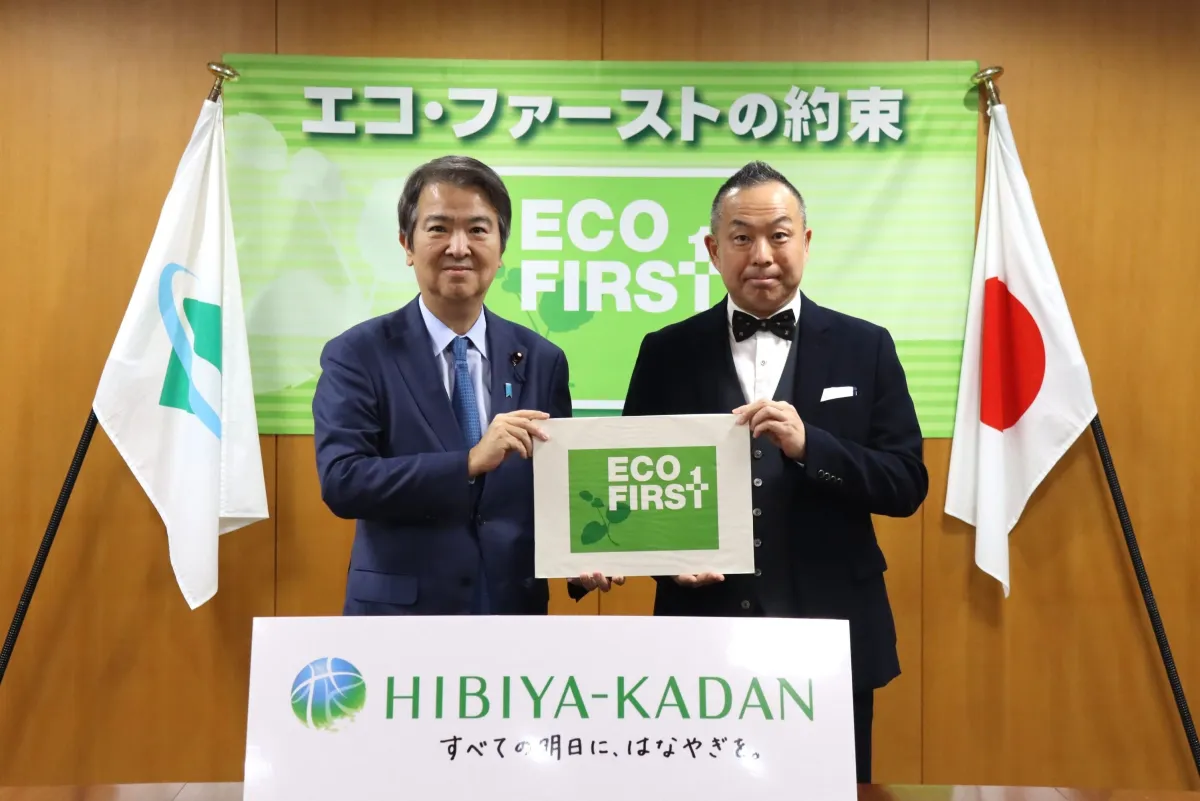
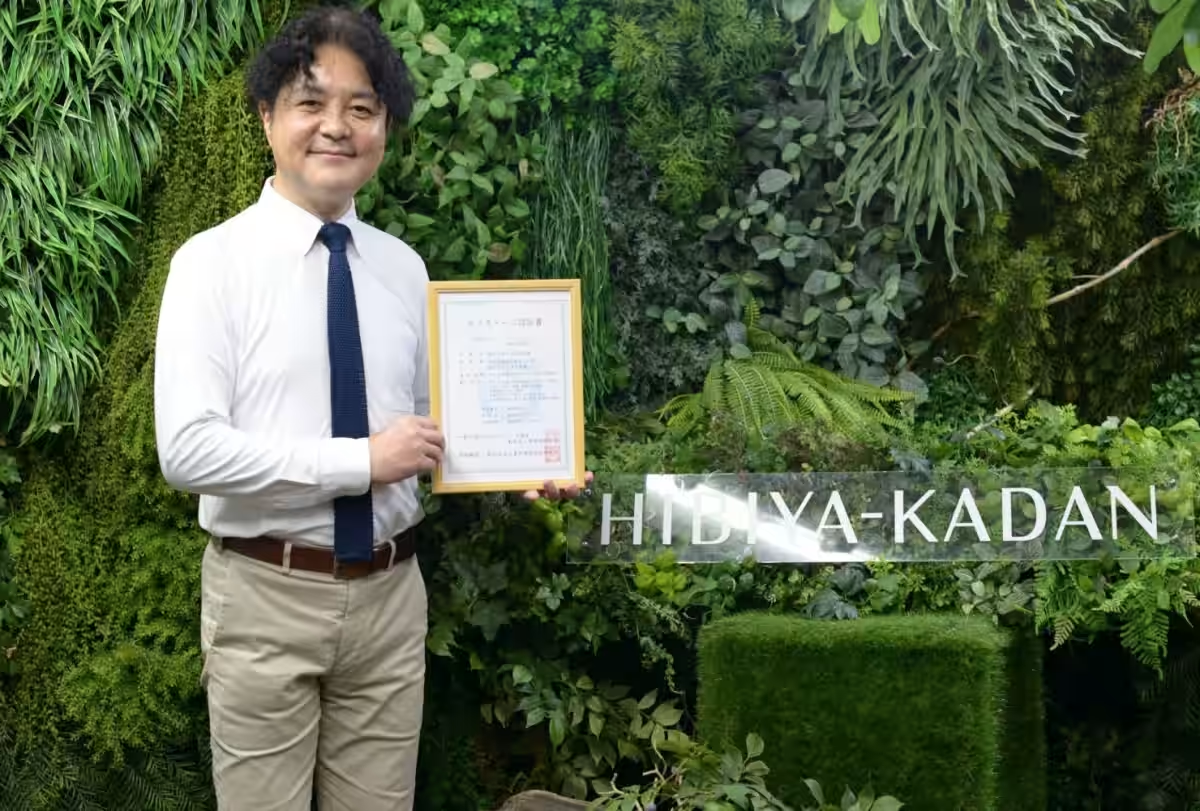
Hibiya Kadan, a leading floral company based in Tokyo, made history on January 14, 2026, by becoming the first in the flower industry to be certified as an "Eco-First" company by Japan's Ministry of the Environment. This prestigious recognition highlights Hibiya Kadan's commitment to environmental sustainability and sets a benchmark for others in the industry.
Commitment to Sustainability
Hibiya Kadan’s corporate message, "Bringing Blossoms to Every Tomorrow," encapsulates its mission to contribute positively to local communities and the environment through flowers and greenery. With global environmental issues intensifying, including CO2 emissions from heated cultivation and transportation, as well as plastic waste, Hibiya Kadan declared its dedication to reducing environmental impact across its entire supply chain from production to distribution to retailing. The company's motto, known as the "Eco-First Promise," aligns its business operations with the principles of sustainability.
Understanding the Eco-First Program
The Eco-First system, established in 2008, awards companies that pledge to undertake advanced and innovative initiatives in climate change mitigation and recycling efforts, thereby setting industry-wide examples. Alongside Hibiya Kadan, eight other companies were recently certified, bringing the total to 102.
The Certification Ceremony
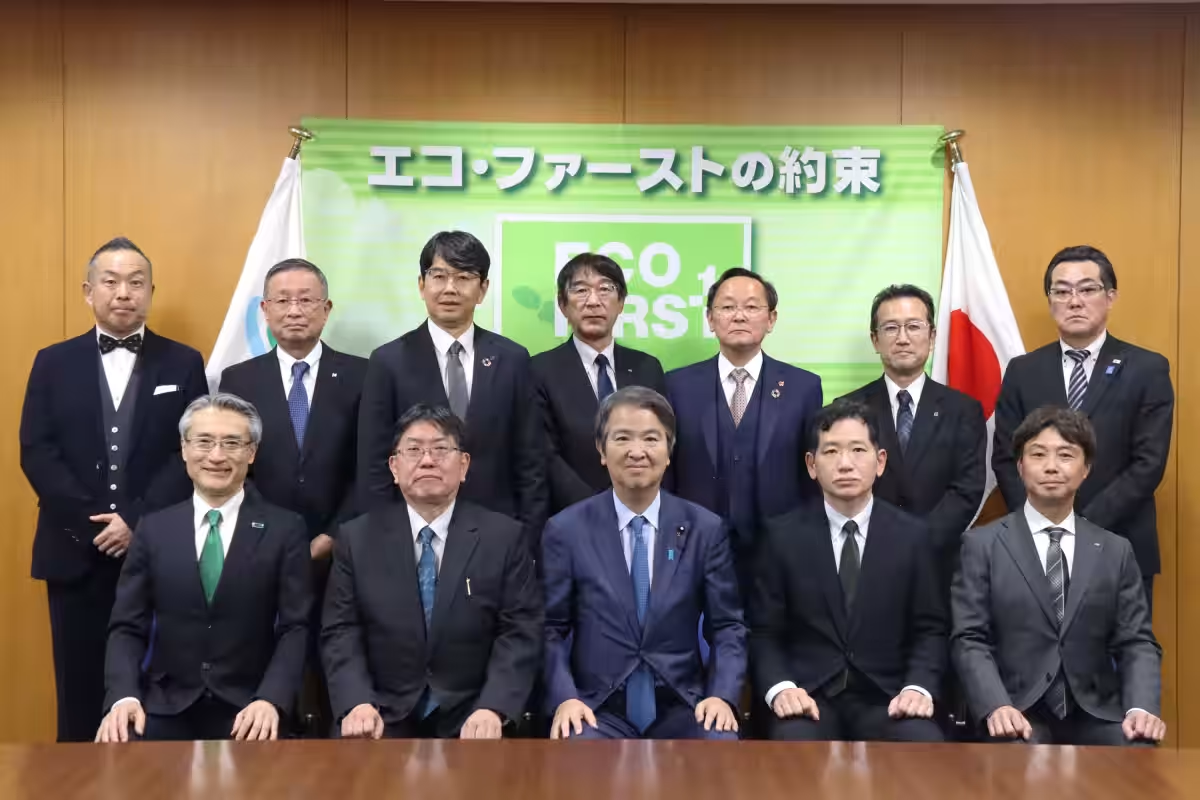
During the certification ceremony held at the Ministry of the Environment, Minister Ishihara presented the certificate, signifying Hibiya Kadan's new role in leading environmental management within the flower industry. This milestone places the company at the forefront of promoting a sustainable future, generating awareness about ecological issues among stakeholders.
Challenges in the Flower Industry
The flower industry faces significant challenges due to climate change and rising energy costs, leading to poor growth conditions, pest outbreaks, and supply instability. Hibiya Kadan views these issues as collective challenges that necessitate collaboration across the entire industry. The company is dedicated to using low-impact materials, promoting energy conservation, and planning production and distribution methods with future demands in mind.
Insights from Hibiya Kadan's President
CEO Hiroaki Miyajima expressed the company's vision of enhancing community well-being through flowers. He emphasized the importance of proactive retail actions to raise environmental consciousness throughout the supply chain. Hibiya Kadan aims to collaborate with stakeholders across production, distribution, and sales to create a sustainable industry. By focusing on environmental concerns, data utilization, and traceability, the company intends to establish the economic viability of eco-friendly practices and expand customer engagement.
The Eco-First Promise
Hibiya Kadan aims to create a lasting impact through its Eco-First initiatives:
1. Reducing Environmental Burden: The company will collaborate with stakeholders to tackle environmental issues in the flower industry. It has implemented an environmental management system, "Eco Stage," integrating ESG management into its core operations. Hibiya Kadan aims to halve emissions by 2035 and achieve net-zero by 2050.
2. Sustainable Flower Production: The company is committed to raising the share of environmentally friendly production to 50% by 2035 and aims to reach an 80% share of domestic products.
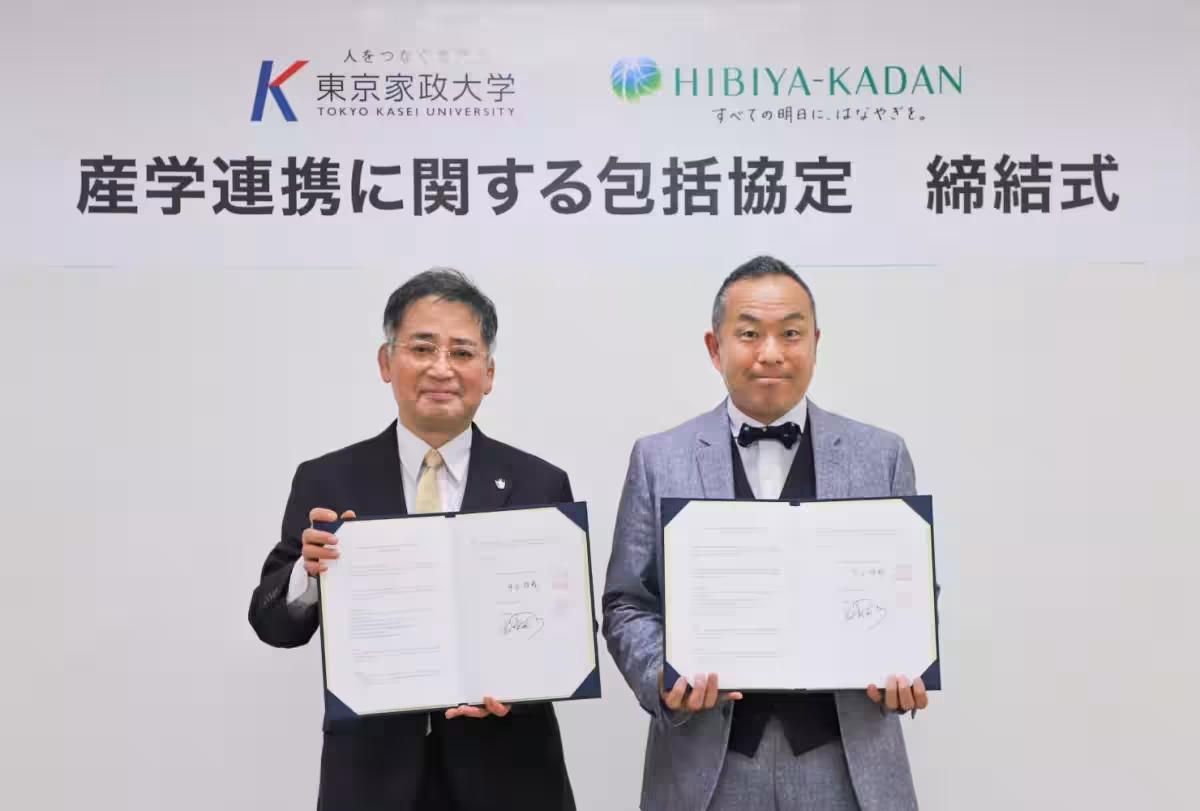
3. Encouraging Cultural Sustainability: By partnering with local parks and municipalities, Hibiya Kadan fosters environmental education and actively engages with communities to address ecological challenges.
The company will regularly report its progress to the Ministry of the Environment and share updates on its website.
Previous Environmental Initiatives
Hibiya Kadan has already established an array of environmental management initiatives. This includes:
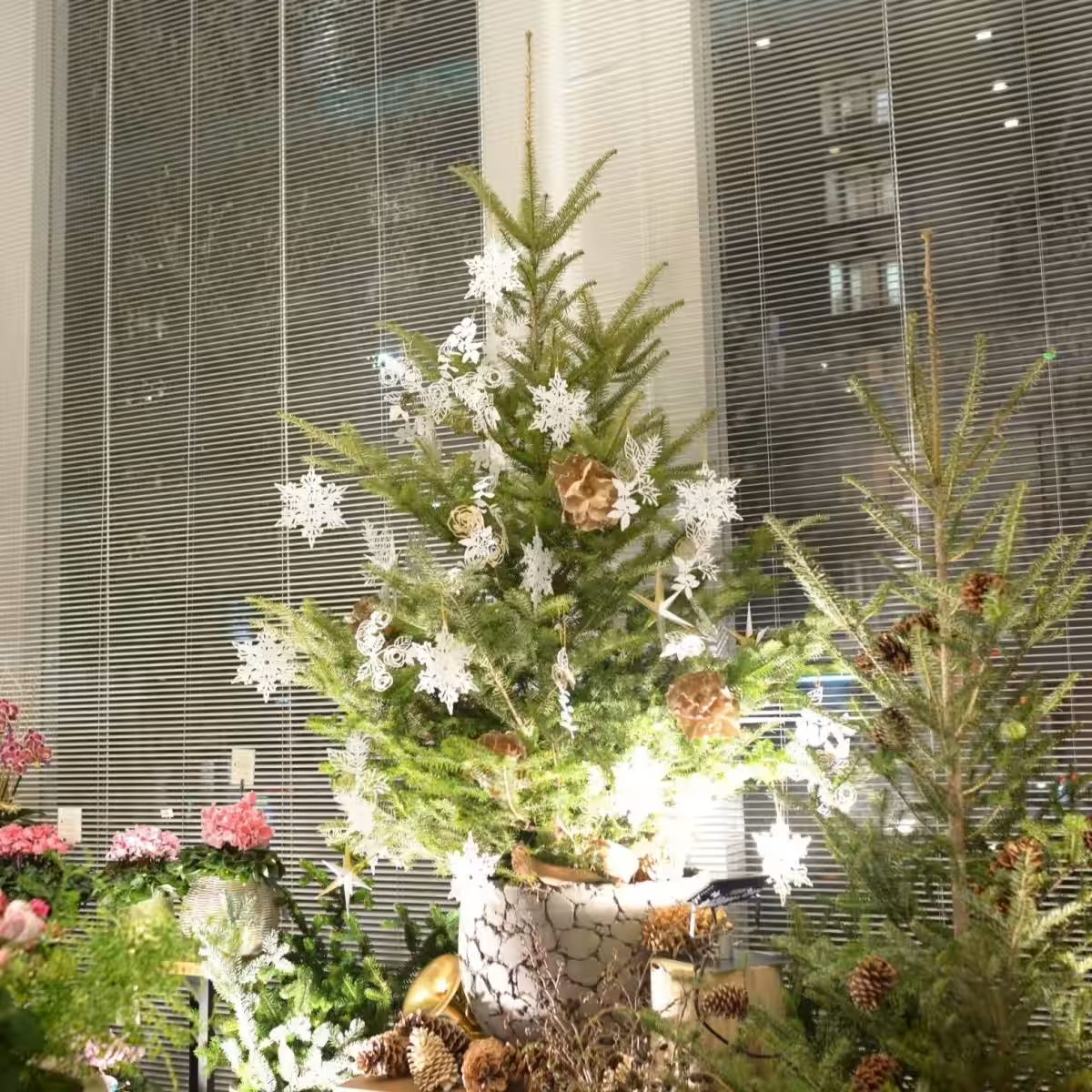
- - 100% Renewable Energy: Utilizing biomass-generated electricity across four sites, including their Tokyo headquarters, and integrating sustainable practices into holiday displays.
- - Eco Stage Certification: Strengthening ESG management through this certified environmental management system.
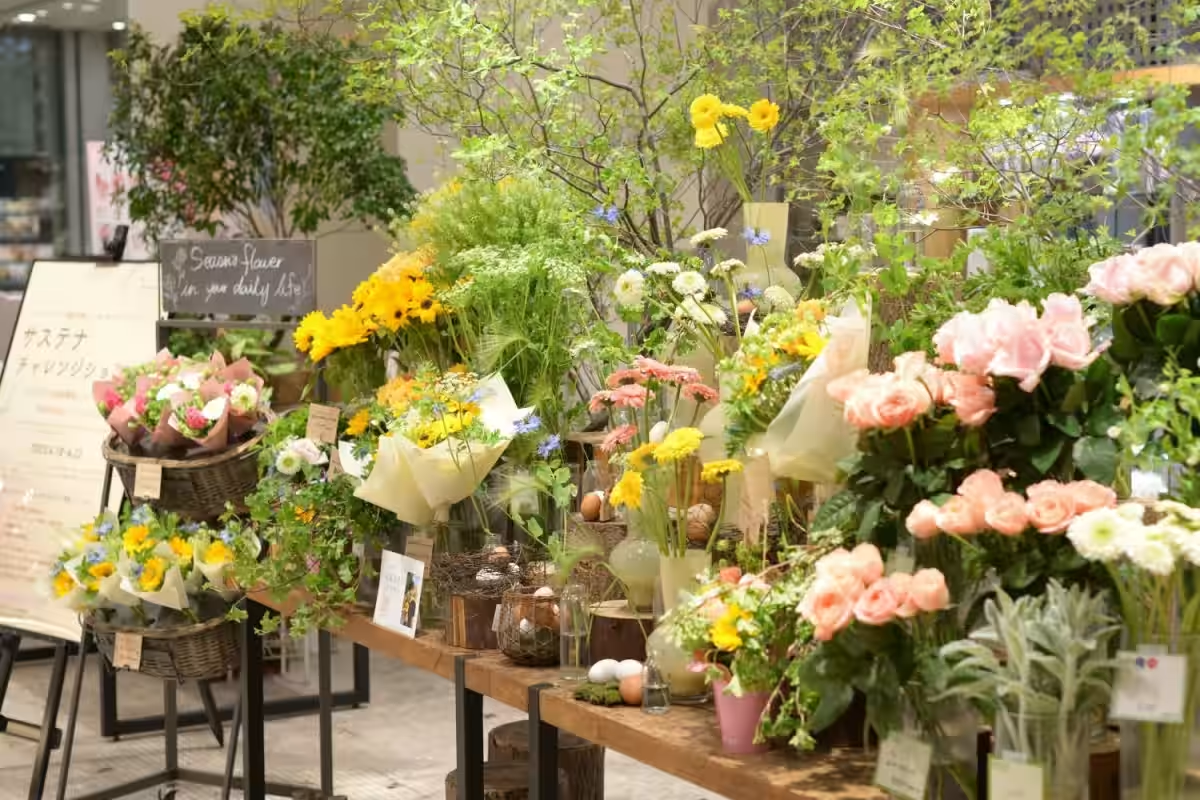
- - Pop-Up Sustainable Challenge Shops: Launching environmentally conscious shops to promote eco-friendly flowers and materials.
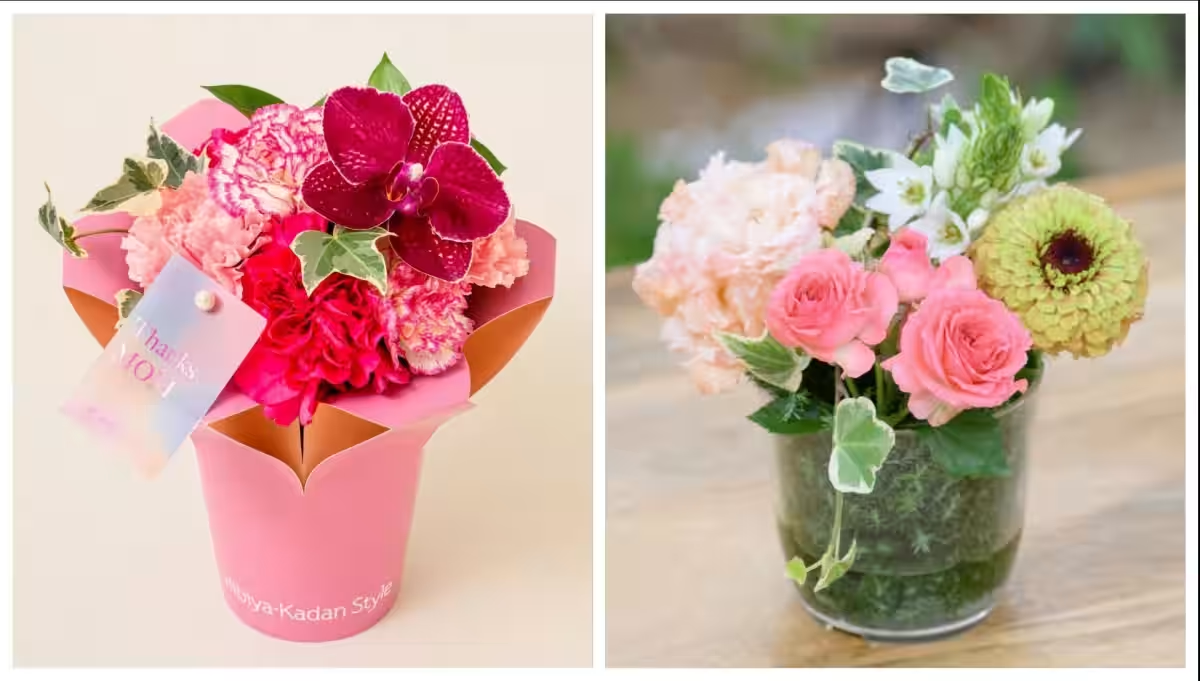
- - Reducing Plastic Use: Transitioning to 100% paper-based products and bio-based containers for flowers.
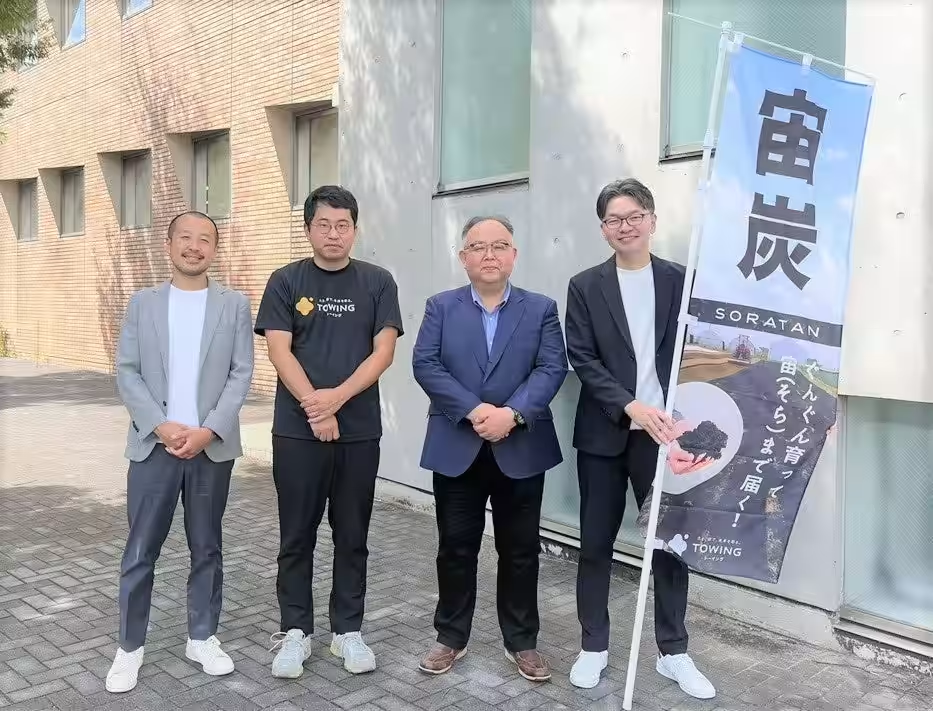
- - Sustainable Collaboration: Working with producers to promote eco-friendly agricultural practices and cutting-edge sustainable products.
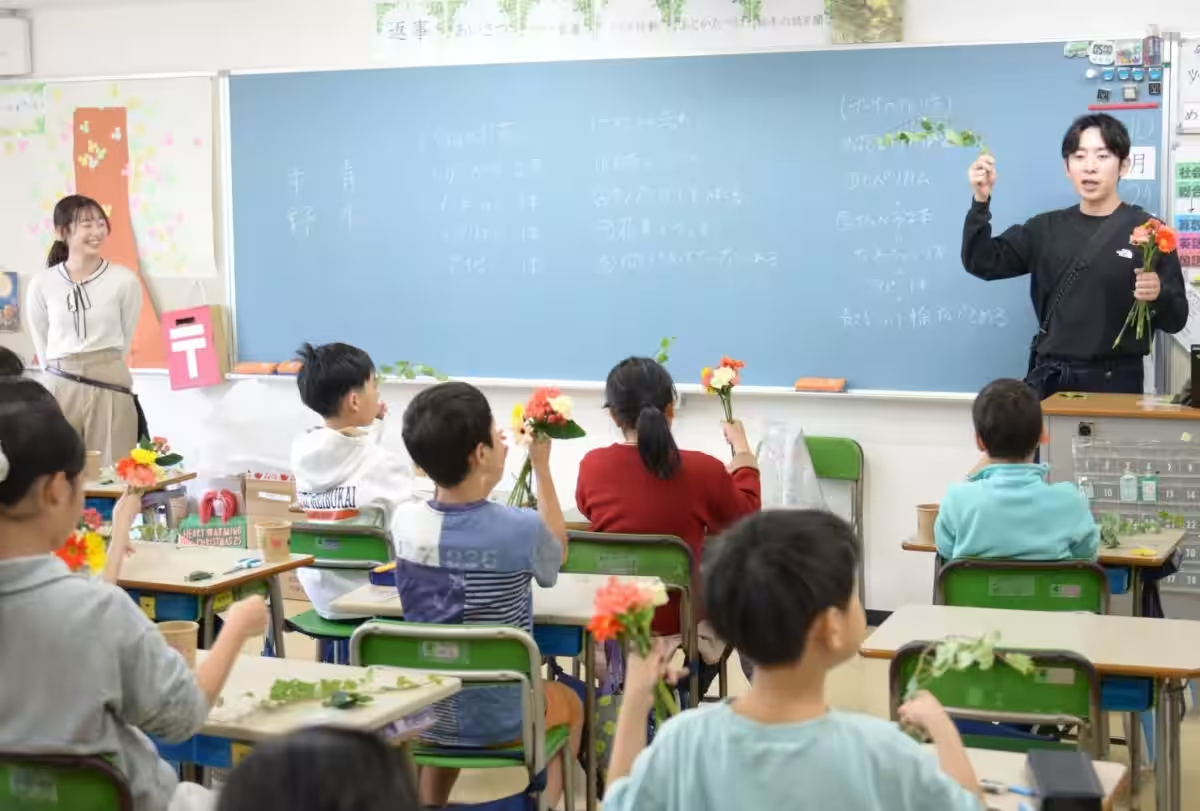
- - Educational Programs: Collaborating with schools to foster environmental education through floral arrangements using recycled materials.
Founded in 1872, Hibiya Kadan has evolved from a traditional flower arrangement shop to a comprehensive floral service provider across Japan. Today, it operates approximately 190 locations and continues to innovate while enhancing the quality of life through flowers and greenery. For more information, visit their sustainability page.



Topics Consumer Products & Retail)
【About Using Articles】
You can freely use the title and article content by linking to the page where the article is posted.
※ Images cannot be used.
【About Links】
Links are free to use.