


Essential Disaster Preparedness Insights from Survivors in Tokyo
Empowering Disaster Preparedness Insights from Tokyo Survivors
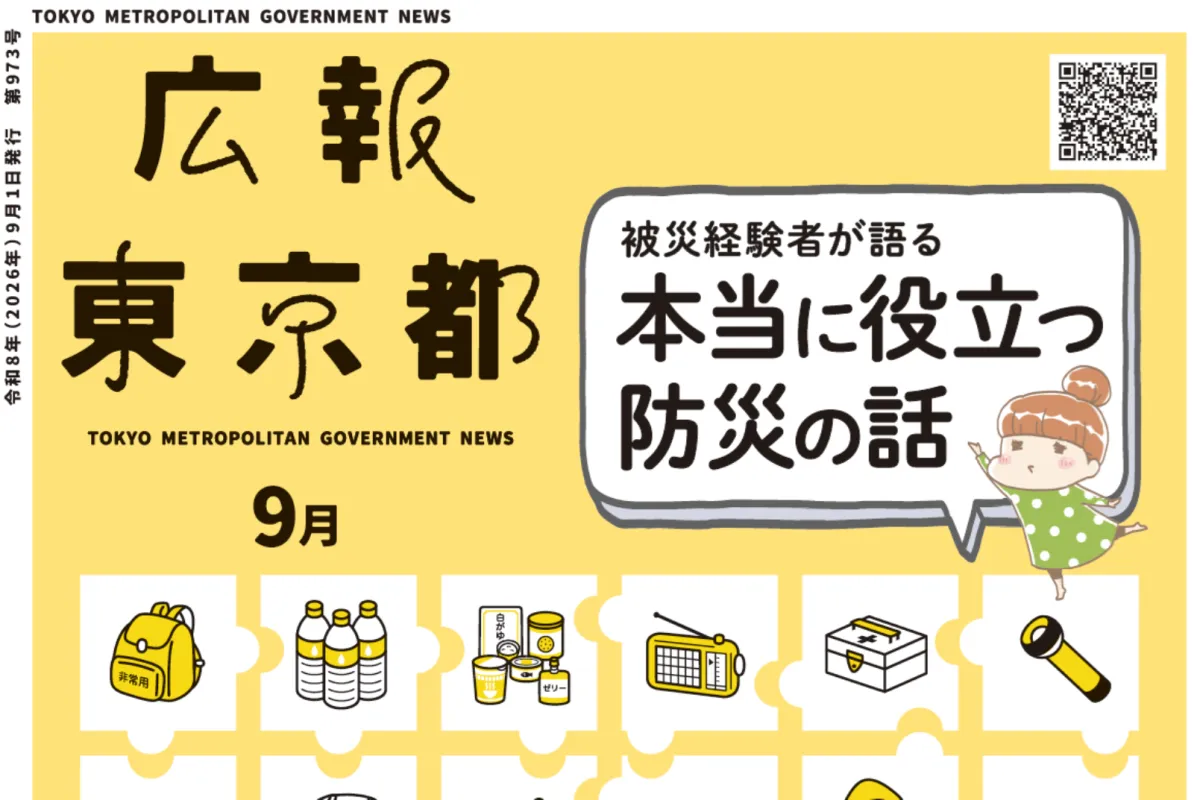
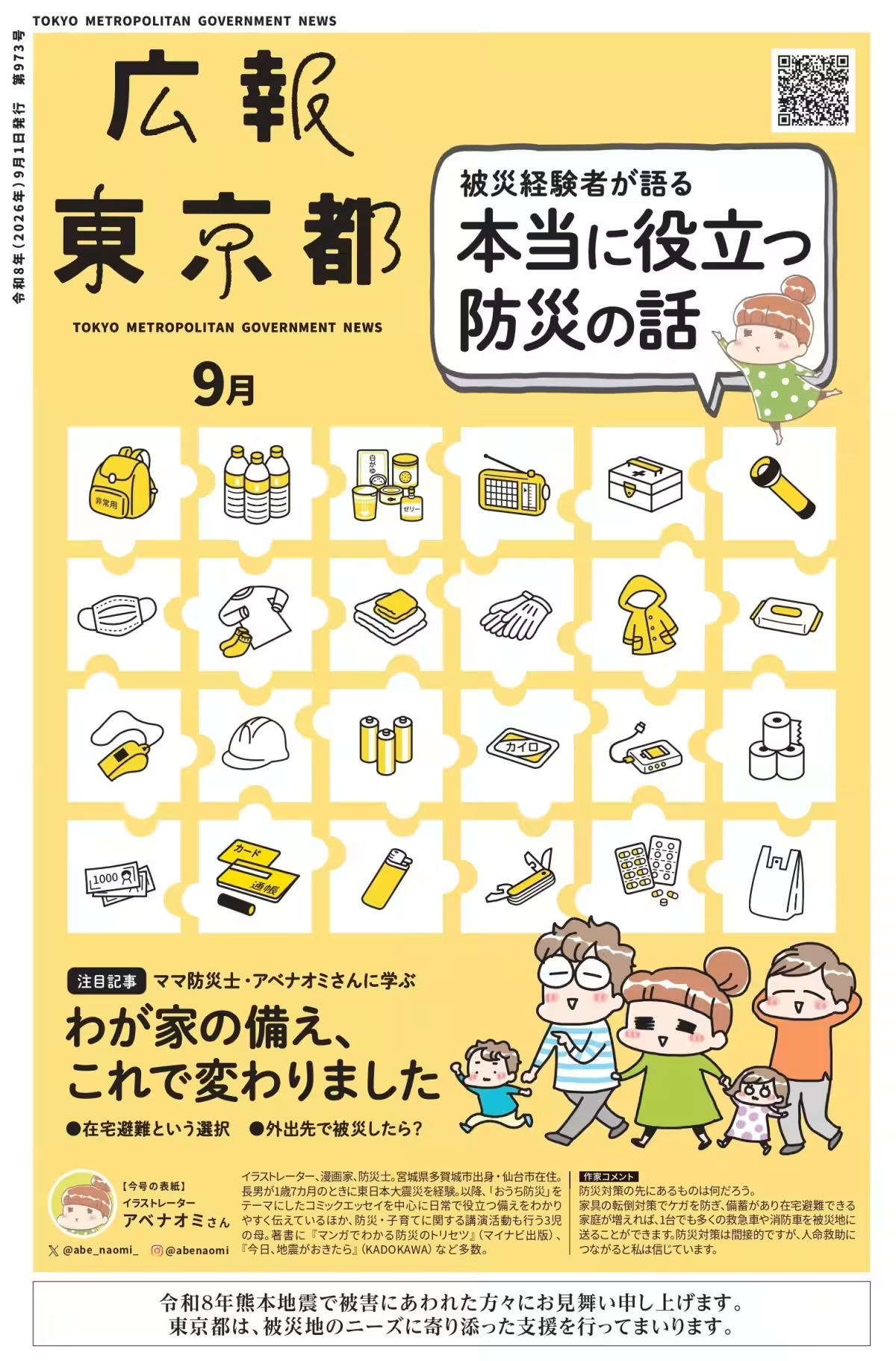
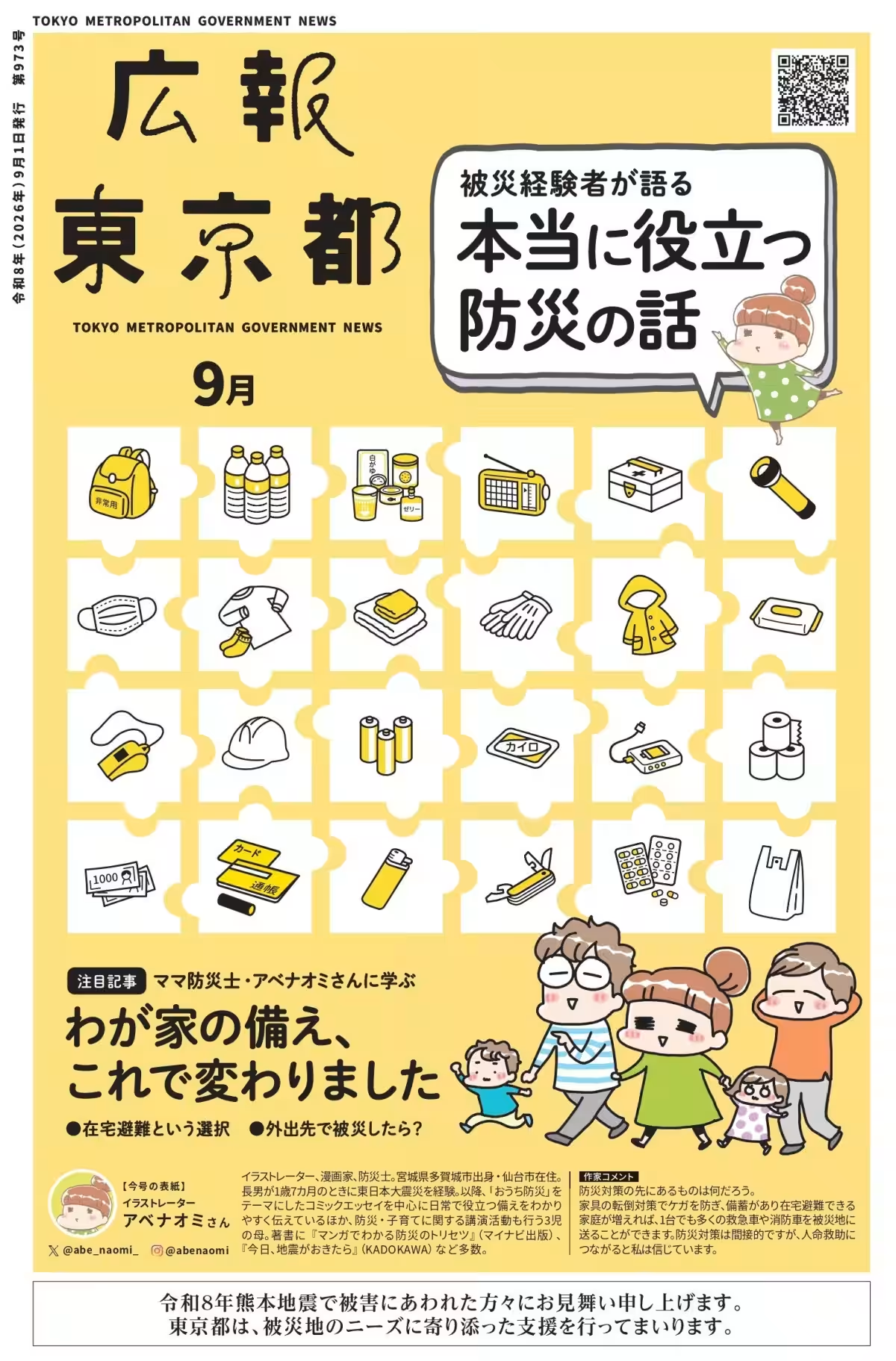
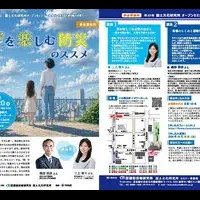
In the latest issue of the “Tokyo Government Newsletter”, a significant feature sheds light on critical disaster preparedness themes, titled "Valuable Disaster Preparedness Insights from Survivors". This initiative aims to equip the citizens of Tokyo with essential knowledge that could be vital during emergencies, especially considering the prospective occurrence of a major earthquake within the next three decades.
Learning from Real Experiences: Abenaomi’s Comic Essay
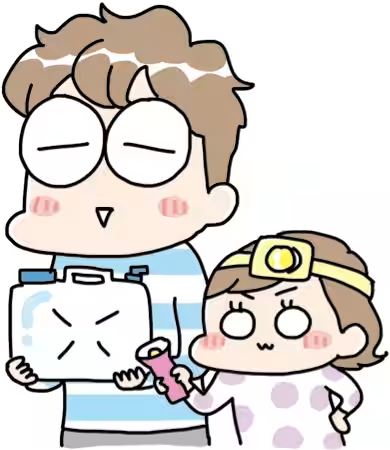
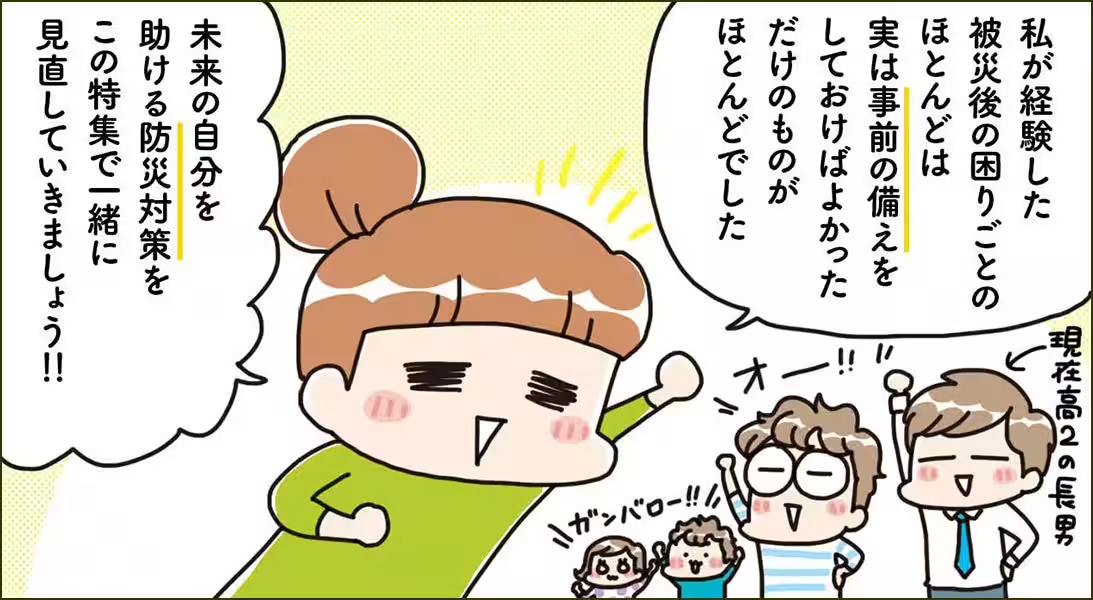
Among the contributors is Abenaomi, a renowned illustrator and a certified disaster prevention advisor, who shares her journey through a disaster in a comic format. Her real-life experiences provide profound insights into what individuals can do to prepare at home. The challenges posed during a disaster, especially concerning the lack of essential services like water and power, highlight the importance of personal readiness.
The Imperative of Home-based Disaster Preparedness
The special feature emphasizes a pivotal concept: sheltering at home. Often, people overlook the potential safety of their residences during a disaster. If conditions allow, remaining at home can be a safer alternative compared to crowded evacuation centers. Abenaomi outlines three essential pillars for at-home preparedness:
1. Fire Safety: Ensuring that homes are secured against fires resulting from electrical faults, which were the cause of many fires during past disasters.
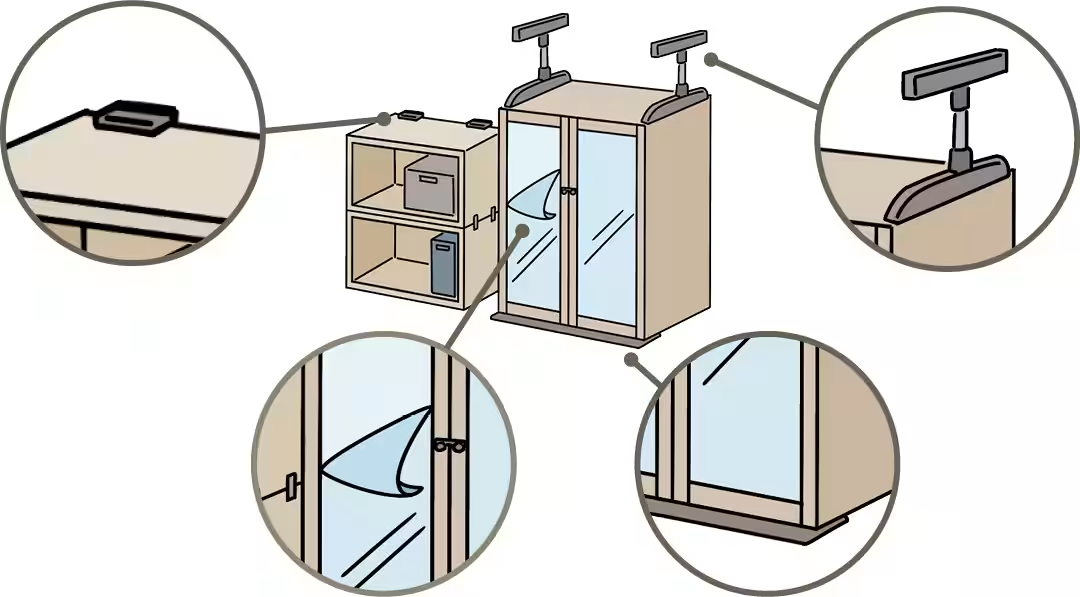
2. Stability: Taking necessary measures to prevent furniture and larger items from toppling over can mitigate potential injuries and facilitate safe navigation through the house during tremors.
3. Sufficient Supplies: Having an adequate stock of everyday needs can be seen as a proactive measure in ensuring continued safety even when supply chains are disrupted.
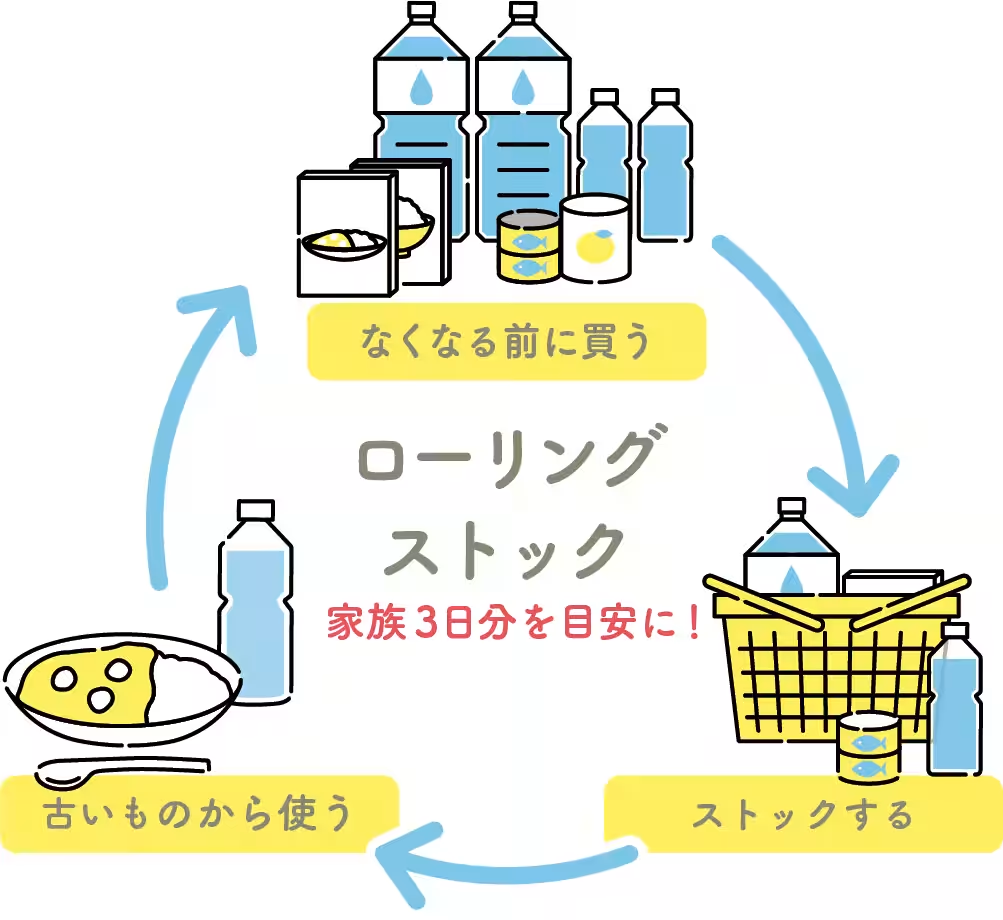
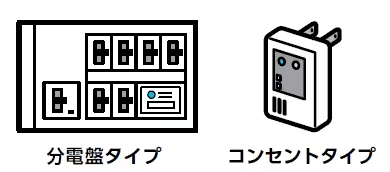
Abenaomi introduces innovative solutions such as the Grappita Switch, a seismic breaker that automatically stops electrical supply during significant tremors. Additionally, she promotes using everyday supplies as a safety stock and emphasizes the relevance of routine inventory checks to ensure preparedness.
Navigating the Unexpected: Guidelines for When You're Out
A critical aspect discussed is what steps to take if one finds themselves caught in a disaster while away from home. Key advice includes:
- - Understanding the type of action required based on the situation and location. Familiarizing oneself with nearby shelters is a beneficial measure.
- - Prioritizing accurate information over speed — utilizing social media judiciously to avoid misinformation distress.
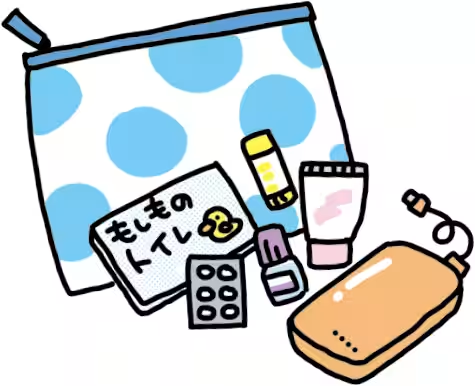
- - Always carrying a disaster pouch containing vital needs like mobile chargers and medications can make a significant difference if one finds themselves stranded.
The Importance of Community and Family Preparedness
Another focal point of the discussion is the collective action of families and communities in disaster preparedness. Conducting drills and participating in local seminars ensures that everyone is on the same page and aware of their roles should an emergency arise. The Tokyo Government’s disaster learning seminars facilitate this by dispatching experts to tailor the sessions specifically to local needs.
Furthermore, utilizing the disaster messaging service can help families check on each other's safety during crises. The benefits of engaging in proactive disaster planning are emphasized not just for individual families but as an integral community effort.
Supporting Resilience Through Infrastructure
The article highlights the significance of community resources and programs designed to strengthen local infrastructures against disasters. Engaging with city programs that focus on earthquake-proof retrofitting, liquefaction countermeasures, and reinforced buildings can boost overall safety.
Abenaomi advocates that these preventive actions can have a ripple effect. Having more families prepared leads to fewer emergencies requiring external assistance, allowing rescuers to focus where they are most needed.
- ---





Topics Policy & Public Interest)

【About Using Articles】
You can freely use the title and article content by linking to the page where the article is posted.
※ Images cannot be used.
【About Links】
Links are free to use.