




Super Delivery Releases Price Trend Report for April to June 2026
Super Delivery's Price Trend Report for April to June 2026
In a recent announcement, Super Delivery, a wholesale purchasing site managed by Raccoon Commerce, has published an in-depth analysis of purchasing price trends for products from April to June 2026. This report not only sheds light on price fluctuations but also reflects the dynamic changes in consumer demand and market conditions.
Background of the Report
Super Delivery serves as a platform facilitating transactions between domestic manufacturers and various business sectors including retail and service industries. With over 2 million items available, the site features a wide range of categories including apparel, miscellaneous goods, furniture, white goods, and food products. The report utilizes a price index based on 2019 as a baseline (set to 100) to examine the purchasing units’ pricing trends during the specified quarter.
Key Findings from the Price Index
Unprecedented Growth in Essential Categories
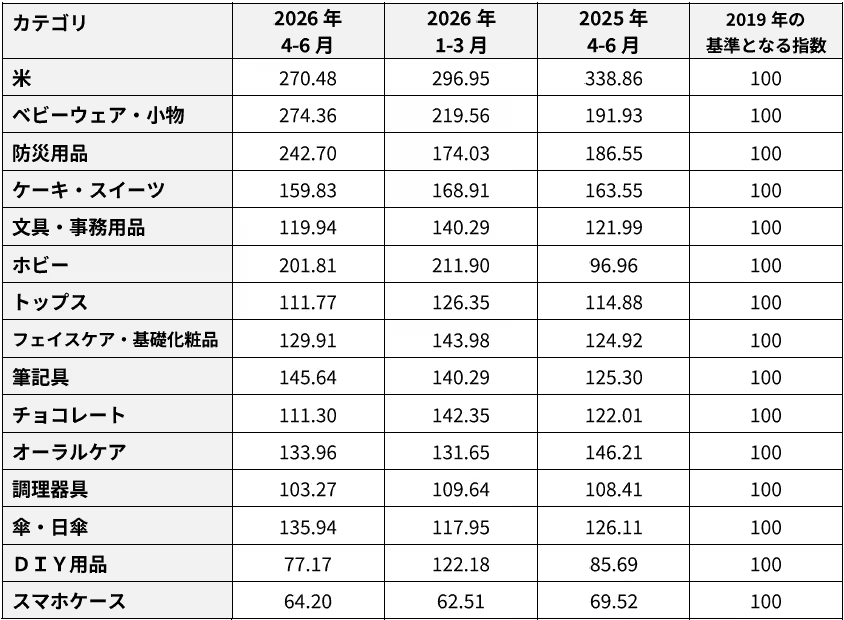
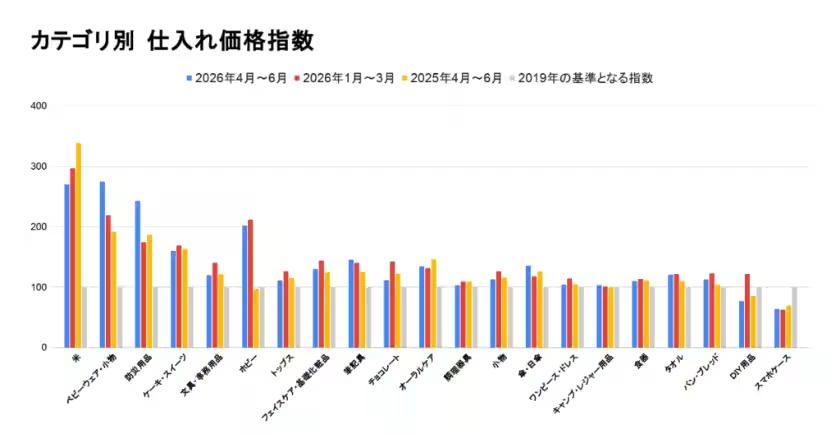
During the April to June period, the price index reveals a stark contrast in how different product categories performed. Notably, emergency supplies saw a significant surge of 39.5%, marking the highest increase across all categories. This upsurge is attributed to heightened awareness regarding natural disasters and the increasing demand for stockpiling these essentials in preparation for the approaching typhoon season. Similarly, the category of baby clothing and accessories experienced a substantial rise of 25.0%, driven by the influx of new families preparing for the start of school and other related needs.
Falling Prices in Seasonal Goods
In stark contrast to the rising categories, certain segments experienced pronounced declines. DIY supplies faced the most drastic drop of 36.8%, likely due to a rebound effect following a previous spike driven by spring renovations. Additionally, the price for chocolate saw a notable decrease of 21.8%, corresponding with the conclusion of seasonal events like Valentine's Day and White Day, coupled with declining demand as the warmer months approach. Despite the slightly soothing prices for rice, which decreased by 8.9%, it remains substantially elevated at 2.7 times the 2019 average.
Categories with Rising Prices
1. Emergency Supplies (+39.5%): The sharp incline reflects a growing culture of disaster preparedness amid increasing phenomena of natural disasters.
2. Baby Clothing and Accessories (+25.0%): This surge aligns with a peak in demand related to new parents and the start of the school year.
3. Umbrellas and Sunshades (+15.2%): A seasonal high due to the onset of the rainy season and the need for sun protection.
4. Writing Instruments (+3.8%): The beginning of the new term prompts increased demand in academic and retail contexts.
Categories with Declining Prices
1. DIY Supplies (-36.8%): Reflective of the aftermath of heightened demand from home renovations previously driven by seasonal shifts.
2. Chocolate (-21.8%): Post holiday demand adjustments led to a significant drop, exacerbated by changing consumer preferences as temperatures rise.
3. Stationery and Office Supplies (-14.5%): Prices fell following a peak before the new academic year.
4. Rice (-8.9%): Although there’s a slight decline, it remains a critical category due to its historical price volatility.
Conclusion: A Divergent Future for Prices
The price dynamics observed in the April to June 2026 period clearly manifest the dual trends of rising prices in essential categories alongside declining prices in seasonal ones. As emergency supplies gain traction from a sustained demand, businesses must adapt their sourcing strategies to navigate the shifting landscape. Conversely, sectors facing price drops should leverage this moment to revisit pricing strategies, possibly using promotional campaigns to stimulate sales. By keeping a close eye on market movements, especially for volatile staples like rice, companies can ensure they remain agile and responsive to consumer needs.
As Super Delivery continues to provide regular updates on pricing trends, business operators are empowered to make informed decisions that align with market realities.

Topics Consumer Products & Retail)


【About Using Articles】
You can freely use the title and article content by linking to the page where the article is posted.
※ Images cannot be used.
【About Links】
Links are free to use.