



Understanding Adolescents' Sexual Health: A Call for Parental Awareness and Education
Understanding Adolescents' Sexual Health: A Call for Parental Awareness and Education
As we approach World Sexual Health Day on September 4, a critical issue has emerged regarding parental awareness of adolescent sexual health issues. A recent survey conducted by GINZA Repro Clinic, led by Dr. Koichi Nagao, highlights that many parents are significantly unaware of key issues affecting their adolescent sons.
The Survey Results
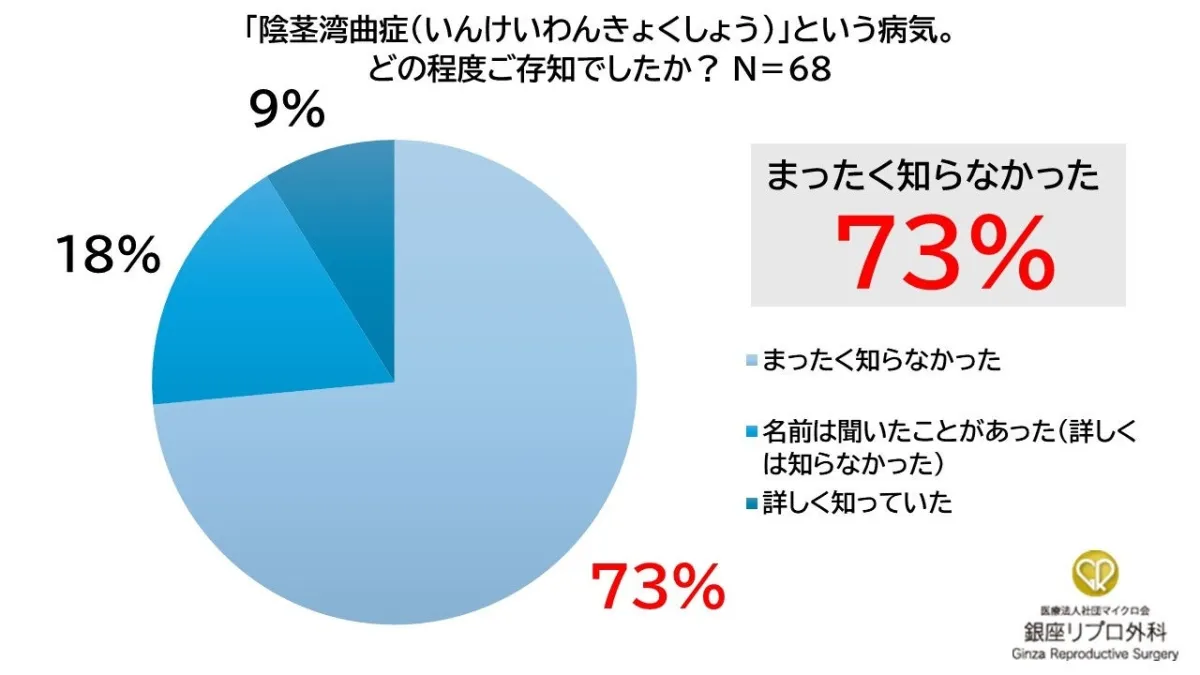
In June 2026, a survey targeted 300 women in their 30s to 50s, including 68 mothers of middle school or high school boys. The results revealed a startling statistic: 73% of mothers were entirely unaware of penile curvature syndrome (also known as Peyronie's disease), a condition that can manifest during adolescence. This lack of knowledge is concerning, as timely intervention and awareness are crucial for addressing such health issues.
Why Knowledge Matters
Penile curvature syndrome is a common condition that can lead to various emotional and physical challenges during puberty. Adolescents may feel uncomfortable discussing their concerns with their parents, which further complicates the issue. The survey found that the prevailing lack of knowledge among parents indicates a gap in education regarding critical sexual health topics.
World Sexual Health Day: Importance of Access to Information
World Sexual Health Day, initiated by the World Association for Sexual Health (WAS), seeks to promote awareness and education regarding sexual health issues worldwide. This year's theme emphasizes the necessity for parents to be well-informed, enabling them to support their children effectively.
Sources of Information: Insights from the Survey
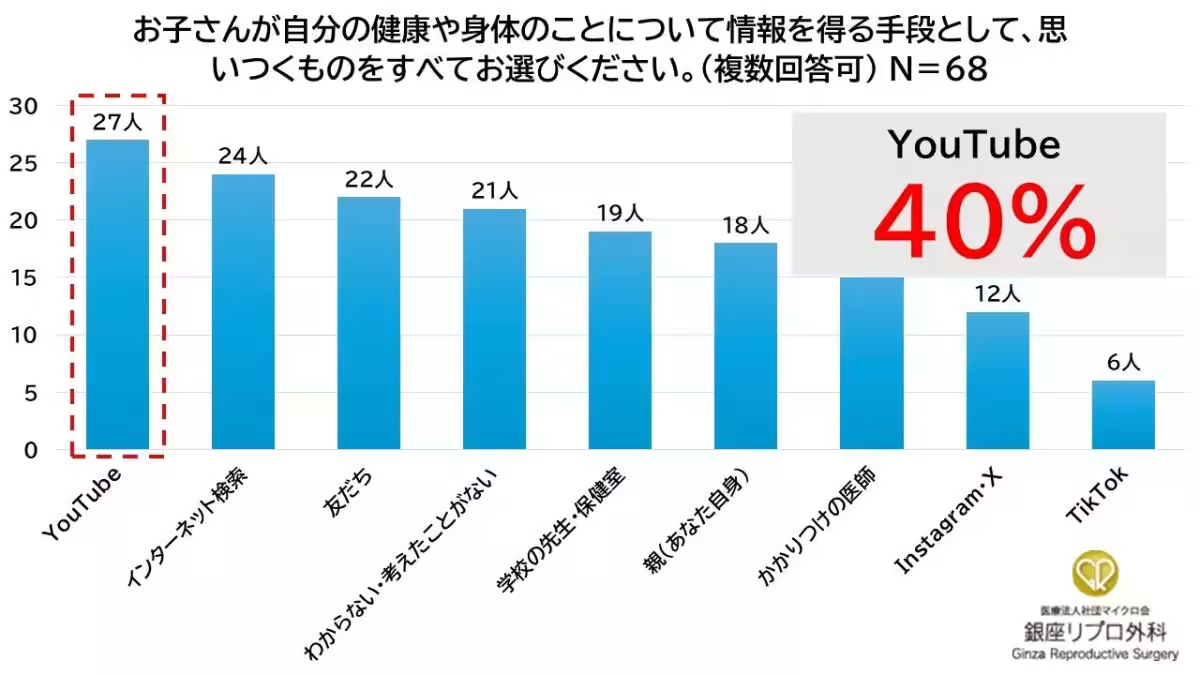
When asked about how their children gather information related to health and body, the most common response among mothers was YouTube (40%), followed by internet searches (35%) and friends (32%). Only 27% of mothers mentioned discussing such topics with their children. Alarmingly, 31% of respondents admitted to not knowing or never considering how their children acquire this information. This disparity underscores the urgent need for parental education and engagement in discussions surrounding health topics during adolescence.
Concerns of Parents Regarding Penile Curvature
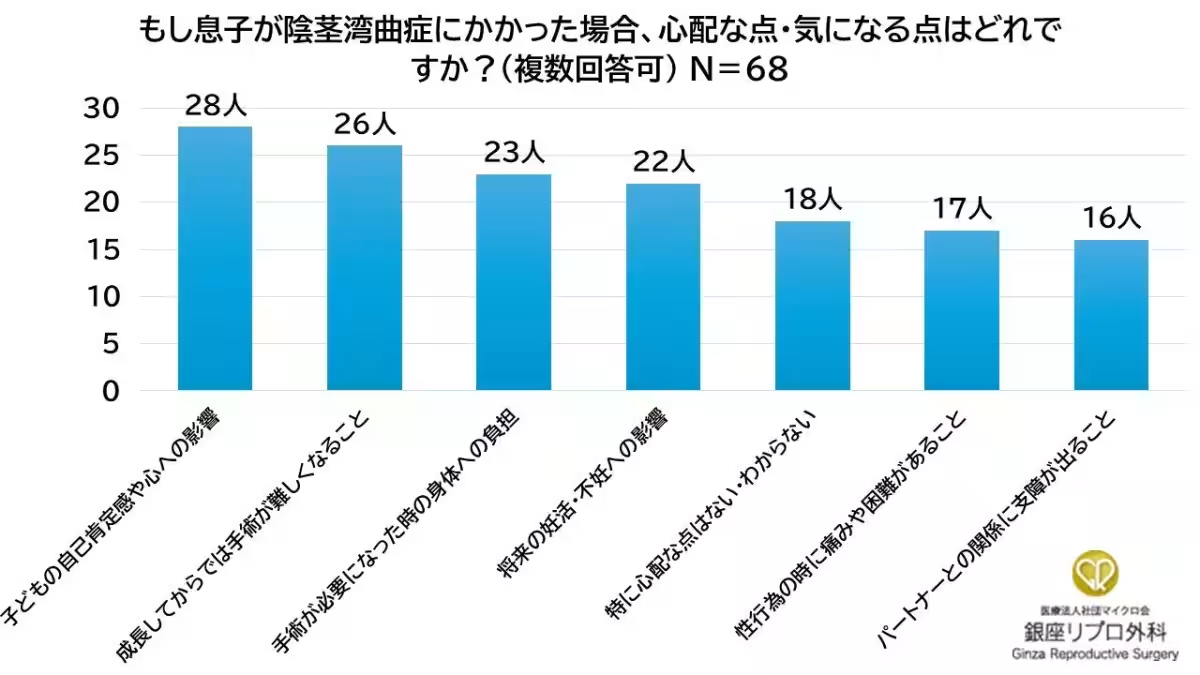
When asked about their concerns if their son was diagnosed with penile curvature, 41% of mothers expressed worry about the impact on their child’s self-esteem and mental health. Additionally, there were concerns regarding the potential difficulty of corrective surgery as their child matures and the impact on future reproductive health.
The Role of Parents in Adolescent Health Discussions
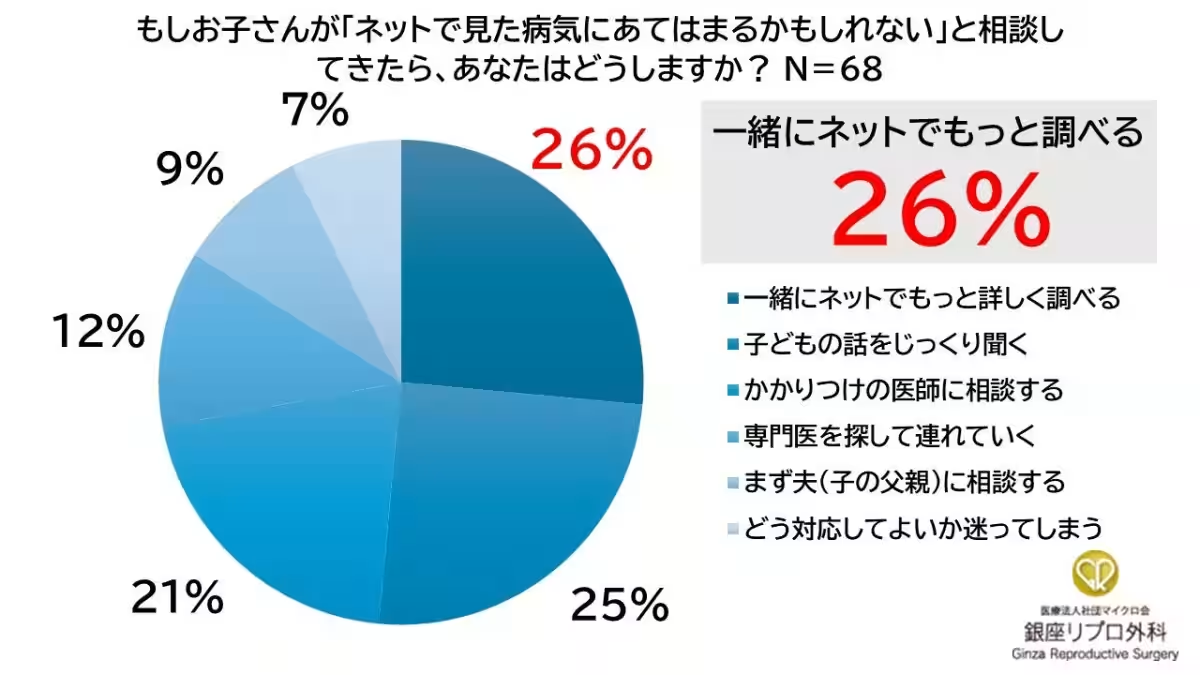
The survey further explored what mothers would do if their child approached them with health concerns after researching online. The most common response, from 26% of mothers, was to jointly search for more information online. Only 12% stated they would immediately seek out a specialist, which indicates a hesitance to approach medical professionals directly. This highlights a critical need for parents to understand what constitutes a significant health concern and when to seek professional help.
The Need for Proactive Information Sharing
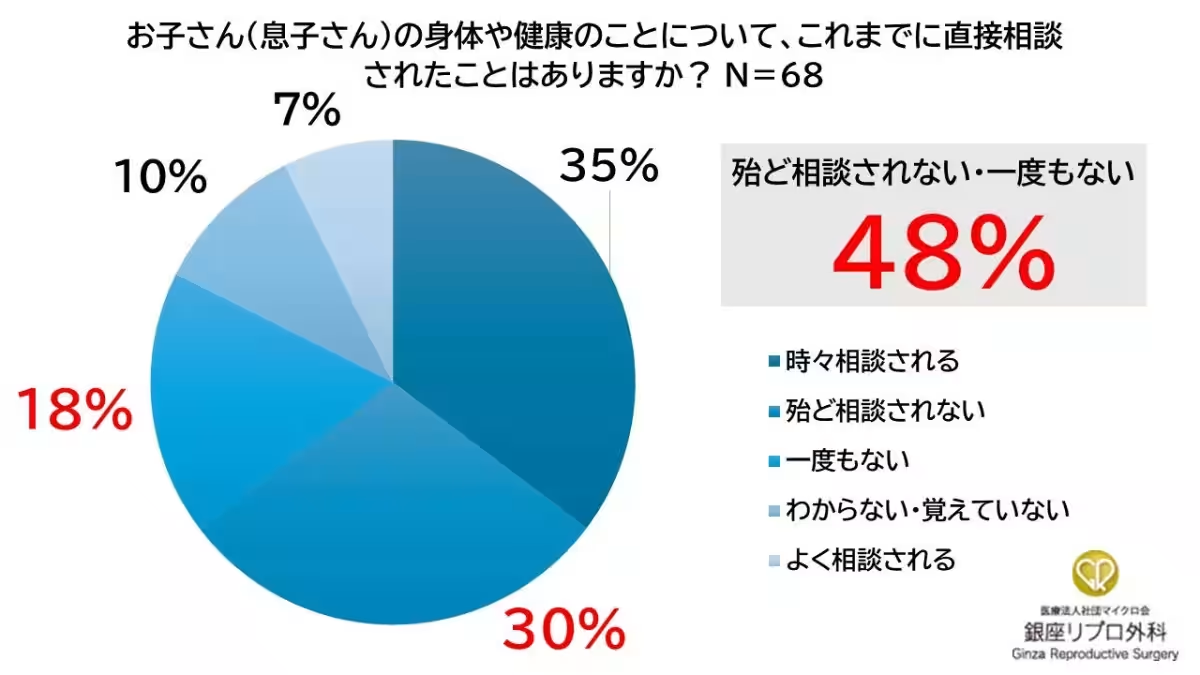
The findings suggest that parents are often unaware of the challenges their adolescent sons face regarding their sexual health. With many mothers indicating that their sons might not communicate their health concerns at all, it becomes imperative for parents to have a proactive approach. They should be equipped with accurate information about common adolescent health issues, including what to look for and when to seek medical advice.
Path Forward: Increasing Awareness and Education
GINZA Repro Clinic, in light of these findings, aims to enhance educational outreach using platforms like YouTube and various surveys. The goal is to provide parents with crucial information regarding penile curvature and other male-specific health conditions, empowering them to discuss these topics openly with their children.
By fostering an environment where both adolescents and parents can access reliable information, we combat silence and stigma surrounding male sexual health. The focus should be on creating a supportive network involving healthcare providers, parents, and young adults themselves.
Conclusion
With World Sexual Health Day on the horizon, the need for accurate information regarding adolescent sexual health has never been more pressing. As highlighted by the survey, many parents remain uninformed about significant health issues facing their children. This calls for robust educational initiatives that equip parents with the knowledge needed to support their children's health and well-being adequately.
References
For further information, visit World Sexual Health Day and explore the resources provided by GINZA Repro Clinic, specializing in sexual health and male infertility.

Topics Health)
【About Using Articles】
You can freely use the title and article content by linking to the page where the article is posted.
※ Images cannot be used.
【About Links】
Links are free to use.