



Understanding Consumer Response to Flyers: Key Insights for Effective Advertising
Insights on Consumer Responses to Flyers
In recent years, flyers have maintained significance in local marketing strategies despite the rise of digital advertisements through smartphones. A study by Ato Co. examined consumer perceptions and behaviors regarding traditional paper flyers among individuals from their 20s to 60s. This research reveals critical insights into what makes a flyer effective in attracting consumer attention and driving actions such as purchases or store visits.
Importance of Flyer Size and Relation to Consumer
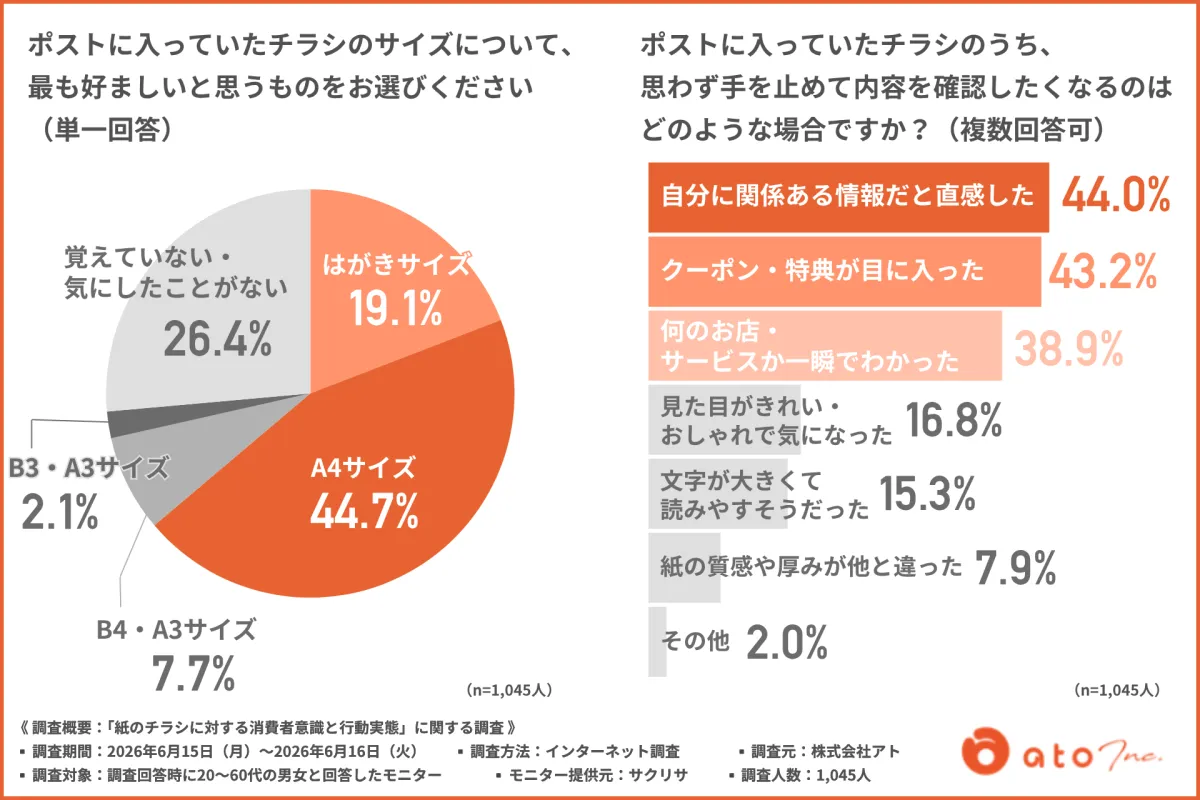
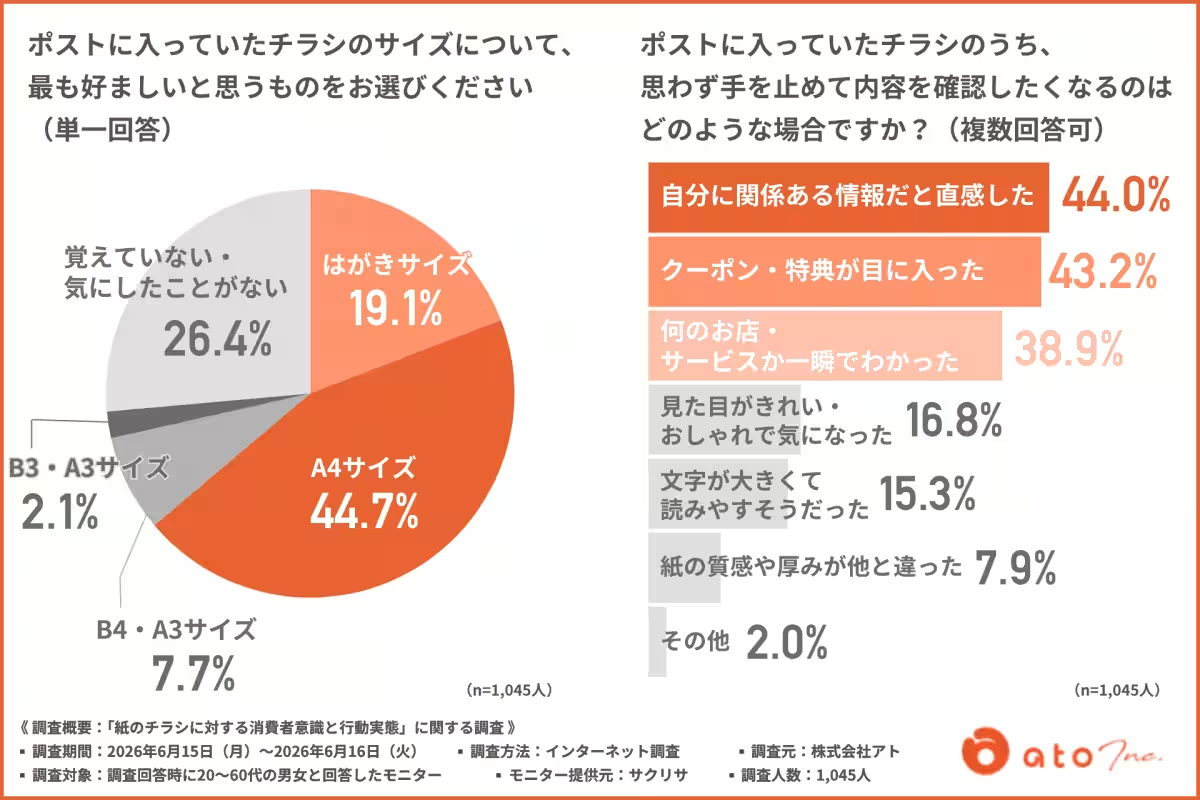
When asked about preferred flyer sizes, 44.7% of respondents favored A4 size, which aligns well with common document formats, allowing for a comfortable amount of information without overwhelming the reader. Interestingly, postcards (19.1%) have also gained popularity, indicating a trend where concise and visually digestible formats resonate better with an audience increasingly accustomed to compact content delivery.
Moreover, respondents were asked what factors make them stop and engage with the flyer. A staggering 44% indicated that flyers containing pertinent information immediately related to themselves, such as relevant industry details or local promotions, captivated their attention. Nearly as impactful were coupons or special offers that sparked interest (43.2%). These findings suggest the necessity for clear, targeted messaging that resonates with consumer needs.
Understanding Information Density Preferences
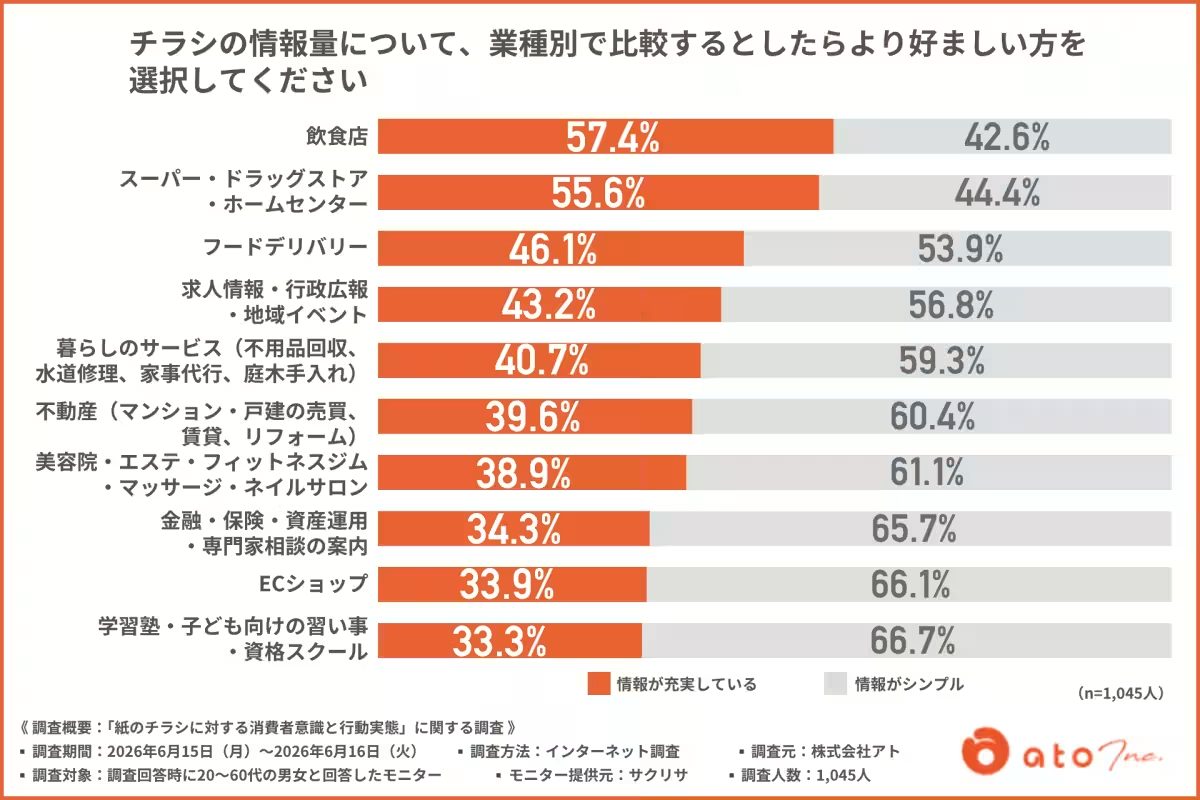
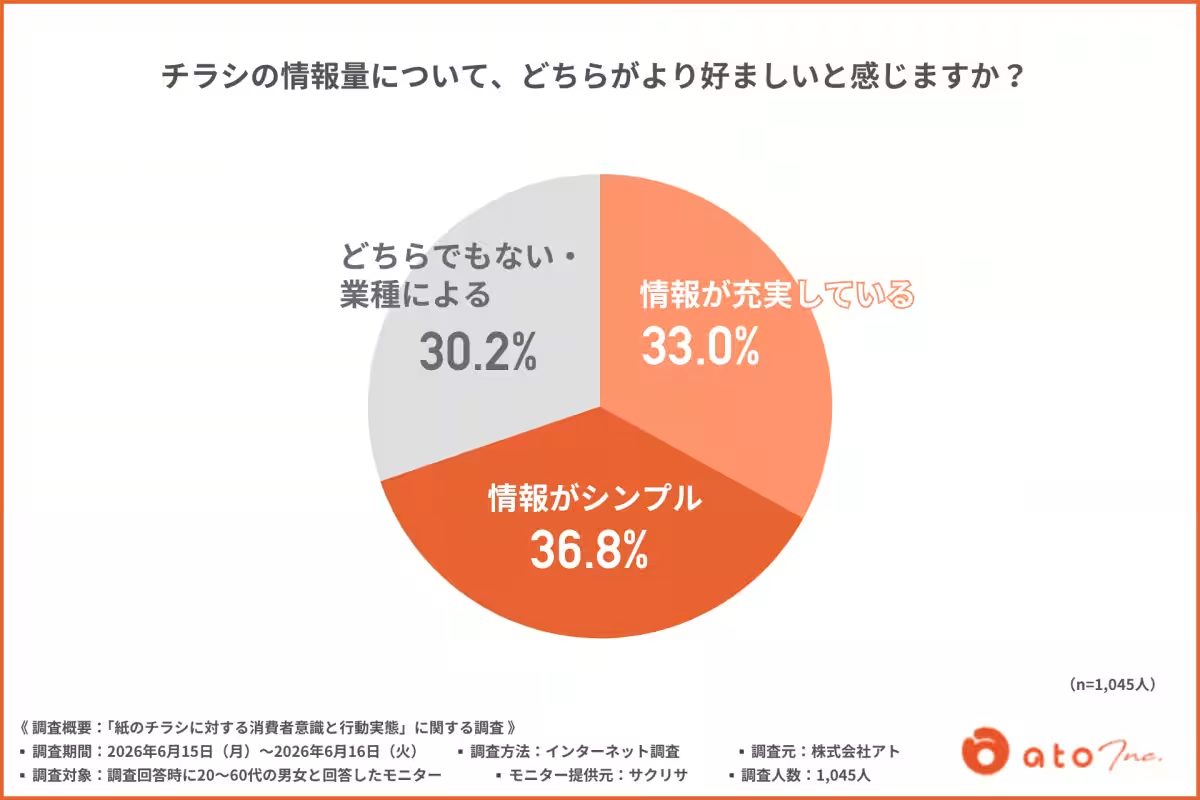
The study also scrutinized the volume of information consumers prefer on flyers. The results highlighted a close divide between 'detailed' and 'simple' strategies, with 36.8% favoring a straightforward approach while 33.0% preferred comprehensive details. Interestingly, this divide varies by industry; for example, daily need establishments like restaurants or supermarkets often require more data to facilitate comparisons, whereas service-oriented businesses, such as educational institutions or high-involvement purchases, tend to benefit from more simplified messaging.
Consumer Perceptions on Discounts: Percentage vs. Flat Amount
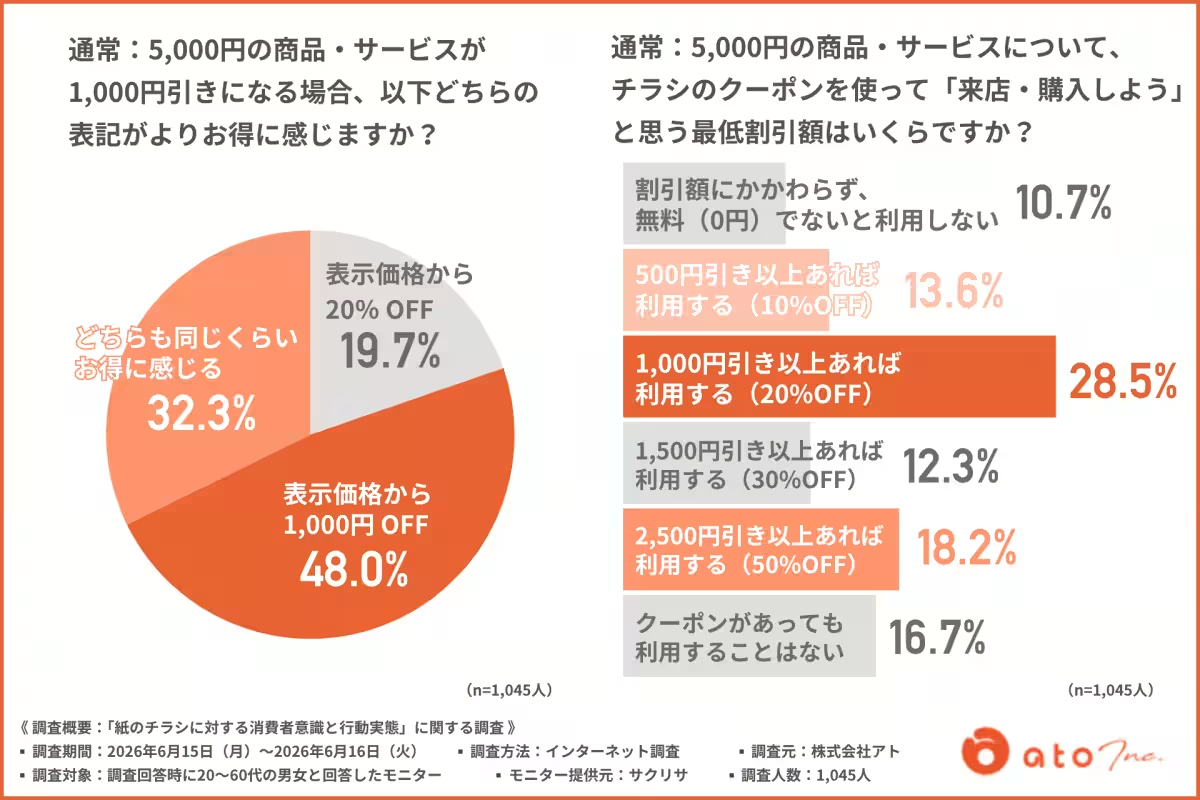
The question of discount presentation played a pivotal role in consumer choice. When presented with two forms of discounts for a product priced at 5,000 yen: a flat 1,000 yen off or a 20% discount, a notable 48% felt that the flat amount conveyed a better deal compared to just 19.7% who preferred the percentage off. This shows that direct monetary savings resonate more clearly with consumers, reducing the need for mental calculations to assess value.
Thresholds for Action Based on Discounts
The survey further identified critical thresholds for discounts necessary to encourage a purchase. An impressive 28.5% indicated that a discount of at least 1,000 yen (20% off) was required to motivate a visit or purchase, highlighting this as a crucial barometer for businesses seeking to enhance their flyer effectiveness. Below this threshold, consumer engagement significantly declines, emphasizing the need for businesses to provide substantial incentives that encourage foot traffic.
Addressing Barriers to Consumer Action
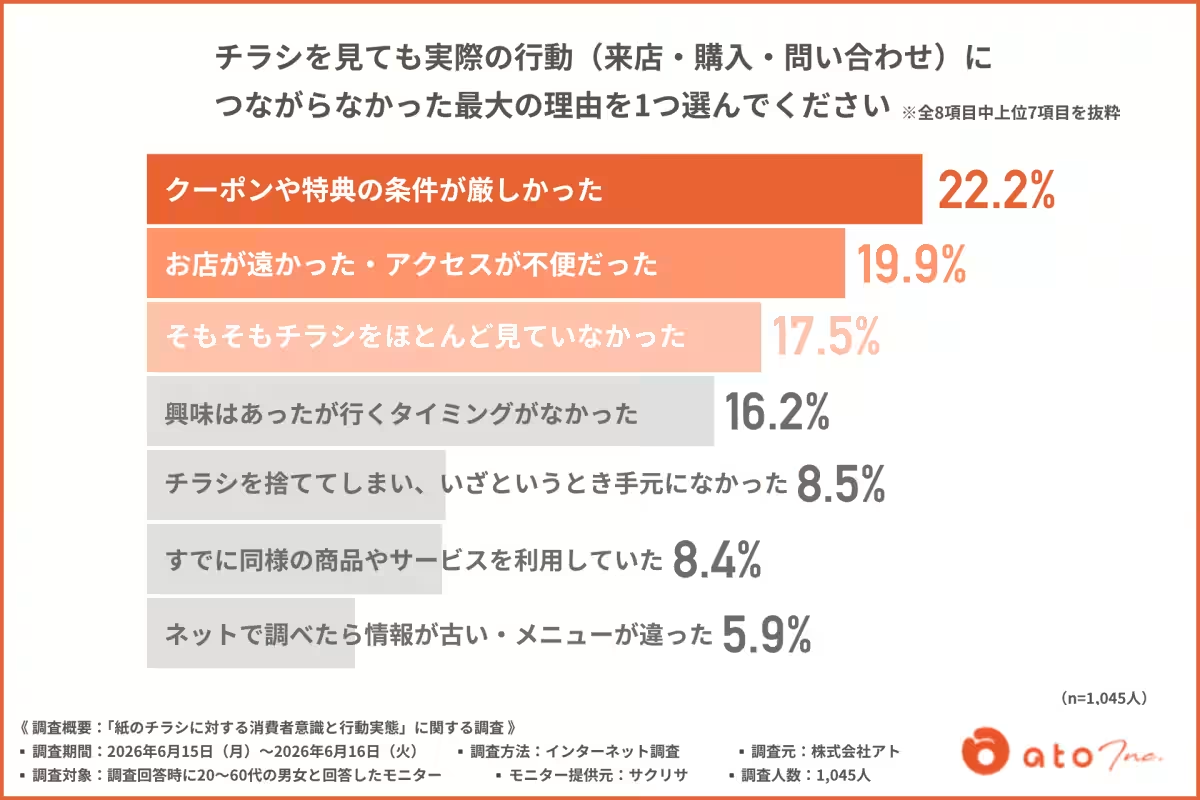
Despite enticing offers, the study uncovered significant barriers preventing actual consumer action. The leading reason cited, by 22.2% of respondents, was overly stringent conditions on coupons, such as minimum spending requirements or time constraints, which deterred potential customers. Additionally, logistical challenges, like distant store locations (19.9%), compounded the issue, demonstrating the necessity for businesses to ensure that promotional offers are both appealing and accessible.
Building Trust Through Design and Transparency
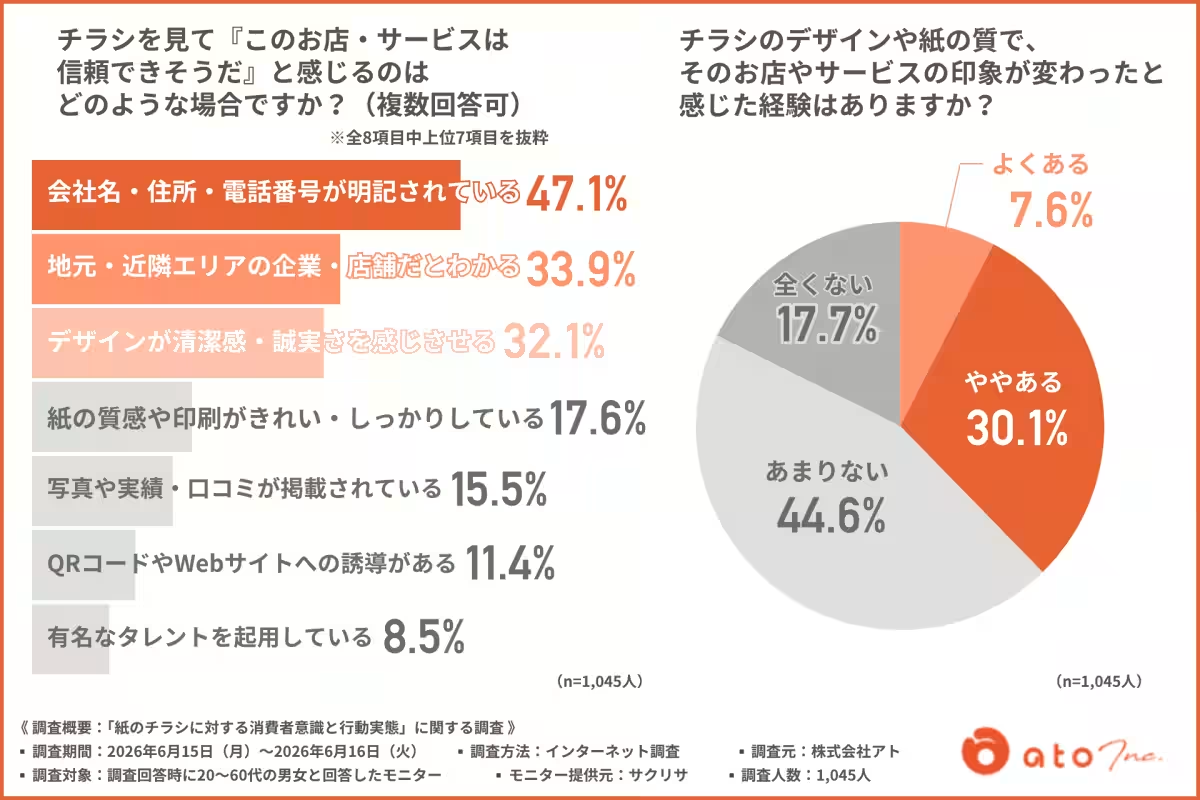
Trust is integral to consumer behavior, and the design of a flyer plays a role in establishing this trust. An impressive 47.1% reported that clear company information (name, address, phone number) was pivotal in determining their trust in the service being offered. The study further indicates that local presence (33.9%) and clean, professional design (32.1%) were also significant contributors to trustworthiness.
In conclusion, building effective flyers that result in consumer engagement necessitates a multifaceted approach. Elements such as proper sizing, relevant information, clear discounts, minimal barriers to action, and a trustworthy aesthetic all come into play. Companies must remember that success is not solely about providing enticing discounts, but also about fostering a deeper connection with local consumers through strategic flyer design and distribution.
Ato Co. emphasizes the impact of its direct mail services by providing deep insights into consumer trends, while striving to maintain a clear, engaging, and responsive approach to marketing communication. For more details about their services and research, visit Ato Co..

Topics Consumer Products & Retail)








【About Using Articles】
You can freely use the title and article content by linking to the page where the article is posted.
※ Images cannot be used.
【About Links】
Links are free to use.