



Inclusive Yoga Class Fosters Diversity Awareness at Higashishibamata Elementary
Embracing Diversity Through Yoga
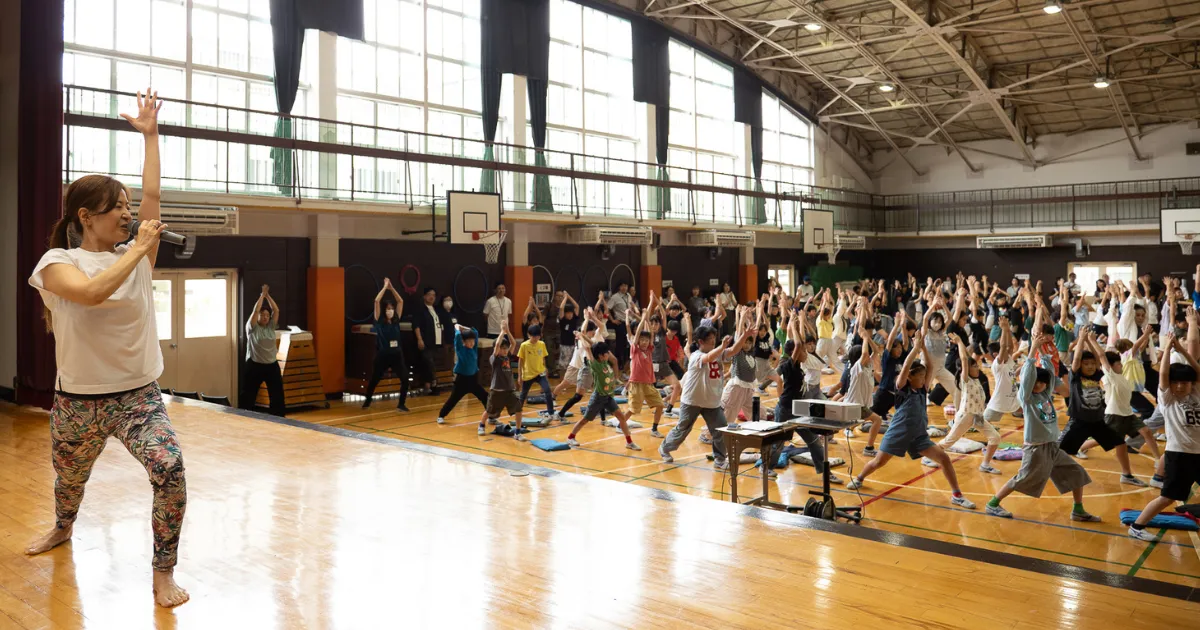
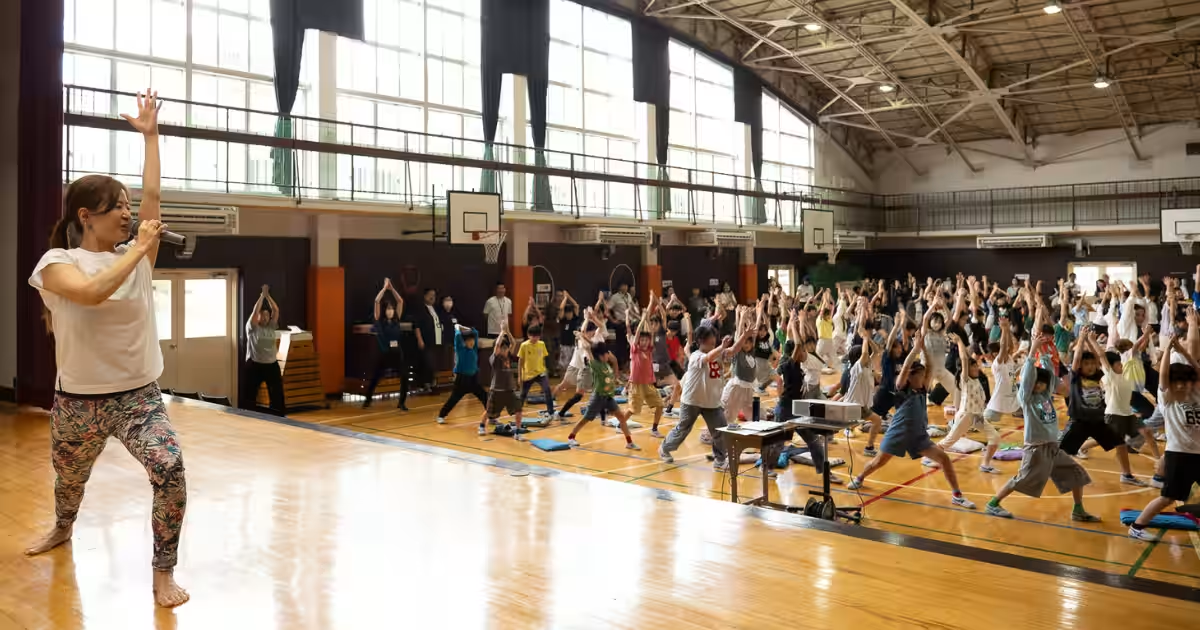
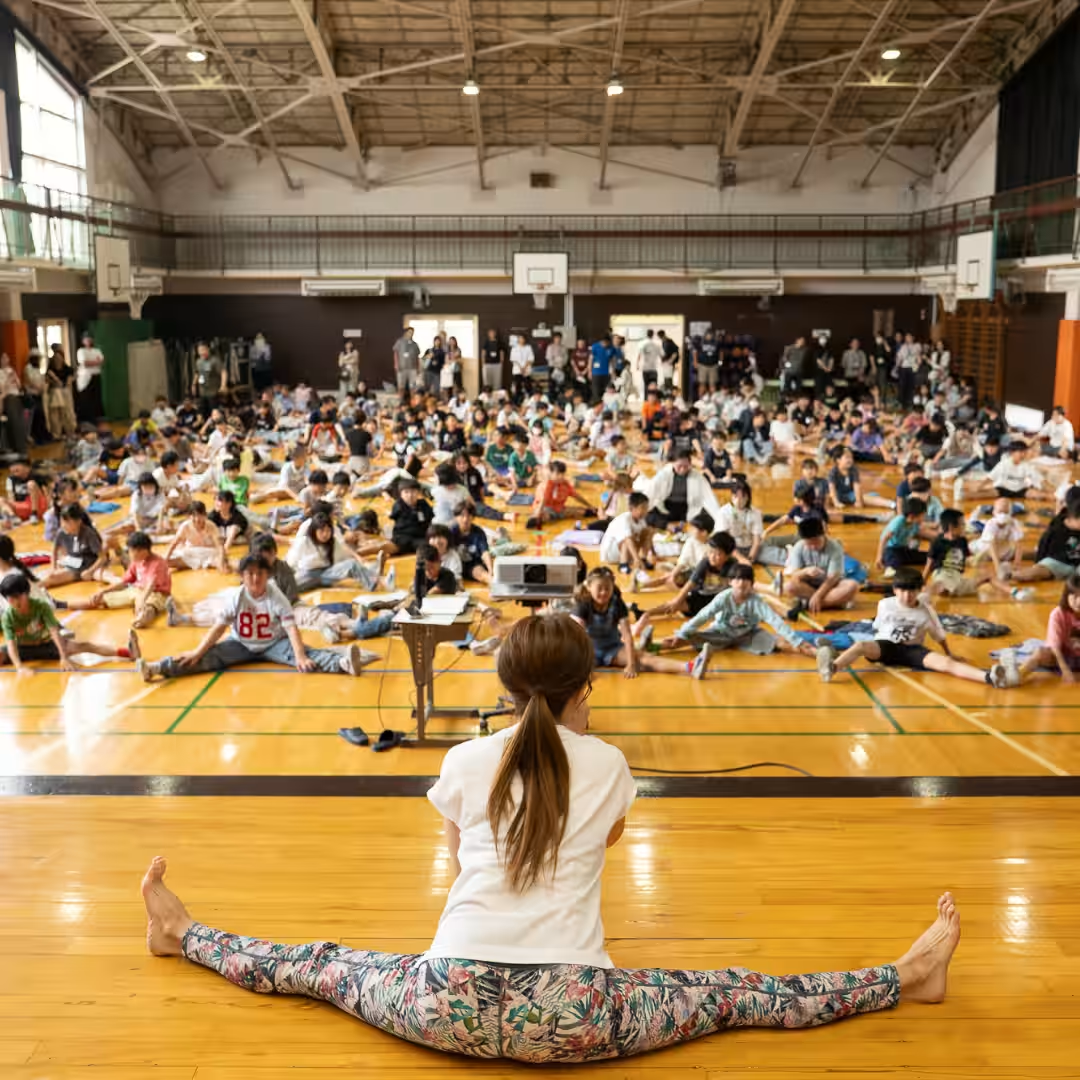
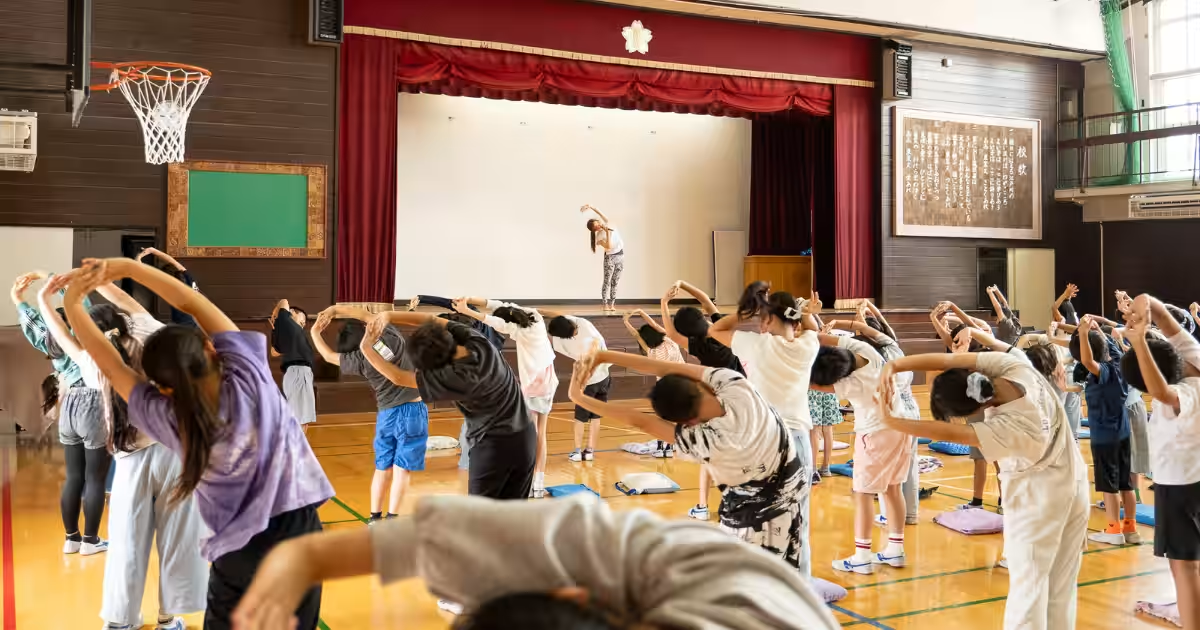
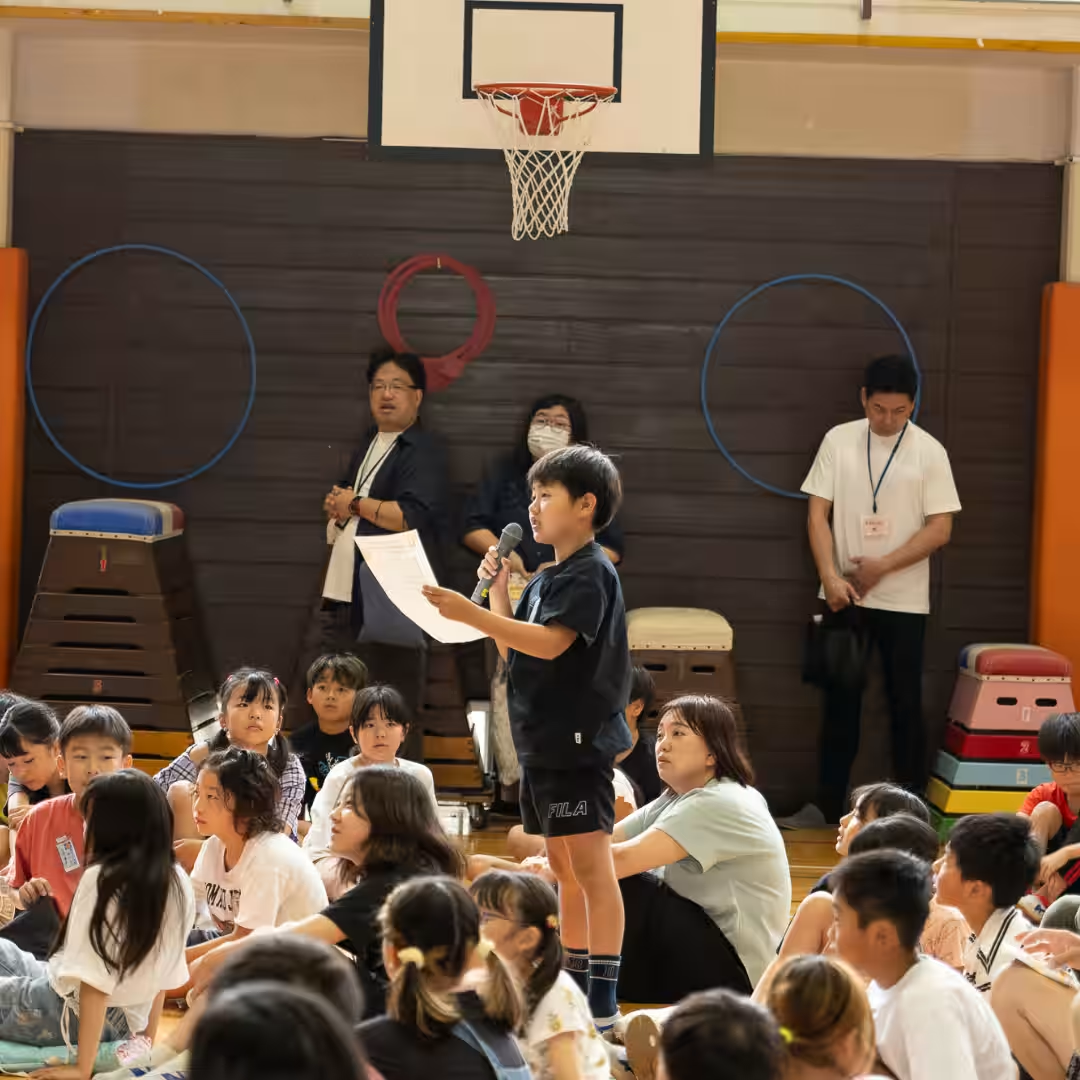
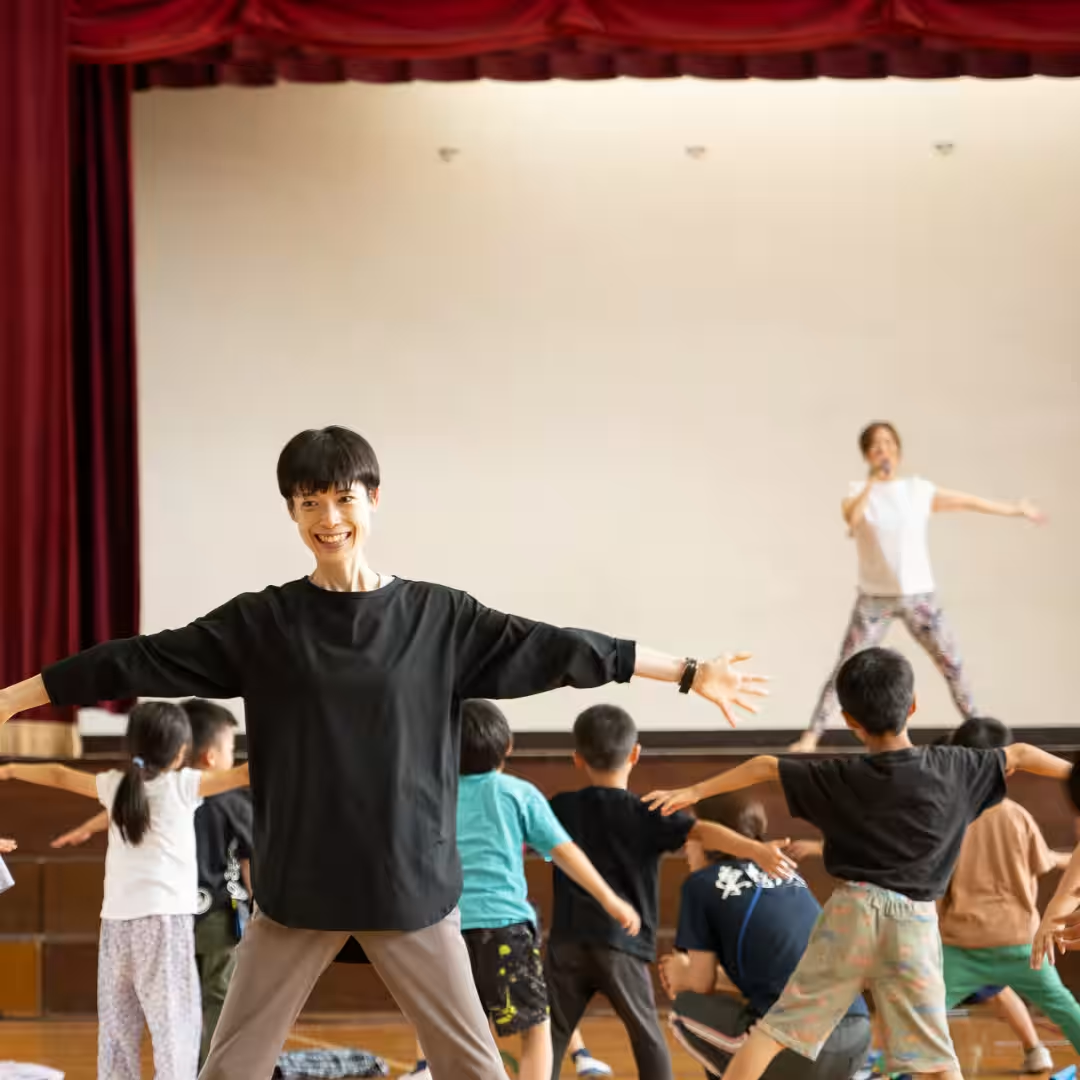
On July 4, 2026, Higashishibamata Elementary School in Katsushika City, Tokyo, hosted an inclusive yoga class designed to teach students about diversity and empathy. Under the auspices of the Enwan Project, which is dedicated to fostering inclusivity and understanding for individuals with illnesses or disabilities, the event attracted 254 students along with around 70 parents and community members.
The yoga class was part of a broader initiative called the "KARADAKARA" project, a collaboration between Nike and the Yomiuri Giants aimed at providing inclusive sports experiences. Participants were invited to engage in a unique learning atmosphere that emphasized personal experience, inclusivity, and mutual respect.
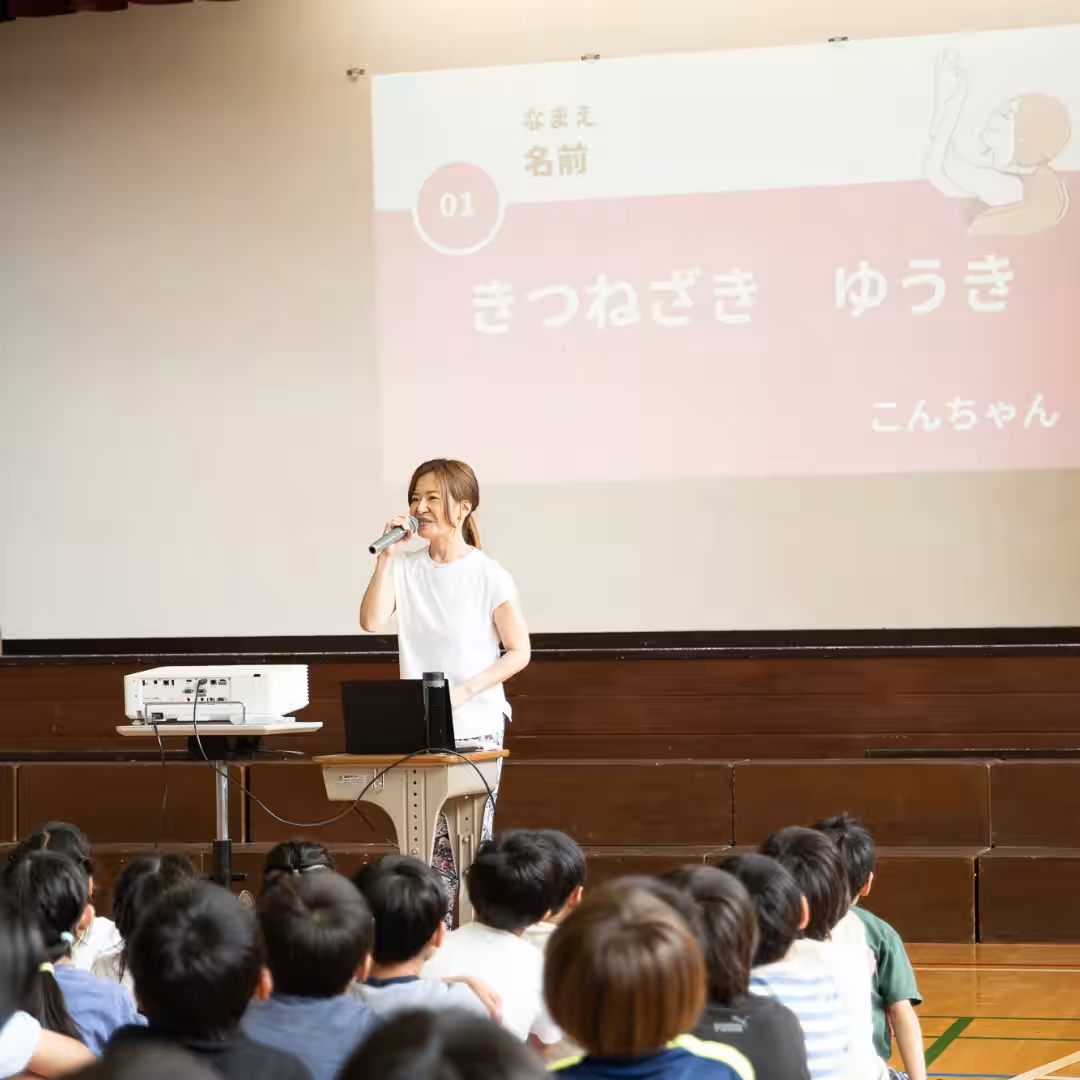
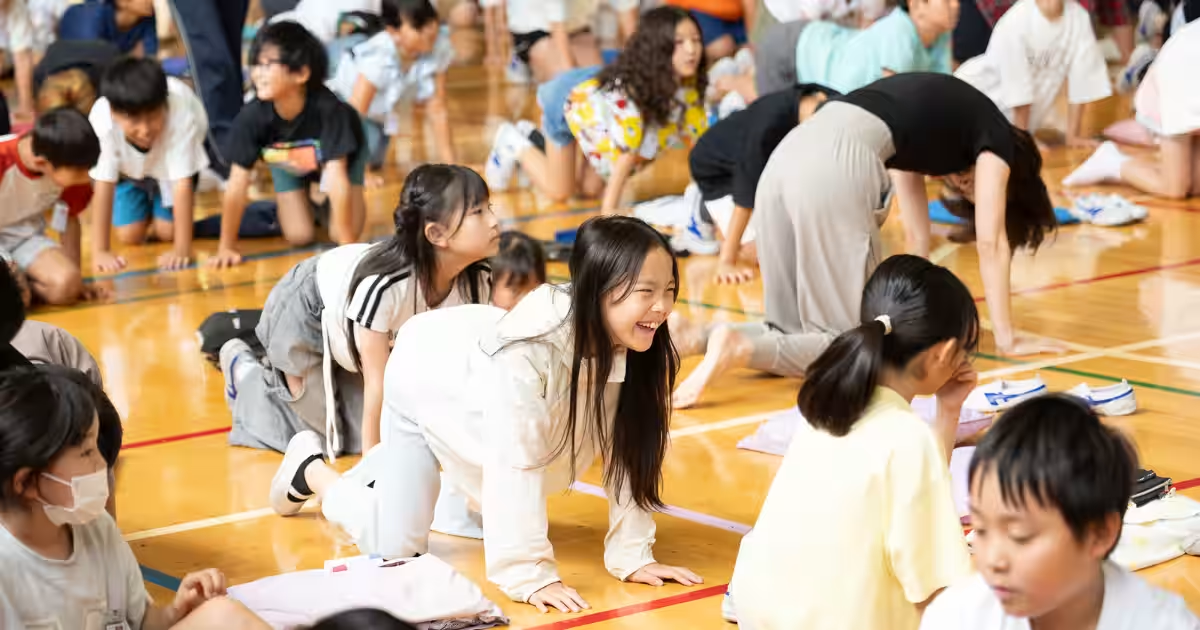
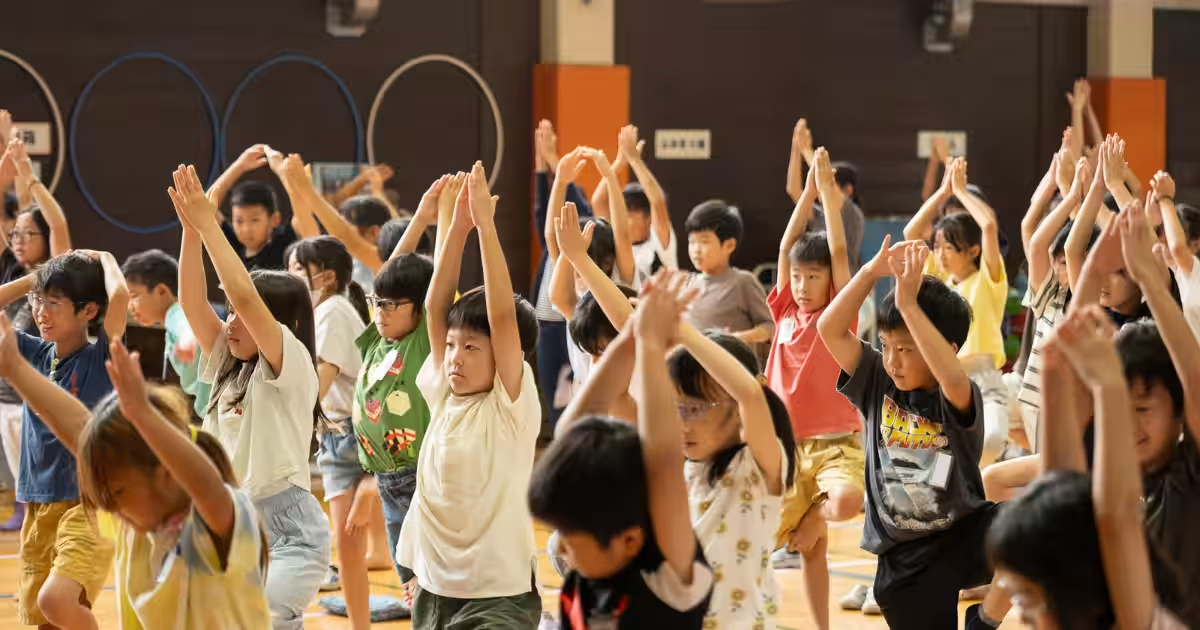
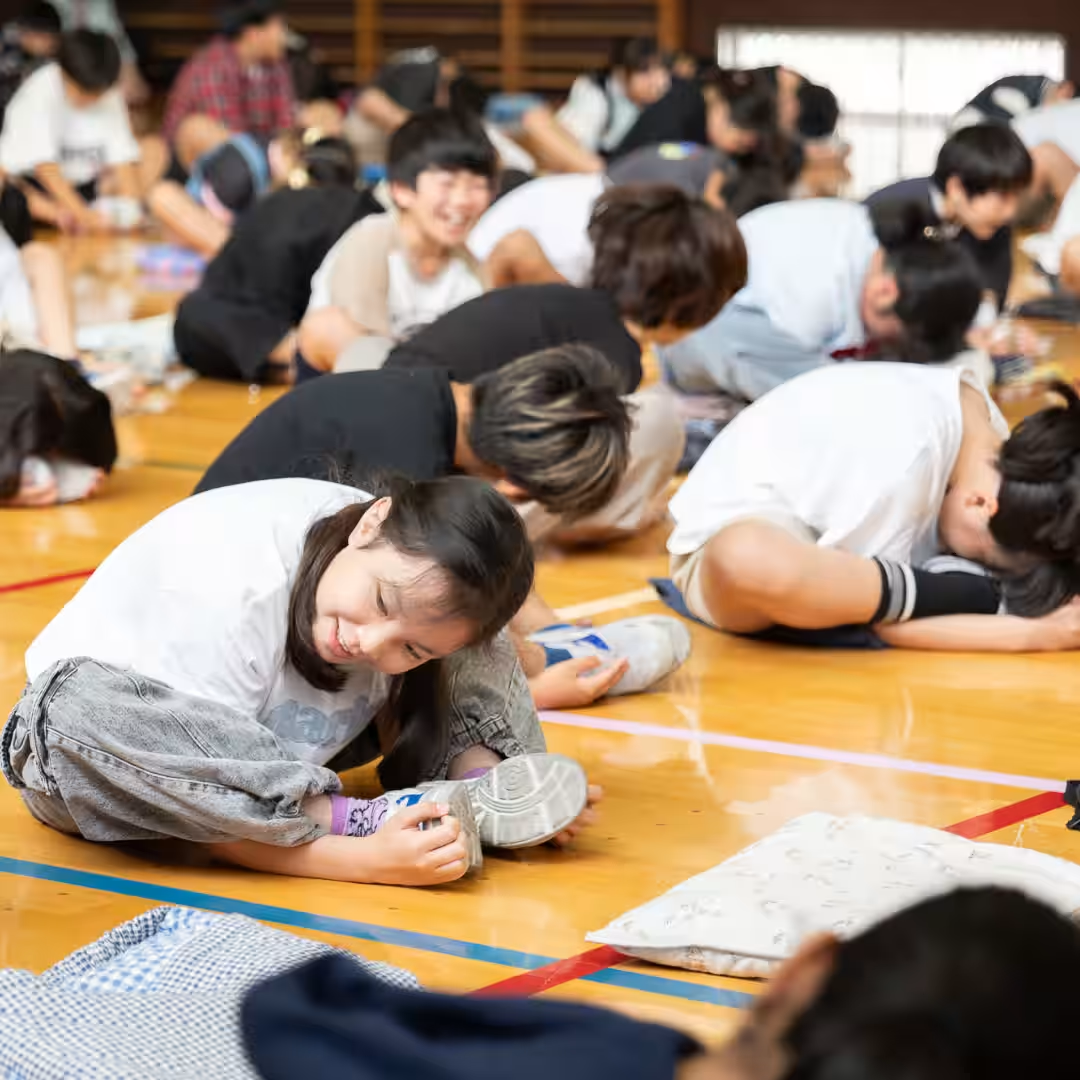
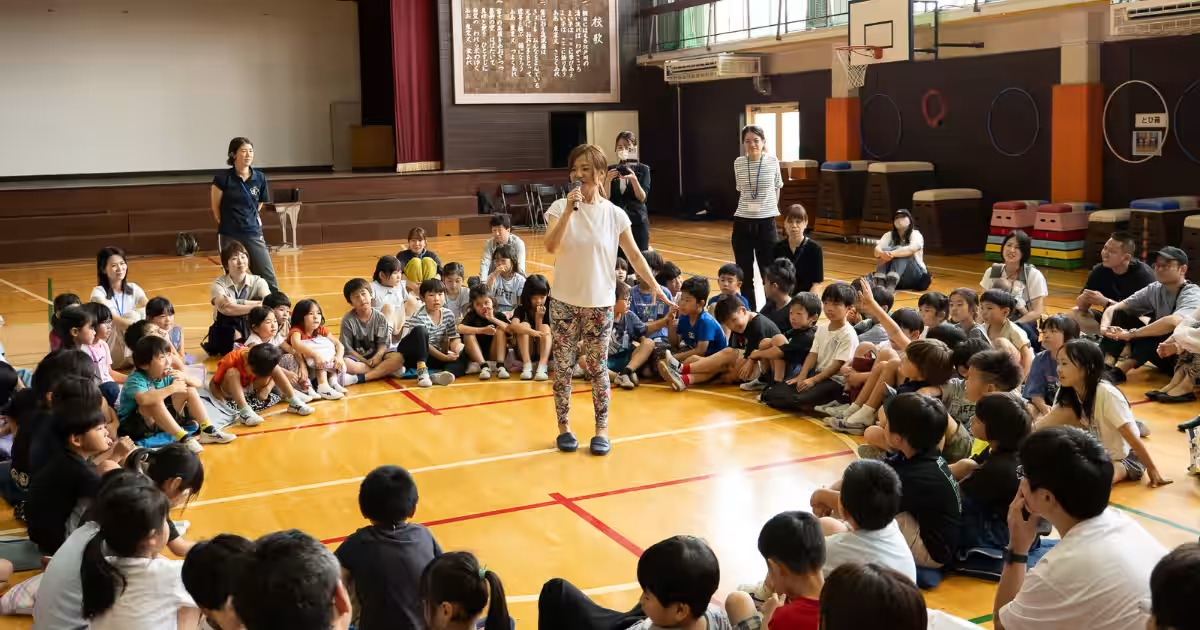
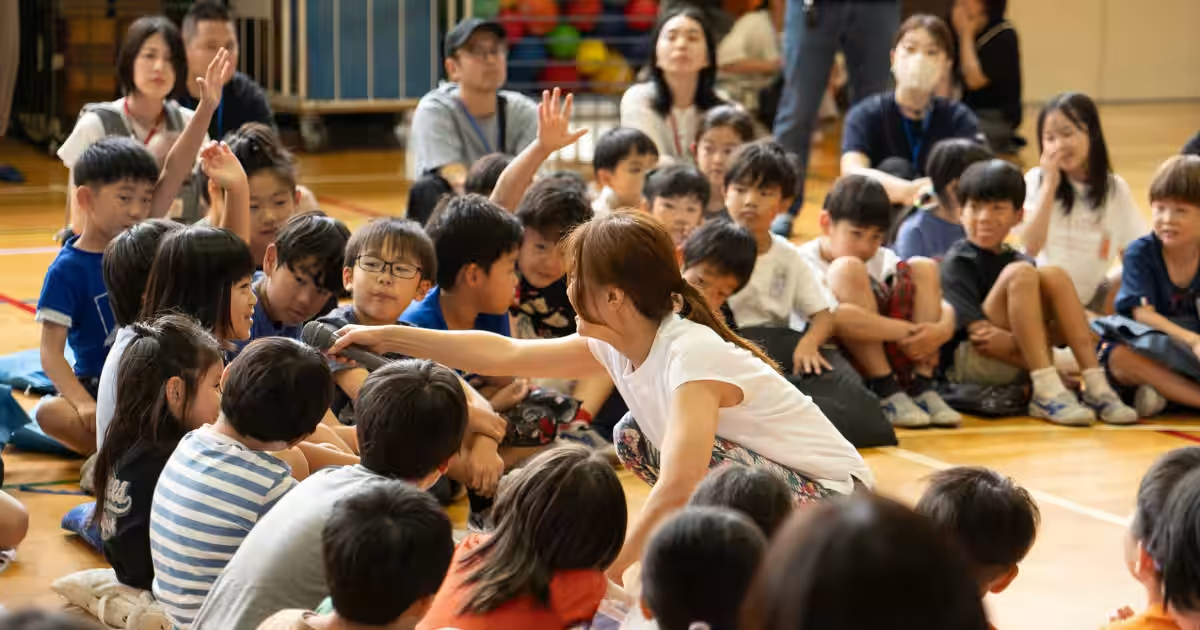
The session was led by an instructor who not only holds a yoga teaching certificate but also has firsthand experience living with a serious illness. The structure of the class combined storytelling with interactive yoga exercises and facilitated dialogue. As students moved through the poses, they were encouraged to focus on their own feelings and experiences rather than comparing themselves to others. This approach was embodied in the class motto: "You don't have to compare, you don't have to compete; your body is good just as it is."
The program was tailored for different age groups, with a 45-minute session for grades 1-2 and a 90-minute session for grades 3-6. The educators designed the curriculum to ensure that all participants could enjoy and fully engage with the activities. The overall aim was to help students understand and appreciate the importance of acknowledging persons living with illnesses and disabilities, breaking down preconceived notions that often surround them.
As the class progressed, conversations emerged around how to approach and interact with individuals who might be facing challenges, and the boys and girls began to grasp that having an illness or disability does not equate to being 'pitiful.' This inclusive perspective flourished as students learned to recognize the shared humanity in their peers regardless of their circumstances.
Realizing the Importance of Presence
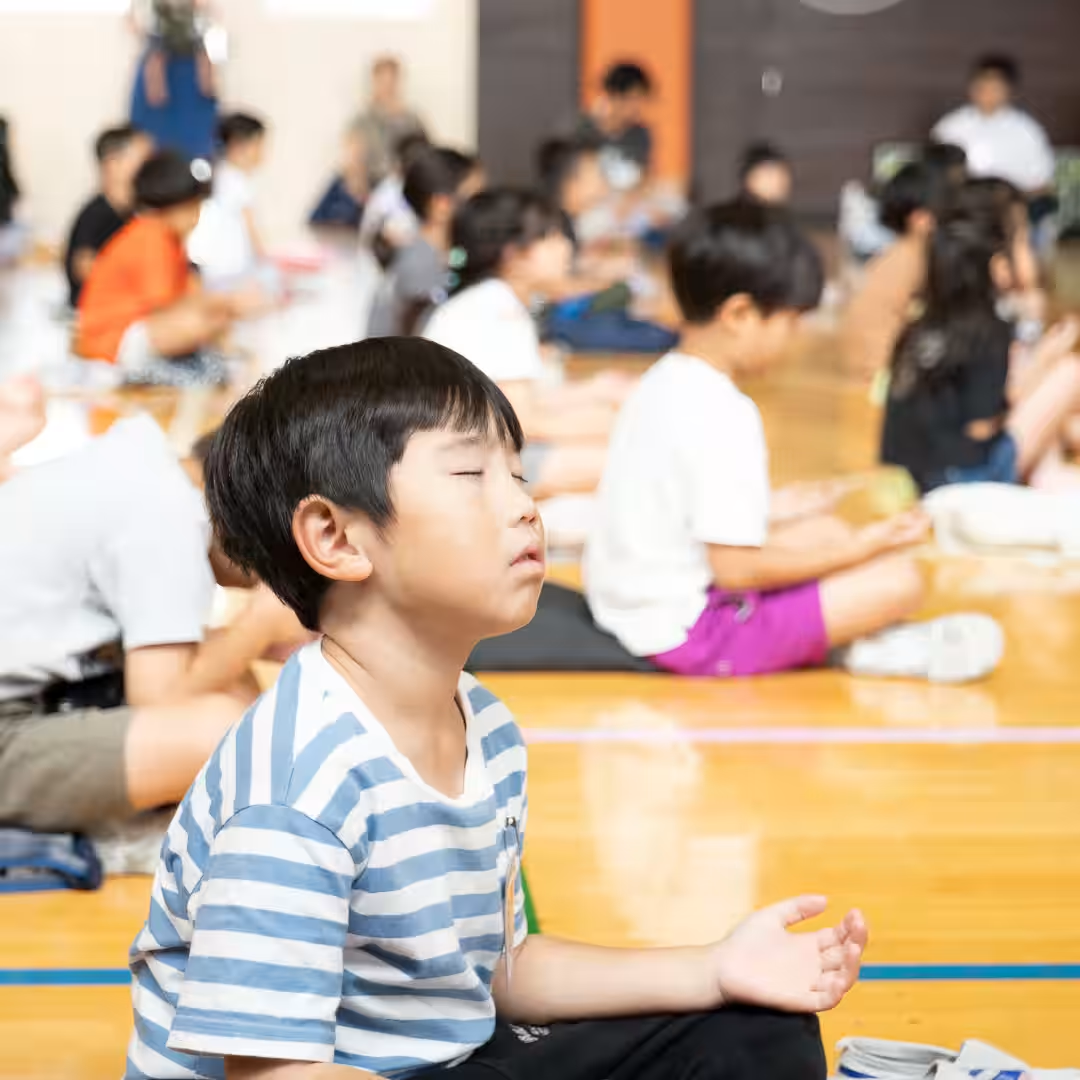
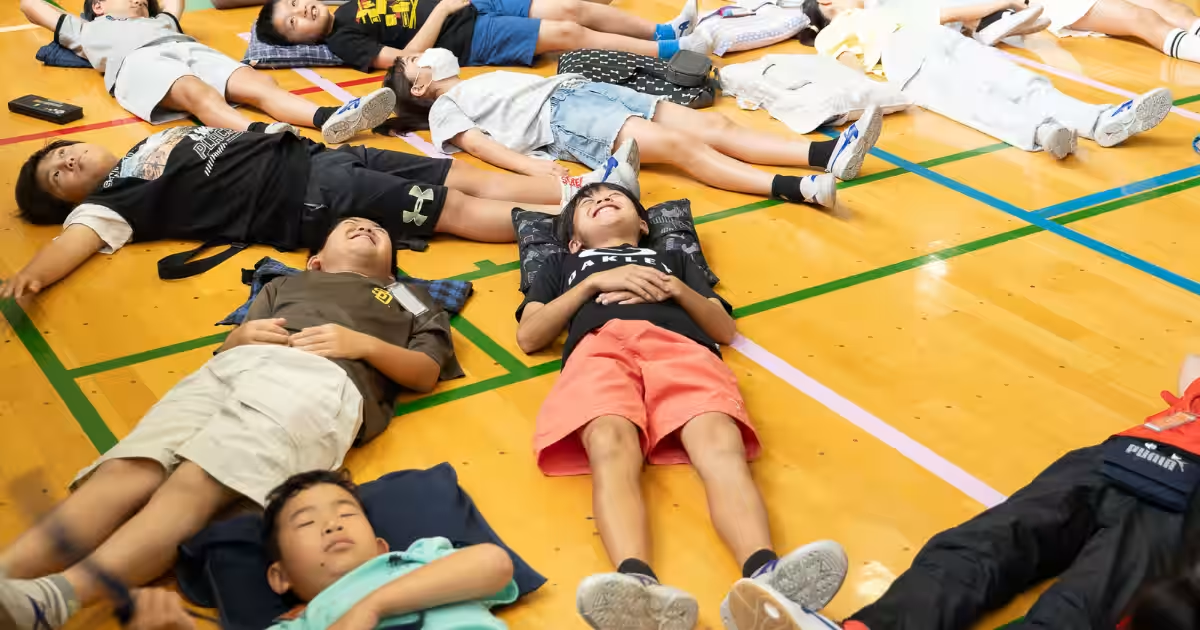
One significant aspect of the yoga class was how it encouraged students to focus on their breath and the sensations of their bodies. Encouraging relaxation and self-awareness, the children discovered an appreciation for simply being alive in the moment. The instructor noted that even younger children were able to concentrate and immerse themselves in the experience.
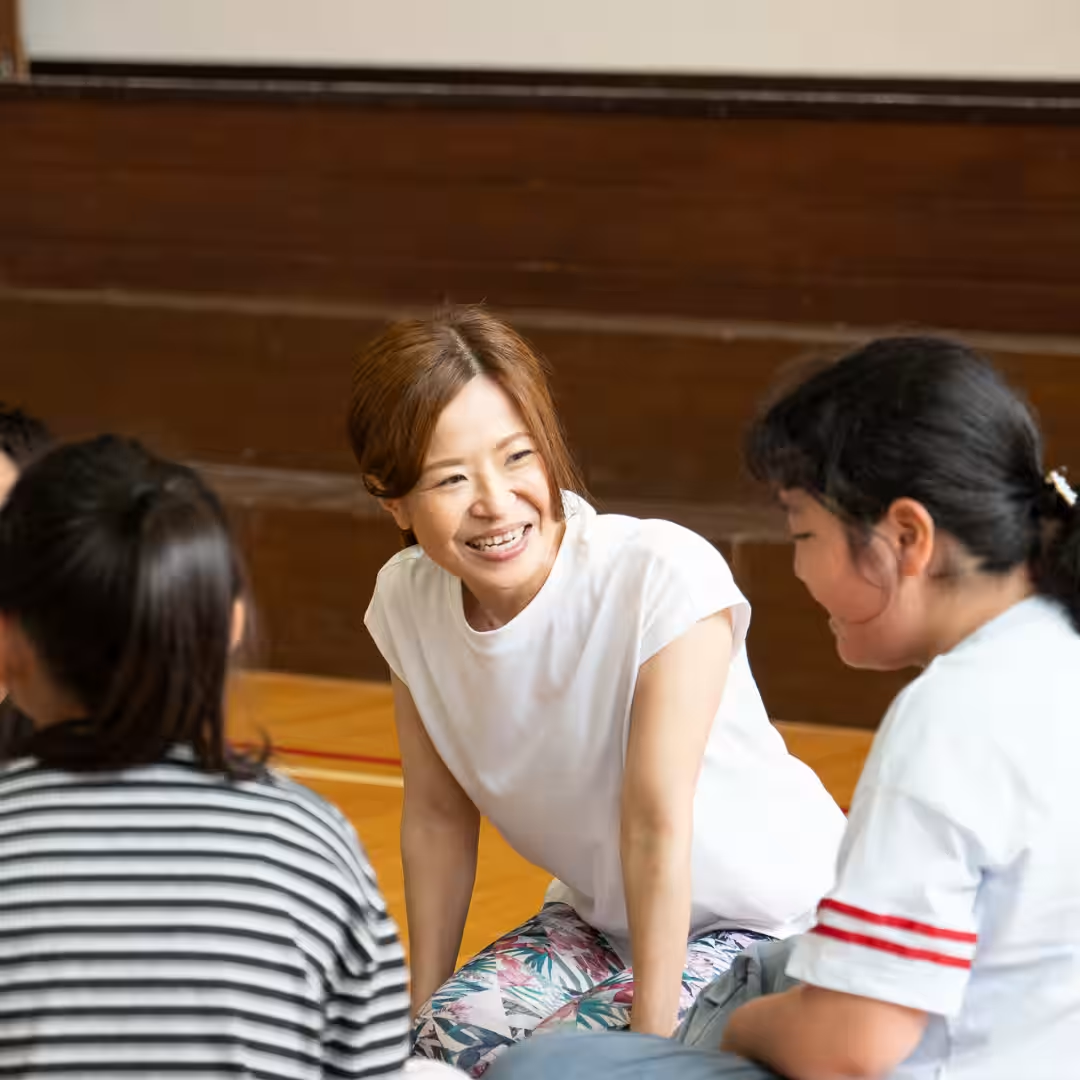
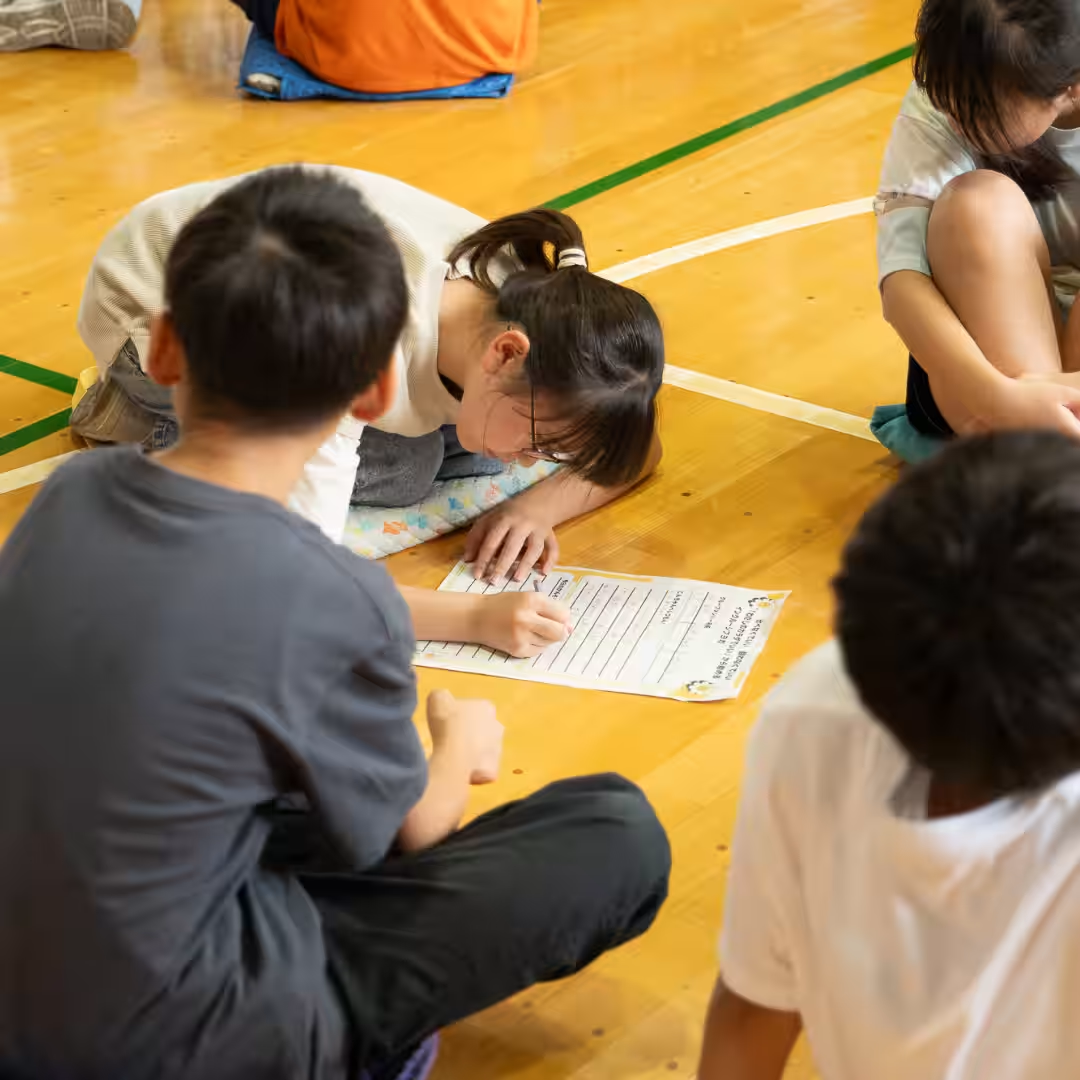
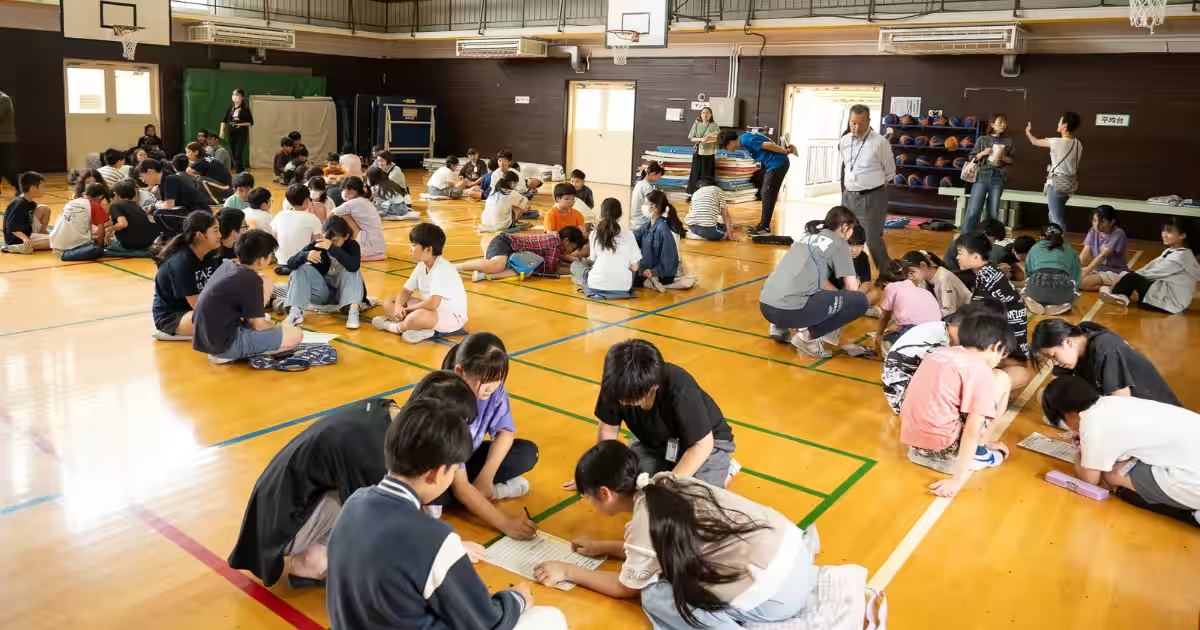
Toward the end of the session, students participated in small group discussions that prompted thoughtful reflections on how to deal with illness and the valuable lessons behind mutual respect and understanding. Feedback echoed sentiments of newfound appreciation and respect for the differences that make everyone unique. The message that everyone could practice yoga together, regardless of their physical prowess or disabilities, resonated deeply with participants.
Several students articulated their evolving attitudes, such as their recognition of the instructor's strength despite physical challenges and how they could now appreciate their own abilities without comparing themselves to others. This ability to shift perspectives signifies a crucial step towards fostering a more inclusive society.
Impact Beyond the Classroom
Parents also reflected on the impact that the class had on their children. Many shared how their kids were animatedly discussing yoga poses at home, suggesting benefits beyond mere physical exercise. These conversations have become gateways for families to engage with health and wellness topics, promoting an ongoing culture of inclusivity and support.
Educators reported that students, whether grappling with their own fears or hesitations, began to embody a spirit of resilience. By engaging with the instructor's journey and challenges, children discovered that obstacles could be met with positivity and determination.
In conclusion, the inclusive yoga class at Higashishibamata Elementary not only served as a physical activity but also as a resilience-building exercise that nurtured self-acceptance and empathy among young students. The multifaceted approach, which integrated storytelling, yoga, and dialogue, effectively cultivated an environment where differences are respected, and self-worth is celebrated. The event was a resounding success, showcasing a model for similar initiatives that can enrich educational experiences across communities.
Looking Ahead
With the overarching goal of integrating more inclusive activities into school curricula, the Enwan Project continues to advocate for educational models that honor and respect diversity. As more schools adopt practices like these, the hope is to create environments where every child feels valued, understood, and empowered to live their best lives, regardless of their background or abilities.


Topics Other)

【About Using Articles】
You can freely use the title and article content by linking to the page where the article is posted.
※ Images cannot be used.
【About Links】
Links are free to use.