



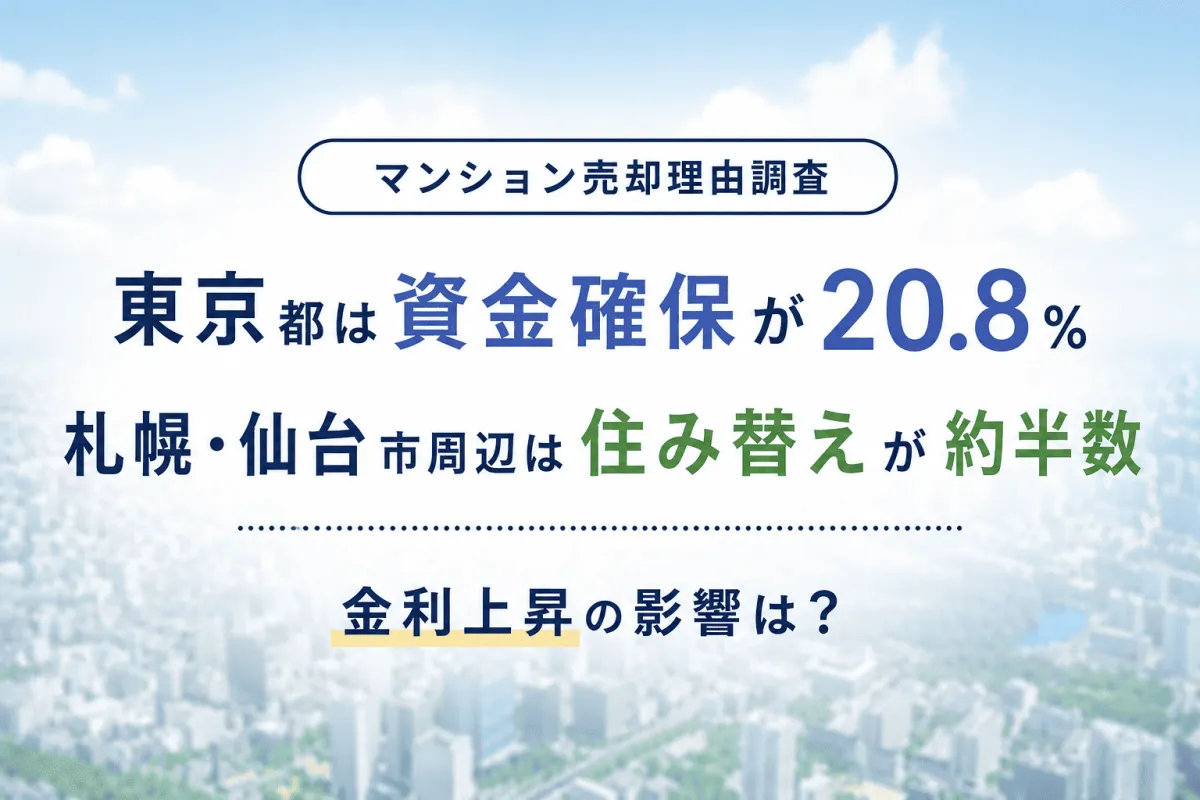
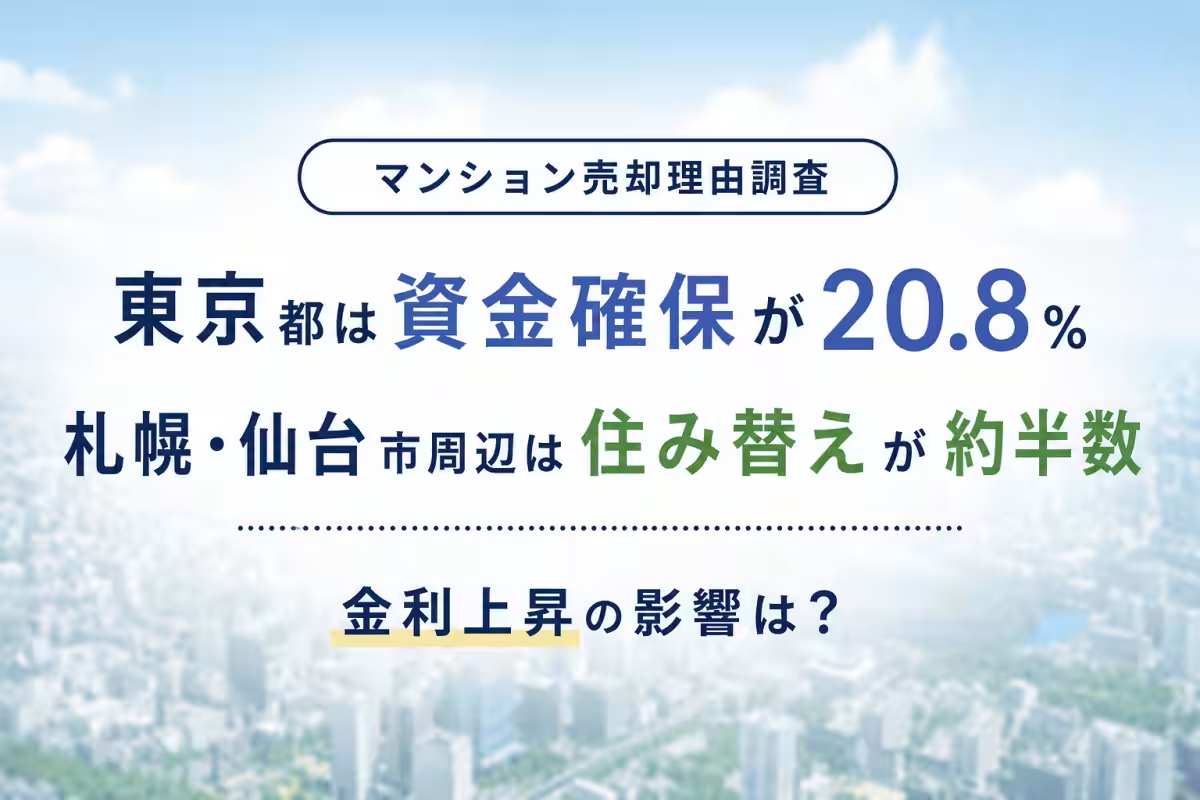
Analyzing Reasons Behind Condominium Sales in Japan: Insights from Star Mica's National Survey
Understanding the Trends in Condominium Sales in Japan
In a recent survey conducted by Star Mica Co., Ltd., a leading real estate company based in Tokyo, the underlying motivations for selling condominiums have been explored, revealing distinct regional differences throughout Japan. As housing prices spike, many individuals are contemplating selling their properties, yet the landscape is further complicated by the rising interest rates.
Background of the Survey
The survey, entitled 'Reasons for Selling Condominiums', ran from May 22 to July 22, 2026, and targeted potential sellers across various regions, including Tokyo's 23 wards and surrounding areas of Osaka, Kanagawa, Fukuoka, Sapporo, and Sendai. With a sample size of 200 respondents, the survey collected insights to understand this critical aspect of the real estate market.
Key Findings
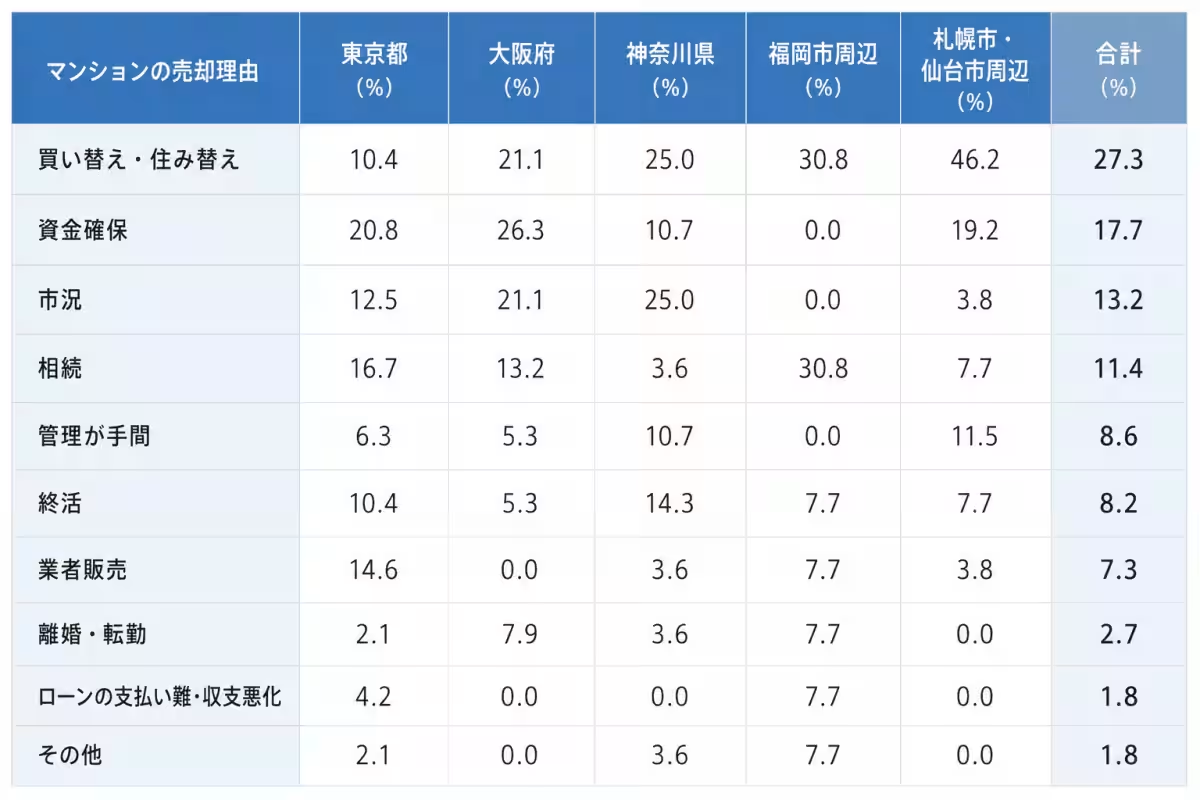
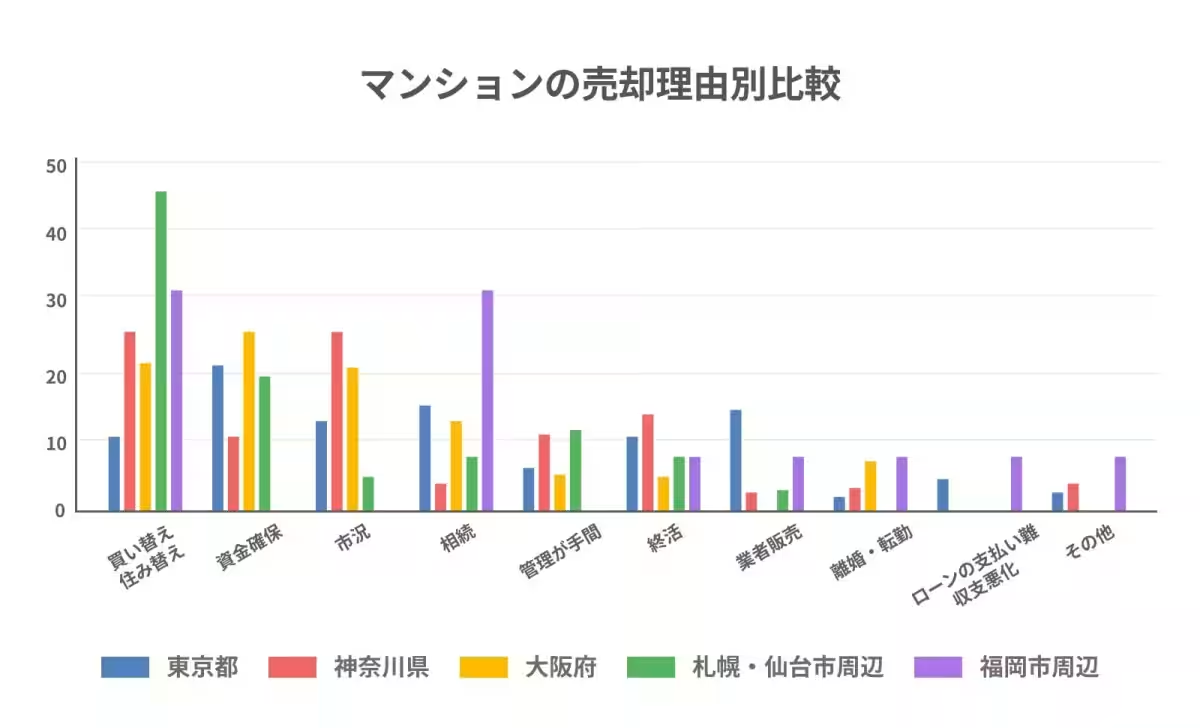
One of the survey highlights is the notable variation in selling motivations based on geographic location. In urban areas like Tokyo and Osaka, financial reasons, primarily asset conversion, dominated the reasons for selling, while in regional central cities, practical needs drove decisions.
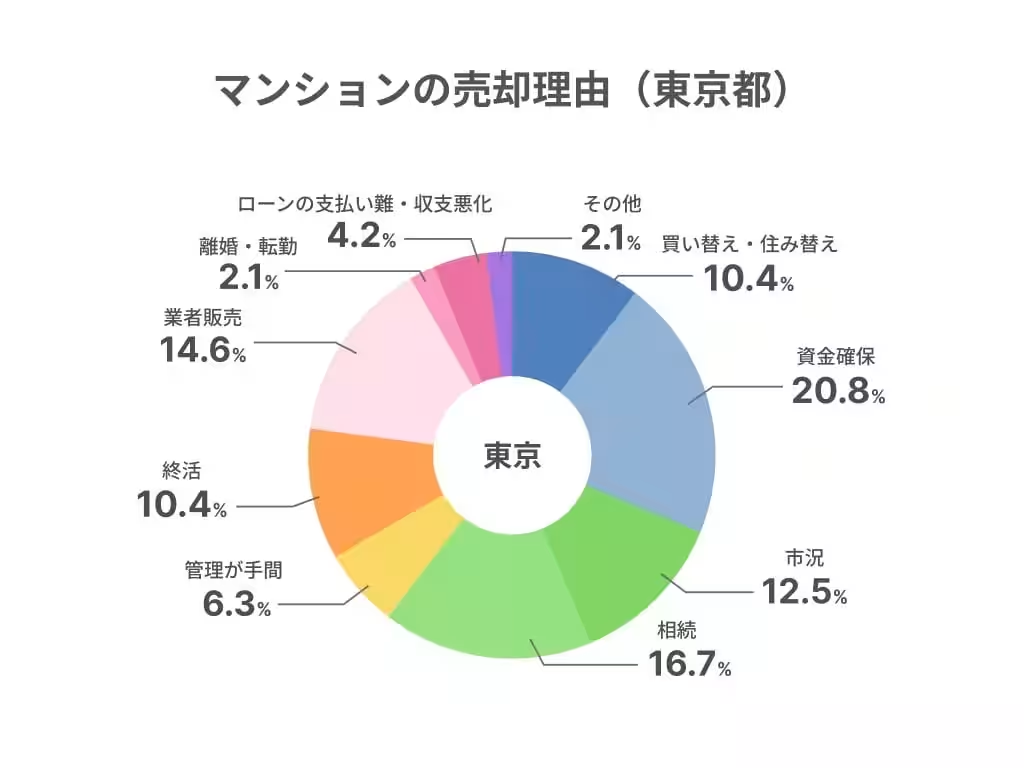
- - Tokyo: A significant 20.8% mentioned financial security as a primary reason for selling, with 16.7% citing inheritance as a motivating factor. However, the desire to upgrade or relocate was notably lower at 10.4%.
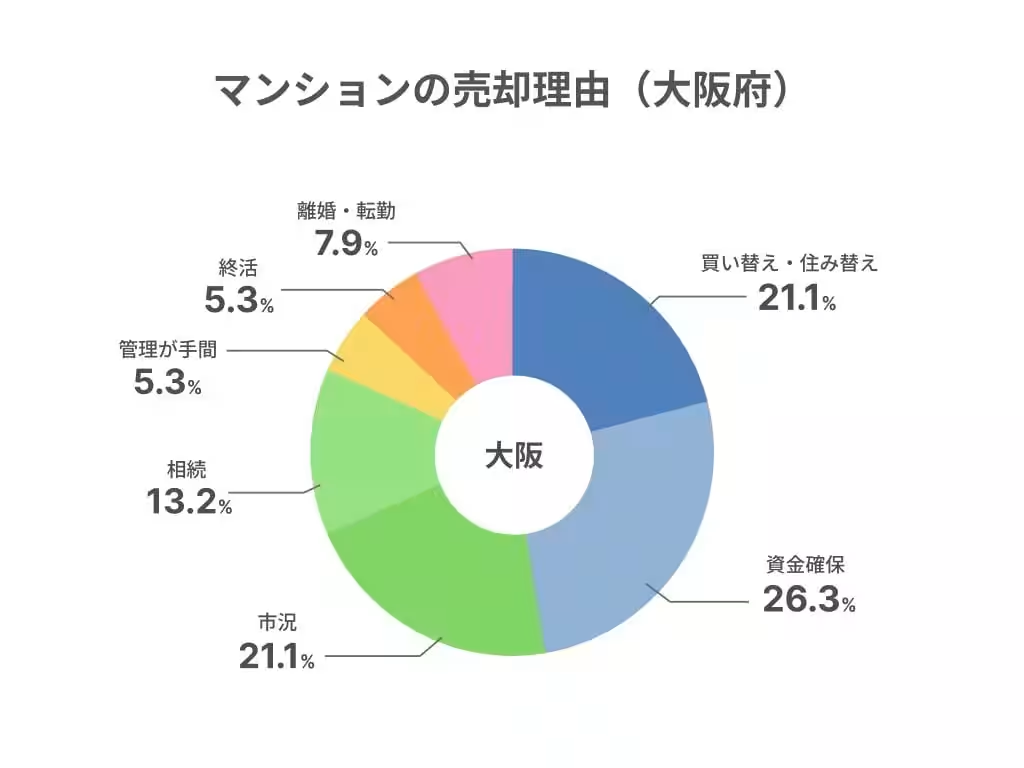
- - Osaka: In this area, concerns regarding financial security represented 26.3% of responses, and 21.1% mentioned market conditions positively influencing their selling decisions.
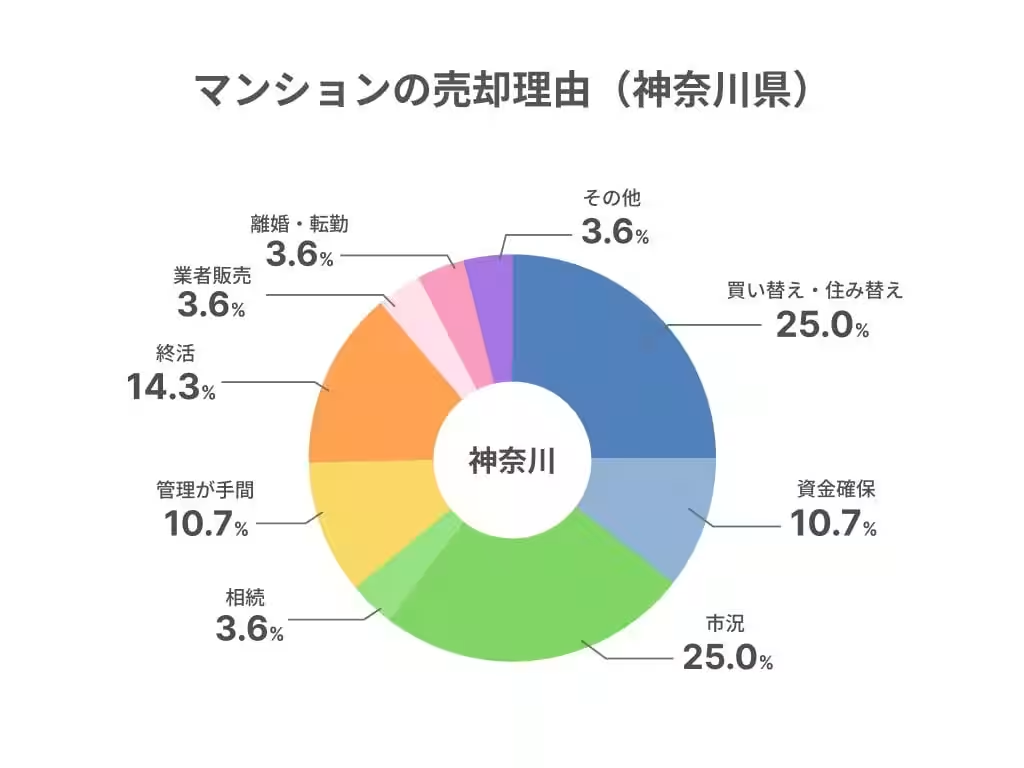
- - Kanagawa: A balanced market approach was seen, with both relocation (25.0%) and market conditions (25.0%) tying for the greatest influence.
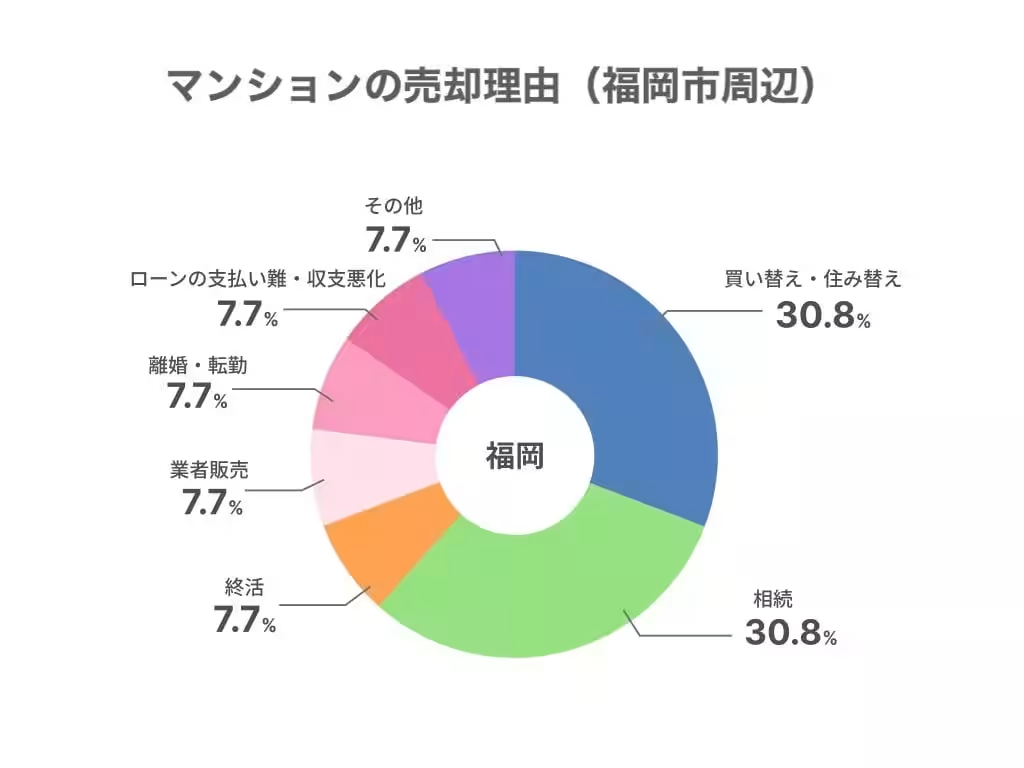
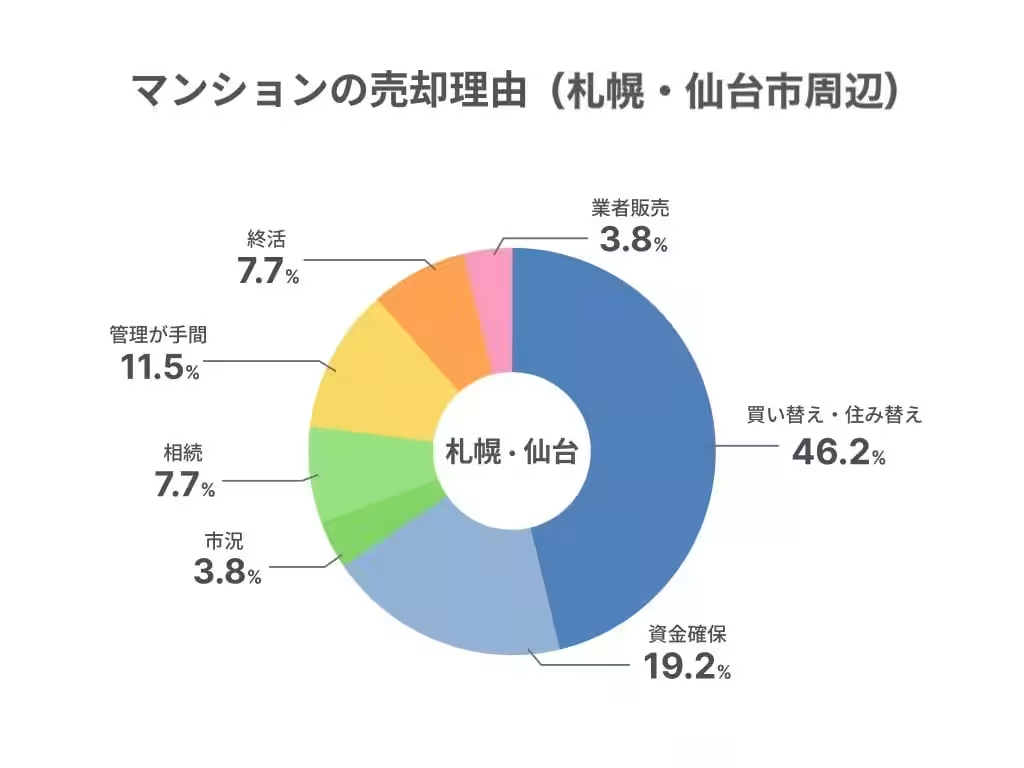
- - Other Regions: Fukuoka, Sapporo, and Sendaians showed a 46.2% inclination toward upgrades motivated by practical life changes.
The Impact of Rising Interest Rates
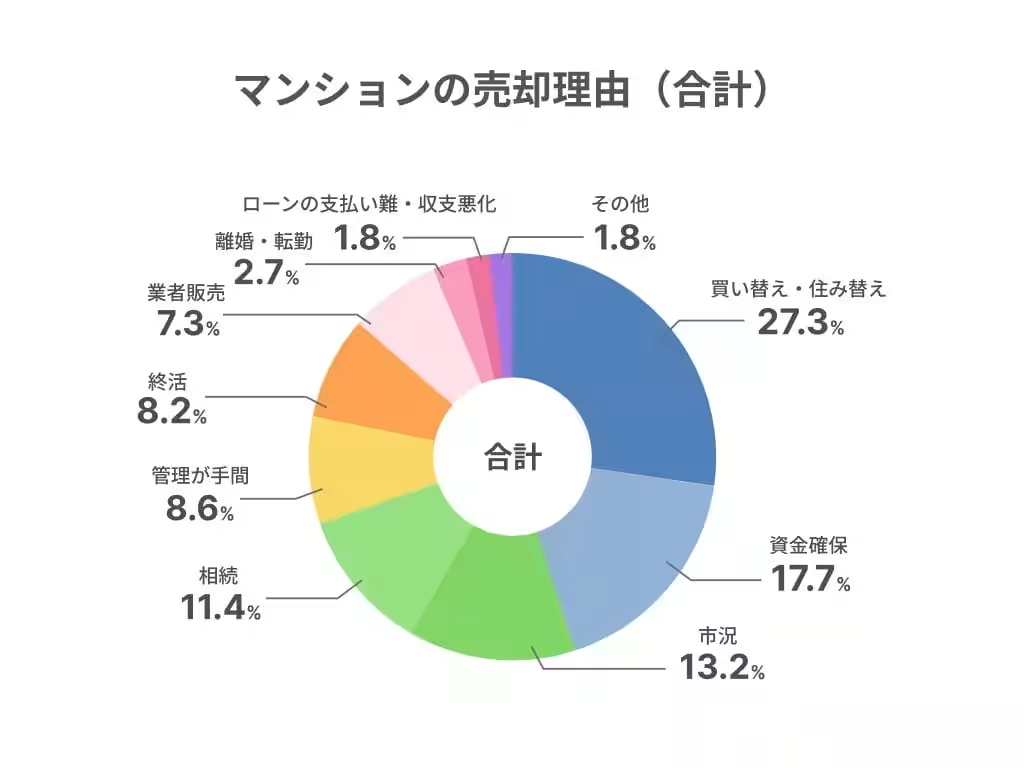
Interestingly, only 1.8% of respondents indicated that rising interest rates hinder their ability to repay loans or negatively affect their financial situation. As interest rates grow, concerns arise about market valuations, but the actual impact appears limited compared to the historical context. New mortgage options, including 50-year loans, mitigate some of the implications of rate increases.
Expert Analysis
Experts in the field foresee ongoing trends in selling motivations.
Eiji Takeuchi, CEO of Globe Profit Co., noted that the primary reasons for selling condominiums would continue to be 'relocation' in less populous cities and 'financial security' in urban centers. Even though interest rates are on the rise, the relative stability of the current housing market suggests that many will find it feasible to sell.
An anticipated outcome is a sustained demand for properties, particularly as buyers consider future interest trends when upgrading or relocating.
Conclusion and Future Outlook
Star Mica's findings suggest a complex and regionally varied landscape for condominium sales in Japan, driven by distinct local factors. While interest rates rise, their impact on the decisions surrounding condominium sales seems limited. With ongoing trends reflecting a desire for practicality in regional centers counterbalanced by asset considerations in metropolitan hubs, the real estate market is poised for continued movement.
In summary, both buyers and sellers should remain vigilant regarding economic indicators but can expect manageable conditions in the upcoming period. For those considering selling or buying, strategic planning that anticipates future financial trends will be crucial.
Topics Consumer Products & Retail)
【About Using Articles】
You can freely use the title and article content by linking to the page where the article is posted.
※ Images cannot be used.
【About Links】
Links are free to use.