



Introducing RIDE Loop for Project: An Innovative AI Tool to Boost Project Motivation
Overview of RIDE Loop for Project
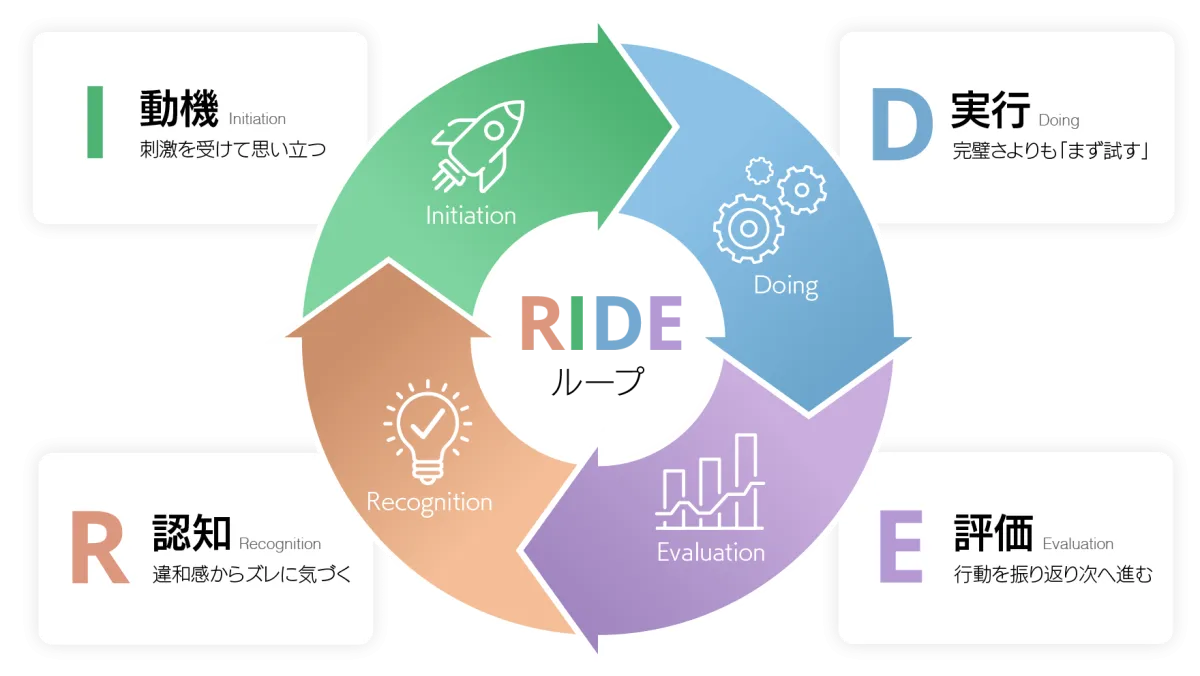
On March 3, 2026, Humanome Lab, located in Chuo, Tokyo, officially launched its project diagnostic service, "RIDE Loop for Project". The primary purpose of this innovative service is to analyze the common dilemma faced in project management—"having the motivation yet not making progress"—using the Behavioral Science Model known as the RIDE Loop (Recognition, Initiation, Doing, Evaluation) along with AI analysis. This tool visualizes the challenges teams encounter and offers immediate actionable improvements.
RIDE Loop for Project is set to be showcased at the "Interdisciplinary Conference Tokyo 2026" on March 6 and 7, providing attendees with detailed insights into its functionalities.
Background and Significance
In many new business initiatives or organizational restructuring, teams frequently find that despite adequate resources and personnel, project momentum tends to decline as planning progresses. This delay can often be attributed to a lack of clarity in goal-sharing and role understanding among team members. When teams fail to feel their continua progress, members' sense of involvement diminishes, subsequently leading to decreased motivation and creativity.
While task management tools like Gantt charts can effectively visualize project statuses, they often fail to capture the psychological and behavioral dynamics of team members. As project leaders rely on subjective impressions—such as sensing a negative atmosphere or observing busy schedules—they may struggle to identify underlying structural issues, often falling into the trap of attempting solutions based solely on anecdotal evidence. Humanome Lab recognizes the need to transform this subjective judgment of team dynamics into objective data, which is the driving force behind developing "RIDE Loop for Project".
Service Features
This service emphasizes capturing not just the completed or pending tasks but the psychological and behavioral states of team members executing those tasks. It aims to identify barriers affecting the team's execution capability and provide actionable insights for improving productivity.
1. Structural Analysis through the RIDE Loop Model
The RIDE Loop represents a cycle defined by behavioral science that showcases how individuals persistently strive for outcomes through four stages: Recognition, Initiation, Doing, and Evaluation. "RIDE Loop for Project" adapts this model to diagnose the dynamics of teams, paved with an emphasis on understanding team members' cognitive processes.
2. Quantifying Stagnation Using AI Analysis
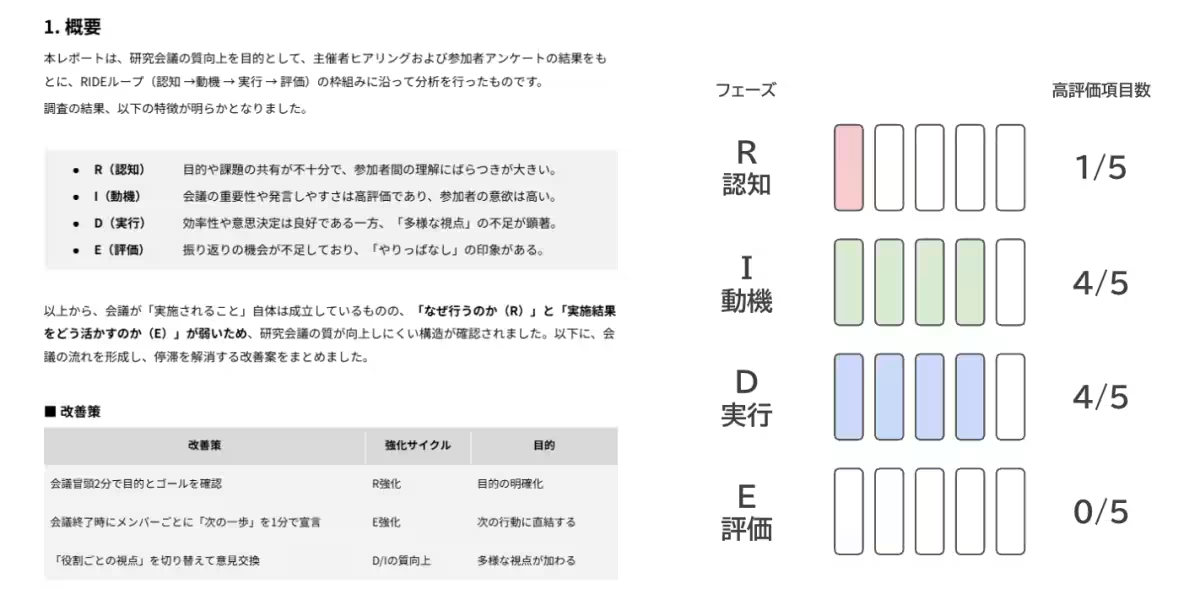
By administering web-based surveys aligned with each stage of the RIDE Loop model, team members provide insights that AI subsequently analyzes to generate scores reflecting their perceptions of the project. Indicators that once relied on vague feelings—such as general negativity among members—can now be visualized as specific metrics, aiding managers in strategically focusing their interventions.
3. Providing Actionable Recommendations
Based on the diagnostic results, the service offers small, easily implementable actions dubbed "nudges" from behavioral economics. Instead of imposing major systemic changes, the suggestions might include simple actions like confirming goals at the start of meetings, creating email templates, or ensuring dedicated work time, which can promote visible behavior changes among team members.
User Feedback and Case Studies
Recent projects that have utilized RIDE Loop for Project highlight its effectiveness in driving organizational transformation:
- - Case A: Large-scale Event Management
Outcome: High motivation levels among members corresponded with identified delays in upstream processes, revealing structural bottlenecks that hampered readiness in the execution phase.
Feedback: Identifying 100 issues and summarizing them into three key improvement areas fostered a common language for the team and encouraged action based on objectively visualized problems.
- - Case B: New Business Development
Outcome: While scores for motivation and evaluation were high, a starkly low execution score indicated structural barriers and psychological challenges associated with new tasks.
Feedback: Presenting data-driven findings enabled the team to frame it as a structural issue rather than personal failings, facilitating preparations like detailed progress sharing and systematization for more actionable tasks.
Utilization Process
The improvement report typically takes 3 to 4 weeks to produce after enrollment. The only requirement from team members is to respond to a brief Web-based survey (approximately 10-15 minutes).
1. Initial Interviews
A representative will interview project managers or team leaders about the project's objectives and current challenges (30 minutes online).
2. Member Survey
A survey is administered among 5-10 project members via the web.
3. AI Analysis and Report Creation
The AI analyzes survey results to create a diagnostic report, providing insights through the RIDE framework.
4. Feedback and Proposal Session
A meeting will be held with project managers to discuss the diagnosis results and suggest immediate action plans (60 minutes online).
Future Directions
During the "Interdisciplinary Conference Tokyo 2026" held on March 6-7, a limited-time offer will allow booth visitors to participate in a free diagnostic campaign. Registration will be available through a QR code on distributed flyers; however, due to potential high demand, a drawing will be conducted among participants. Following the assessment, individuals will need to contribute feedback via a follow-up survey and agree to display findings on a case introduction page while adhering to a non-disclosure agreement for validation.
Humanome Lab continues to strive for integrating cutting-edge AI applications into society, focusing on understanding the complexities of human behavior. Through this service, we aim to dismantle the barriers to action and transform project dynamics, fostering self-sustaining project outcomes.
Topics Business Technology)
【About Using Articles】
You can freely use the title and article content by linking to the page where the article is posted.
※ Images cannot be used.
【About Links】
Links are free to use.