



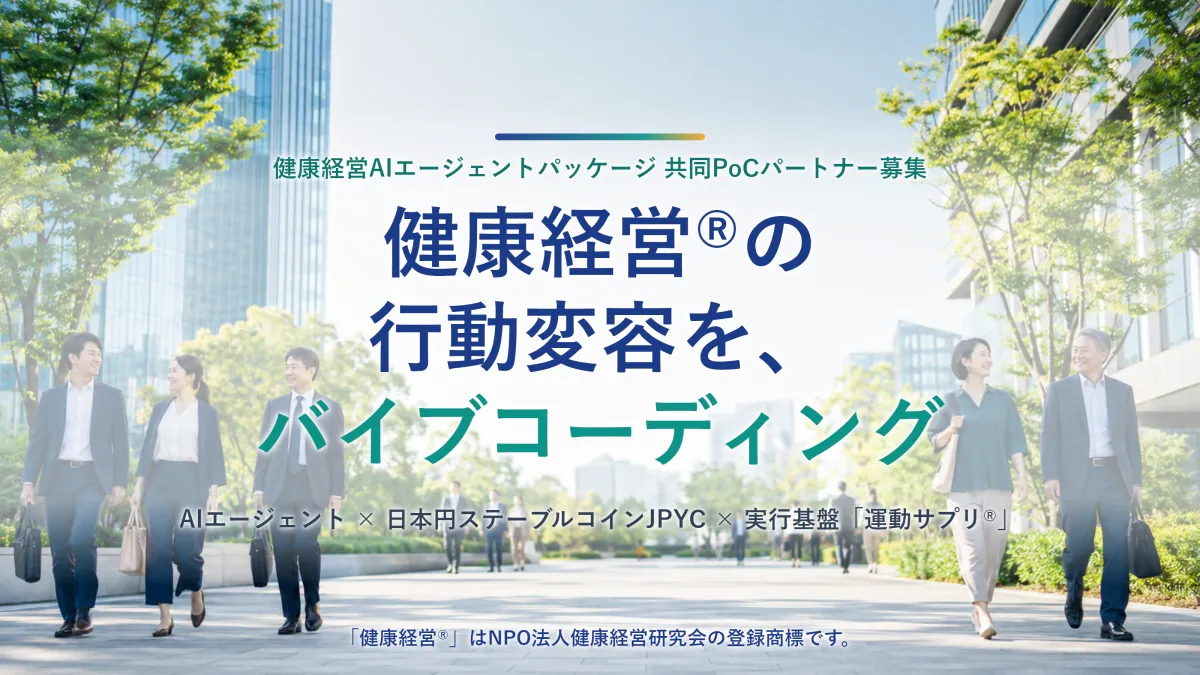
Transforming Health Management with AI and JPYC: The Future of Workplace Wellness
Transforming Health Management with AI and JPYC: The Future of Workplace Wellness
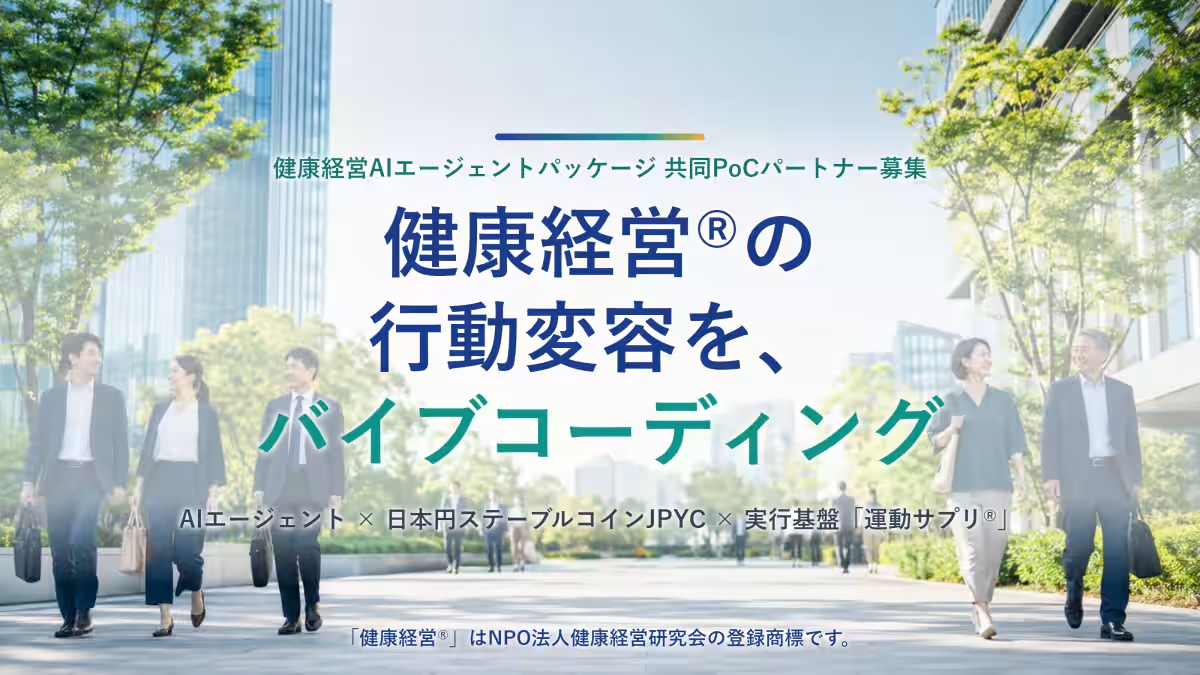
In a groundbreaking initiative, Sense It Smart Corporation is merging artificial intelligence and financial technology to enhance corporate health management. The Tokyo-based company has announced the launch of its "Health Management AI Agent Package," designed to leverage the Japanese yen stablecoin, JPYC, for conditional reward distribution. The package aims to facilitate behavior change through an innovative walking app called "Exercise Supplement."
The Vision Behind the Initiative
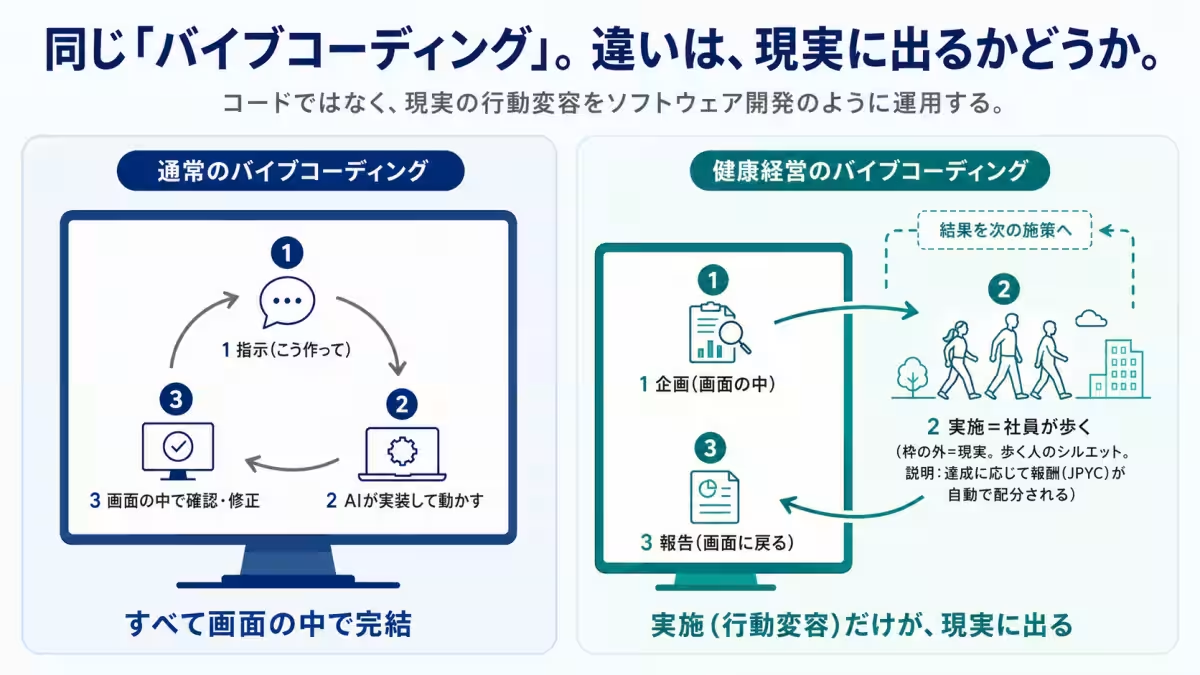
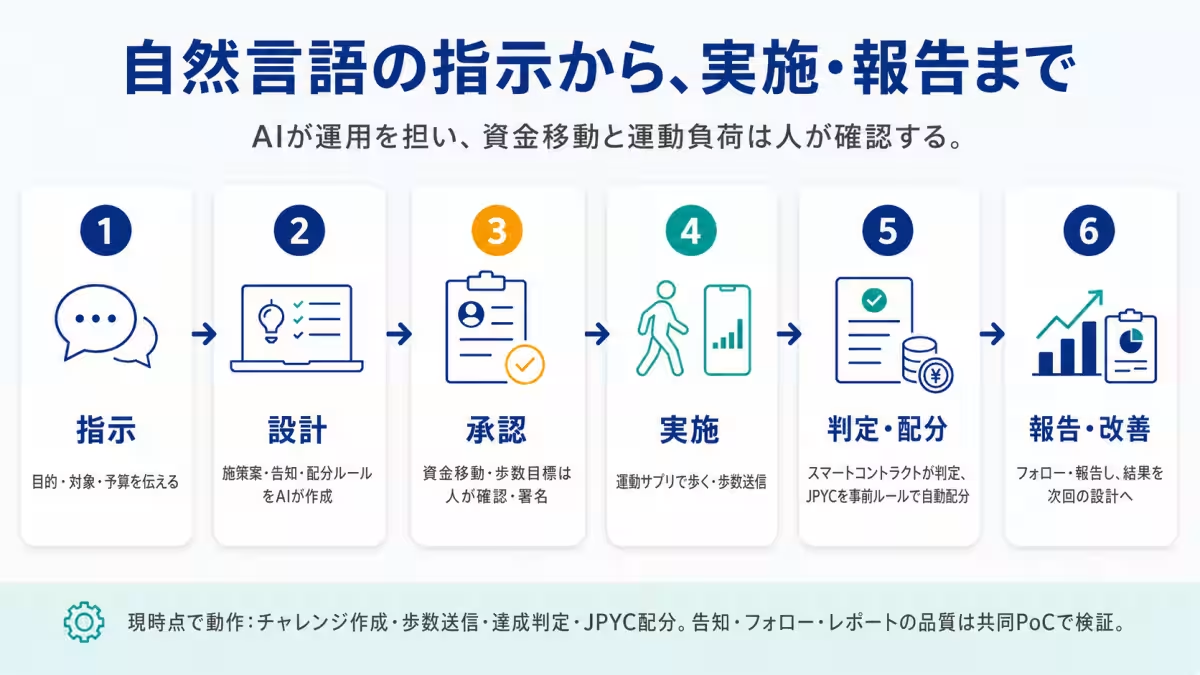
Sense It Smart is inviting corporate health management personnel to participate in a proof-of-concept (PoC) that allows them to instruct AI agents using natural language. This will enable them to design walking challenges, issue participation invitations, evaluate achievements, allocate JPYC rewards, and generate reports—all while ensuring human approval at critical junctions. Unlike typical walking apps that primarily track step counts and rankings, this package seeks to provide a comprehensive platform for executing and managing behavior change initiatives in physical activity.
Innovation in Behavioral Change
The concept of "vibe coding" is central to this initiative. This approach allows personnel to communicate in everyday language, instructing the AI to implement commands such as "Please create this" or "Please adjust that," thereby enabling ongoing iterations. The groundbreaking aspect of this package is that it extends these capabilities beyond the screen, enabling employees to engage in real-life actions, with real financial implications through the allocation of JPYC rewards. Importantly, participation is optional for employees, and the AI operates through the design and implementation of the health programs rather than employee execution.
The objective is to streamline the operational workflow, allowing health managers to issue commands to an AI agent that seamlessly orchestrates a full cycle of planning, execution, and reporting. The human touch remains at essential checkpoints, ensuring all significance and safety measures are respected.
System Architecture and Functionality
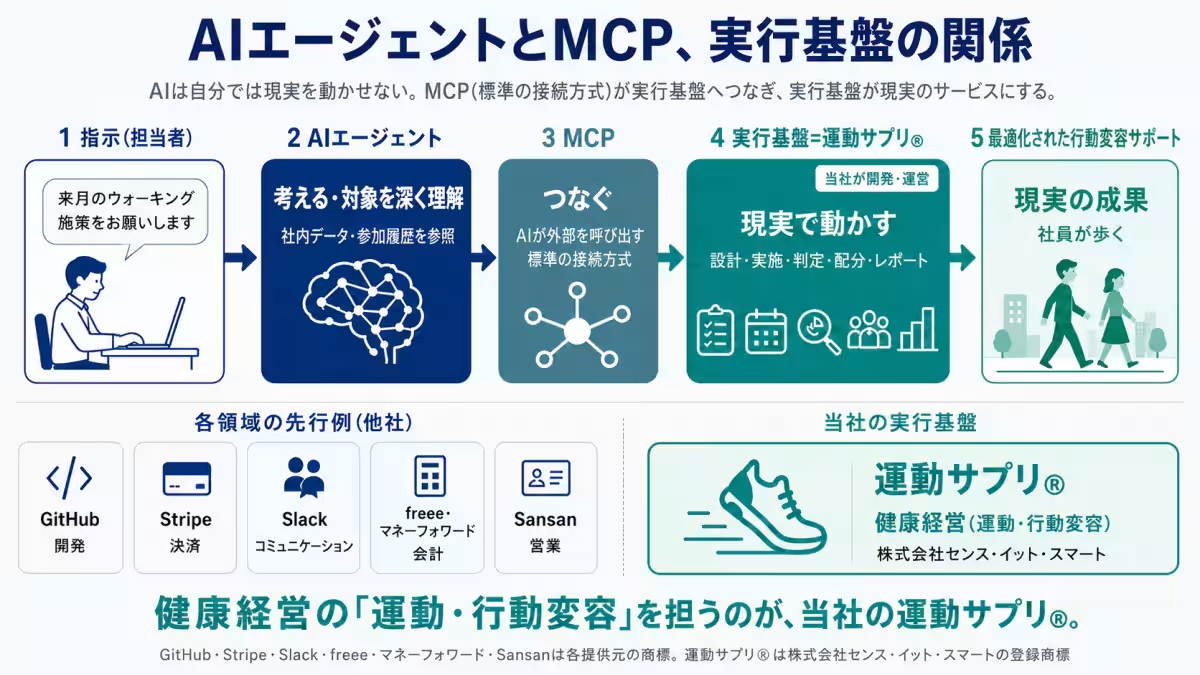
The proposed system operates on the principle of "AI-operated, human-approved." While the AI will handle the operational details, crucial actions involving financial transfers and user engagement levels will require human oversight. The structure is designed to adapt as necessary based on performance metrics, allowing for frequent adjustments of targets and reward systems. The smart contract functionality built into the platform ensures automatic and rule-based distributions of JPYC based on achieved performance metrics.
The implementation of this technology relies heavily on the successful integration of various external systems, such as GitHub for development and Stripe for payment processing. Participants in the PoC will provide the necessary organizational framework, ensuring that goals set forth align with their health management objectives.
The Role of JPYC
The Japanese yen stablecoin JPYC has been chosen for this initiative not only for its stable nature but also for its programmability. Unlike traditional currencies, JPYC allows for automated execution of conditional distribution rules, enabling segmentation of rewards based on individual performance metrics. This capability presents a unique advantage in incentivizing behavior change, as the system can automatically adjust payouts based on user participation and achievement levels.
JPYC is considered a non-speculative digital asset, reinforcing its suitability for use in this health management context. The company plans to explore this initiative across multiple blockchain platforms, focusing on user experience and system reliability.
Looking Ahead: The Future of AI in Health Management
As this project progresses, continual refinement and development will be key. While the current focus is on walking challenges, future iterations of the platform may broaden the scope to include various forms of exercise and wellness activities. The primary goal is not just to promote individual engagement but to establish sustainable health management practices that resonate across all levels of the organization.
The voice of experts in health management and AI has been sought, emphasizing the importance of meeting modern health challenges with innovative solutions. The potential of AI to transform individual data management highlights the opportunities ahead.
Exemplifying these opinions, health management experts have noted the rising necessity for personal agents and customized health plans that not only secure individual health but also foster collective wellness in organizations. Moving forward, the effective integration of AI into the health management domain may eventually culminate in significant improvements in employee health and productivity.
In conclusion, Sense It Smart is leading the charge into a new era of health management where technology meets human intelligence to create actionable, measurable, and effective health strategies for the workplace.
Topics Health)
【About Using Articles】
You can freely use the title and article content by linking to the page where the article is posted.
※ Images cannot be used.
【About Links】
Links are free to use.