



TM Forum Introduces High Reliability AN Solutions Package for Core Networks
TM Forum Unveils High Reliability Solutions for Core Networks
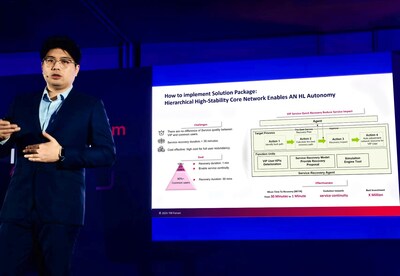
In a strategic move to enhance the stability of core networks, TM Forum has launched a comprehensive solutions package aimed at ensuring high reliability. This initiative, introduced during the Innovate Asia Autonomous Networks Masterclass in Bangkok, showcases a collaborative effort to redefine network operations. Michael Wang, a core network solutions expert from Huawei, played a pivotal role in presenting this innovative package.
Building a Robust Foundation for Core Network Stability
The newly introduced solutions package is designed around seven key dimensions that focus on core network stability. These include:
1. High Stability Deployment Architecture: Ensuring a robust framework that can withstand various operational challenges.
2. Disaster Recovery (DR) Mechanisms: Introducing protocols for both control plane and user plane recovery.
3. Signal Jump Mitigation: Addressing challenges related to signaling issues that can disrupt network operations.
4. Risk Prediction Models: Utilizing advanced data analytics for identifying potential vulnerabilities.
5. Quality Restoration Services: Ensuring swift restoration of services after quality deterioration.
This well-structured, systematic approach leverages the Management Data Analytics Function (MDAF) as defined in the 3GPP TS 28.104 specifications, facilitating a resilient network architecture ready to combat various disruptions by employing digital twin technology. This cutting-edge strategy allows for closed-loop management, forecasting risks, and automatic optimization, significantly enhancing network robustness against extreme scenarios such as signaling storms.
Storm Signal Risk Assessment: A Key Innovation
One of the standout features of this solutions package is its storm signal risk assessment capabilities. By creating a virtualized network environment through digital twin modeling, operators can preemptively gather traffic statistics, node connection data, and device configuration timelines. This proactive approach employs simulation mechanisms to build impact models, which provide critical insights into network bandwidth capabilities and actionable optimization recommendations. Such foresight is instrumental in preventing potential outages, thereby strengthening network reliability.
Accelerating Industry Deployment through Standardization
The TM Forum's solutions package is aligned with the IG1500 standards and seamlessly integrates with existing systems via standardized API interfaces. Wang emphasized that this offers a standardized technical deployment template that proves its effectiveness in stabilizing core networks, as demonstrated through the Catalyst project.
Highlighting practical optimization practices, he noted the importance of quickly identifying VIP users and establishing rapid recovery paths to minimize downtime. The objective is to reduce recovery time for VIP users from 30 minutes to just one minute while maintaining a 30-minute recovery period for regular users. By adopting differentiated service quality principles, the solution aims to enhance the user experience for high-value network consumers and mitigate economic losses arising from VIP user churn.
With this groundbreaking announcement, TM Forum has officially integrated core network stability into its standardized scenarios, providing operators with a reproducible and scalable model to enhance resilience while supporting the monetization of network assessments. The introduction of this solutions package marks a significant milestone towards realizing the vision of highly autonomous networks.
In conclusion, as we witness the advancements in network technologies, the TM Forum's proactive solutions present a formidable opportunity to redefine network reliability, setting the stage for a smarter and more resilient telecommunications landscape.
Topics Telecommunications)
【About Using Articles】
You can freely use the title and article content by linking to the page where the article is posted.
※ Images cannot be used.
【About Links】
Links are free to use.