



Exploring the Fascinating World of Kofun with Takeda Tsunetaka at Takamatsu Hotaru Rose Garden
Discovering Kofun: An Insight with Takeda Tsunetaka
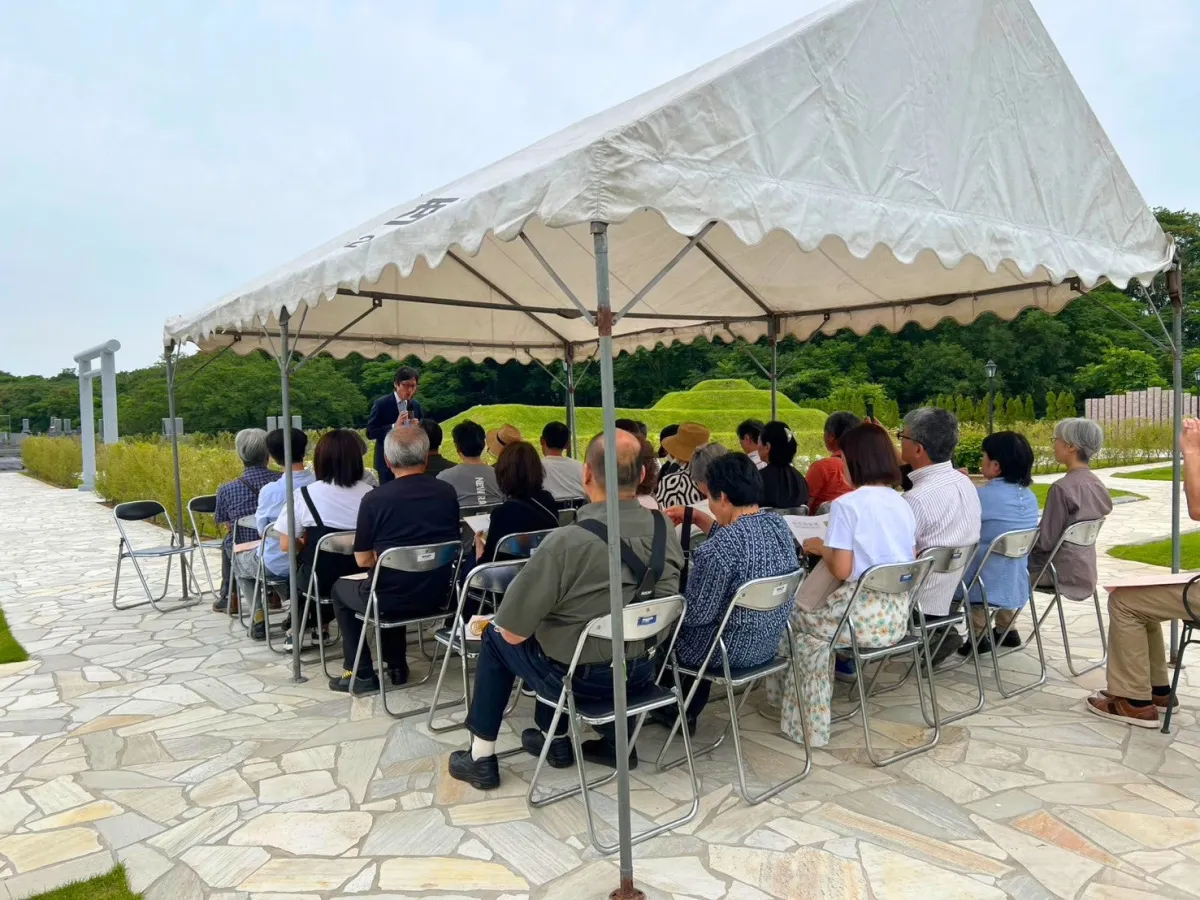
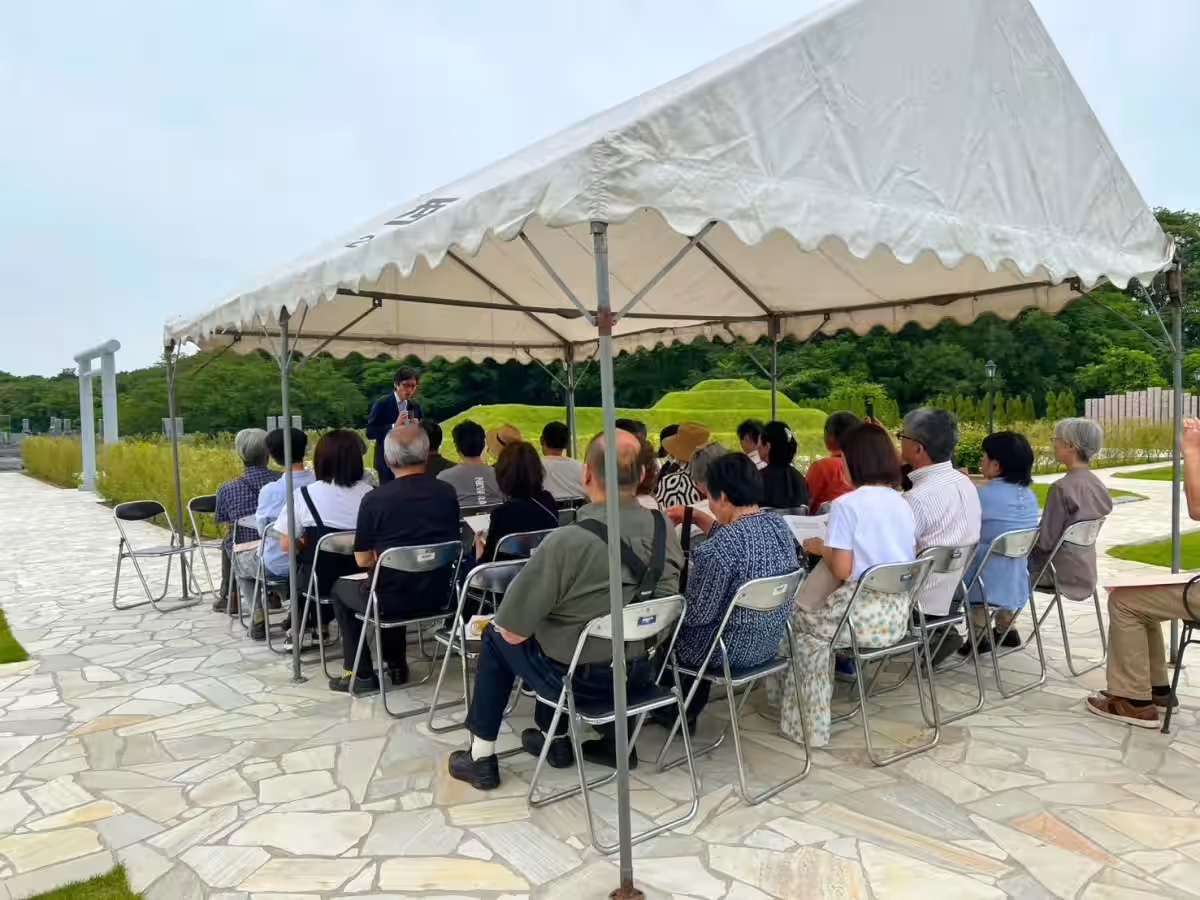
On June 14, 2026, Takamatsu Hotaru Rose Garden became a hub of history and culture as it hosted a special event led by Takeda Tsunetaka, CEO of Zenpo Kōen Fun. This gathering, which attracted nearly 100 attendees across three well-attended sessions, focused on the deep-rooted cultural and historical significance of Kofun, Japan's ancient burial sites. The day exemplified the escalating interest in these historic burial mounds, often overlooked by modern society.
The Kofun Phenomenon
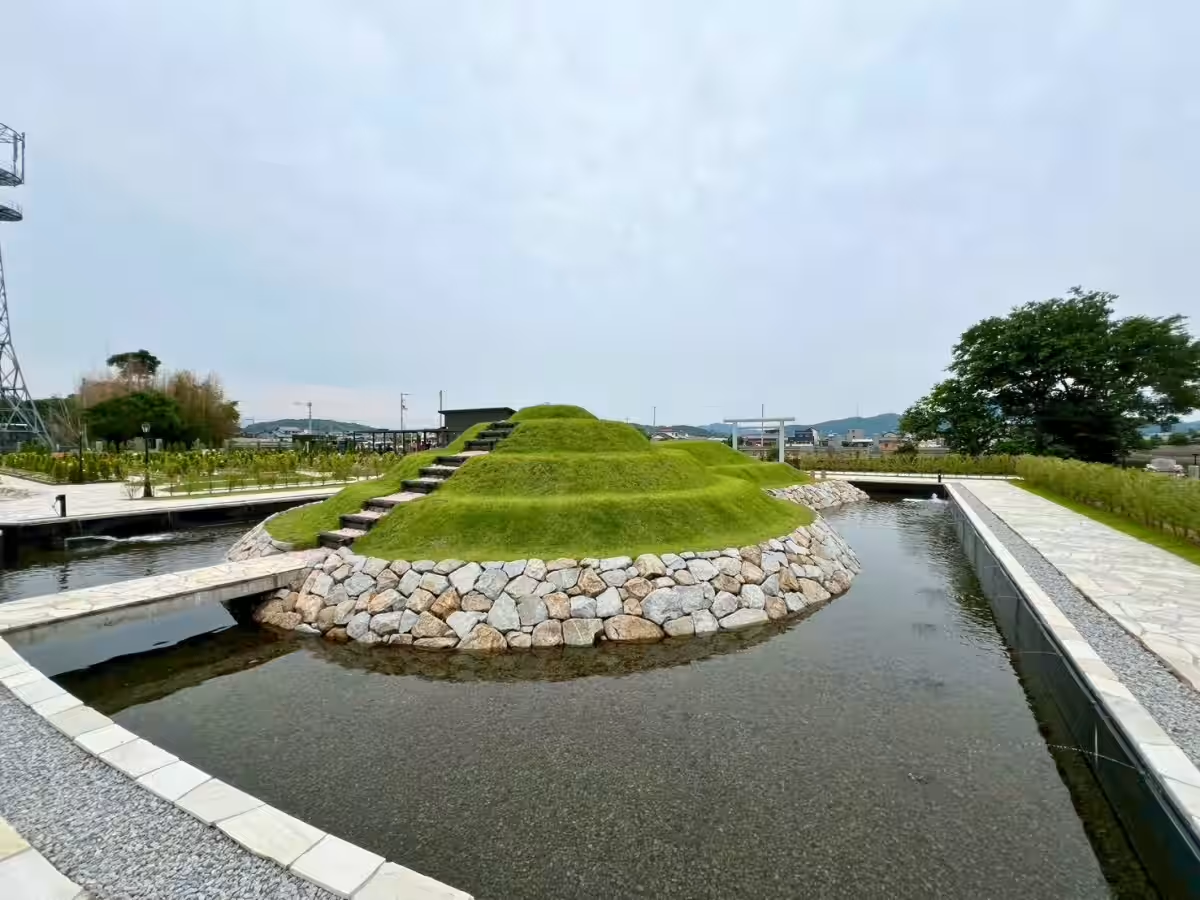
Kofun, featuring the unique keyhole shape, symbolize a fascinating era in Japan's history, dating back to around the 3rd century. During the event, Takeda delved into how these burial mounds spread across Japan, discussing insights from archaeology, Shinto practices, and architectural heritage. His passion for preserving this facet of Japanese culture shone through as he engaged participants with stories and insights about the Kofun culture.
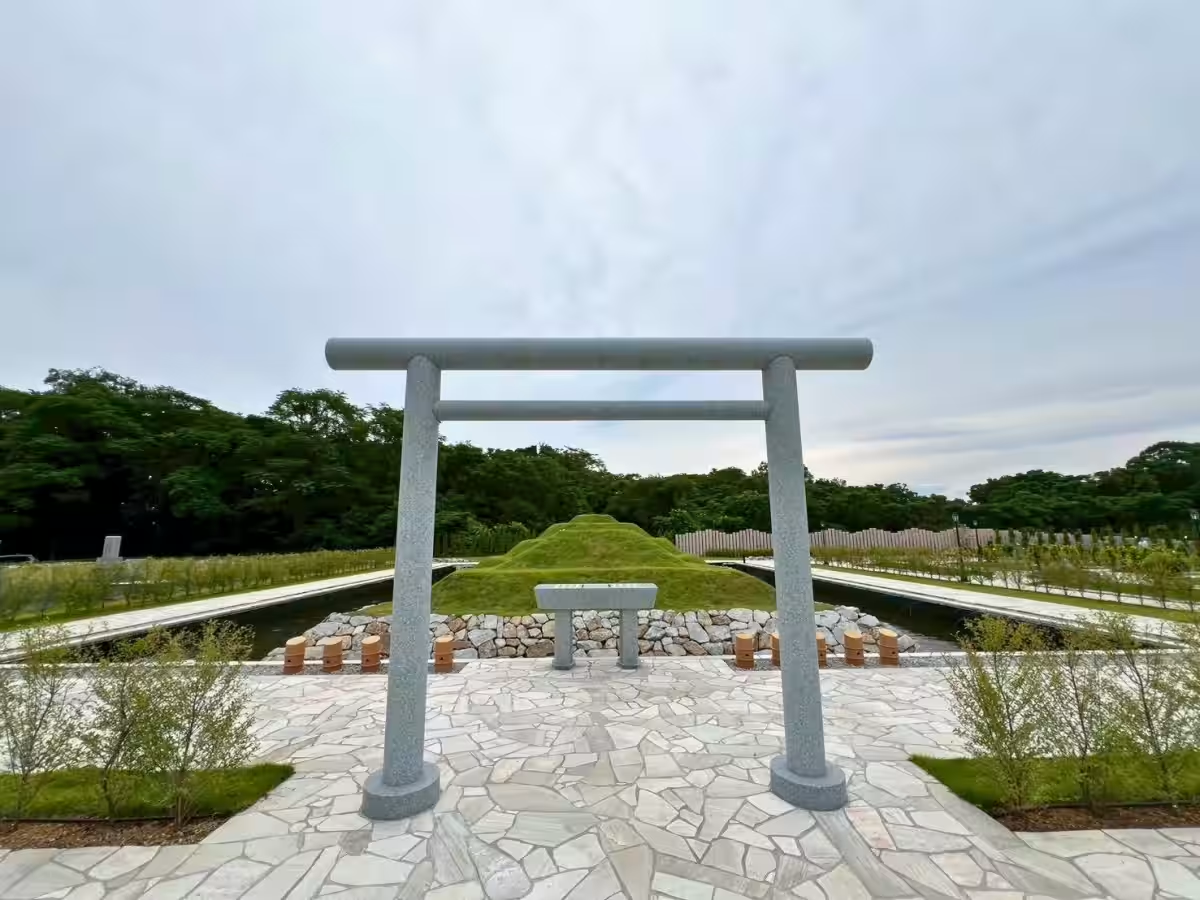
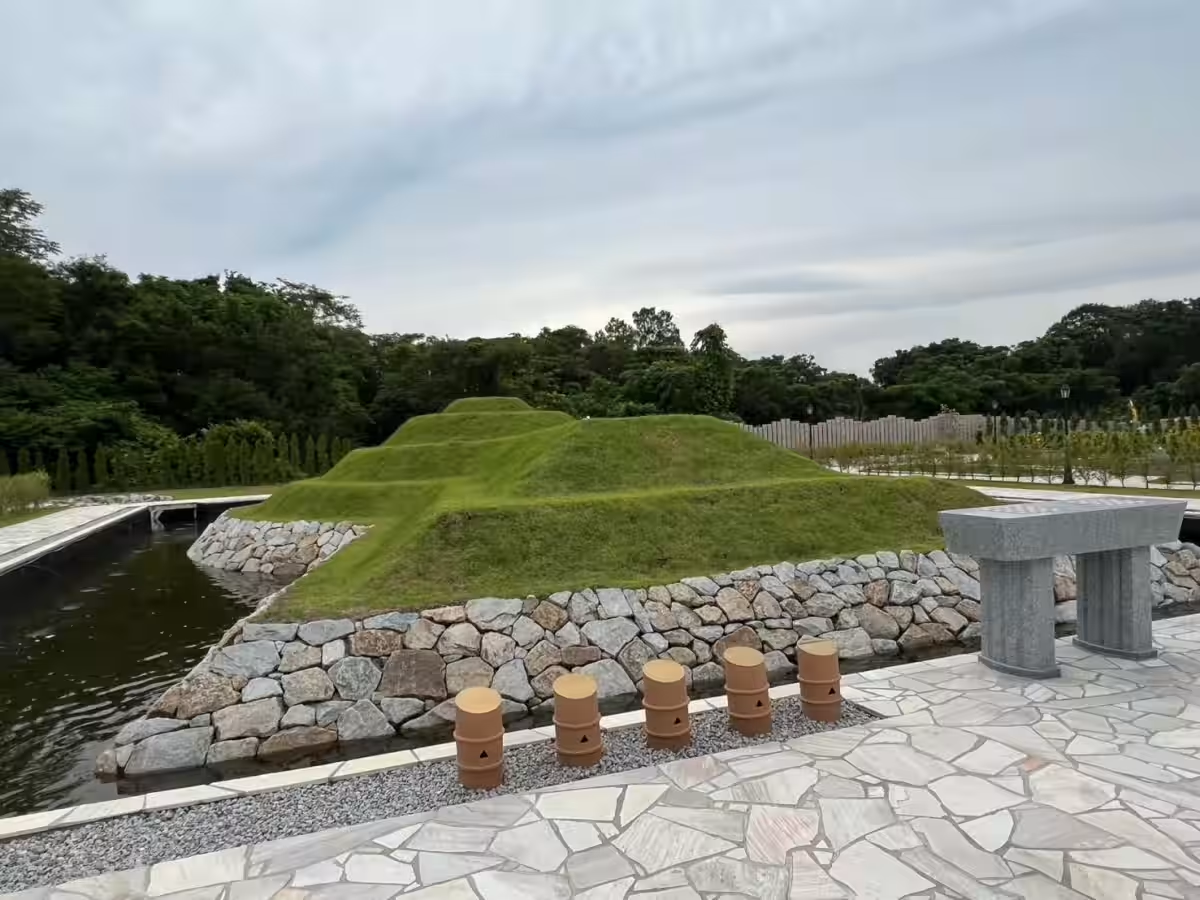
The Takeda-style Kofun, which serves both as a communal grave and perpetual memorial site, is meticulously recreated based on scholarly collaboration among archaeologists, Shinto scholars, and architects. The venue features two distinct types of burials: the 'Eitaishisai Grave', allowing individual interments, and the 'Gōshi Grave', which accommodates joint burials, showcasing a modern take on Japan's ancient burial traditions.
Bridging the Past and Future
This innovative approach aligns with the growing needs of communities, redefining how we perceive cemeteries—not merely as post-death destinations but as dynamic places fostering connections among the living. Zenpo Kōen Fun is pioneering a shift in end-of-life planning by celebrating life and community collaboration. Their unique initiatives, such as the 'Kofun Alumni Association', allow participants to engage in meaningful connections prior to their passing. As demonstrated during the event, participants expressed enthusiasm for these endeavors, indicating a considerable shift towards a proactive approach to life's transitions.
Commemorating Cultural Practices
In emphasizing the importance of memorial services, the Takamatsu Hotaru Rose Garden site honors both Shinto and Buddhist practices, ensuring that the traditional rites are upheld. Twice a year, during the Spring and Autumn equinoxes, ceremonies that blend the ideas of Shinto offerings and Buddhist memorials are observed, honoring both historical legacies and contemporary beliefs.
This approach not only preserves traditional practices but also allows for diverse expressions of remembering loved ones. Participants can look forward to a vibrant community atmosphere where discussions around death and memorialization are transformed into insightful and enriching experiences.
Future Developments in Kofun Culture
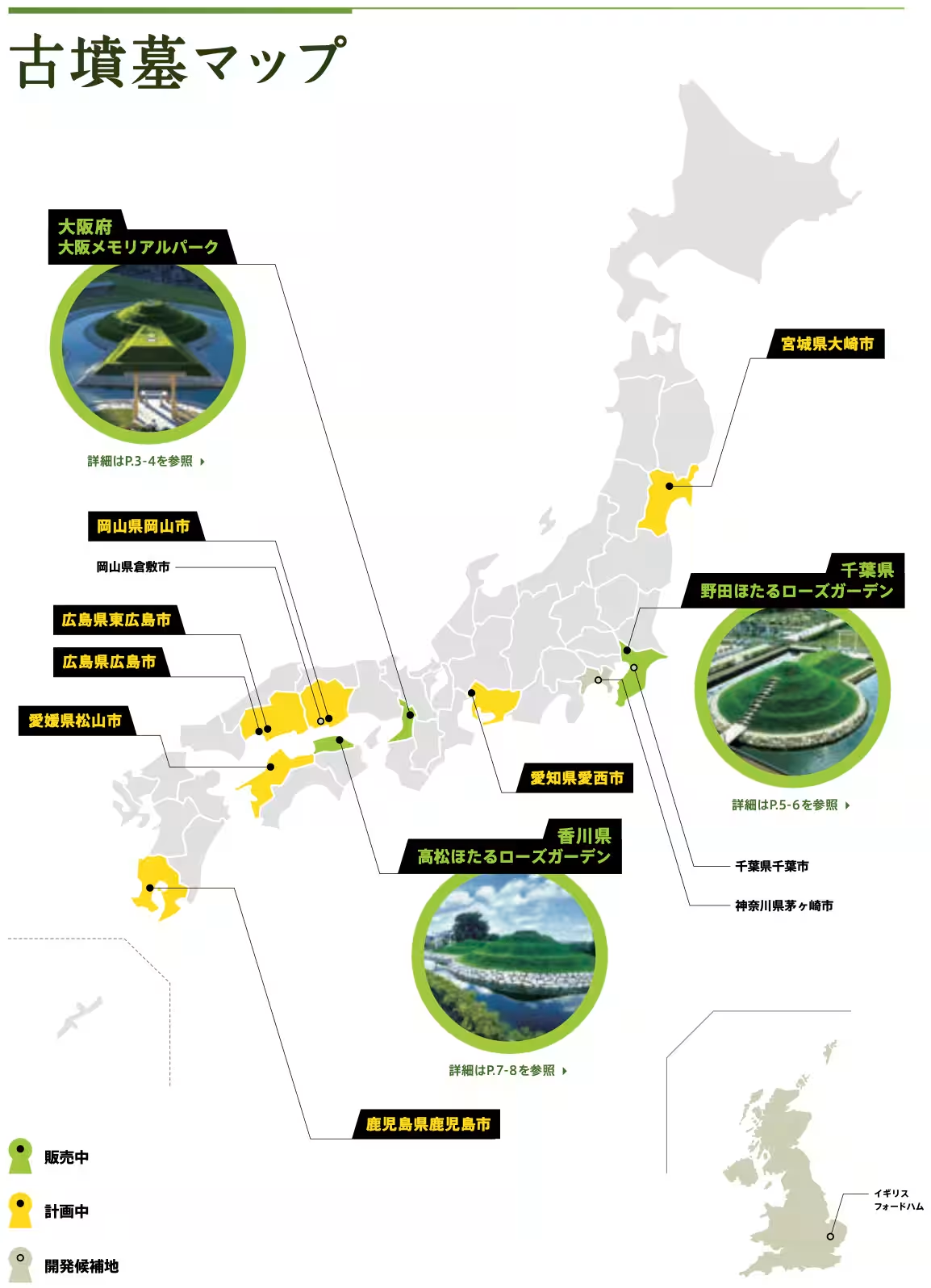
Currently, Zenpo Kōen Fun operates three Kofun sites in Japan, aiming to expand to 100 nationwide. With the initiative to create a community-centered space for living, this venture represents a significant evolution in how we engage with the concept of death and remembrance in society. The ease of access through their e-commerce platform, which provides a user-friendly interface for purchasing graves, reflects a forward-thinking approach to this deeply ingrained aspect of culture.
The Kofun marketplace encourages an environment where individuals can engage in terminal discussions or, as some participants observed, approach the idea of death with excitement rather than fear. This cultural shift resonates with the philosophy of sharing lives now rather than waiting for the afterlife.
Conclusion
As we explored the rich tapestry of Kofun culture through the lens of Takeda Tsunetaka's insights, it became evident that the revival of these ancient practices is more than a nostalgic nod to the past—it is a contemporary resurrection that resonates deeply with modern sensibilities. The Takamatsu Hotaru Rose Garden event is not just about preserving history but also about connecting communities and fostering a rejuvenated relationship with life and death.
Join us in exploring how traditional Kofun ideals can guide us into a more connected, compassionate future. For more information on the Kofun burial sites and community initiatives, visit Kofun no Madoguchi.

Topics People & Culture)

【About Using Articles】
You can freely use the title and article content by linking to the page where the article is posted.
※ Images cannot be used.
【About Links】
Links are free to use.