


Campaign Launch for Nuclear Weapons Ban Treaty Signatures in Tokyo
Campaign Launch for Nuclear Weapons Ban Treaty Signatures in Tokyo
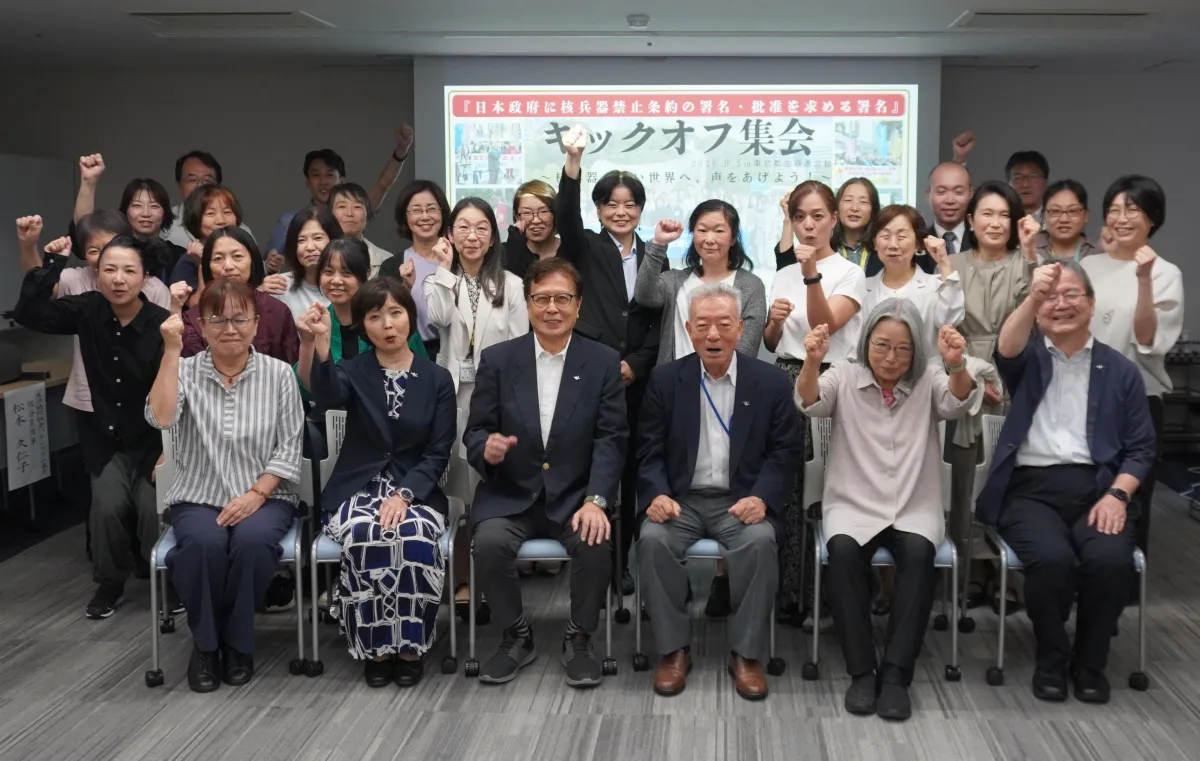
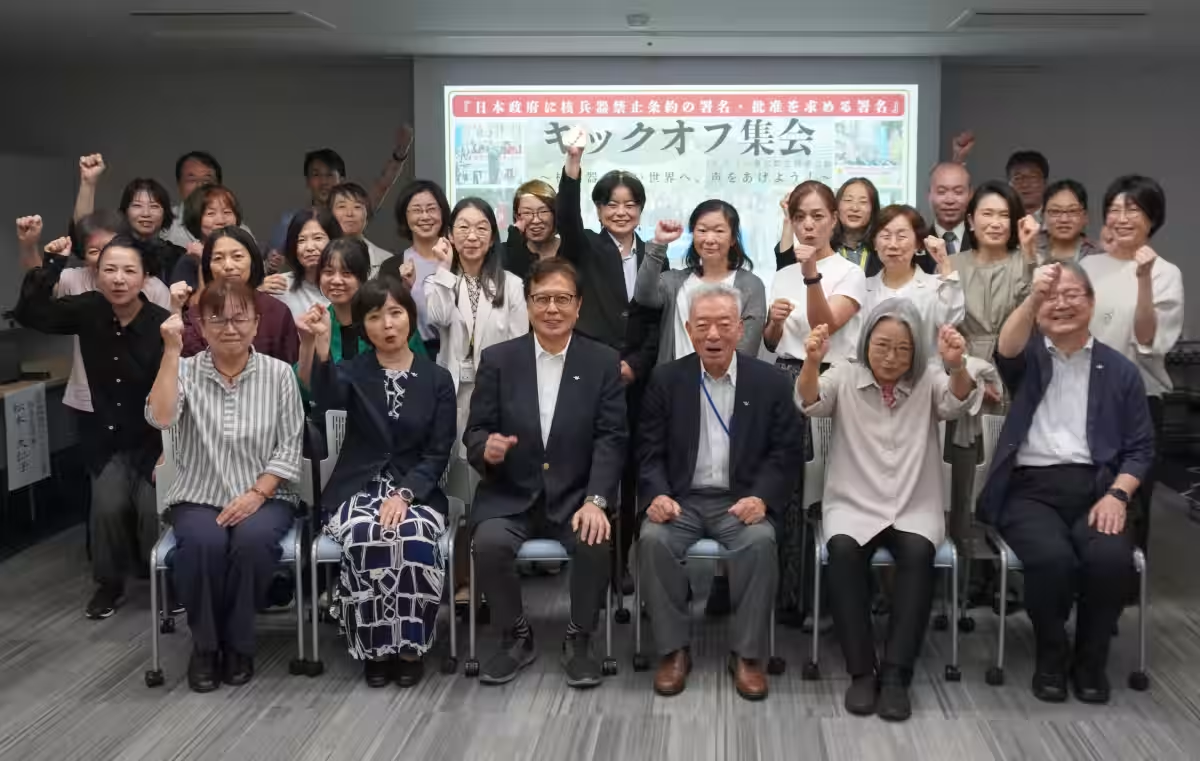
On September 5th, Palsystem Tokyo, led by its chairperson, Yoko Nishimura, initiated a significant campaign aimed at gathering signatures for Japan to sign and ratify the Treaty on the Prohibition of Nuclear Weapons. This kickoff event was held at the Tokyo Cooperative Federation office in Nakano, featuring approximately 40 participants, including representatives from five consumer cooperatives active in the city.
This movement seeks to advocate for a nuclear-free world, with the collaboration of Palsystem Tokyo and various cooperatives like Coop Mirai and Seikatsu Club. These organizations aim to rally public support through their members, emphasizing the critical role Japan, as the only nation affected by atomic bombings, plays in leading global nuclear disarmament efforts.
The project, spearheaded by the Japan Confederation of A- and H-Bomb Sufferers Organizations (Nihon Hibakusha Kyougikai), urges the Japanese government to formally endorse the treaty. Given that Japan is the only country that has experienced atomic bombings, the call is for the country to sign and ratify the treaty, making a pivotal contribution toward ending nuclear arms.
The Role of Hibakusha
The Tokyo-based Higashi Yuukai (Eastern Friends Association), the only hibakusha organization active across the region since 2021, has tirelessly rallied support for this campaign, partnering with other consumer cooperatives to encourage public involvement. In October, as the first Review Conference of the Treaty is set to unfold, these cooperatives plan to gather and submit signatures collectively, stressing the urgency of nuclear disarmament.
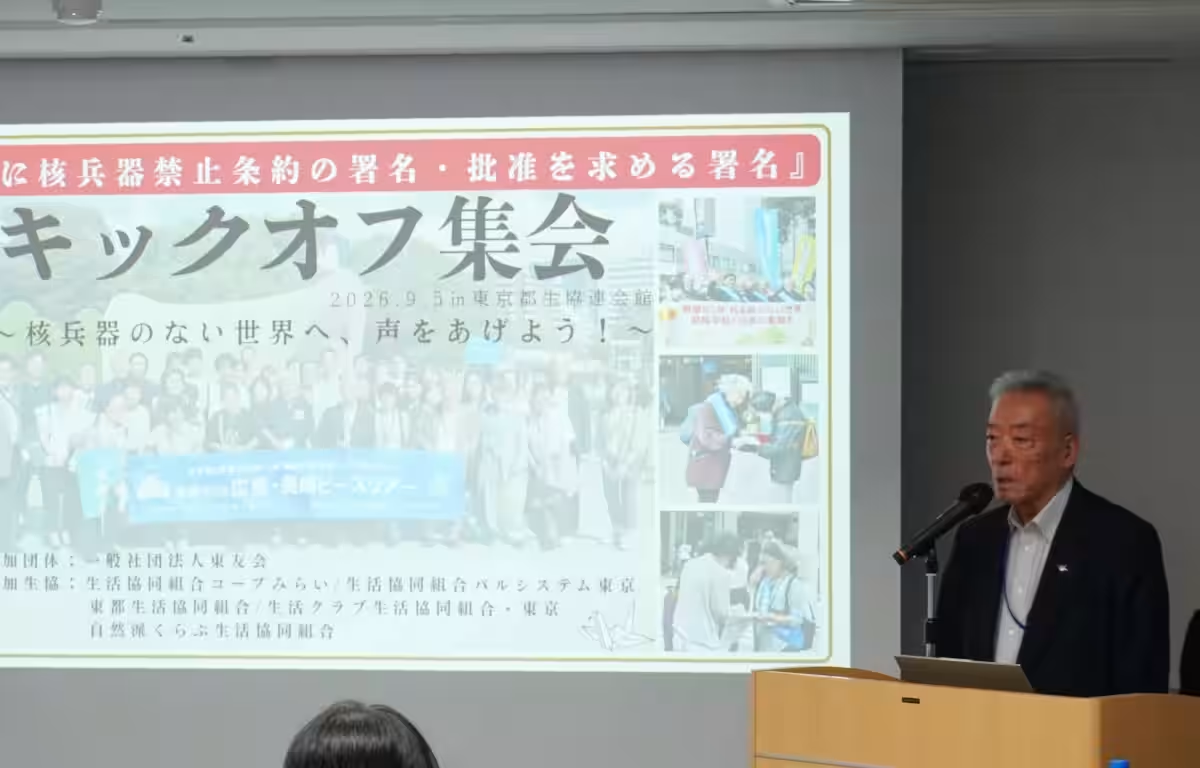
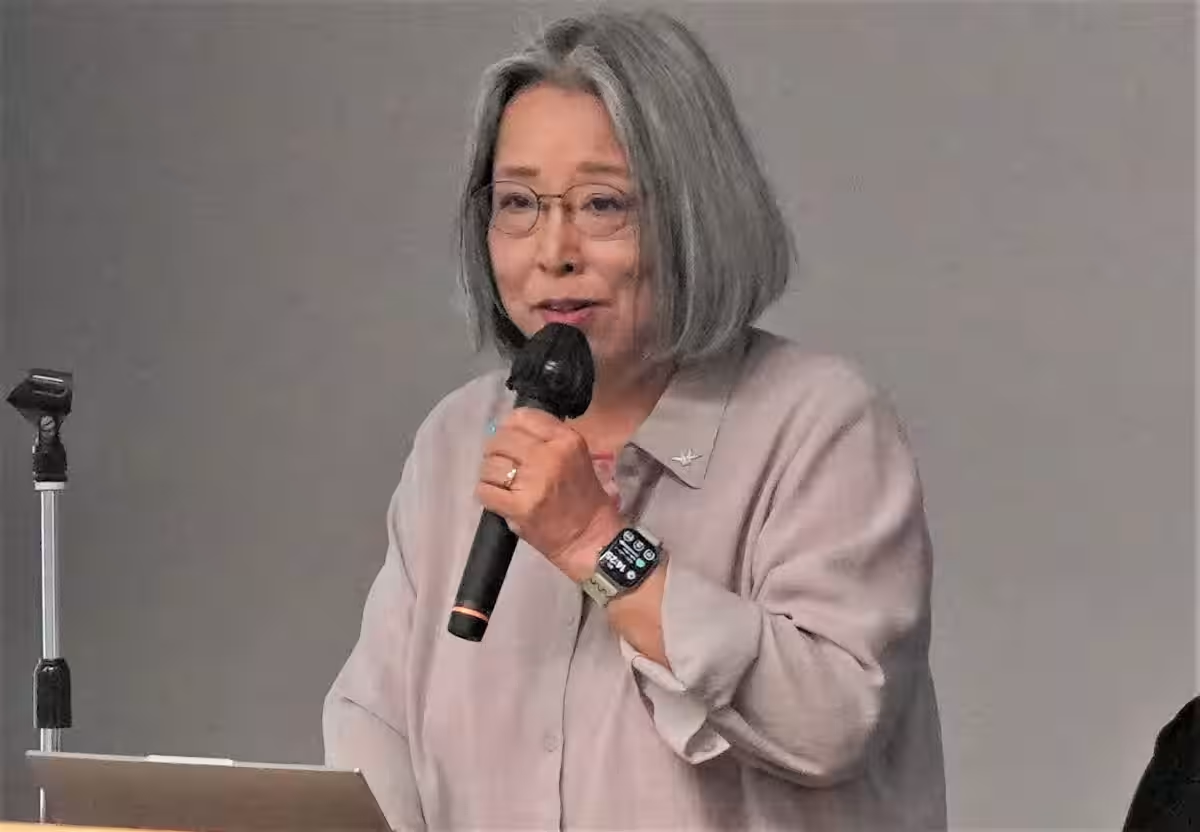
During the opening of the gathering, Representative Ieji from Higashi Yuukai highlighted that the average age of hibakusha has now exceeded 86, making individual grassroots outreach increasingly challenging. Referencing past signature campaigns, such as the one for the Hibakusha Relief Law in 1994, where cooperatives played an essential role, he expressed hope that younger generations participating through co-ops can continue this vital work. He encouraged participants to perceive the signing campaign as an exercise in citizens’ petitions and urged continued pressure on the Japanese government.
Shared Commitments to Peace
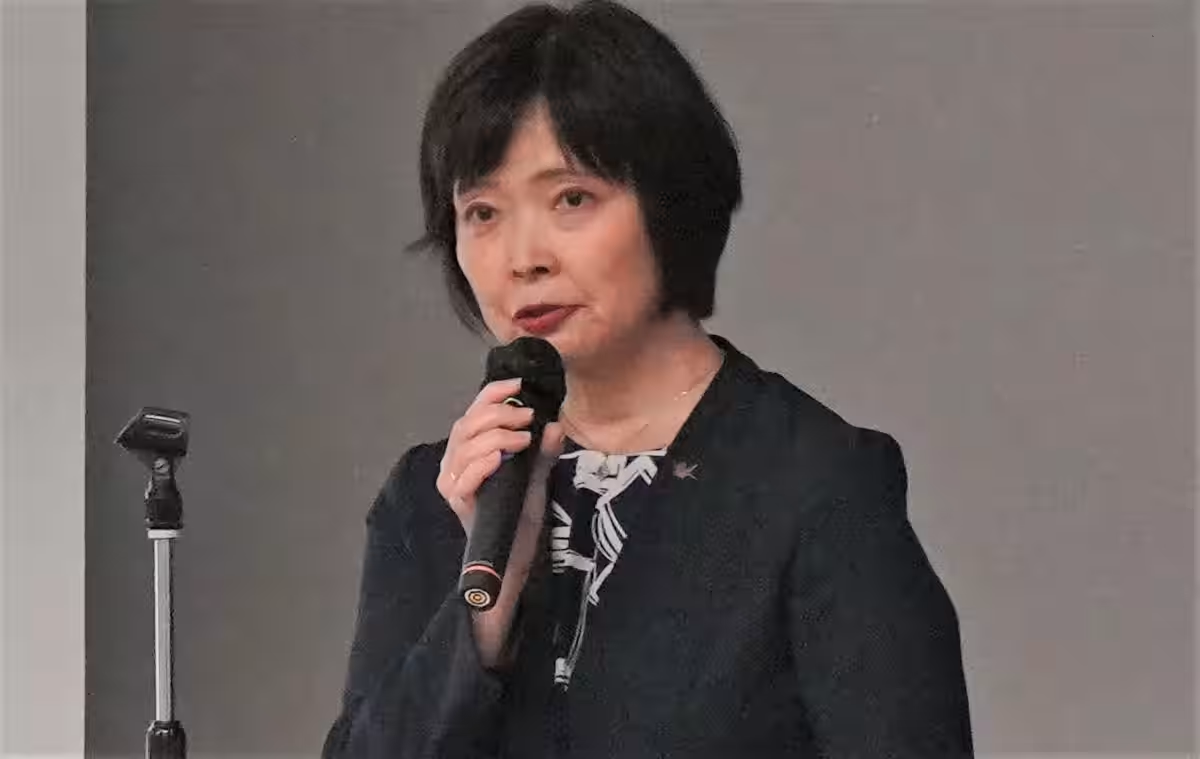
Fukushima Takashi, Director of Policy and Environmental Promotion at Palsystem Tokyo, underlined the significance of this year’s activities. With 2026 marking the 81st anniversary of the end of World War II and a significant year for nuclear non-proliferation and disarmament discussions, the cooperative movement aims to play a pivotal role in fostering a peaceful society amidst ongoing global tensions like the Russia-Ukraine conflict and U.S.-Iran relations.
Murata Michiko, a leader at the hibakusha counseling center, shared heartbreaking accounts from nearly 9,000 hibakusha consultation records, shedding light on the endless struggles faced due to discrimination and isolation after the bombings. These poignant stories included individuals who concealed their hibakusha status to avoid stigma, resulting in tragic life choices and lonely deaths.
The Need for Voices to Opt for Change
Murata emphasized the importance of building connections among hibakusha and passing their stories to future generations. Japanese citizens, particularly considering their unique historical context as atomic bomb survivors, have a heartfelt desire for a nuclear-free world. She urged participants to join together in promoting the signature campaign, recognizing the collective efforts needed to drive change.
The Collaborative Future
Each of the five cooperatives participating in the kickoff presented their commitments to peace and the vital role of collective action, emphasizing a unified front against nuclear arms. Coop Mirai defined peace as a
Topics Policy & Public Interest)

【About Using Articles】
You can freely use the title and article content by linking to the page where the article is posted.
※ Images cannot be used.
【About Links】
Links are free to use.