



Over 80% of Parents Experience Children's Skin Troubles After Pool Visits: Chlorine Effects and Aftercare Tips
Skin Troubles After Pool Visits: The Impact of Chlorine and How to Care for Your Child's Skin
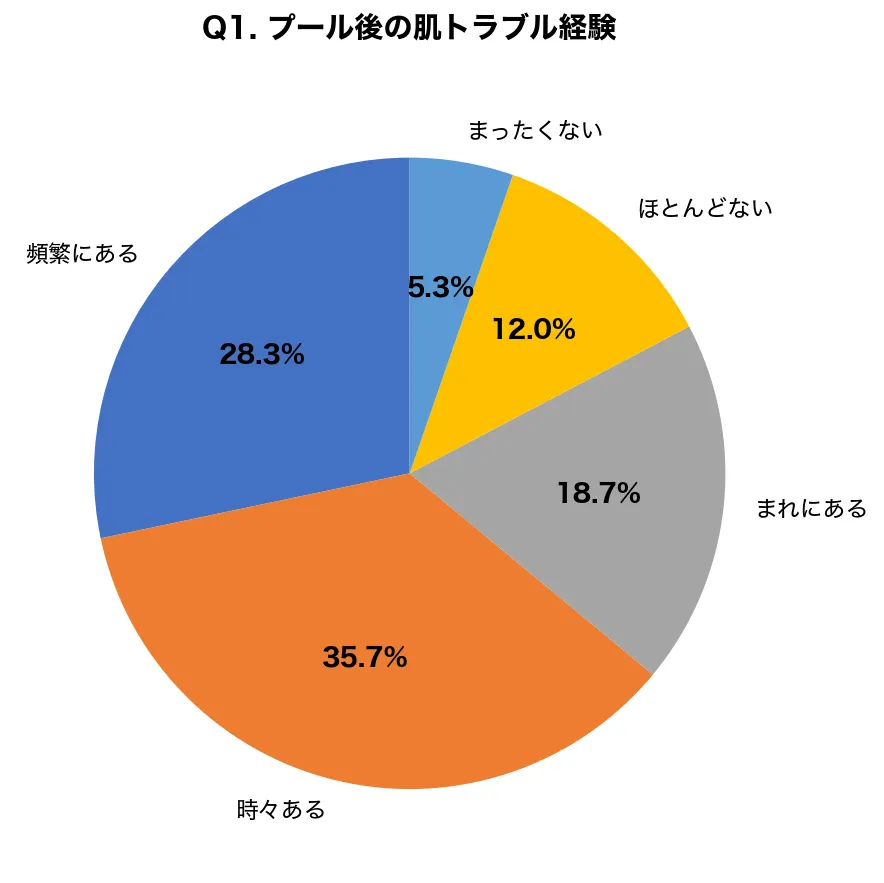
As summer vacation approaches and more children enjoy swimming, there has been a noticeable increase in skin complaints coming to dermatologists. A recent survey revealed that over 82% of parents reported experiencing skin troubles in their children after visiting pools, with chlorine surfacing as a primary culprit. In response, IC Clinic conducted a study to understand this issue and to shed light on effective aftercare practices post-swimming.
Understanding Chlorine-Related Skin Issues
Chlorine is used in swimming pools to ensure cleanliness; however, it can cause significant skin irritation. When chlorine comes into contact with the skin, it disrupts the lipid barrier, leading to dryness, irritation, and rashes. This is especially concerning for children, whose skin barriers are still developing, making them more susceptible to these effects.
The Main Findings of the Study
- - High Incidence of Skin Troubles: Among the surveyed parents, a staggering 82.7% reported their children experienced skin issues after swimming.
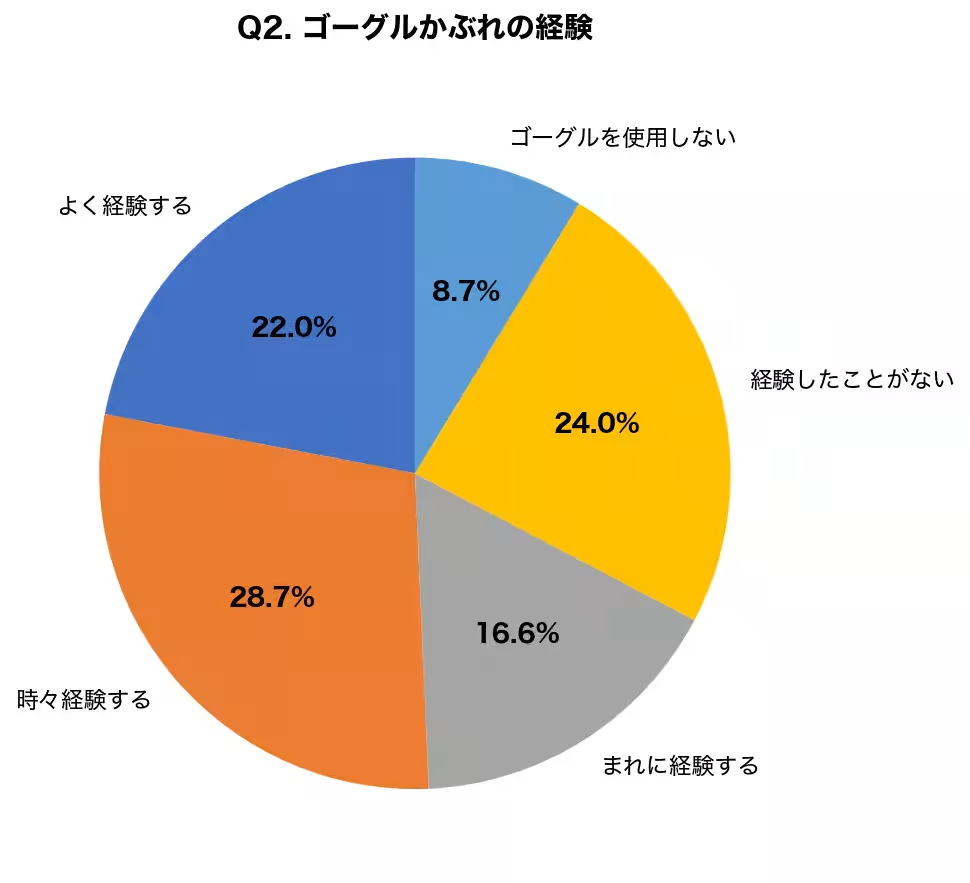
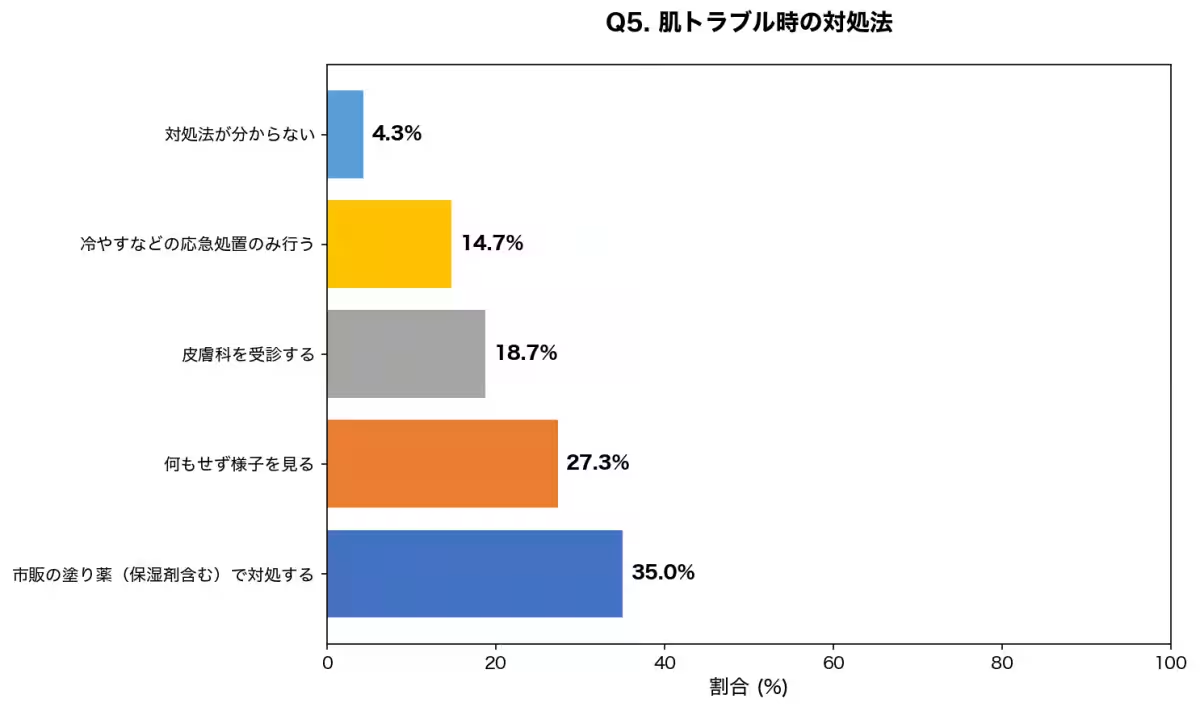
- - Goggle Rashes: 67.3% of children reported experiencing rashes from their goggles, yet only 23% of parents knew the appropriate responses.
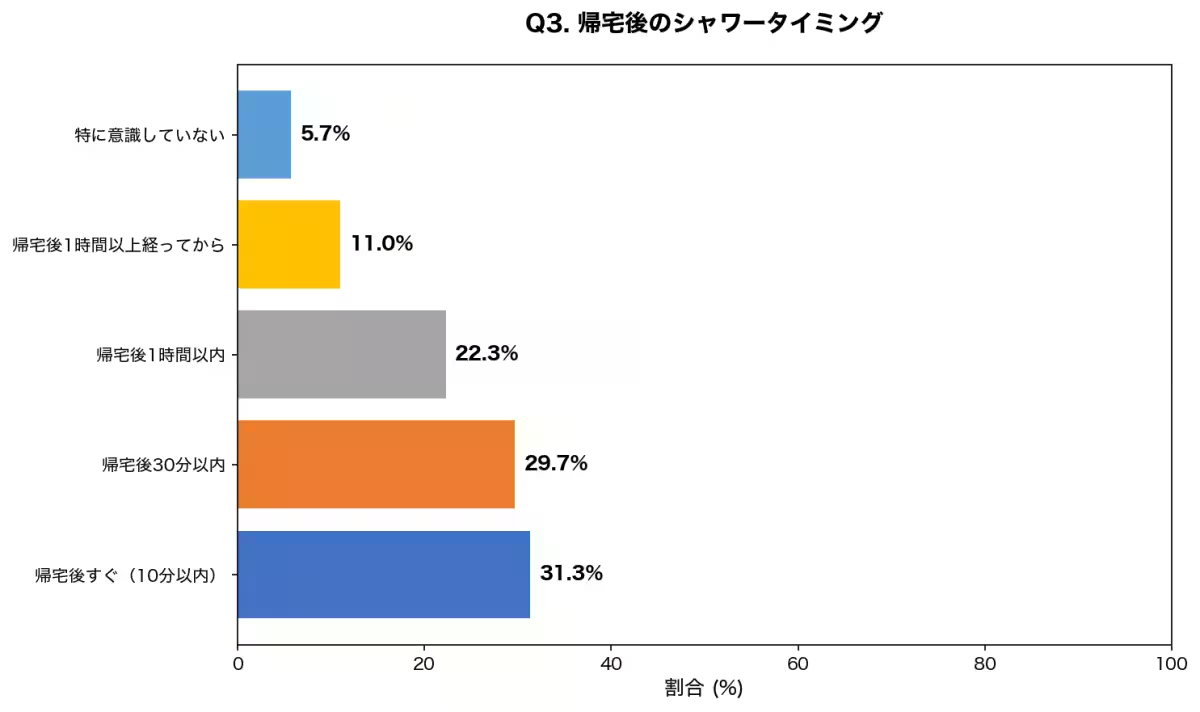
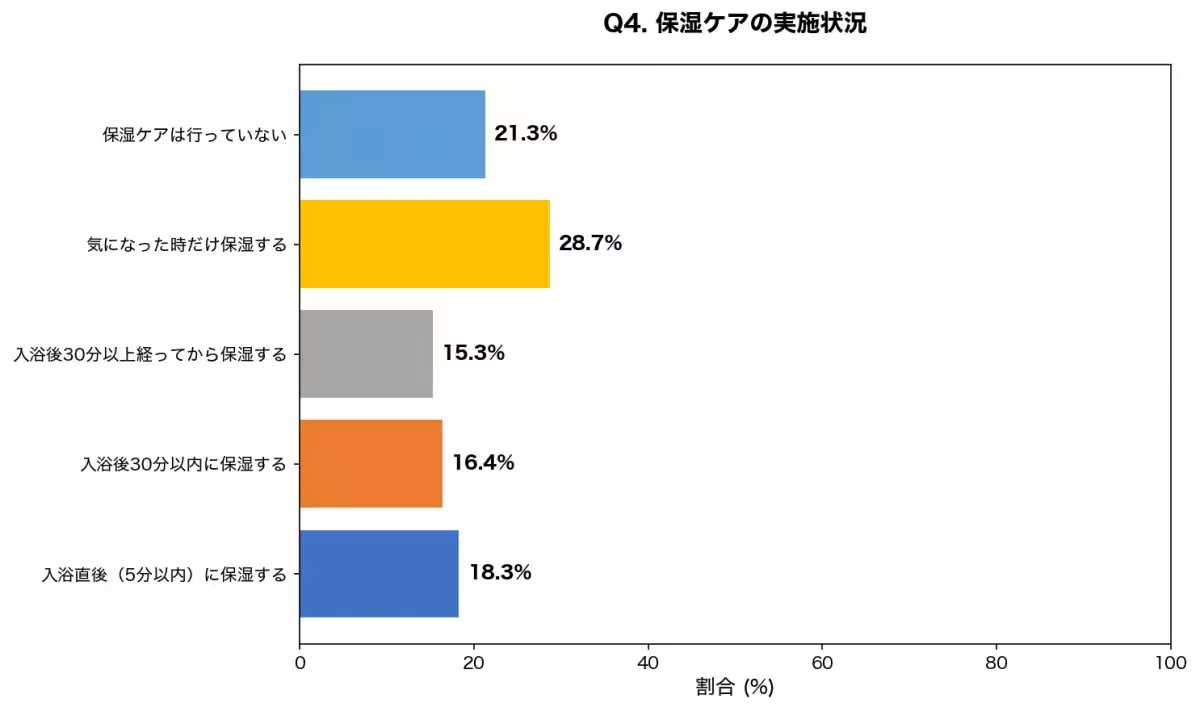
- - Timeliness of Aftercare: Only 34.7% of parents performed moisturizing care within the recommended 30 minutes after swimming.
These statistics illustrate a disconnect: while many families face these challenges, not enough are aware of the proper aftercare techniques needed to protect their children's skin.
Recommended Aftercare Steps
To mitigate skin irritation due to chlorine, follow these three essential steps:
1. Shower Within 5 Minutes: Rinse off as soon as you exit the pool. This helps remove chlorine before it can affect the skin.
2. Use a Gentle, Acidic Cleanser: Wash with a mild, weakly acidic facial cleanser to restore the skin’s pH balance instead of harsh soaps.
3. Moisturize Immediately: Apply a moisturizing agent with ceramide or similar compounds within 5 minutes of showering to lock in moisture and create a protective barrier.
Special Considerations for Goggle Rashes
If your child develops a rash from their goggles, immediately apply a cool compress to the affected area to reduce inflammation. If symptoms don't improve within 2-3 days, a visit to a dermatologist is advisable. Rashes are often either due to pressure on the skin from the goggles or allergic reactions to the materials.
Dermatologist's Insights
Dr. Kouta Takakuwa from IC Clinic, who has over 15 years of experience in dermatology, emphasizes the importance of prevention. "Aftercare can prevent over 80% of skin problems following pool visits," he states. "The approach should be to prevent issues before they arise rather than reacting afterward."
Conclusion
This study highlights a significant issue faced by families during the summer swimming season. With appropriate and timely aftercare, it is entirely possible to mitigate the adverse effects that chlorine has on children's skin. Parents are encouraged to incorporate these practices into their routines to help protect their children’s delicate skin.
Incorporating a systematic approach to skin care can significantly reduce chlorine-induced skin troubles, promoting healthier and happier swims during summer months. To ensure your child enjoys a skin-friendly season, remember the importance of timely cleansing and moisturizing along with understanding potential skin responses to swimming gear like goggles. We hope this information is beneficial in safeguarding your child's skin from future irritation.
Topics Health)
【About Using Articles】
You can freely use the title and article content by linking to the page where the article is posted.
※ Images cannot be used.
【About Links】
Links are free to use.