



Approval Achieved for Standard Design of Low-Pressure Liquid CO₂ Transport Ships in Japan
Major Development in Japan's CCS Shipping Sector
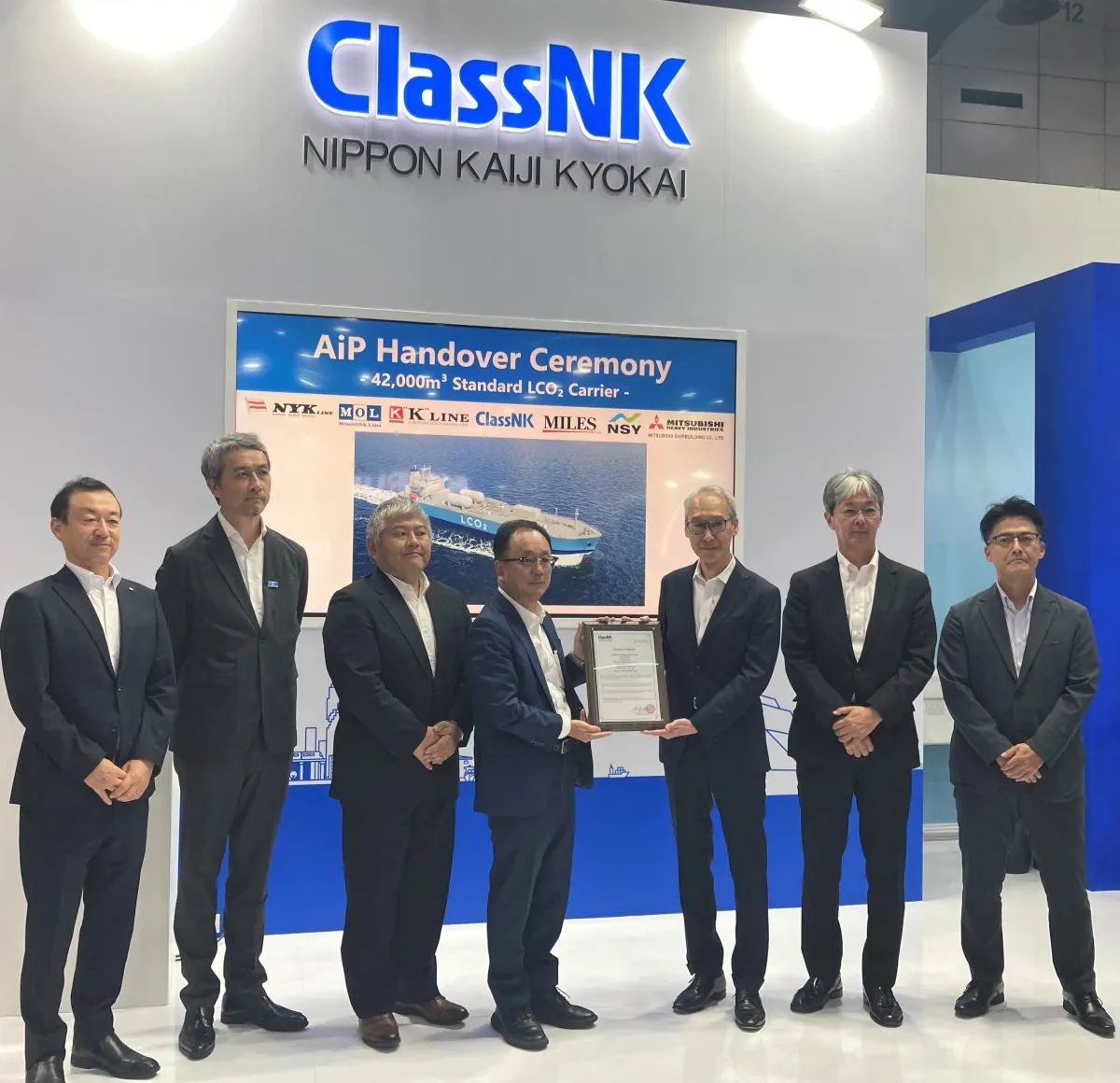
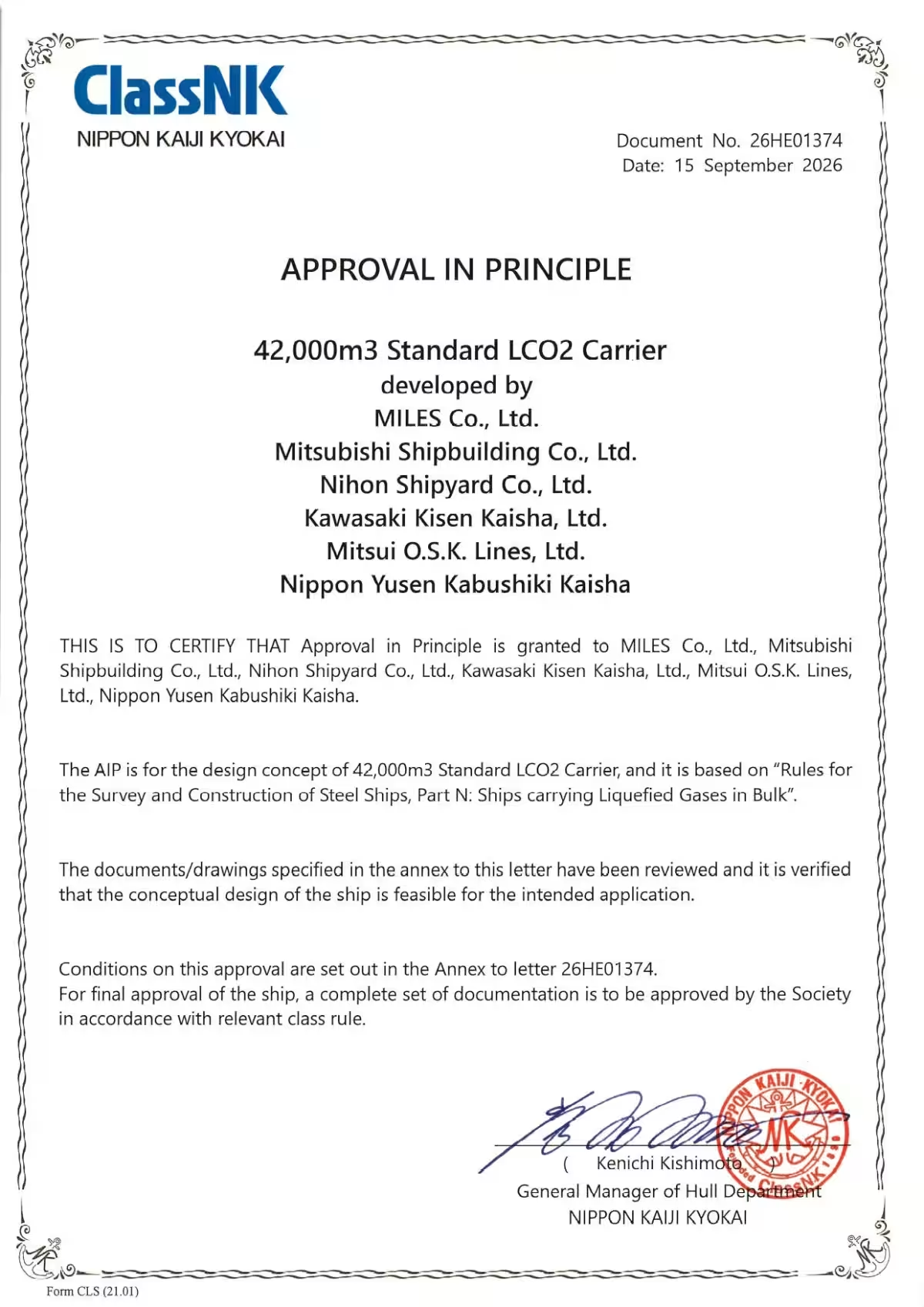
Recently, six prominent Japanese companies announced a significant milestone in the field of Carbon Capture and Storage (CCS) with the successful acquisition of Approval in Principle (AiP) for the basic design of a standard low-pressure liquid CO₂ (LCO₂) transport ship. This achievement stems from rigorous risk assessments focused on CO₂ handling operations specific to the low-pressure specifications of the vessel.
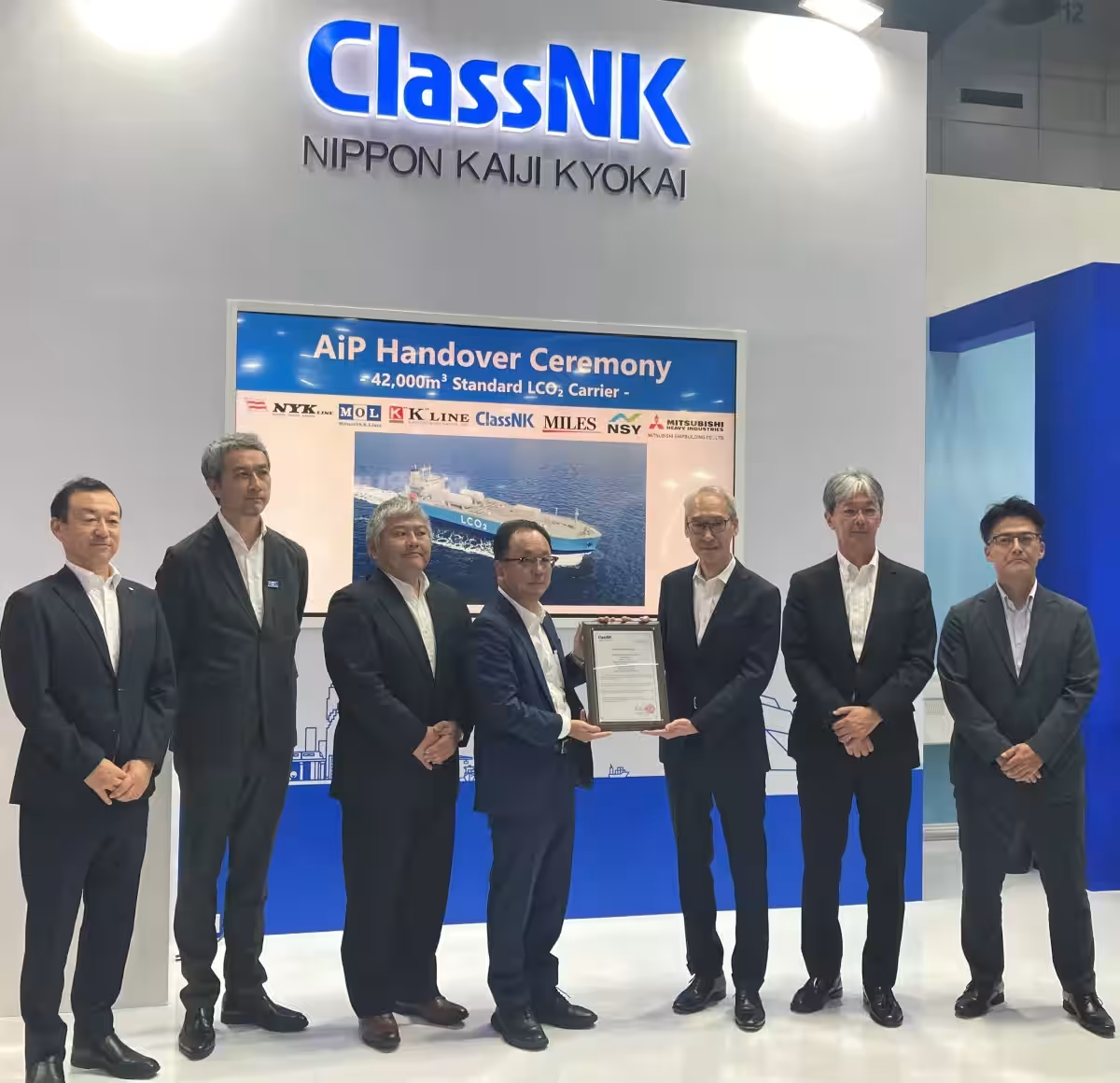
The consortium comprises Mitsui O.S.K. Lines, Kawasaki Kisen Kaisha, Nippon Yusen Kabushiki Kaisha, Nippon Shipyard, Mitsubishi Shipbuilding, and MILES Co., Ltd. The AiP was granted by ClassNK, a prominent maritime classification society in Japan, following their evaluation of the design's adherence to safety and technological standards. The award ceremony took place on September 15 at the Gastech 2026 event in Bangkok, marking a celebrated moment in the journey towards enhancing Japan's CCS initiatives.
Risk Assessment and Safety Design
The key to obtaining the AiP lay in the extensive risk assessment carried out by the group. This evaluation, known as Hazard Identification Study (HAZID), scrutinized the unique risks associated with low-pressure LCO₂ transportation. By leveraging the operational expertise of Kawasaki Kisen Kaisha, Mitsui O.S.K. Lines, and Nippon Yusen, the group was able to develop a robust safety-focused design strategy that not only fulfills the immediate requirements but also lays a strong foundation for future developments in shipping CCS technologies.
These carefully crafted design principles will be integrated into the standard LCO₂ transport vessel design, marking a pivotal shift toward streamlined construction and enhanced efficiency in shipbuilding. This approach aims to improve the capacity to construct such vessels, making the process more economical and sustainable in the long run.
A Commitment to Environmental Goals
The project aligns with Mitsui O.S.K. Lines' comprehensive environmental strategy, outlined in their BLUE ACTION 2035 management plan. Under this framework, the company is committed to expanding low-carbon and decarbonization initiatives. The agreement to develop these LCO₂ transport vessels is a key component of that strategy, aimed at realizing a more sustainable maritime environment.
Looking ahead, these vessels are expected to serve projects in Japan’s domestic CCS landscape, which anticipate a growing demand for effective transportation solutions as CO₂ is captured and needs to be stored securely. The six companies have previously outlined a memorandum on standard design schemes for LCO₂ and new fuel vessels on December 1, 2025, aimed at ensuring stable construction and supply capabilities in the domestic market.
Additionally, integrating MILES, a joint venture focusing on design, sales, and supply, will further facilitate the realization of a cohesive CCS value chain in Japan. As projects progress, including plans to transport CO₂ for the Northern Lights Project by 2028, the consortium aims to remain at the forefront of solutions that address the mounting demand for ocean transport of CO₂.
Future Prospects
As the world grapples with the urgency of achieving a carbon-neutral society, advancements in CCS technology and infrastructure will play an essential role. The recent AiP highlights not just a technical achievement for the consortium, but a vital step forward in the collaborative efforts needed to transition to sustainable practices in shipping and energy sectors. Through innovative shipping solutions and environmentally responsible practices, these companies are set to make significant contributions to the urgent goals of decarbonization and CO₂ management globally.
In conclusion, the approval of this standard LCO₂ transport ship design signifies a breakthrough for CCS initiatives within Japan and serves as a blueprint for future endeavors in carbon management and environmental responsibility across the maritime industry.
Topics Other)

【About Using Articles】
You can freely use the title and article content by linking to the page where the article is posted.
※ Images cannot be used.
【About Links】
Links are free to use.