




Finding Solutions for Workforce Shortages During Parental Leave: A Critical Inquiry
Exploring Strategies to Address Workforce Shortages During Parental Leave
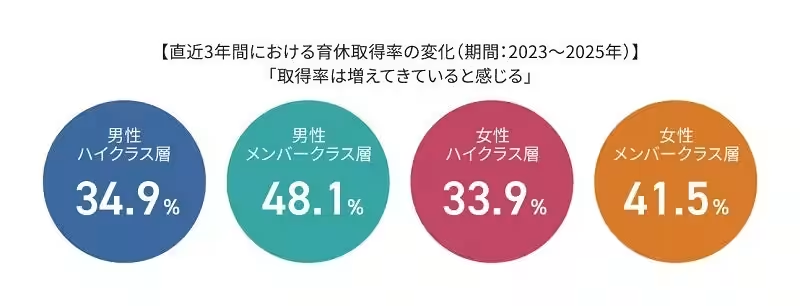
In recent years, there has been a significant uptick in parental leave uptake among both men and women. However, this increasing trend brings challenges for organizations as they strive to manage temporary workforce shortages during these periods. A recent study conducted by Persol Career Corporation as part of their comprehensive service offering, HiPro, sheds light on the pressing issue of workforce management amidst parental leave, revealing a couple of critical findings that many companies may find illuminating.
Overview of Key Findings
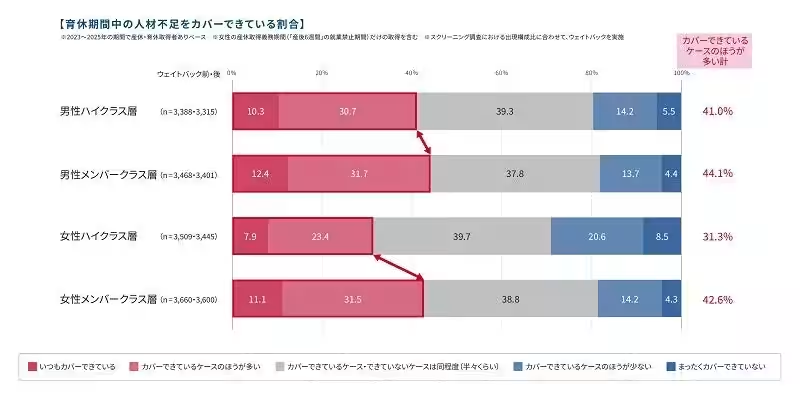
According to the newly released 'Freelance Workforce White Paper 2026,' only 30-40% of companies are effectively managing workforce shortages due to parental leave. This statistic underscores the struggles organizations face when preparing for and responding to staff absences.
Gender-divergent Experiences
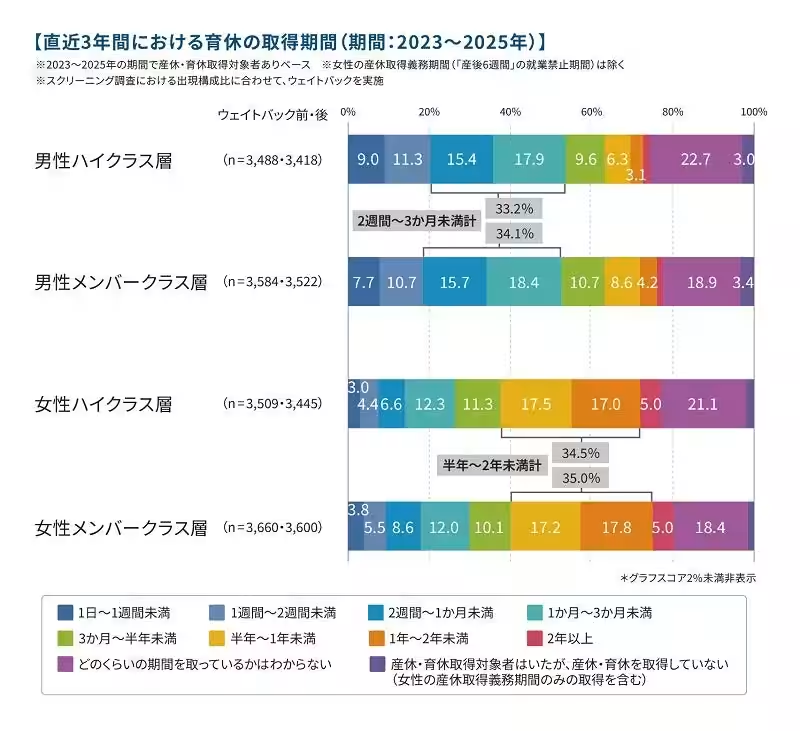
The findings show a notable disparity in parental leave uptake between genders. Male employees tend to take shorter leaves—typically ranging from two weeks to three months—while many women are more likely to take a leave of six months to two years. This difference complicates the planning needed to cover absent employees, particularly when there's little notice of leave beginning.
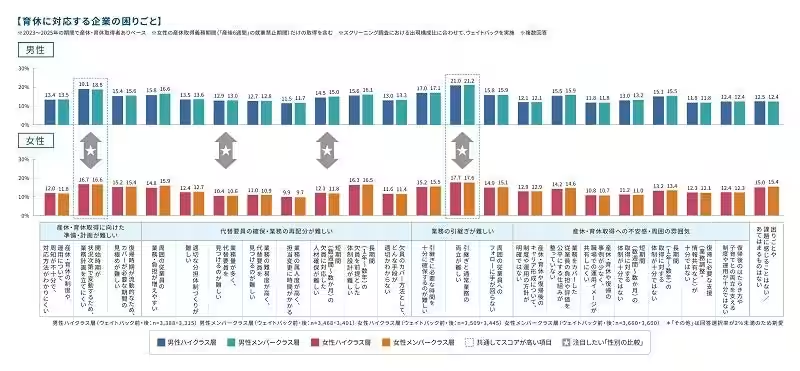
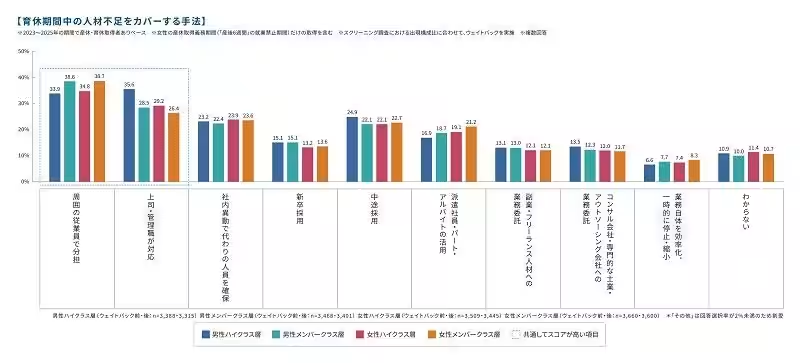
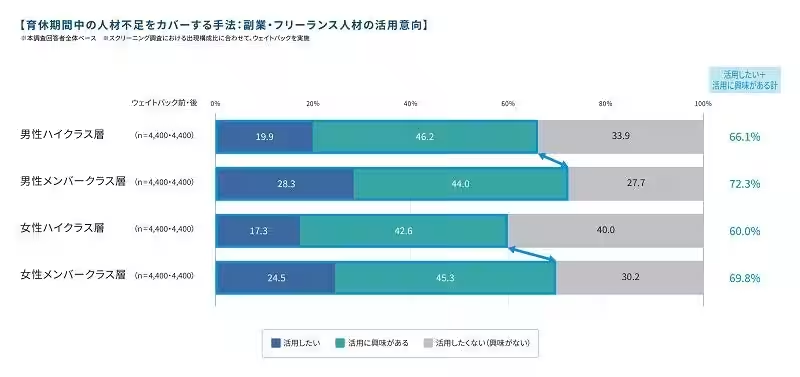
Moreover, securing coverage becomes significantly harder for high-caliber positions that require specific skills and experience, primarily because these roles often involve highly confidential tasks. The analysis indicates that companies account for parental leave mainly through internal workload redistribution or managerial intervention, yet over 60% of businesses expressed interest in leveraging freelance talent during such periods.
Addressing Workforce Shortages: Strategies and Solutions
To effectively counter workforce shortages caused by parental leave, firms must prioritize preparation and quick adaptation strategies. Here’s a refined approach:
1. Proactive Preparation and Review:
- Organizational Awareness and Training: Companies must cultivate a culture that supports parental leave by effectively communicating its benefits and operational guidelines internally.
- Evaluation System Adjustments: Establishing a clear and reassuring evaluation process for both the employees on leave and the staff covering their roles can ease the strain of temporary absences.
- Streamlining Transition Protocols: Enhanced manual resources and an organized system for workload handover alleviate confusion when transitioning tasks to temporary replacements.
2. Diverse Talent Utilization:
- Companies should not solely rely on internal resources but instead consider hiring external professionals or freelancers to cover specific project needs. The business case for using freelancers is compelling; organizations can flexibly engage these professionals based on project requirements and timeframes.
- Properly delineating which tasks must remain internal—such as managing sensitive data or organizational decisions—versus those that can be outsourced—like project execution—should be a priority going forward.
3. Real-World Implementation:
A noteworthy case is that of Yazaki Corporation, which adapted outsourced expertise during a critical transition in their talent management system. As the main project lead took parental leave, they contracted skilled freelancers to ensure project continuity and accelerate implementation, thus preserving productivity during a crucial phase.
In addressing the fears that external talent might not match internal confidentiality needs, organizations find that effectively segmenting responsibilities allows them to tap into a reservoir of high-caliber freelance professionals without sacrificing project integrity.
Conclusion: A Call to Action for Organizational Change
The increasing rate of parental leave uptake necessitates a shift in how businesses manage workforce shortages. As the research highlights, many organizations currently face an uphill battle when it comes to filling gaps left by employees on leave. For sustainable solutions, companies should invest in training their workforce on the importance of effective parental leave handling while simultaneously integrating external talent to ensure business continuity.
Ultimately, the insights gathered from the HiPro survey underscore the importance of corporate preparedness and adaptability as critical factors for mitigating the challenges posed by employee absences during parental leave periods. Organizations that embrace these strategies will not only foster a healthier workplace culture but also enhance their operational resilience in the face of change.


Topics General Business)

【About Using Articles】
You can freely use the title and article content by linking to the page where the article is posted.
※ Images cannot be used.
【About Links】
Links are free to use.