




FinMark Edge Launches Free AI-Based Web Diagnosis for B2B Manufacturing Sites
FinMark Edge Introduces Free AI Diagnosis for B2B Manufacturing Websites
In a significant move aimed at boosting the online visibility of small and medium-sized manufacturing firms, FinMark Edge, based in Shibuya, Tokyo, is launching a specialized AI diagnosis service. Designed specifically for B2B enterprises, this web diagnosis, titled "Manufacturing B2B Web Sales Power AI Diagnosis," will be available for free to the first 20 applicants, starting June 17, 2026.
The Changing Landscape of B2B Purchases
The rise of generative AI is transforming the dynamics of B2B purchasing decisions. Historically, prospective buyers would use keyword searches to identify suitable suppliers. Now, they can engage with AI to articulate their needs in natural language, such as asking for companies that can cut titanium within specific tolerances.
This shift allows AI to scan multiple company websites and summarize those that meet the specified criteria, enabling potential customers to narrow down their options more efficiently. However, the challenge remains for many small manufacturers: if their unique strengths—like specific material processing capabilities or industry expertise—are not presented in a way that AI can recognize and reference, they risk being overlooked.
Unique Features of the New Service
FinMark Edge's offering goes beyond traditional SEO assessments. The AI diagnosis evaluates a company's existing website against key criteria that ensure it stands out in generative AI searches. It focuses on how well these websites communicate their strengths, such as:
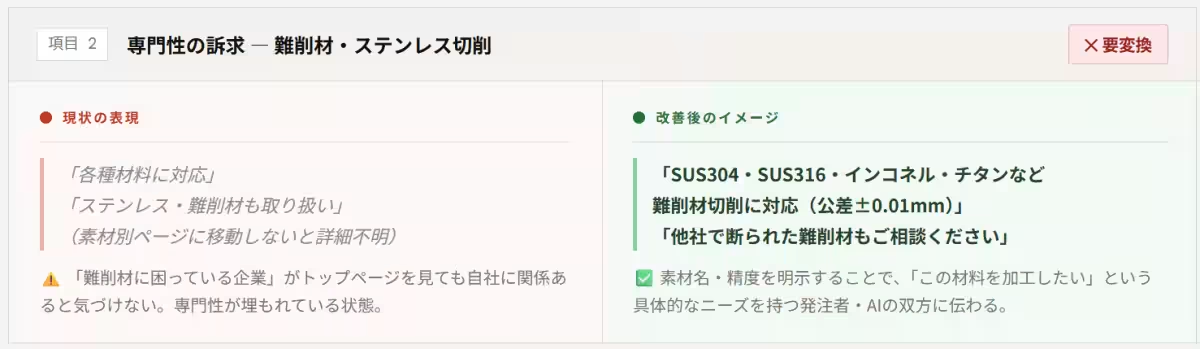
- - Technical Capabilities: Companies must be clear about what they can offer, using specific metrics. For example, stating "I can machine titanium to a tolerance of ±0.01mm" is far better than simply saying "high precision."
- - Industry Keywords: It’s essential to include specific materials, like "Inconel 718" or industry terms such as "medical devices" in plain language that resonates with what potential customers might input.
- - Q&A Formats: Industry sites that address common queries directly, like stating “Can you handle VA/VE proposals? Yes!”, are more likely to be recognized by AI.
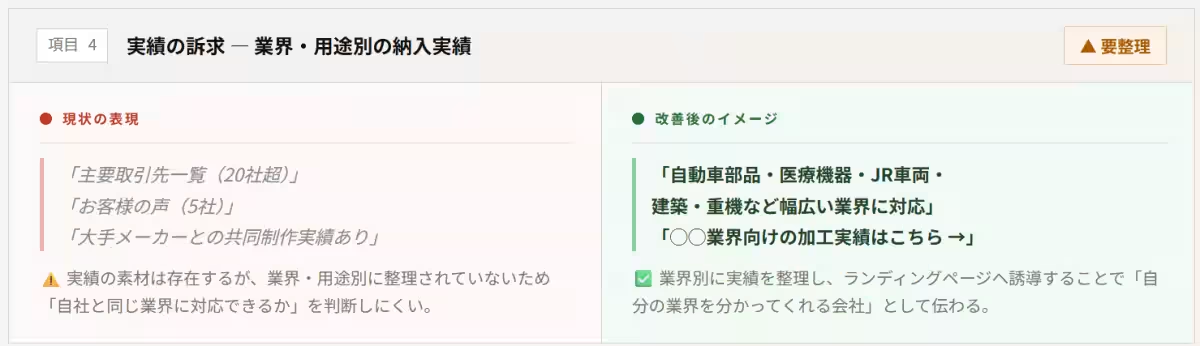
- - Dedicated Pages for Each Theme: Instead of cluttering the homepage, companies should dedicate pages to specific materials and technologies, improving their chances of being selected by AI searches on nuanced customer inquiries.
- - Documented Credentials: Trust signals, including certifications and equipment listings, should be presented clearly in text form, not just in images or PDFs.
Results from Preliminary Studies
Before launching this service, FinMark Edge conducted an analysis comparing generative AI search results with traditional keyword-based searches. They found a significant divergence: while keyword searches favor well-known brands, generative AI searches prioritize pages where content matches the user's query in detail. The company validated through 15 distinct search scenarios that generative AI favors detailed textual summaries over simple links.
Target Audience and Diagnosis Framework
The service is tailored for small and medium-sized manufacturers struggling with their online presence, particularly those who want to:
- - Enhance inquiries from potential clients through their website.
- - Ensure visibility in generative AI search results, rather than being overshadowed by competitors.
- - Better communicate technical strengths in a manner that resonates with AI.
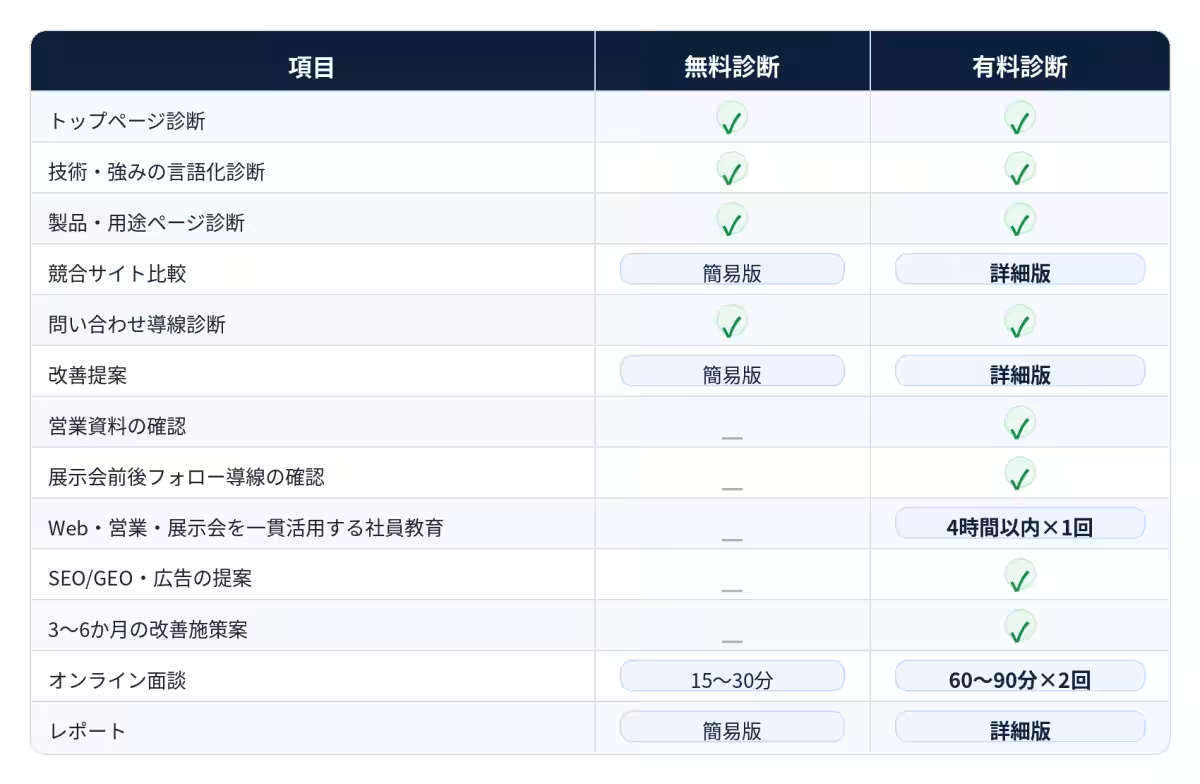
The diagnostics cover key areas such as:
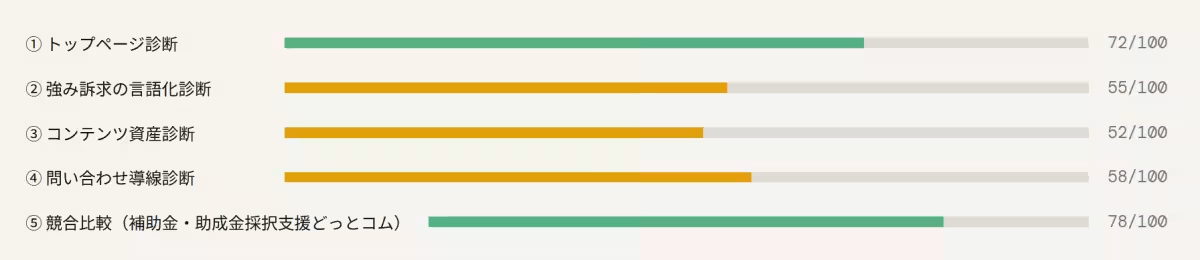
- - Homepage Assessment: Does the homepage convey who the company is and its offerings effectively?
- - Strength Articulation: Are strengths expressed in ways that align with the terms AI will use?
- - Information Organization: Is product and applications information structured in a manner that aids AI in understanding and relaying it?
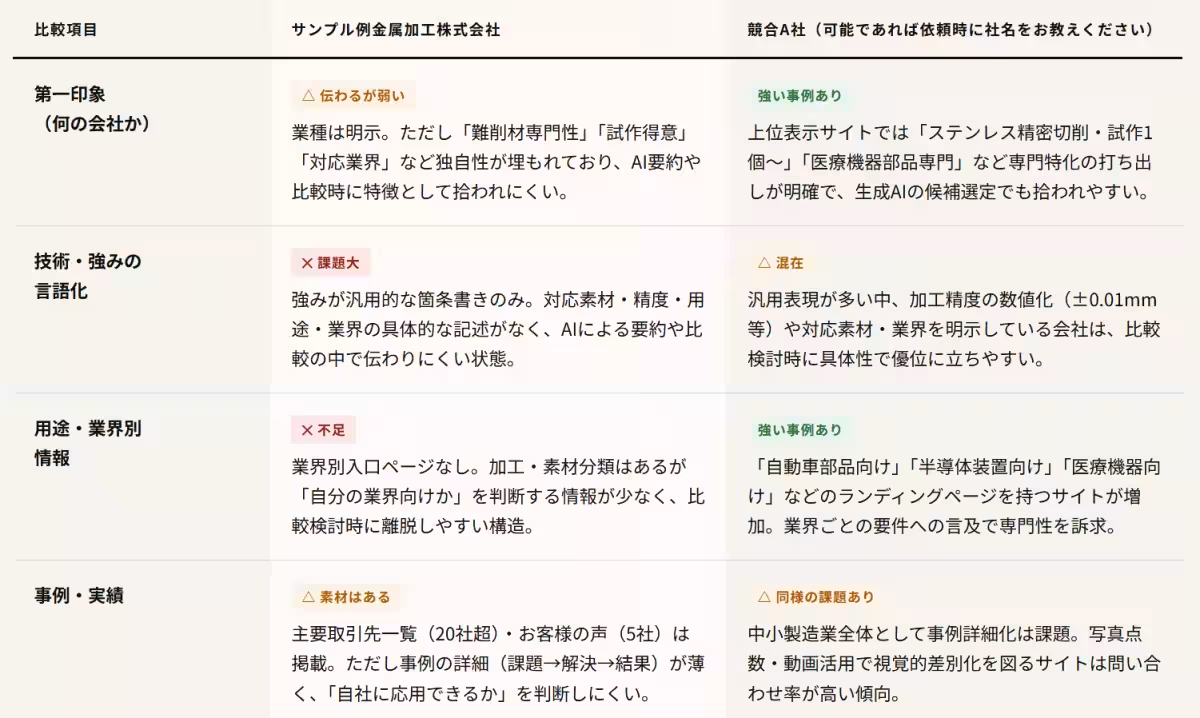
- - Competitor Comparison: How does their web presence stack up against competitors?
- - Inquiry Pathways: Are there clear pathways for potential customers to take further action after visiting through AI?
The AI diagnosis is thus structured to empower companies to enhance their online presence, making it easier for them to be listed in AI-enabled inquiries related to their business sectors.
Conclusion
The launch of FinMark Edge's AI-based web diagnosis reflects a burgeoning need for manufacturing businesses to adapt to the digital landscape shaped by generative AI. As customers increasingly turn to conversational queries rather than keyword searches, it becomes crucial for companies to ensure their strengths are communicated effectively online to remain competitive. Companies interested in this free diagnosis can apply directly through FinMark Edge’s website.
For further information, firms can reach out directly to FinMark Edge representatives. This initiative signals not only an opportunity for manufacturers to enhance their operational visibility in a new digital age but also to remain relevant in a rapidly evolving B2B marketplace.

Topics Consumer Technology)
【About Using Articles】
You can freely use the title and article content by linking to the page where the article is posted.
※ Images cannot be used.
【About Links】
Links are free to use.