



April Report Uncovers Surge in QR Payment Fraud Targeting Users
April Cyber Fraud Report: A Rising Threat
In the world of financial transactions, online fraud continues to pose significant risks, particularly with the increasing popularity of QR payment methods. The monthly cyber fraud report has revealed alarming trends, particularly focusing on fraudulent activities targeting customers of local and internet banks, often designed to resemble legitimate services.
Surge of Phishing Sites Targeting Non-Mega Banks
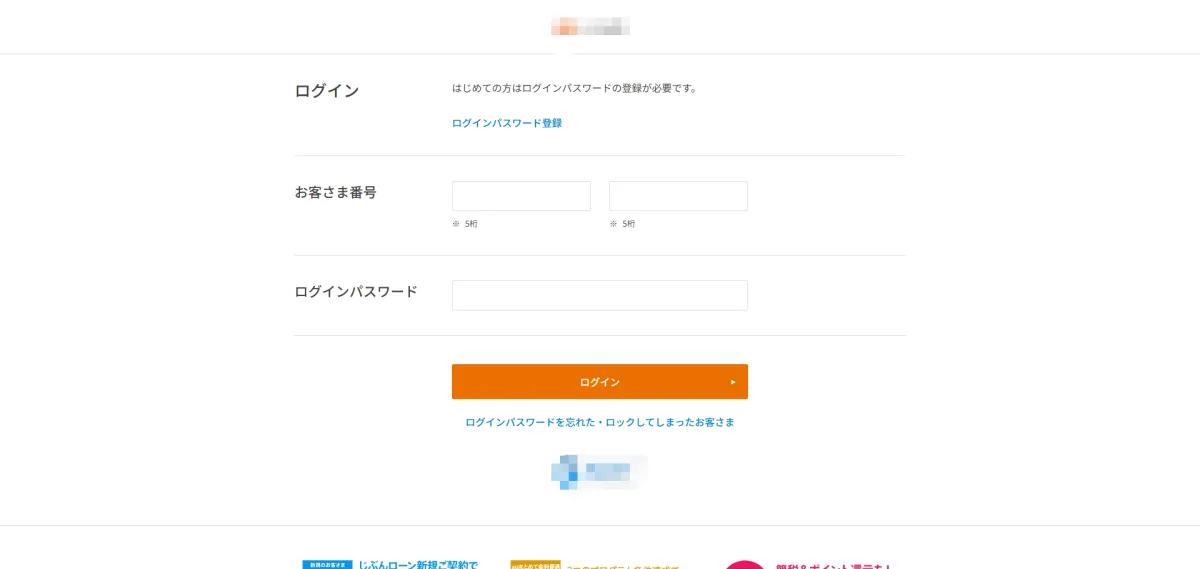
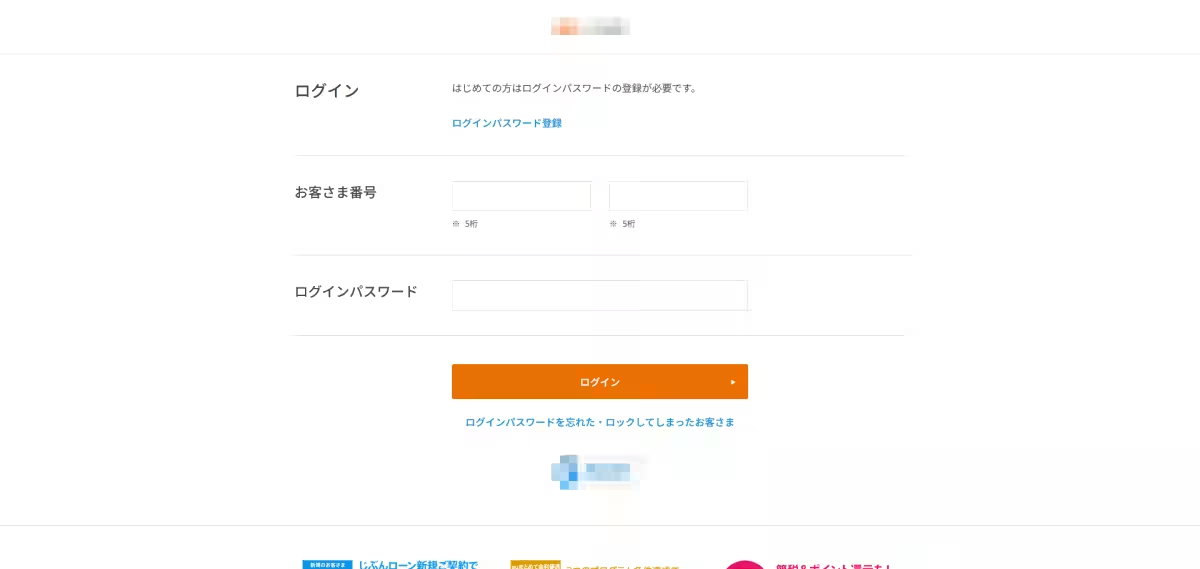
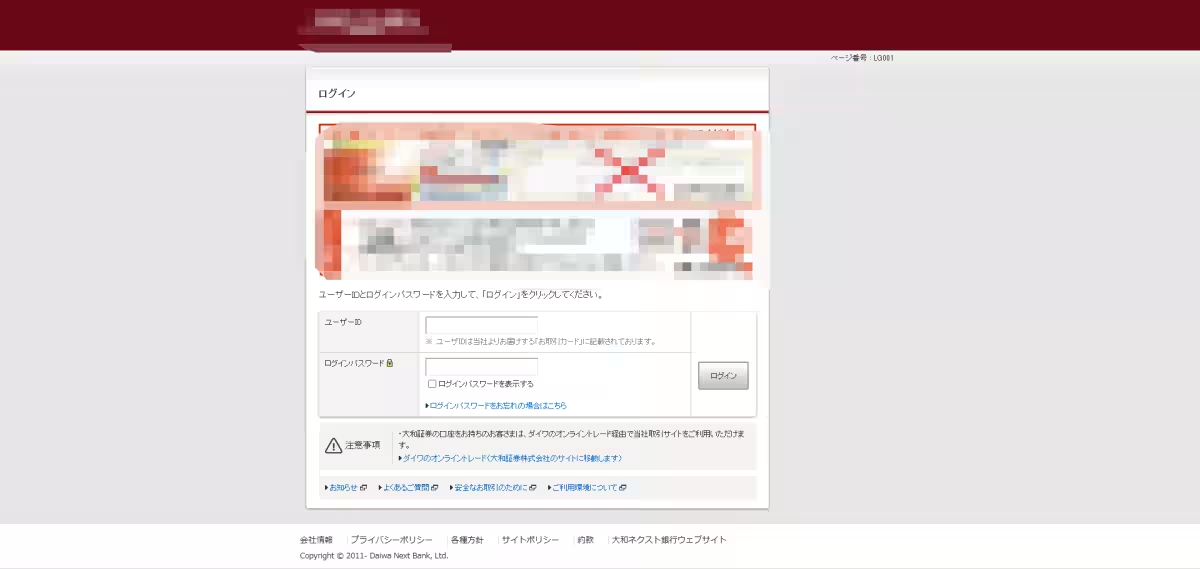
In April, we observed a notable rise in phishing sites mimicking banks such as au Jibun Bank and Daiwa Next Bank. These scams primarily operate through deceptive emails or SMS messages that lure users into providing sensitive information like internet banking IDs and passwords. Unlike previous trends where only mega banks were targeted, these scams are now extensively affecting regional and online banks as well.
To protect oneself from these threats, vigilance is crucial. Individuals should avoid clicking links in dubious emails or SMS, instead accessing their banks through official apps or bookmarks. Moreover, users must confirm URLs before entering any login credentials and promptly delete any suspicious communications. In situations of uncertainty, it is advisable to reach out directly to the bank through its official channels for verification.
Increase in QR Payment Scams
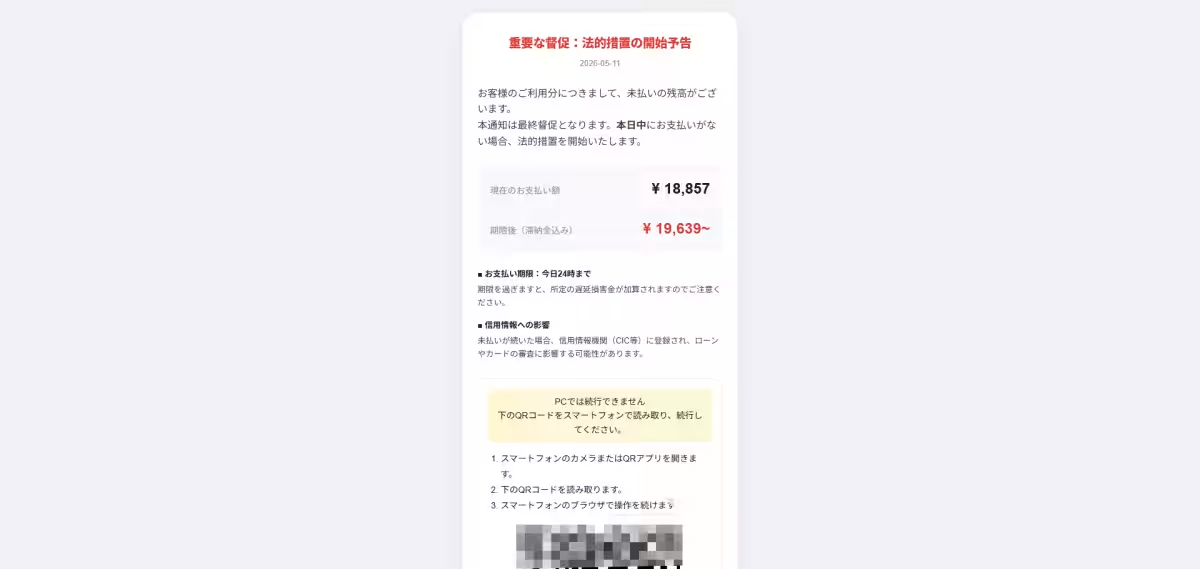
April also saw an unprecedented rise in scams involving QR payment systems. Unlike the traditional phishing scams which focus on stealing login details, these tactics directly facilitate the theft of money from victims by redirecting them to payment screens, where scammers entice them to make illicit transactions themselves. Once a payment is initiated, users often find it impossible to reverse the transaction, especially if the details are not checked thoroughly.
Recently reported scams include those impersonating the National Tax Agency, falsely claiming overdue taxes, and those masquerading as payment requests for various services. Individuals are urged to exercise caution by ensuring that they thoroughly verify all payment requests and avoid scanning QR codes or clicking on payment buttons without complete assurance.
Top Phishing Brands and Categories
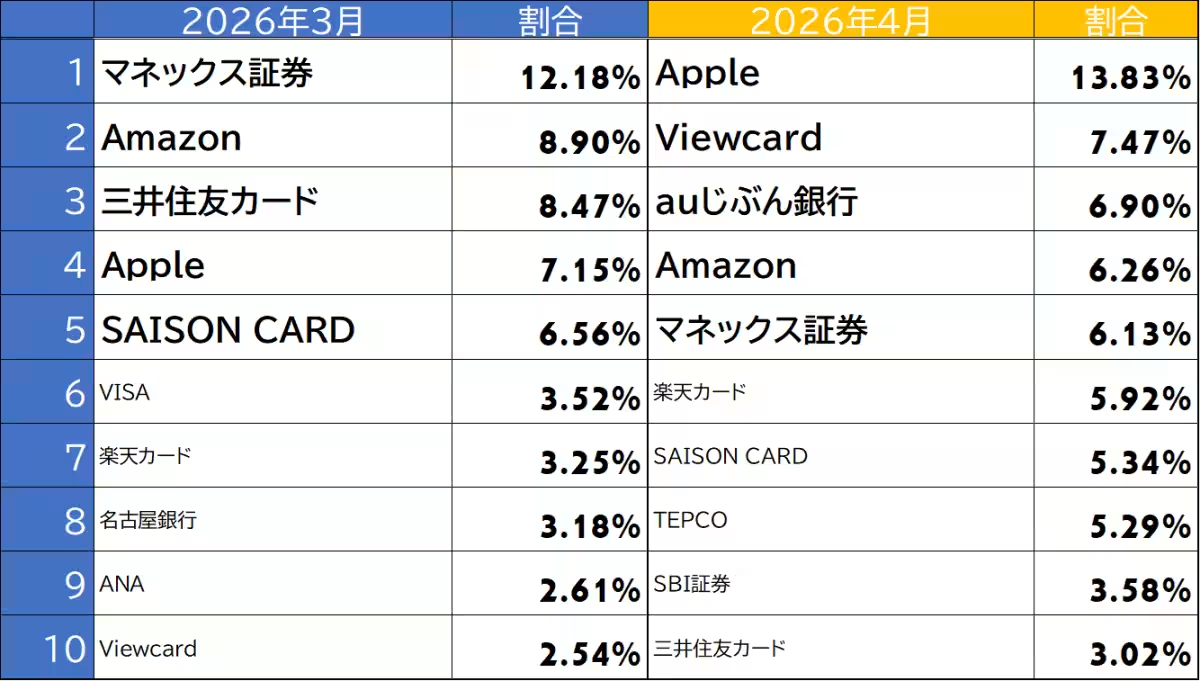
The report highlights that phishing sites impersonating Apple have become the most prevalent in April. The phishing site for au Jibun Bank ranks third, while various credit-related phishing attempts, such as those related to Viewcard, remain a concern.
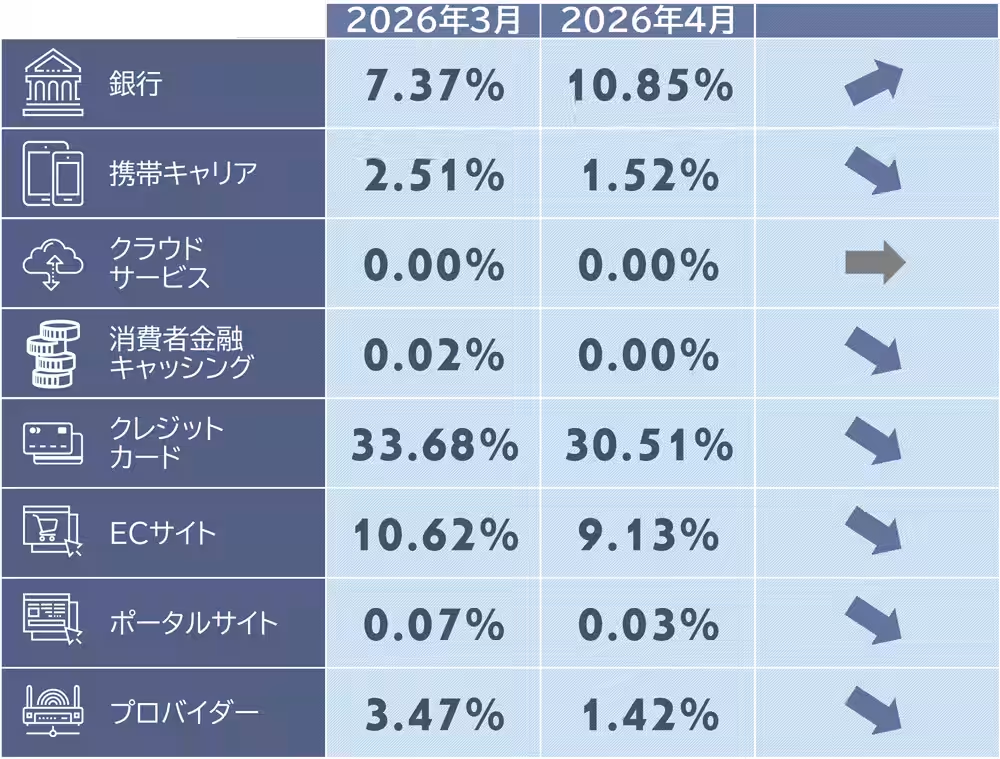
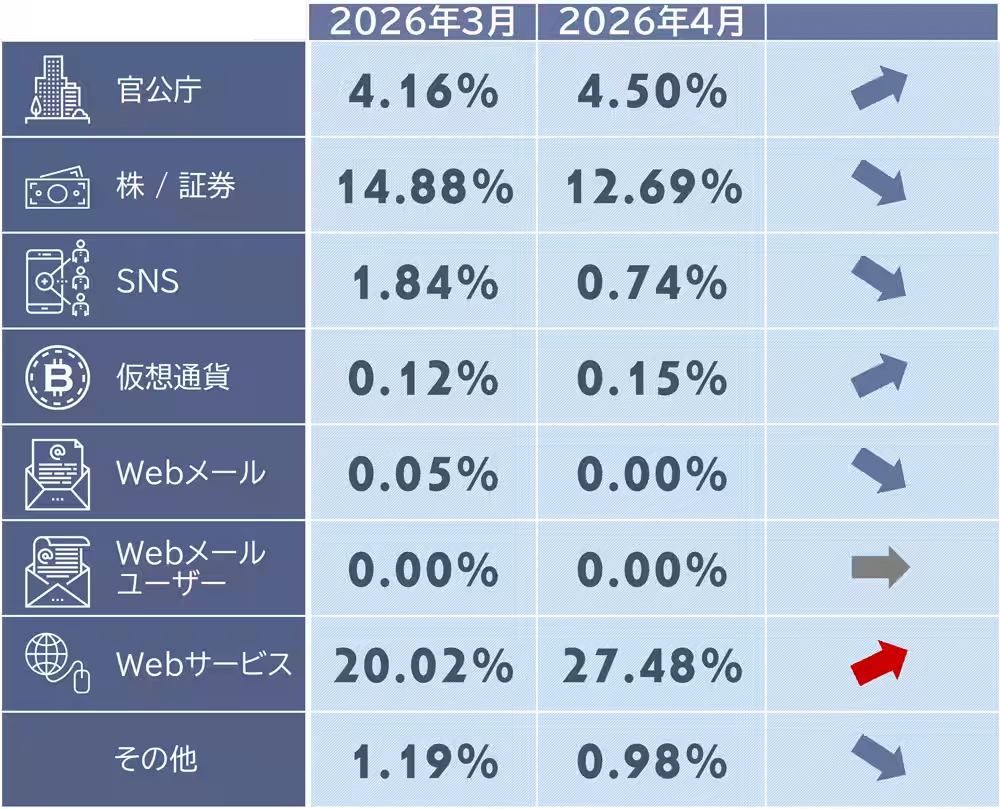
There has also been an increase in phishing sites within the web services category, correlating with the rise in Apple impersonation scams, indicating a shift in targeted sectors.
Key Prevention Tips Against Phishing
1. Verify URLs: Always confirm that the URL is legitimate before providing any personal information. Consider using a free website-checking service to scrutinize URLs.
2. Be Wary of Unsolicited Requests: Reputable organizations never ask for personal information via email or SMS. Be cautious of any communication requesting such data.
3. Avoid Reusing Credentials: Using different login IDs and passwords for different services minimizes the risk of multiple accounts being compromised if one set of credentials is stolen.
4. Use Security Software: Given the ever-evolving nature of cyber threats, deploying security and anti-fraud software can provide an extra layer of protection against malicious activity.
Utilizing the Scam Site Checker
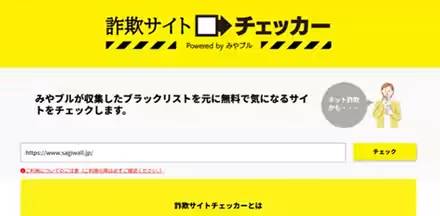
For any users unsure about the safety of a particular website, they can utilize the free service known as the Scam Site Checker, which analyzes URLs against a blacklist of known fraudulent sites. This tool can help confirm whether a site has been reported for scamming activities.
Scam Site Checker
Expert Commentary by Professor Tatsuya Mori
Professor Mori, an expert in cybersecurity from Waseda University, emphasized the worrying trend of QR payment fraud that has emerged in the last month. Unlike classic phishing tactics that focus on capturing IDs and passwords, these newer scams are leveraging QR payments to trick users into conducting transactions directly, making traditional security measures less effective.
Of particular concern are scams impersonating the National Tax Agency that demand prompt tax payments, which have seen a dramatic increase during tax season. This new approach not only raises alarms but also blurs the lines between legitimate requests and fraudulent activity, further complicating user vigilance. With approaching deadlines for various taxes in the summer, there is a heightened expectation for such scams to proliferate.
In light of these threats, individuals are advised to remain cautious, verify any payment requests, and share this report's findings with their families and friends. Enhancing awareness is the first step towards minimizing the risk of falling victim to these evolving cyber threats.
About BBSS Inc.
Founded in 2006, BBSS Inc. specializes in consumer software development and IoT services. Based in the heart of Tokyo, the company is committed to providing innovative solutions that ensure consumer security and empower individuals against cyber threats. For more information, visit BBSS Company Website.
Topics Policy & Public Interest)
【About Using Articles】
You can freely use the title and article content by linking to the page where the article is posted.
※ Images cannot be used.
【About Links】
Links are free to use.