



Cacco and Link Release Insights on Credit Card Fraud Trends for Q1 2026
Cacco and Link Release Insights on Credit Card Fraud Trends for Q1 2026
In a notable collaboration, Kacco Inc. and Link Inc. have published their latest quarterly report, the "Cashless Security Report (Q1 2026 Edition)". This report sheds light on the sharp decline in credit card fraud during the first quarter of 2026, showcasing the effectiveness of implemented security measures and unveiling new fraudulent schemes impacting e-commerce. The findings are particularly crucial for merchants and consumers navigating the complexities of modern online transactions.
Key Highlights from the Report
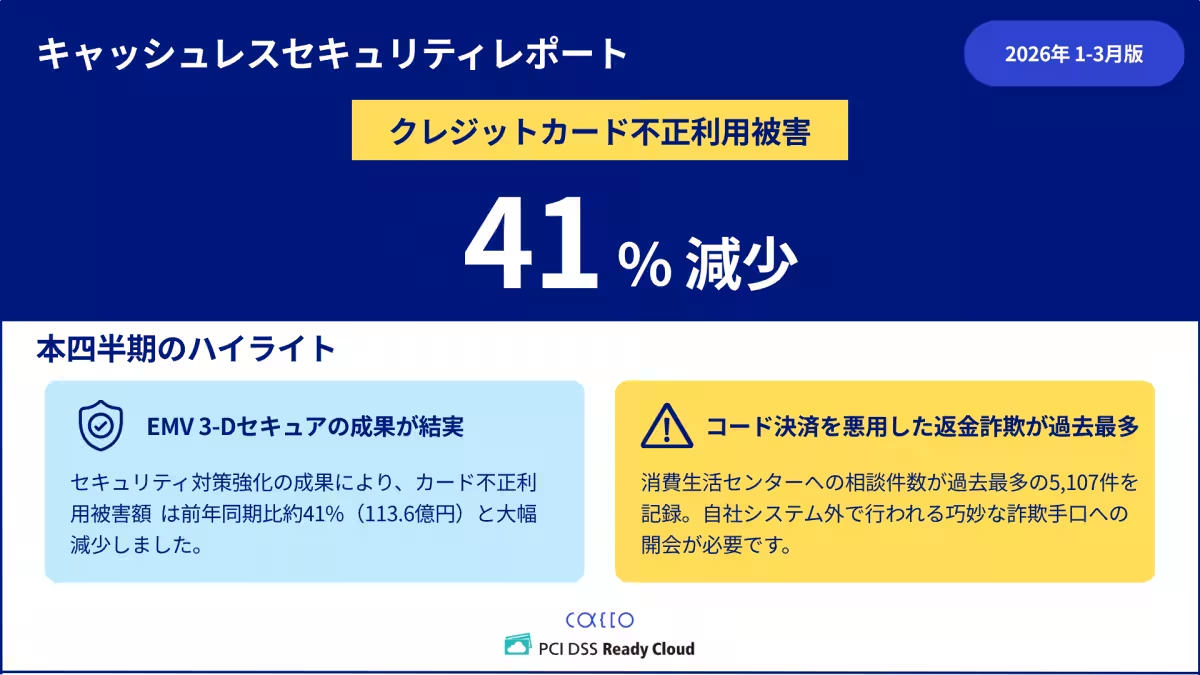
The report highlights a significant reduction in credit card fraud, with the total fraudulent amount falling to approximately 11.36 billion yen, a staggering decrease of about 41% compared to the same period last year. This positive trend is primarily attributed to the enforcement of EMV 3D Secure technology, which has proven effective in safeguarding online transactions. Additionally, the number of credit card leak incidents has drastically reduced to two, with a total of 3,463 cases reported. This dramatic drop demonstrates the industry's ongoing efforts to fortify cyber defenses.
Despite these encouraging statistics, the incidence rate has seen a slight uptick from 0.027% to 0.033%. This indicates that while progress has been made, the threat of fraud persists, necessitating continued vigilance from e-commerce operators.
Escalating Refund Scam Incidents
Another striking aspect of the report is the rise in refund scams exploiting code payment systems. The number of inquiries at consumer life centers hit a record high of 5,107, doubling the figures from 2023. Scammers impersonate customer service representatives from fake e-commerce platforms, claiming to initiate refunds due to product shortages. Using screen sharing technology, they manipulate victims into completing the transfer of funds to the perpetrators.
These scams, conducted outside the merchants’ systems, pose a unique challenge. Regardless of how robust a retailer's fraud prevention measures are, they remain vulnerable to these external threats. The fallout from such scams can lead to reputational damage as victims may mistakenly believe the legitimate platforms are involved in fraudulent activities, consequently tarnishing brand equity. Therefore, businesses must prioritize proactive measures to combat these growing scams.
The Role of Policy and Assessment Frameworks
Furthermore, the report discusses recent policy developments such as the Active Cyber Defense Law and a new security assessment framework aimed at bolstering supply chain security. These regulations emphasize the importance of robust cybersecurity practices among all stakeholders involved in e-commerce. As digital threats evolve, policymakers and industry leaders must unite to foster comprehensive strategies that protect consumers and businesses alike.
Recommendations for E-Commerce Stakeholders
The "Cashless Security Report" serves as a vital resource for various stakeholders seeking to understand the landscape of credit card fraud and the effectiveness of preventive measures. Cacco emphasizes the importance of continuous monitoring and fortification of security protocols, as complacency can significantly undermine past successes.
Retailers need to remain informed about emerging threats and adapt their fraud prevention strategies accordingly. Regular training sessions for customer service representatives on identifying and handling potential scams can empower them to protect consumers effectively.
Conclusion
Cacco and Link are committed to providing insights that will facilitate safer online transactions. With the increasing sophistication of fraudulent techniques, continuous education and improvements in security will be essential to safeguarding consumers and maintaining integrity in the e-commerce sector. As these organizations continue their mission, the collaboration that birthed the "Cashless Security Report" will play a crucial role in enhancing trust in digital transactions.
For detailed insights and further statistics, you can download the report here.
Topics Consumer Technology)
【About Using Articles】
You can freely use the title and article content by linking to the page where the article is posted.
※ Images cannot be used.
【About Links】
Links are free to use.