



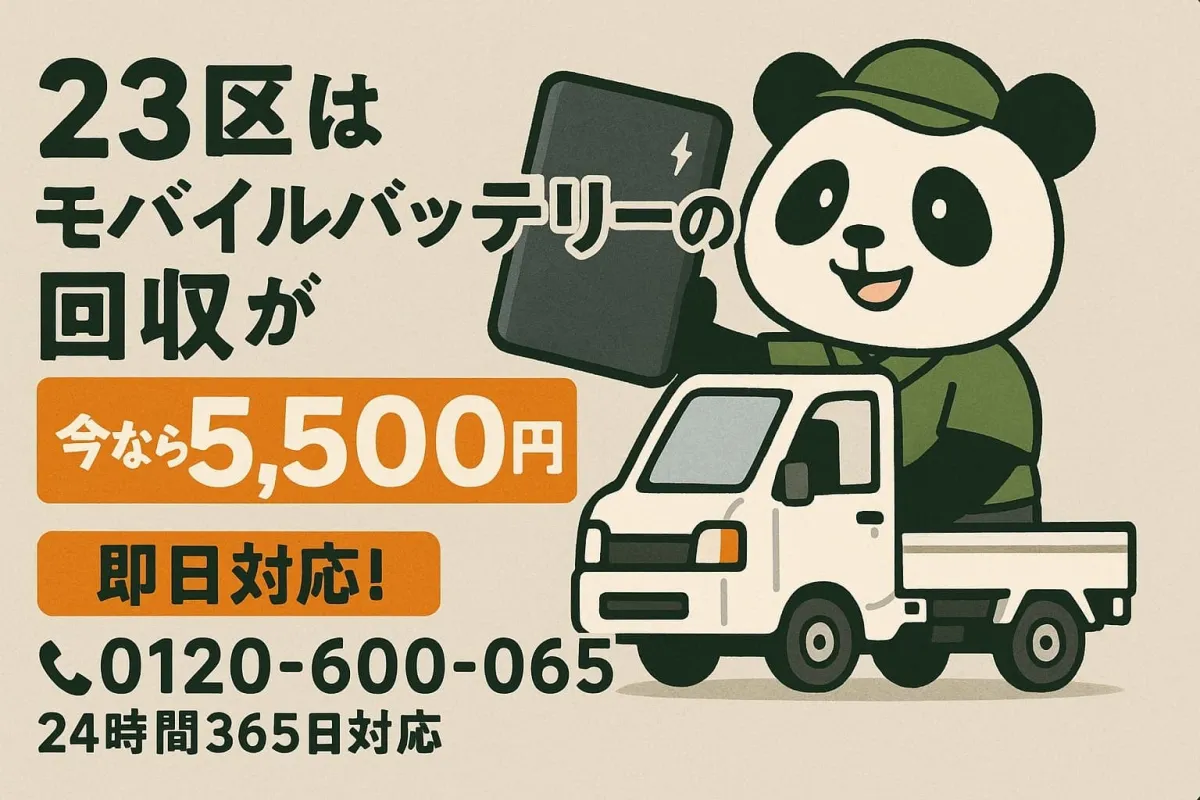
Safe Collection of Bulging Lithium-ion Batteries in Tokyo's 23 Wards
Safely Disposing of Bulging Lithium-ion Batteries in Tokyo's 23 Wards
With the onset of the rainy season in June, residents and businesses in Tokyo's 23 wards often find themselves looking to declutter. This heightened tidiness, however, has led to a noticeable increase in concerns regarding the disposal of lithium-ion batteries. As these batteries are commonly embedded in various electronic devices—such as mobile batteries, smartphones, laptop batteries, electric tool batteries, and e-bikes—the risk of improper storage and potential hazards looms larger.
Many households and businesses unknowingly harbor bulging or damaged batteries due to worries about safe disposal methods. Frequent sentiments echo: "I’m afraid to dispose of it because it’s swollen," "The local government won’t collect it," or "I don’t know where to take it." Such batteries often find themselves cluttering shared spaces in apartment buildings or storage rooms, increasing the need for efficient disposal solutions.
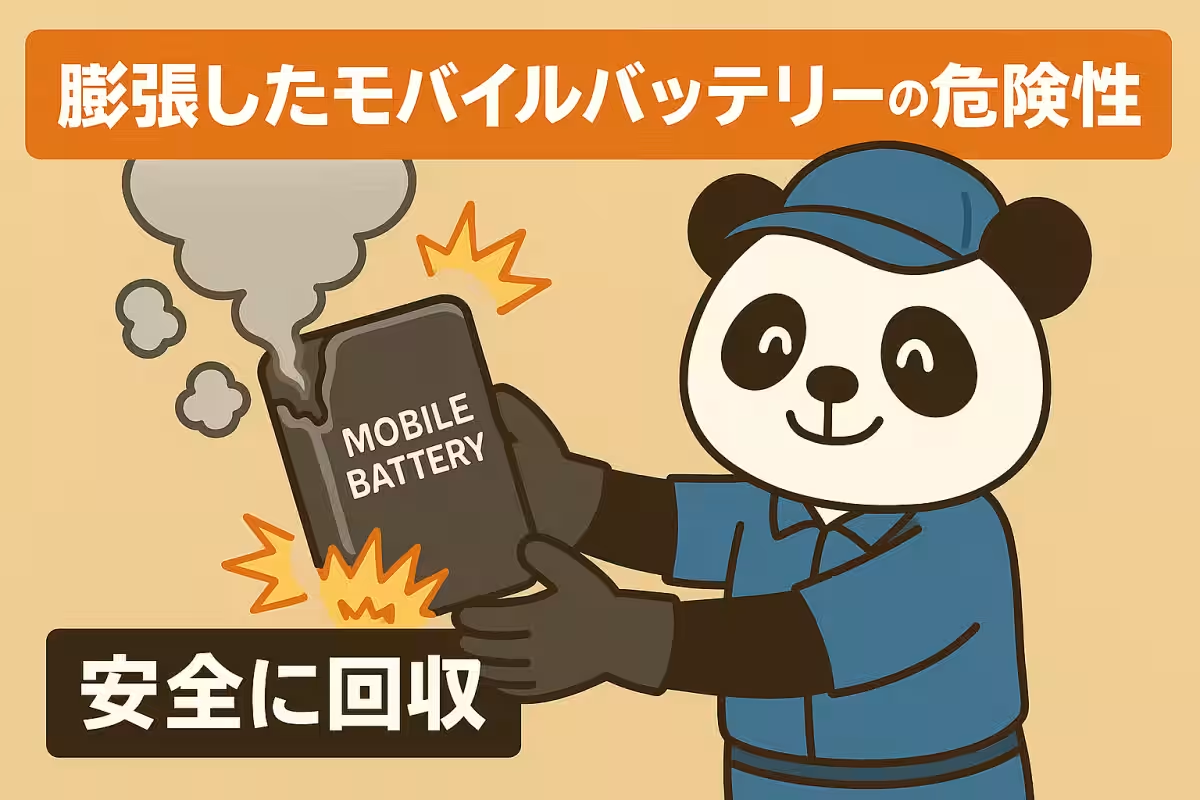
The challenge with lithium-ion batteries is that many local municipalities categorized them as hazardous material, complicating their disposal. Incidents of fires have been linked to improperly discarded batteries, driving the risk of accidents in residential communities or office buildings. Recognizing these dangers, Marutto Honpo (managed by SYSTR Corporation) has taken the initiative to provide safe collection services for these batteries across Tokyo’s 23 wards, especially hazardous bulging batteries, throughout the month of June.
The Need for Safe Battery Disposal
In recent years, the prevalence of lithium-ion batteries within household and office devices has surged dramatically in Tokyo. As more residents and businesses embrace technology, the quantity of batteries being stored continues to increase. Items with embedded lithium-ion batteries include:
- - Smartphones and tablets
- - Laptops and electronic tools
- - E-bikes and various mobility devices
- - Drones and hobby equipment
During June, several factors converge that often lead to the discovery of long-stored batteries, including:
- - Seasonal cleaning during the rainy period
- - Workplace inventory assessments
- - Rising temperatures and humidity increasing the risk of battery degradation
It is during this time when concerns escalate. Residents encounter swollen mobile batteries or electric tool batteries that have been left unattended for too long, leading to increased inquiries about safe disposal methods.
A Comprehensive Collection Campaign
Acknowledging the growing concerns, Marutto Honpo continues to offer its collection services in June for chemically hazardous bulging lithium-ion batteries with minimum fees starting at 5,500 yen (tax included) for first-time pickups. In addition to individuals, businesses can also benefit from the service, where both large and small battery quantities can be safely collected.
The process involves meticulous adherence to safety guidelines, including:
- - Fire management during handling
- - Insulation processes to prevent hazards
- - Compliance with local regulations for appropriate disposal
Special Offer: June Campaign Details
Duration: June 1 to June 30, 2026
Coverage Area: Entirety of Tokyo's 23 wards (includes same-day and evening collection options)
- First Battery: 5,500 yen (tax included)
- Subsequent Batteries: 2,750 yen each (e.g., 2 batteries total 8,250 yen)
- Drop-off Location at Akihabara: 3,300 yen for the first battery, 2,750 yen for each additional one.
Users can easily book through LINE or by phone, with provisions made even for batteries that are bulging or otherwise deformed. The rising humidity levels during June also call for proactive measures in the decluttering rush as temperatures rise, heightening the risk of battery degradation.
Risk Prevention and Community Safety
The rainy months heighten the risk of battery malfunctions as humidity can accelerate the internal breakdown of stored batteries leading to swelling, leaks, or combustion. Besides, apartments and commercial spaces with shared storage facilities are prime areas for the long-standing batteries that pose risks during drastic changes in the environment.
As part of its broader initiative, Marutto Honpo extends its approach to communities by targeting common pitfalls associated with battery handling and disposal. The service is especially valuable for:
- - Residents in apartment complexes where common areas may hold old batteries.
- - Companies switching offices or updating equipment.
- - Individuals who simply want to dispose of batteries safely without touching potentially hazardous materials.
In conclusion, June emerges as an ideal month for those in Tokyo's 23 wards to evaluate and act regarding the unsafe storage of lithium-ion batteries, aligning with schedules of cleaning and inventory checks while ensuring community safety through proper disposal practices.
How to Reach Out
For inquiries, phone: 0120-600-065 (24/7 support)
For more information: Marutto Honpo's Official Website
Stay ahead of potential hazards and ensure safe disposal of batteries this June—a decisive step towards a safer communal environment.
Topics Environment)
【About Using Articles】
You can freely use the title and article content by linking to the page where the article is posted.
※ Images cannot be used.
【About Links】
Links are free to use.