



Over 70% of Senior Dads Neglect Skin Issues: Family Recommendations Urged Before Father's Day
Acknowledging the Skin Issues of Senior Fathers: A Call to Action
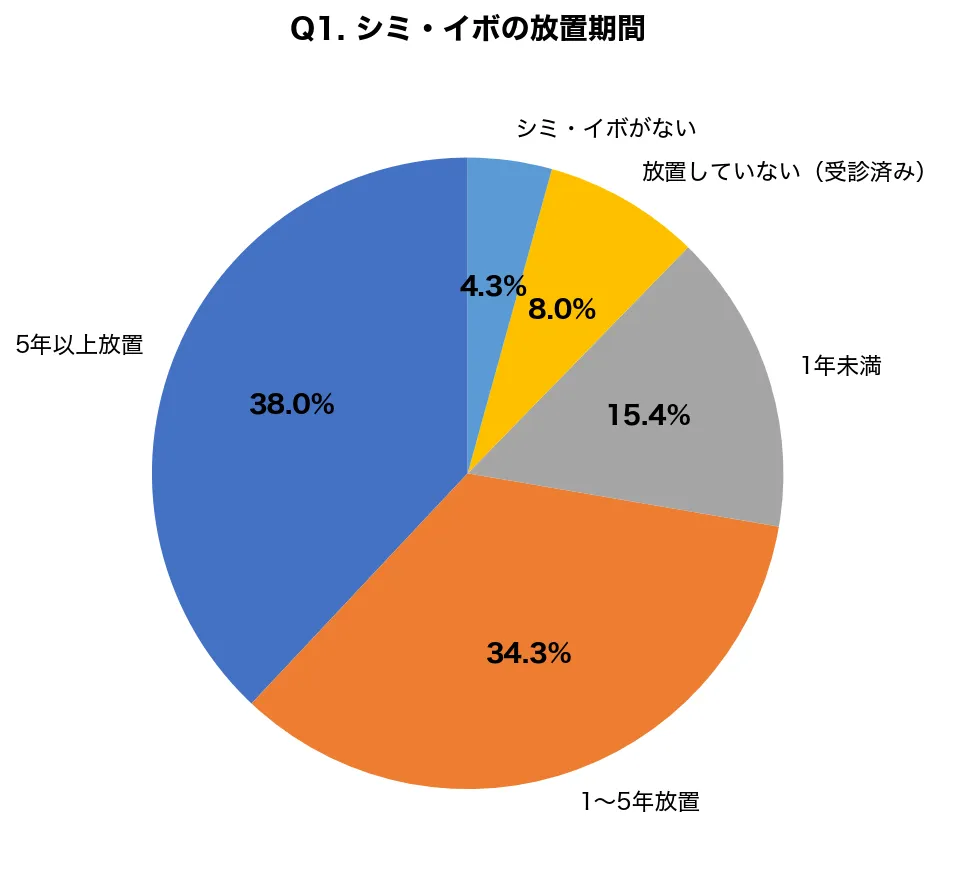
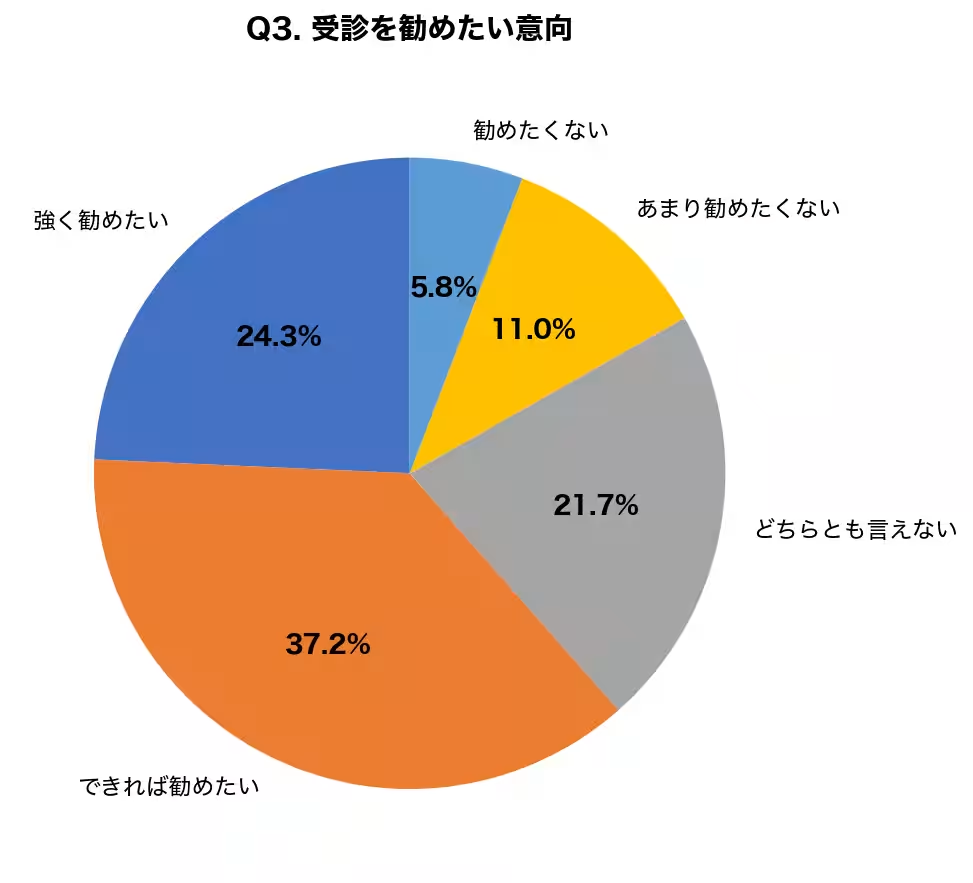
As Father's Day approaches, many families recognize a significant yet often overlooked issue concerning their senior fathers: skin problems that frequently go unaddressed. A recent survey conducted by the I.C. Clinic has shed light on the staggering fact that 72.3% of fathers aged 50 and above have left skin blemishes or growths untreated for over a year. Moreover, while 61.5% of family members wish to recommend dermatology consultations, only 23.7% have actually conveyed this advice.
The Reality of Skin Neglect
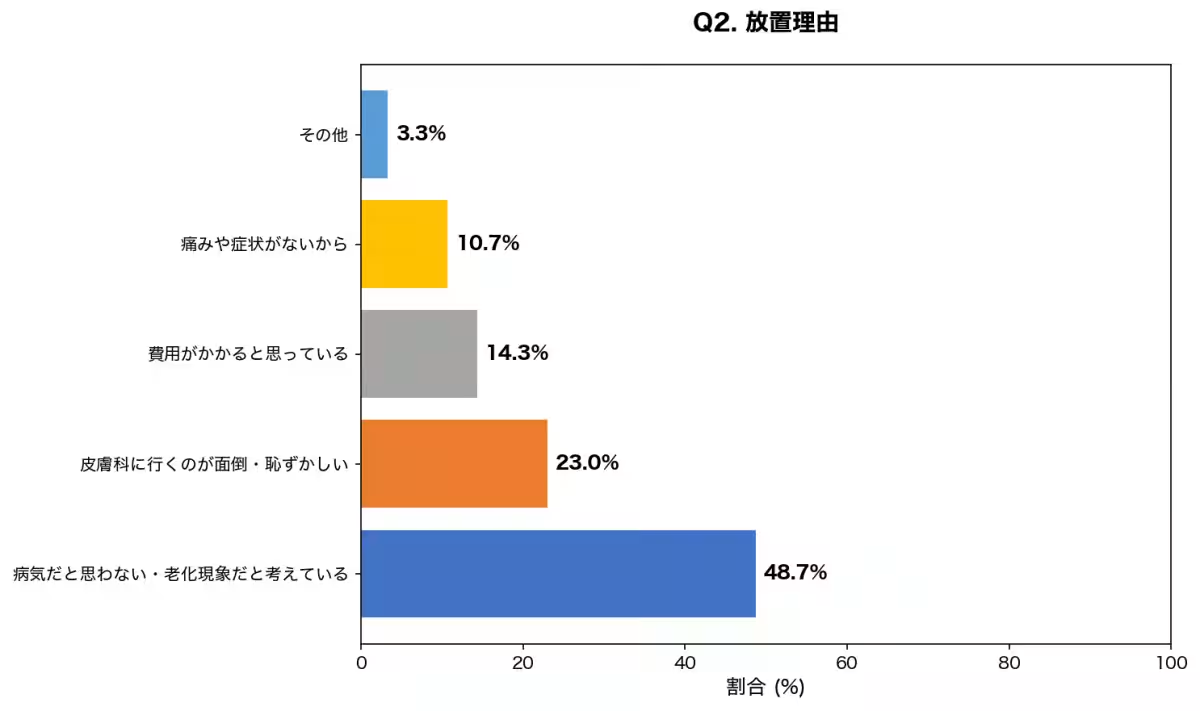
The findings indicate a concerning trend among senior men who are increasingly prone to developing skin conditions such as seborrheic keratosis, commonly referred to as benign tumors or aging spots. These growths, often brown or black in color and slightly raised, are generally harmless but can sometimes lead to serious health concerns if left unchecked. The survey shows that many dads do not perceive these skin changes as a health risk, with 48.7% stating they didn’t think it was a problem.
Understanding Seborrheic Keratosis
Seborrheic keratosis typically appears after middle age and is predominantly caused by aging and UV exposure. People often mistake them for skin cancer, but they are usually benign. However, differentiation can be challenging and warrants a professional evaluation, particularly through non-invasive methods like dermoscopy, which allows for a detailed examination of the skin without discomfort.
Families may hesitate to urge their fathers to seek help due to worries about sparking embarrassment or pride issues. Thus, the results also highlight an important insight: effective communication is vital. When suggesting a doctor's visit, framing it as part of a routine check-up or even as a thoughtful Father’s Day gift could ease the conversation. This approach not only promotes health but does so respectfully.
The Survey Breakdown
Key Findings:
- - Duration of Neglect: Over 70% of fathers have left skin anomalies untreated for at least a year, with nearly 38% reporting a delay of over five years. This alarming statistic illustrates how easily neglect can become a habit.
- - Awareness of Conditions: Only 18.3% of respondents were familiar with seborrheic keratosis, indicating a need for greater public education surrounding skin health.
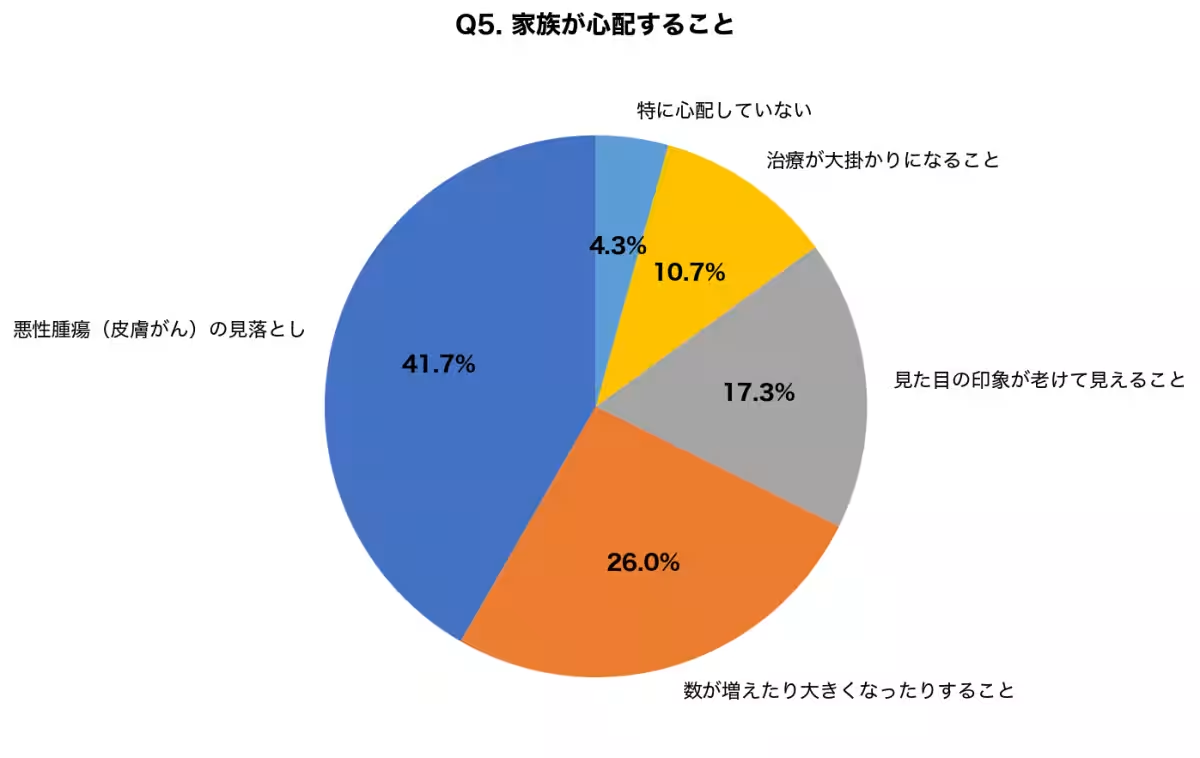
- - Family Concerns: Parents’ families expressed significant worry, with 41.7% concerned about the possibility of overlooking malignant tumors. This reflects a genuine concern for their loved ones’ well-being.
Effective Communication Strategies
When it comes to broaching the subject of dermatological health with fathers, certain methods prove to be more effective:
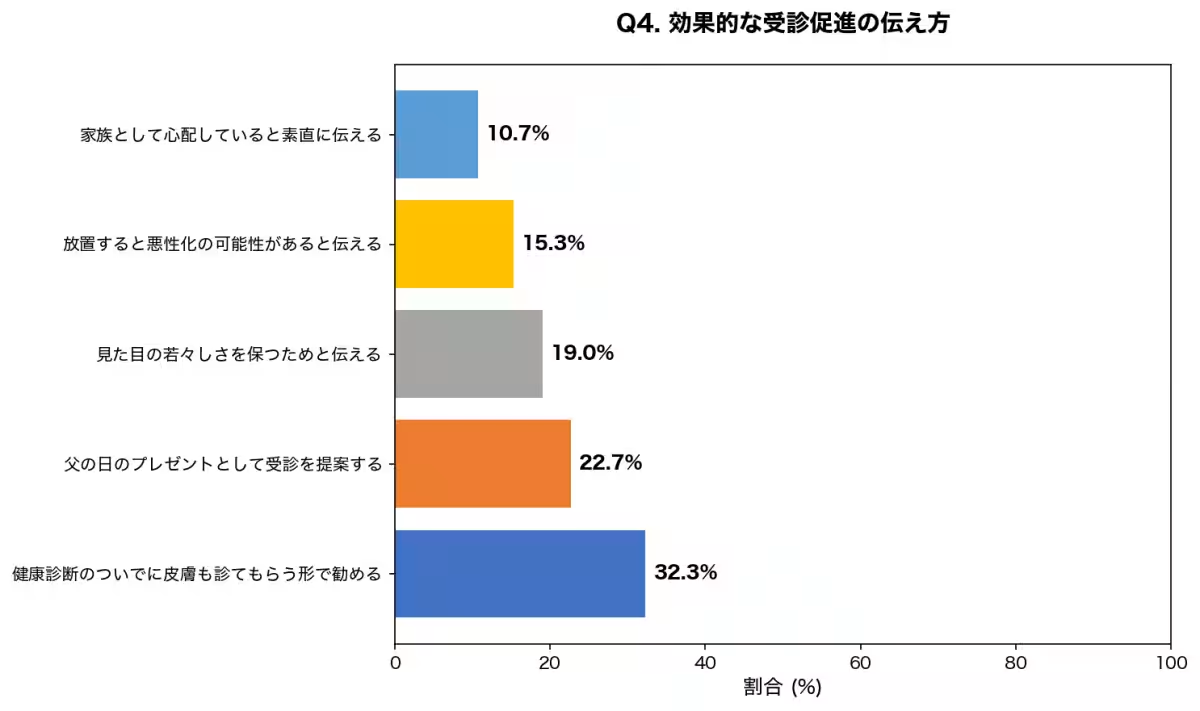
- - Incorporate Events: Tying the suggestion to upcoming events like health check-ups or Father’s Day can create a natural segue into the topic.
- - Emphasize Health Over Illness: Instead of alarming statements about potential skin cancers, approach the conversation from the perspective of a health boost and keeping appearances youthful.
- - Educate on Non-Invasive Procedures: Discuss how dermatologist visits are typically pain-free and often involve quick procedures with minimal recovery time, removing potential fears about discomfort.
The Path Forward
Through the lens of this survey, it is evident that the gap between wanting to recommend skin evaluations and actually doing so is significant. As families prioritize their fathers’ health this Father’s Day, it is critical to foster open conversations regarding skin care and the importance of early detection.
Conclusion
Dermatologists strongly advocate for regular skin checks, especially for those in their senior years. Implementing a comprehensive understanding of skin health alongside an empathetic approach can make a considerable difference in encouraging fathers to seek treatment. As more families become aware of these prevalent issues, it is hoped that more senior fathers can receive the care they need, promoting healthier and longer lives for everyone involved.
Doctor's Advice: From my experience in dermatology, I urge families not to overlook skin changes. Encouraging dads to get assessed can be a crucial step in ensuring their ongoing health. Detecting potential issues early is often key to effective treatment, and there’s no harm in being proactive. If you notice any sudden changes in size, color, or sensation of skin growths, please seek professional advice immediately.**
Topics Health)
【About Using Articles】
You can freely use the title and article content by linking to the page where the article is posted.
※ Images cannot be used.
【About Links】
Links are free to use.