



New Study Reveals The Impact of Generative AI on Consumer Behavior in Japan
Unraveling the Influence of Generative AI on Consumer Behavior in Japan
A comprehensive survey conducted by the Japan Direct Marketing Association has highlighted significant changes in consumer behaviors due to the growing use of generative AI technology. Targeting individuals aged 20 to 60 who have experience with generative AI, the research aims to understand how this emerging technology shapes their purchasing decisions.
Key Findings of the Survey
The study revealed four pivotal transformations in consumer behaviors:
1. Generative AI as an Alternative to Search Engines: Consumers are beginning to utilize generative AI technologies, replacing traditional search engines for information collection. This shift has led to a noticeable decline in the frequency of search engine usage and the time spent navigating various websites.
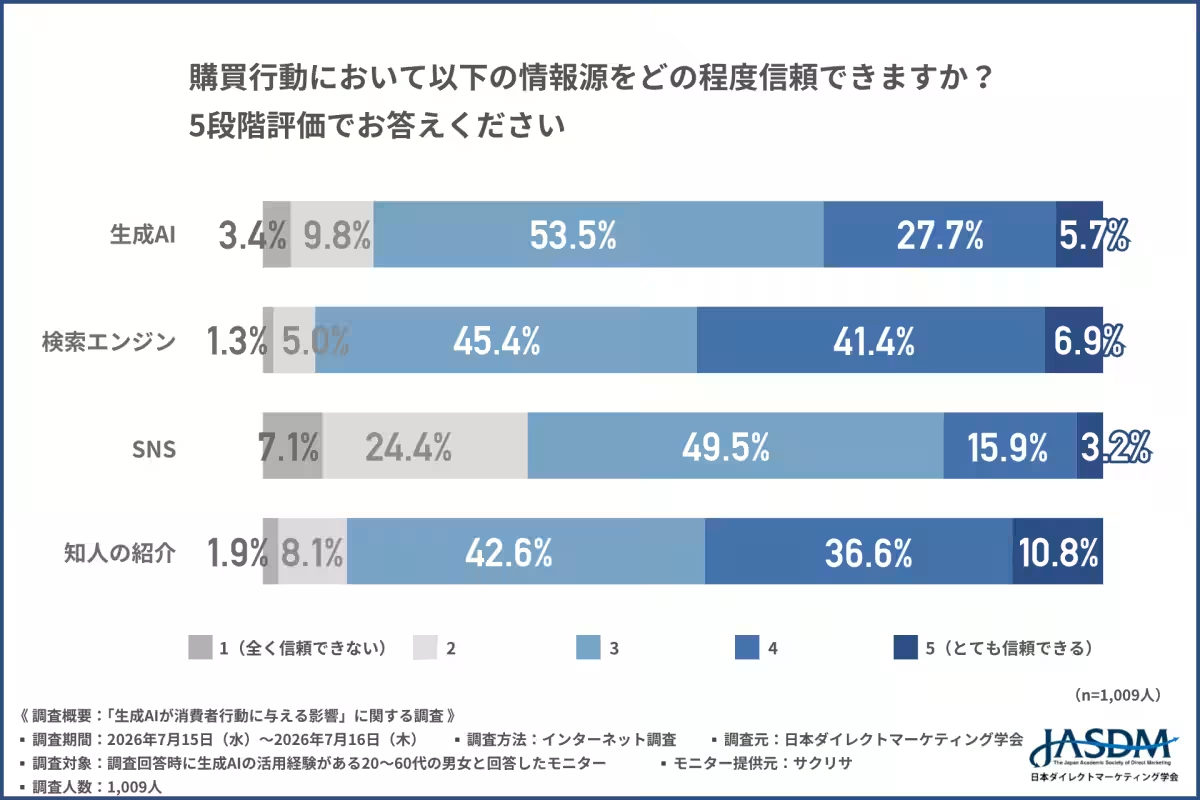
2. Increased Trust Compared to Social Media: Consumers express a higher level of trust in generative AI than social media platforms. As a new information source, generative AI is rapidly becoming integral to their decision-making processes for various products and services.
3. Efficient Comparisons and Decision-Making: Generative AI enhances efficiency in comparing options and organizing information, thereby reducing the time consumers spend in the decision-making stages before making a purchase.
4. New Touchpoints for Customer Interaction: Beyond mere product searches, generative AI is evolving into a platform for personalized recommendations, comparisons, and consultations that assist in purchasing decisions.
The findings clearly indicate a shift from a traditional search engine-centric approach to an evolving one that incorporates generative AI. This suggests that generative AI is more than a simple information collection tool—it is becoming a key player in supporting consumers through the entire process of evaluating and deciding on products and services.
Young Adults Lead the Charge in Using Generative AI for Purchases
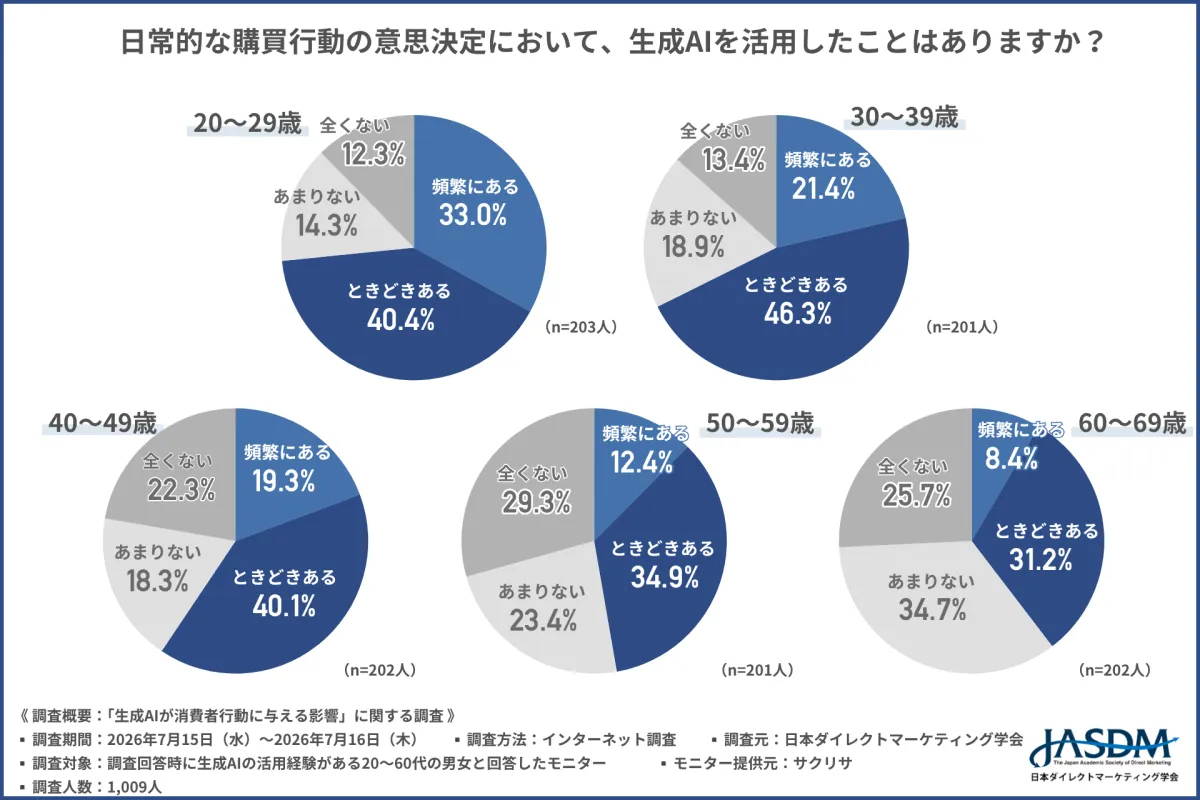
The survey also highlighted that approximately 70% of individuals in their twenties are utilizing generative AI regularly for their purchasing decisions. As age increases, the frequency of AI use diminishes, indicating generational differences in adapting to technology and information gathering methods.
Popular AI Tools among Consumers
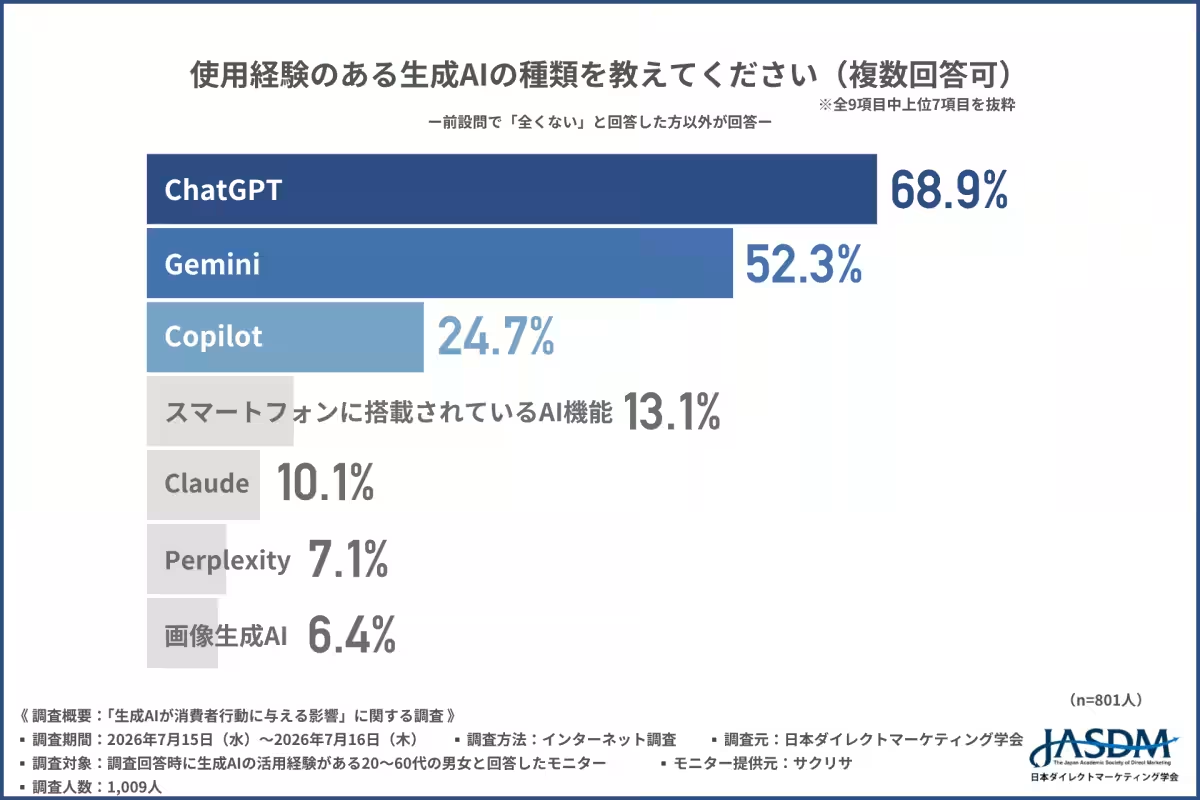
Among those familiar with different generative AI platforms, ChatGPT (OpenAI) emerged as the leading tool with a usage rate of 68.9%. It was closely followed by Gemini (Google) at 52.3% and Copilot (Microsoft) at 24.7%. It's noteworthy that while ChatGPT maintains a high acceptance rate across generations, the use of Gemini tends to increase with age.
Time Efficiency: The Main Benefit of Using Generative AI
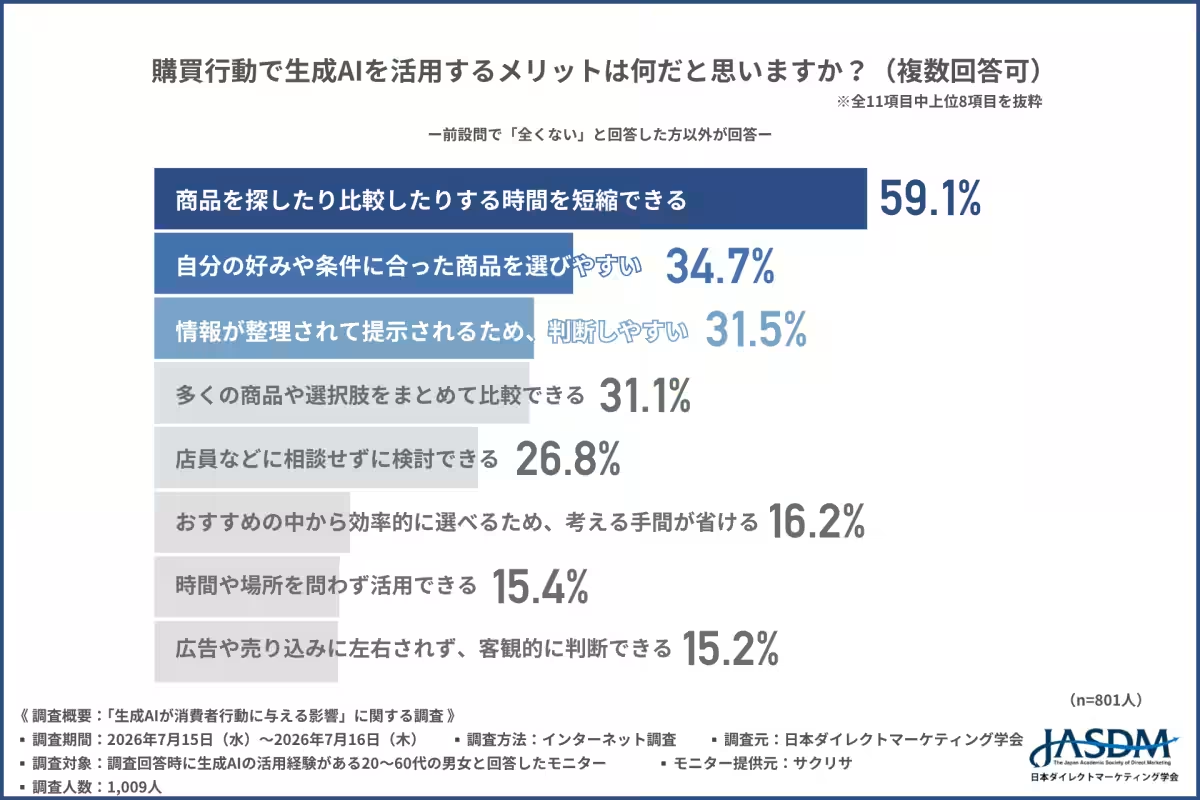
When asked about the advantages of using generative AI in purchasing behaviors, 59.1% of respondents mentioned the ability to shorten the time spent on product search and comparison as the primary benefit. Other benefits included easier selection aligned with personal tastes (34.7%) and organized information that aids judgment (31.5%). This implies that generative AI significantly streamlines the information-gathering process for consumers.
Practical Applications of Generative AI
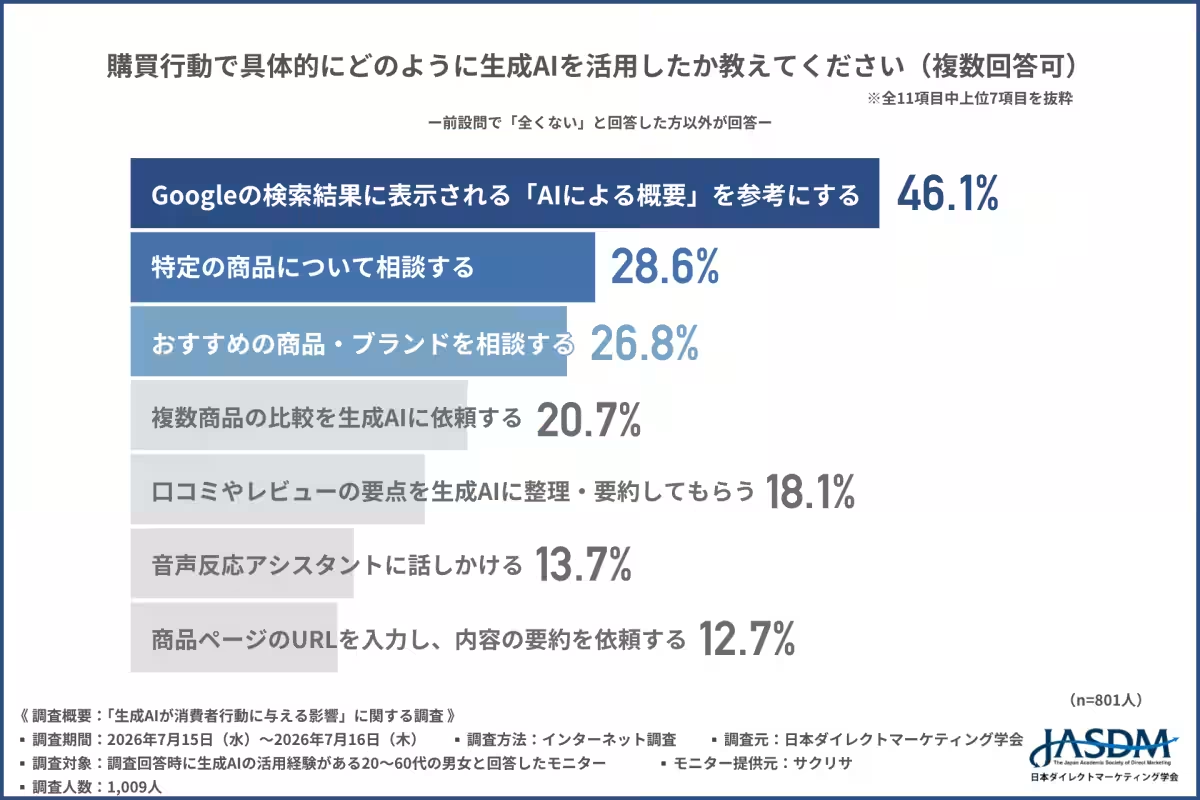
Over half of consumers reported utilizing AI-generated summaries found in Google’s search results as a primary method. They were also likely to consult AI about specific products and request recommendations on brands. Such statistics reflect the seamless integration of generative AI into existing search behaviors.
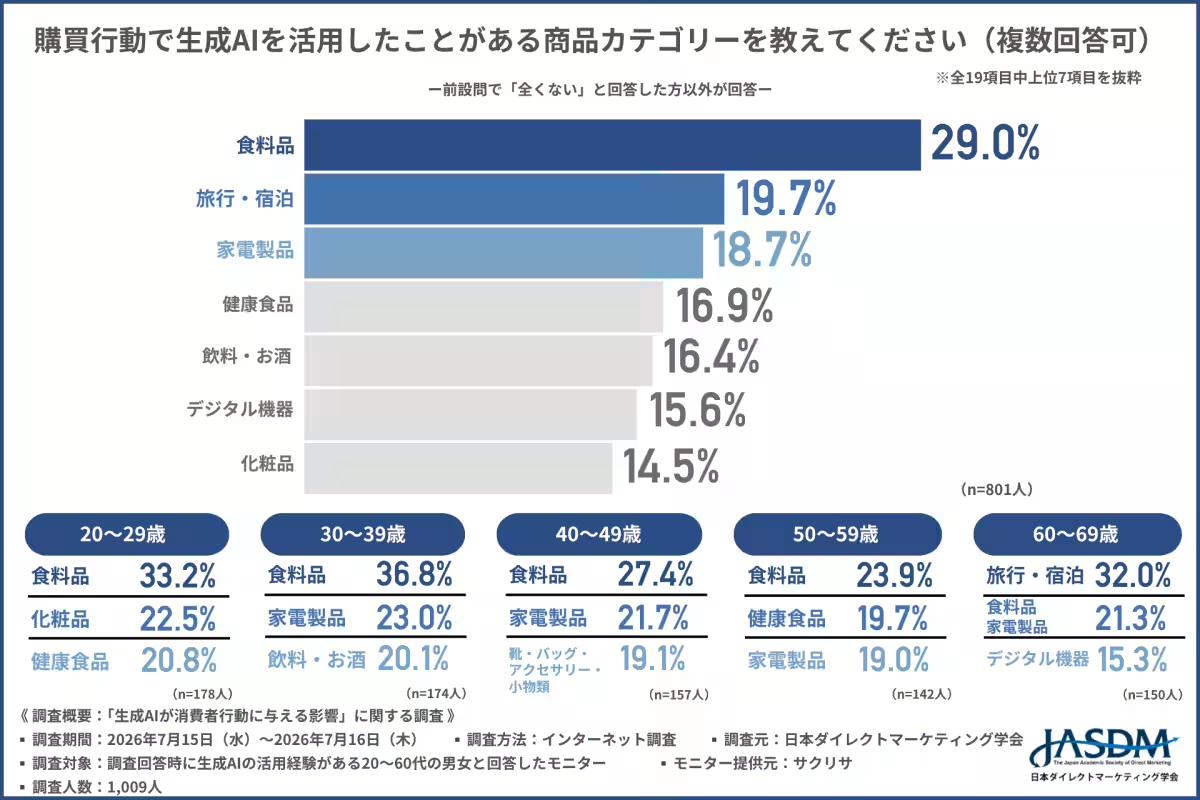
The category of purchases where generative AI is most utilized includes general groceries, travel, and home electronics, illustrating the broad applicability of AI tools across different consumer needs.
Reduction in Search Engine Usage
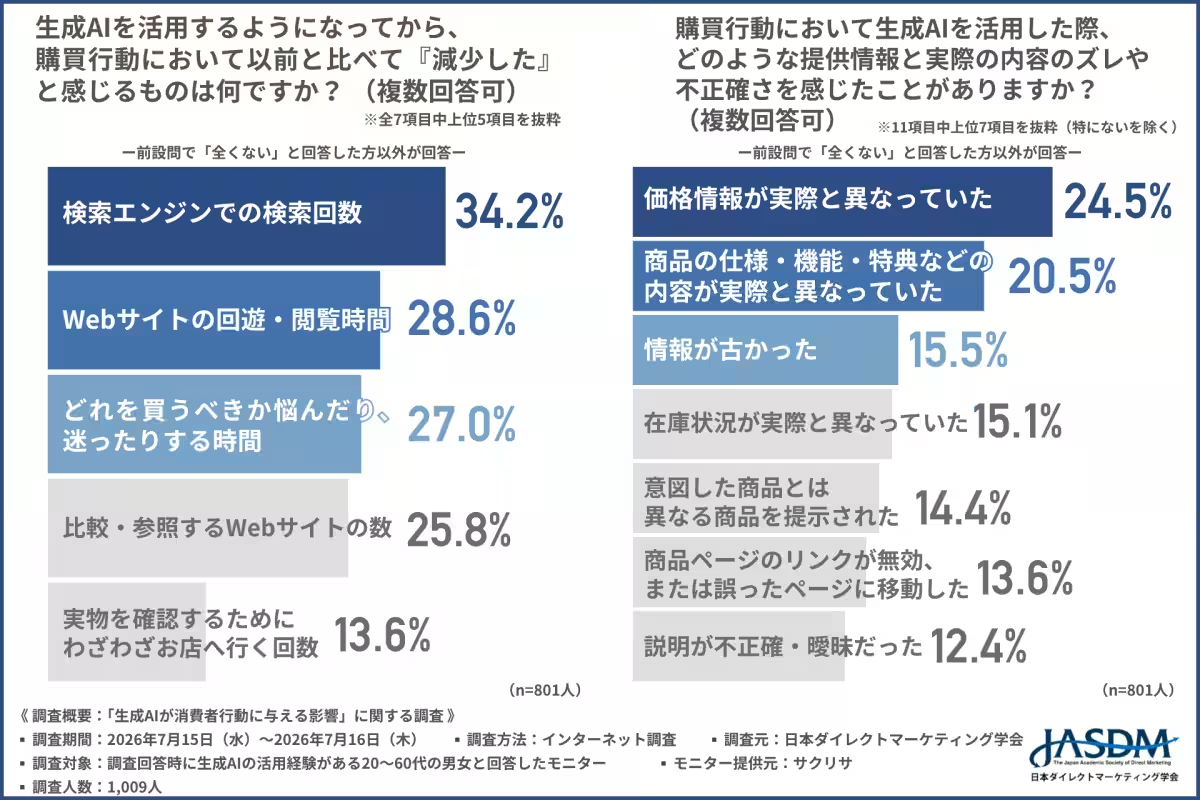
Interestingly, many consumers reported a reduced frequency of searches in traditional search engines (34.2%) and a decrease in time spent browsing websites (28.6%) due to the advent of generative AI. This suggests that AI is effectively minimizing the time and effort traditionally associated with information gathering.
Trust in Generative AI vs. Other Information Sources
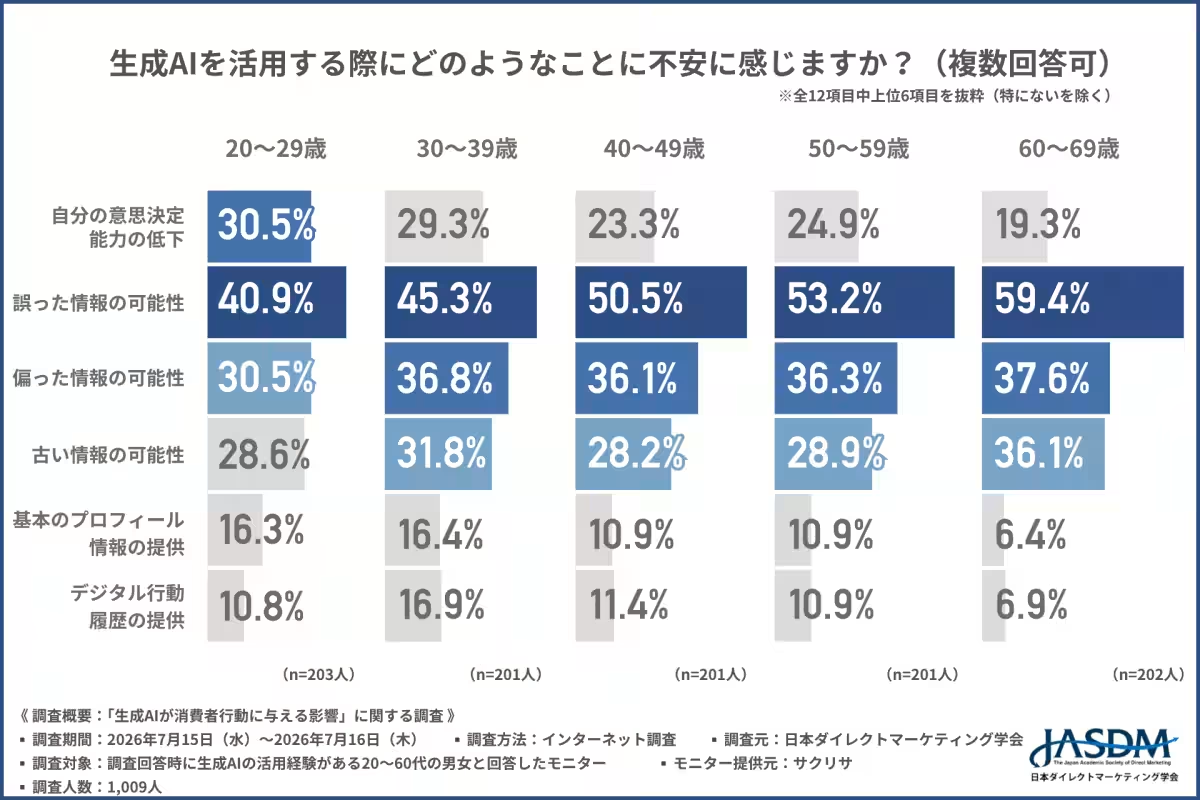
While generative AI has outperformed social media regarding consumer trust, it still lags behind search engines and personal referrals. 33.4% of respondents rated generative AI as reliable, significantly more than the trust expressed in social media platforms (19.1%). However, there remains a level of skepticism regarding the accuracy of information provided by generative AI, particularly concerning essential product details.
Future Expectations for Generative AI
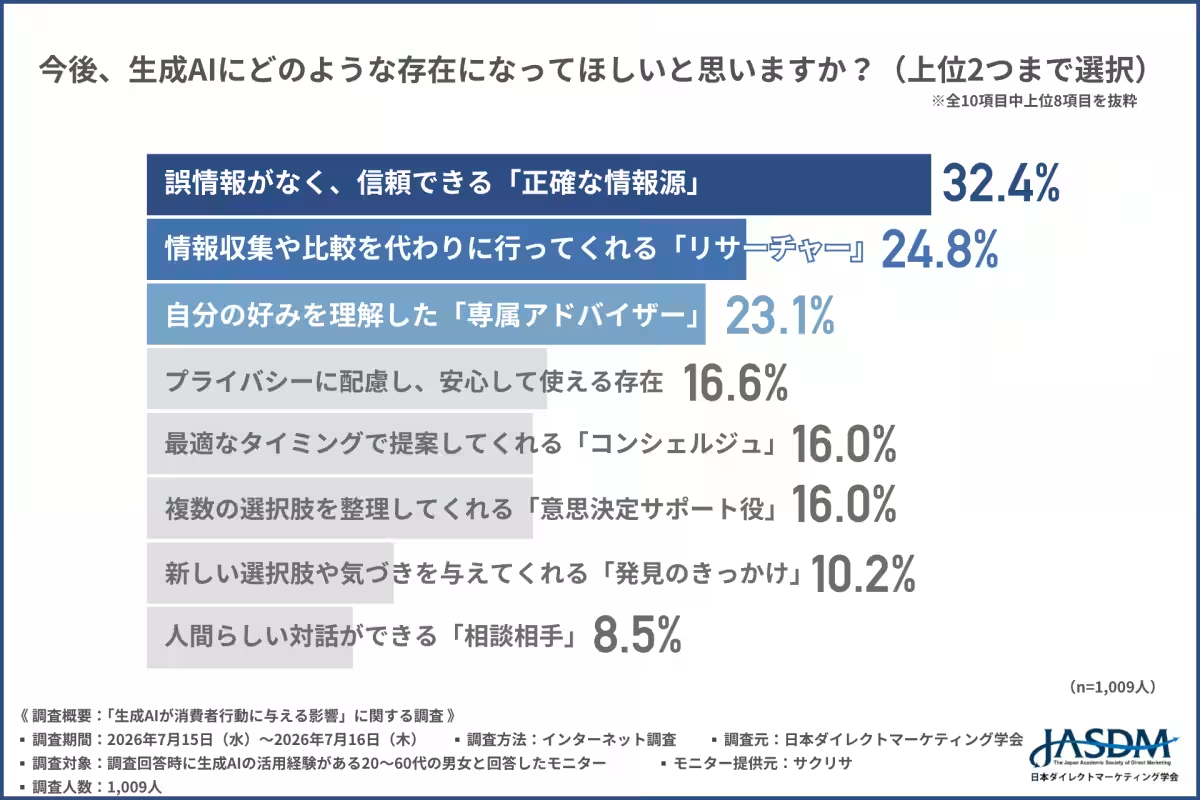
Looking forward, consumers hope generative AI evolves into a more reliable source of accurate information without misinformation. They expressed a desire for generative AI to serve roles beyond mere data provision, transitioning into


Topics Consumer Products & Retail)
【About Using Articles】
You can freely use the title and article content by linking to the page where the article is posted.
※ Images cannot be used.
【About Links】
Links are free to use.