



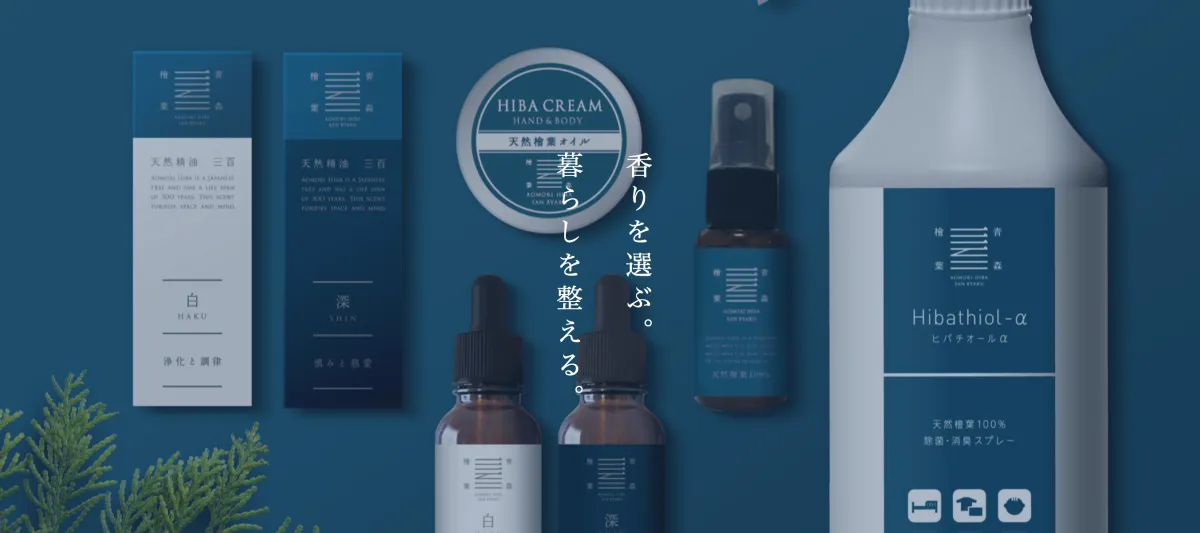
New Collaboration Accelerates Aomori Hiba's Circular Economy Initiative
A New Chapter for Aomori Hiba Inc.
Aomori Hiba Inc., headquartered in Tokyo and led by CEO Ryoto Usui, has announced a significant financial collaboration with KKT LLC, headed by President Tamaki Kanemori. This partnership involves a Series A fundraising round amounting to 600 million yen, aimed at further accelerating the company's innovative business model centered on Aomori Hiba, a unique Japanese resource.
The collaboration not only involves capital investment but also the strategic appointment of Tamaki Kanemori to the board of directors at Aomori Hiba Inc. This marks a significant step toward achieving the company’s vision of creating a sustainable cycle between forest resources and the economy. Aomori Hiba aims to revive underutilized regional resources such as wood scraps, sawdust, and bark, recognizing their potential for new value. This initiative translates into products that promote wellness, sensory experiences, and regional revitalization.
Responding to Modern Challenges
Today, society faces multiple challenges, including climate change, shrinking local economies, and untapped forest resources, which have caused a disconnect between urban and rural areas. In the midst of these challenges, consumer values are shifting from mass consumption to a focus on authenticity, sustainability, and wellness experiences that harmonize with nature. Aomori Hiba is poised to respond to these evolving needs through a range of initiatives that include the development and sale of lifestyle products, aromatic wellness items, and circular economy products leveraging local resources.
The recent investment will be vital for Aomori Hiba as it transitions its business model to the next growth phase. This includes enhancing product development, expanding sales channels, and investing in community revitalization projects in Aomori and beyond.
Funding Utilization Strategies
The funds raised from this partnership will strategically support several key areas:
1. Enhanced Product Development: Aomori Hiba will bolster its product line, creating items such as sprays, shampoos, bathing products, and deodorizing solutions.
2. Expanded Sales Channels: The company plans to diversify its distribution channels to include e-commerce, hotels, department stores, and regional tourism facilities.
3. Investment in Community Revitalization: There will be a concerted effort to promote local tourism, create experiential offerings, and stimulate community involvement in areas like Owani Town in Aomori Prefecture.
4. Building a Circular Supply Chain: Aomori Hiba aims to make efficient use of its resources by ensuring that the wood scraps, sawdust, and bark contribute to a continually cycling economy.
5. Strengthening Organizational Structure: The organization will enhance its capabilities across product development, community revitalization, and new business ventures.
A Vision Beyond Products
Aomori Hiba aspires to be more than just a company selling Hiba products. The goal is to orchestrate a flow of economy that respects the intrinsic value of forests and the community they sustain. As Usui puts it, "I achieve balance, so does the forest." This vision encapsulates Aomori Hiba's commitment to reconnecting local resources, nature, culture, and everyday experiences.
Executive Insights
Ryoto Usui, the CEO, stated how the collaboration with KKT LLC aligns perfectly with the company’s mission. He expresses enthusiasm about accelerating product development, community initiatives, and operations that are circular in nature. Usui recognizes the growing demand for meaning, authenticity, and sustainability in consumer values and aims to elevate the relationship between forests, people, and local economies.
KKT's President, Tamaki Kanemori, complements this vision, emphasizing Aomori Hiba's dedication to exploring not just product development but also the circular economy and local revitalization. He believes in the potential of Aomori Hiba to establish a sustainable model for utilizing local resources for future generations.
Aomori Hiba Inc. is not just about promoting products made from a unique regional resource; it’s a transformative approach to sustainability and community engagement.
Topics Consumer Products & Retail)
【About Using Articles】
You can freely use the title and article content by linking to the page where the article is posted.
※ Images cannot be used.
【About Links】
Links are free to use.