



New Regulations Requiring Solar Panel Installation Guidelines for Roofs Begin in 2026
New Regulations on Solar Panel Installations Set for 2026
As part of Japan's ongoing efforts to promote renewable energy, a new law will mandate specific companies to establish targets for the installation of solar panels on their roofs starting in 2026. This regulation aims to enhance the adoption of solar energy amongst sizable manufacturing entities that already own their facilities.
A recent survey conducted by International Kōgyō Corporation, which specializes in economic impact assessments for solar energy and battery systems, gathered responses from 314 professionals involved in decision-making for equipment investment and decarbonization strategies within companies with over 500 employees. This article outlines the key findings from the survey that highlight both awareness and concern regarding the upcoming rules.
Awareness and Understanding of the New Regulation
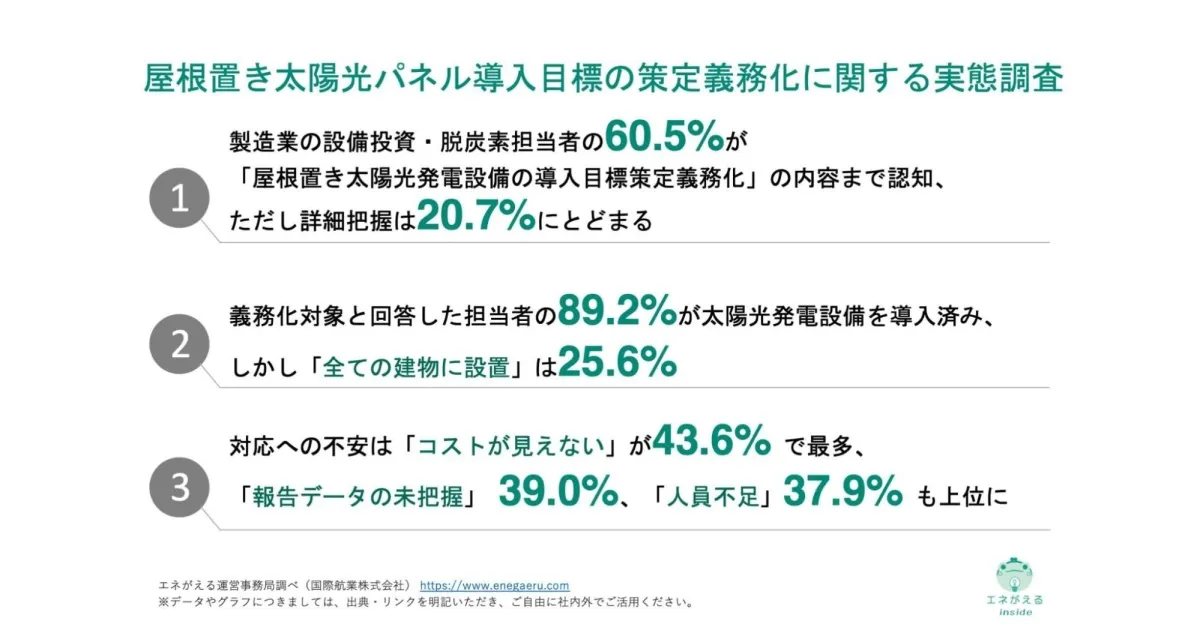
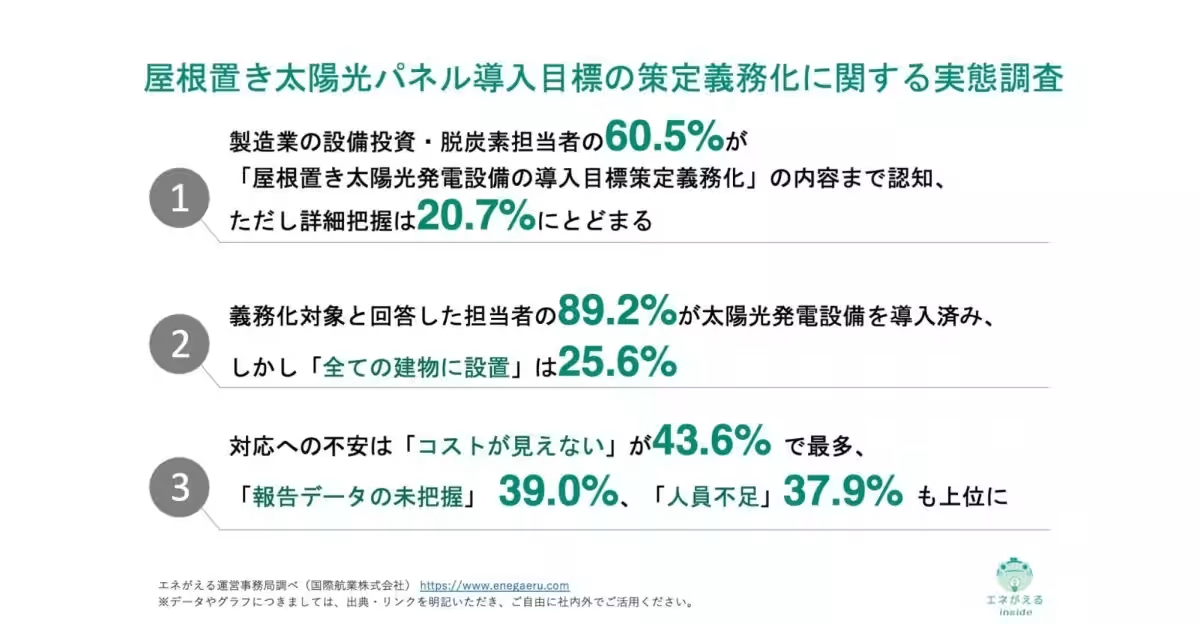
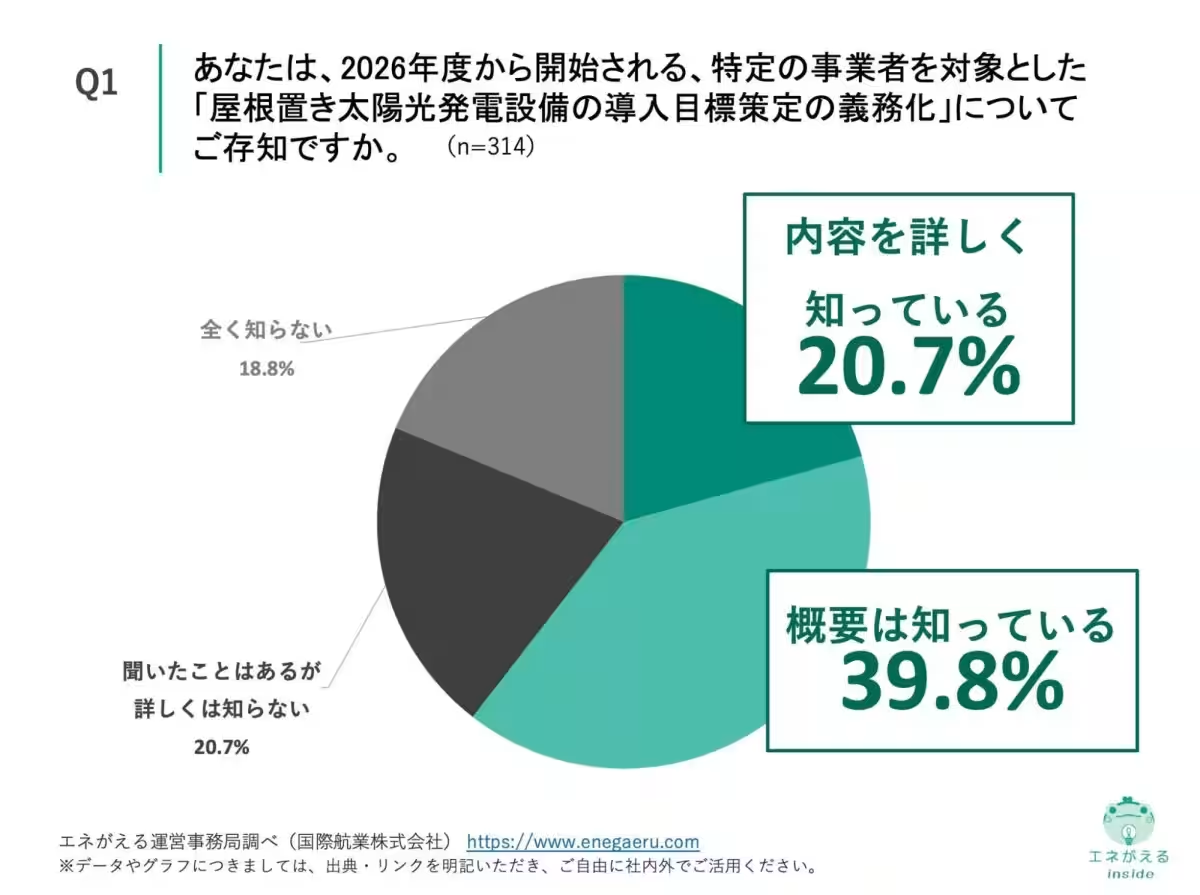
According to the survey, 60.5% of respondents were aware of the newly mandated requirement to formulate solar panel installation targets. However, only 20.7% had a comprehensive understanding of the specifics. This indicates a significant gap in detailed knowledge regarding the implications of the regulation.
The survey posed the question: “Are you aware of the mandatory target setting for solar panel installations starting in 2026 for specified enterprises?” The results were as follows:
- - Fully aware: 20.7%
- - Aware of the overview: 39.8%
- - Have heard but don't know details: 20.7%
- - Not aware at all: 18.8%
Who is Affected?
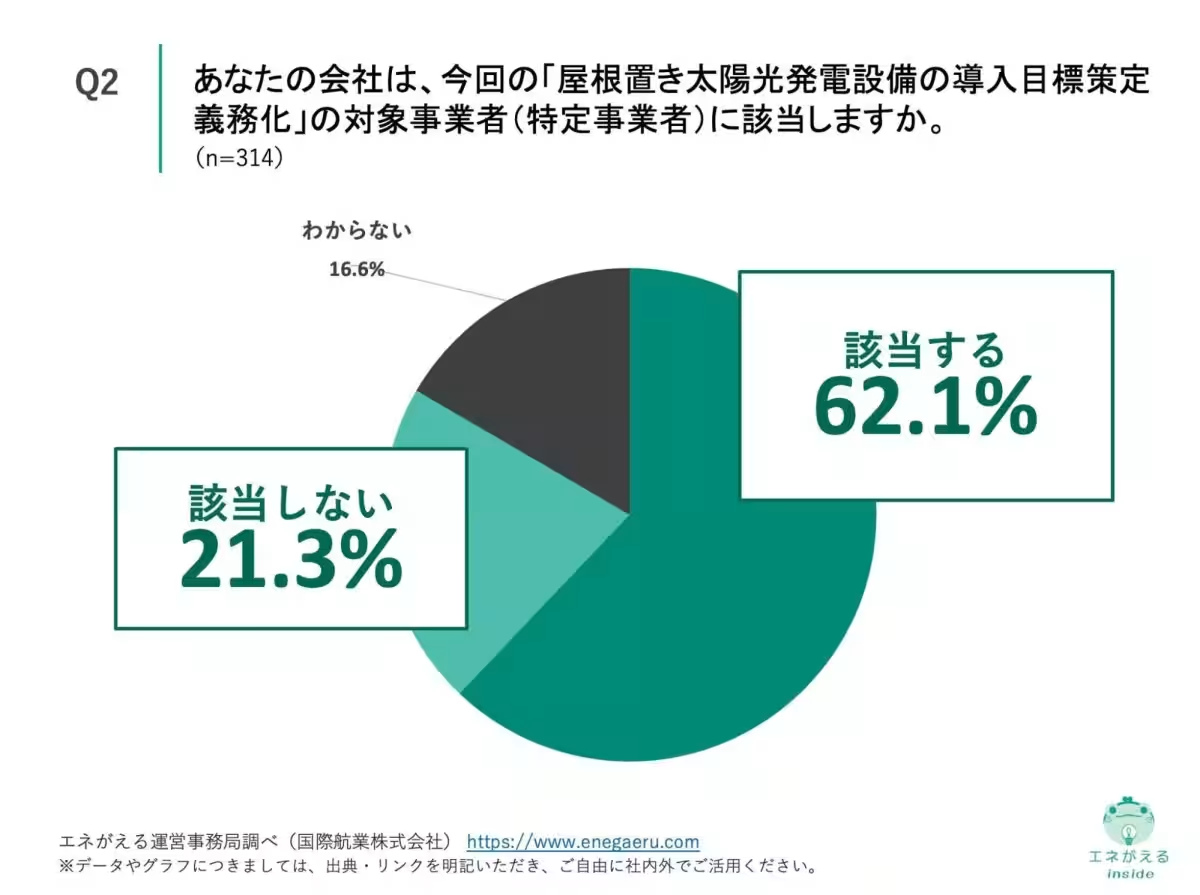
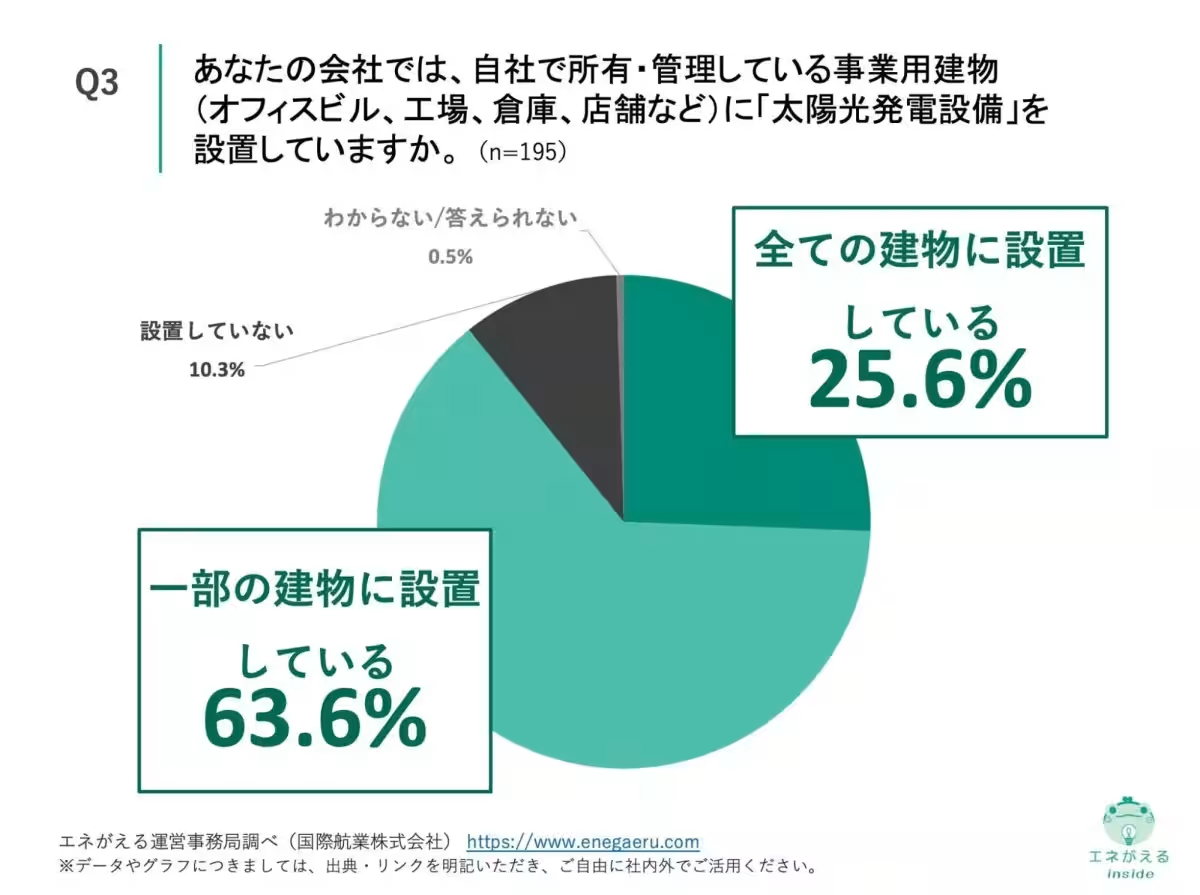
When inquiring whether their companies fall under the regulations, 62.1% responded affirmatively. Of those who confirmed their status as within the scope of the mandate, an impressive 89.2% indicated that they have already installed solar panel systems. Yet, when asked if all company buildings were equipped with solar energy solutions, only 25.6% said yes. This suggests that while many companies have taken initial steps, comprehensive implementation remains incomplete.
Major Concerns Regarding Compliance
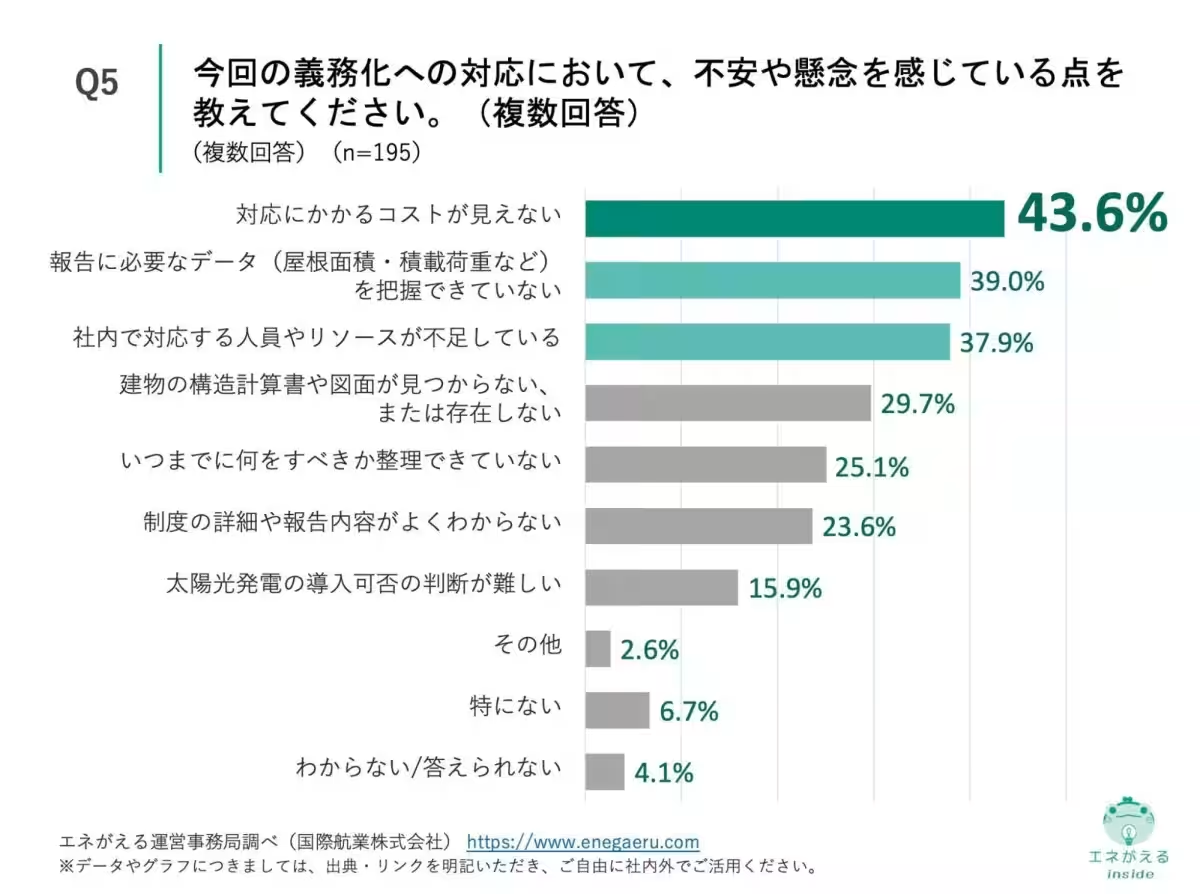
Among the respondents, the primary concern regarding the upcoming regulation was the unclear costs associated with compliance, with a notable 43.6% expressing this worry. Other significant concerns included:
- - Lack of necessary data for reporting (39.0%)
- - Insufficient internal resources or personnel (37.9%)
- - Difficulty in tracking building specifications, such as load capacity and roof area
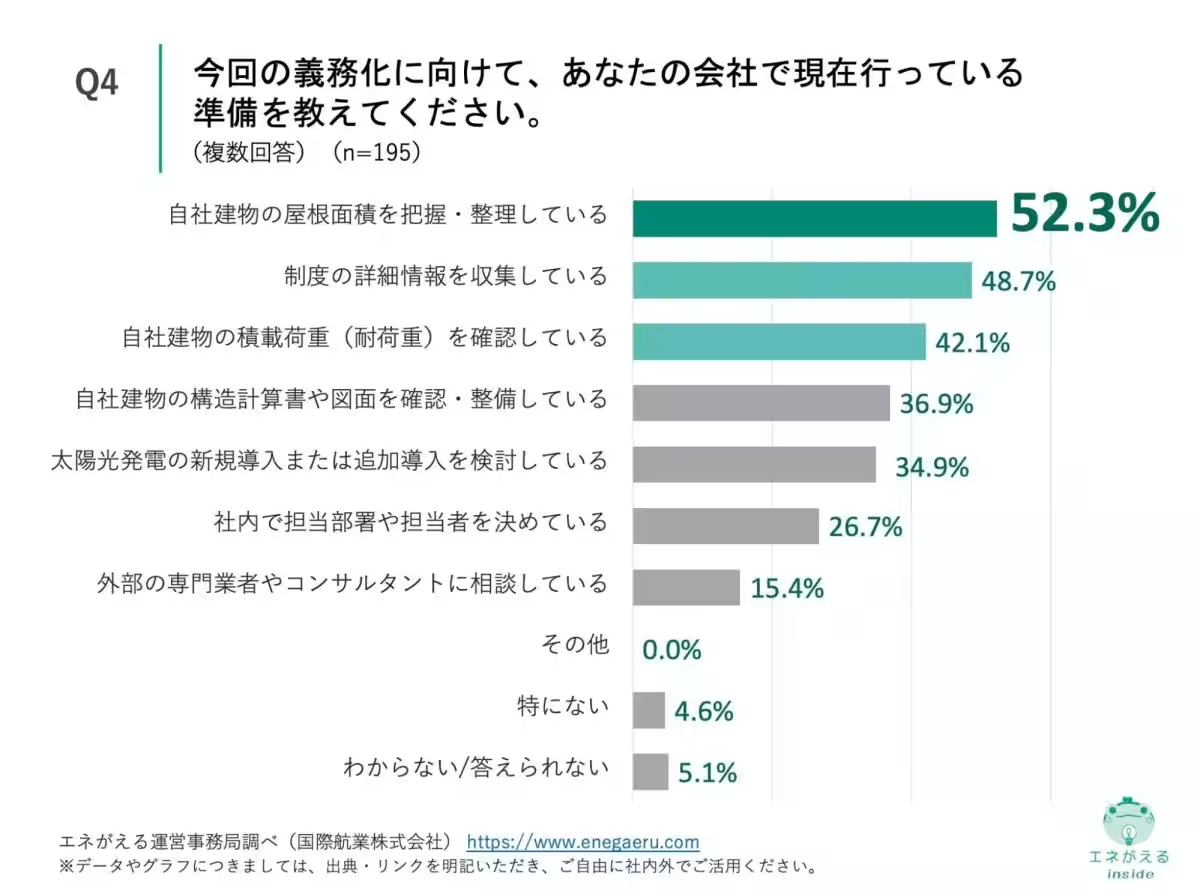
In preparation for compliance, 52.3% of the respondents indicated that their companies are currently assessing and organizing their roof space data, while 48.7% are gathering detailed information about the new requirements.
Perspectives on the New Law
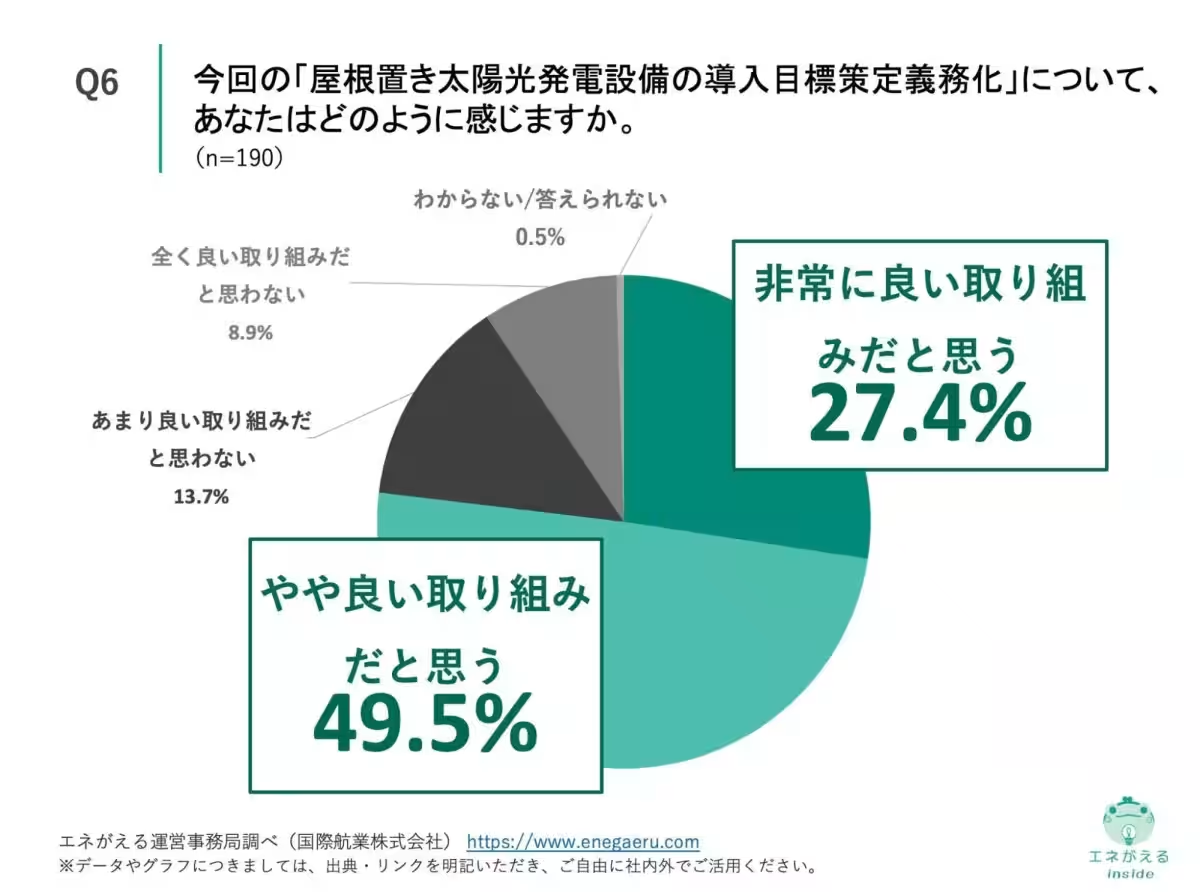
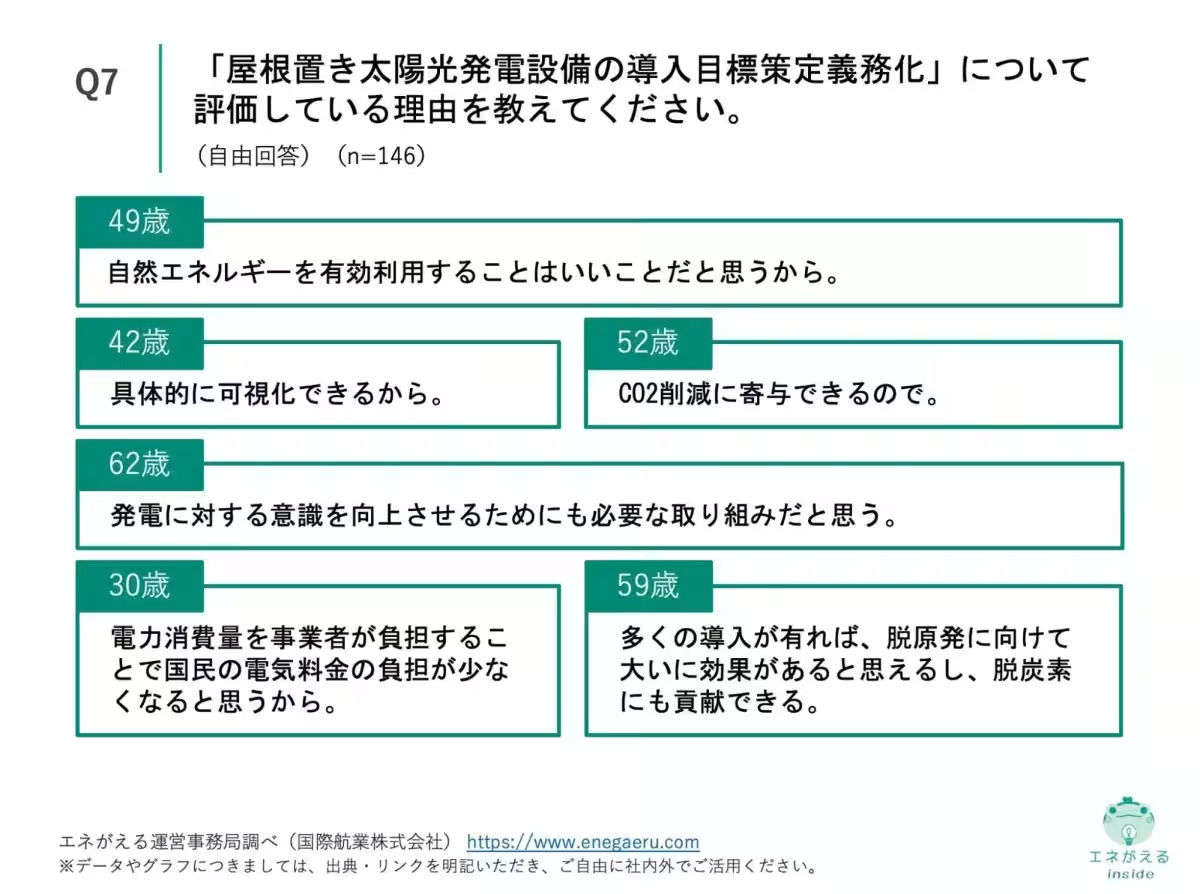
Despite the apprehensions surrounding implementation, the overall sentiment towards the solar panel installation guideline was largely positive. A remarkable 76.9% of those who recognized the guidelines viewed it as a valuable initiative. A survey sub-question revealed that reasons for this approval often center around the effective use of renewable energy and the tangible, visual aspects of such integration into corporate practices.
Evaluation of Risks and Challenges
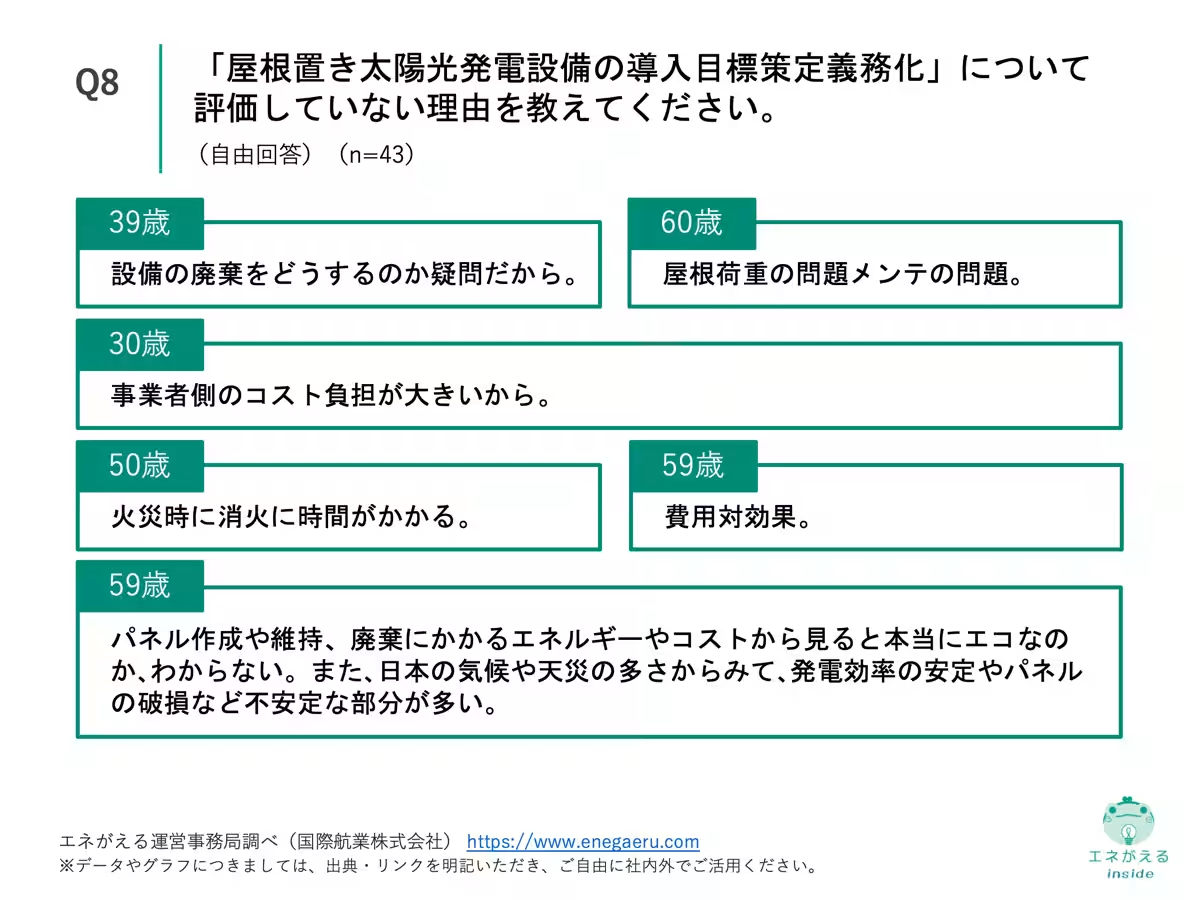
While the intent behind the new regulation is appreciated, several professionals articulated their hesitations. Concerns over the disposal of old equipment, potential structural burdens from added installations, and overall maintenance issues were some reasons cited for opposition.
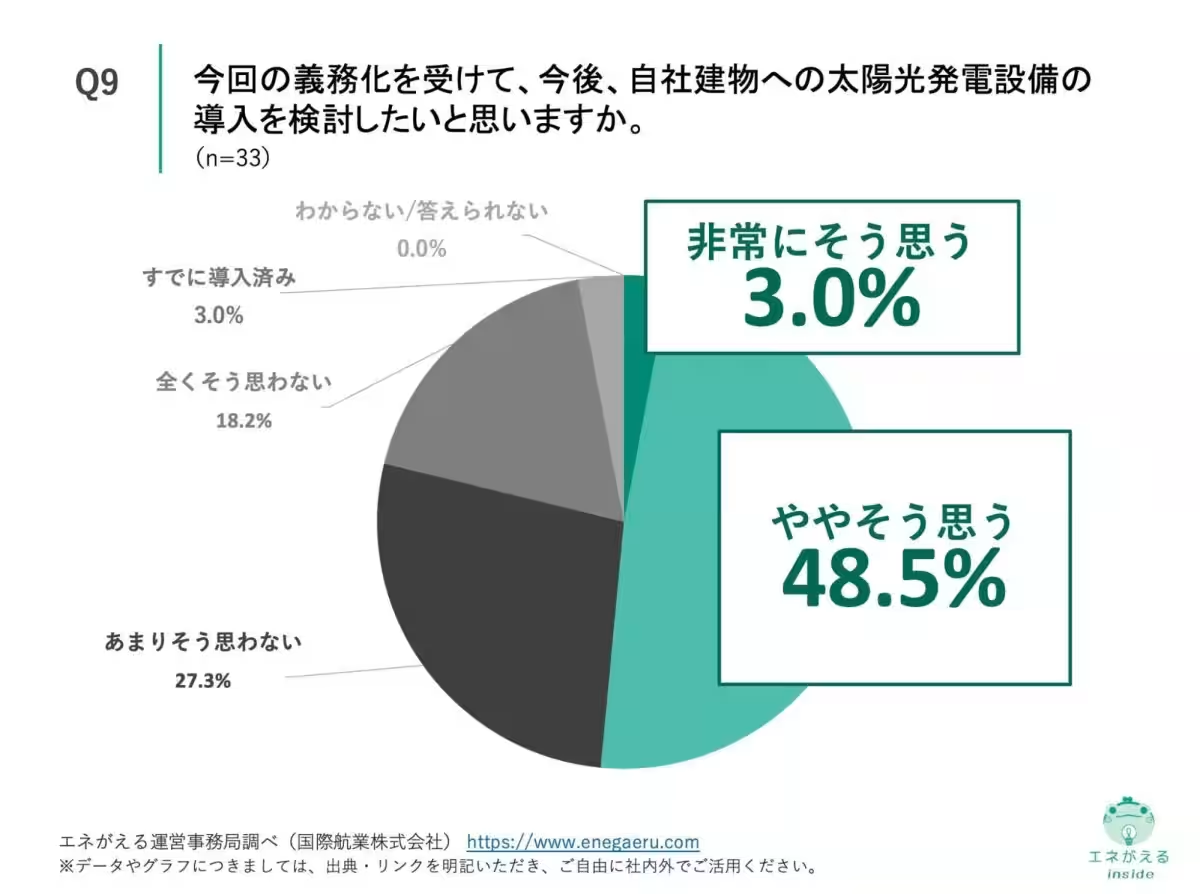
Moreover, among those who acknowledge the regulations but do not qualify under the requirements, 51.5% expressed intentions to consider the installation of solar panels in the future. This reflects a growing awareness and a potential shift towards sustainability in the corporate sector even outside the mandatory scope.
Conclusion
Through the analysis of this study, it is clear that while awareness of the 2026 solar panel installation guideline is prevalent, actual preparation levels vary significantly among firms. There is a common sentiment of motivation towards embracing decarbonization strategies; however, challenges centered on costs, resource allocation, and data management need addressing to facilitate successful implementation. This regulation presents an opportunity for Japan's manufacturing sector to lead in renewable energy adoption, provided that the concerns expressed are adequately managed.
Topics Energy)
【About Using Articles】
You can freely use the title and article content by linking to the page where the article is posted.
※ Images cannot be used.
【About Links】
Links are free to use.