



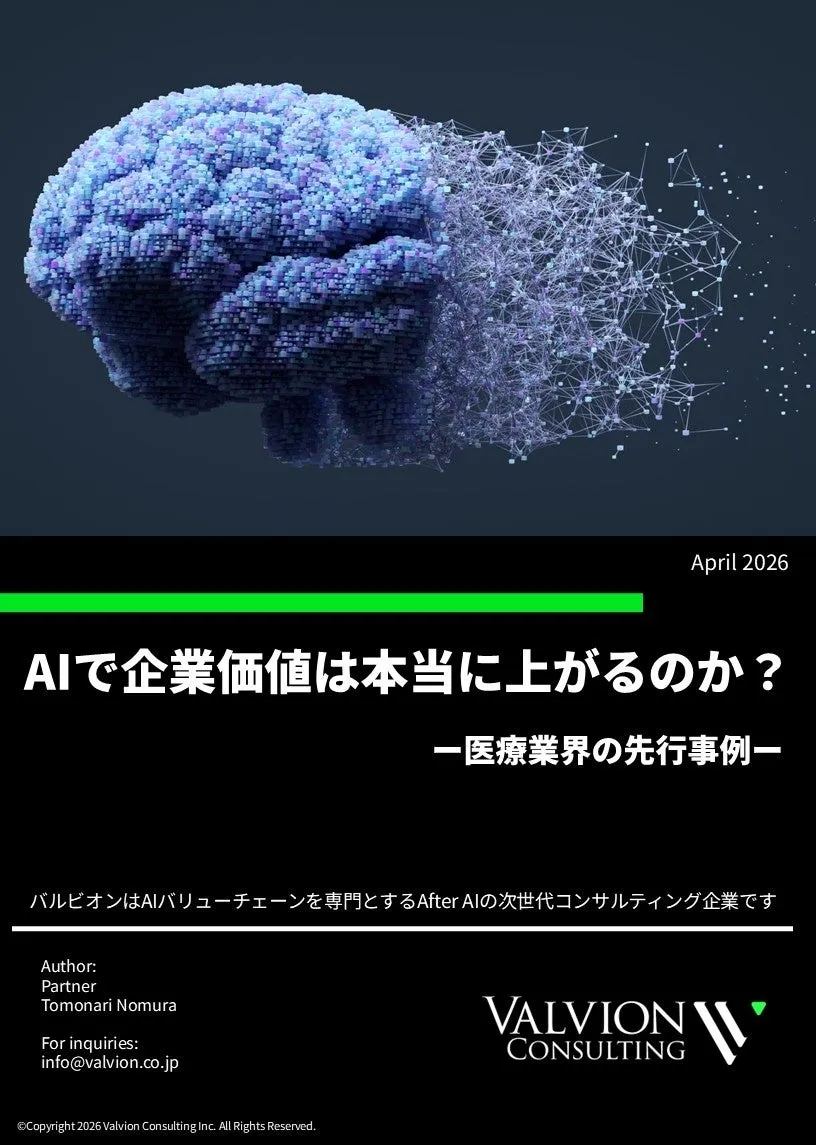
Exploring the Impact of AI on Corporate Value in Healthcare
Investigating AI's Influence on Corporate Value
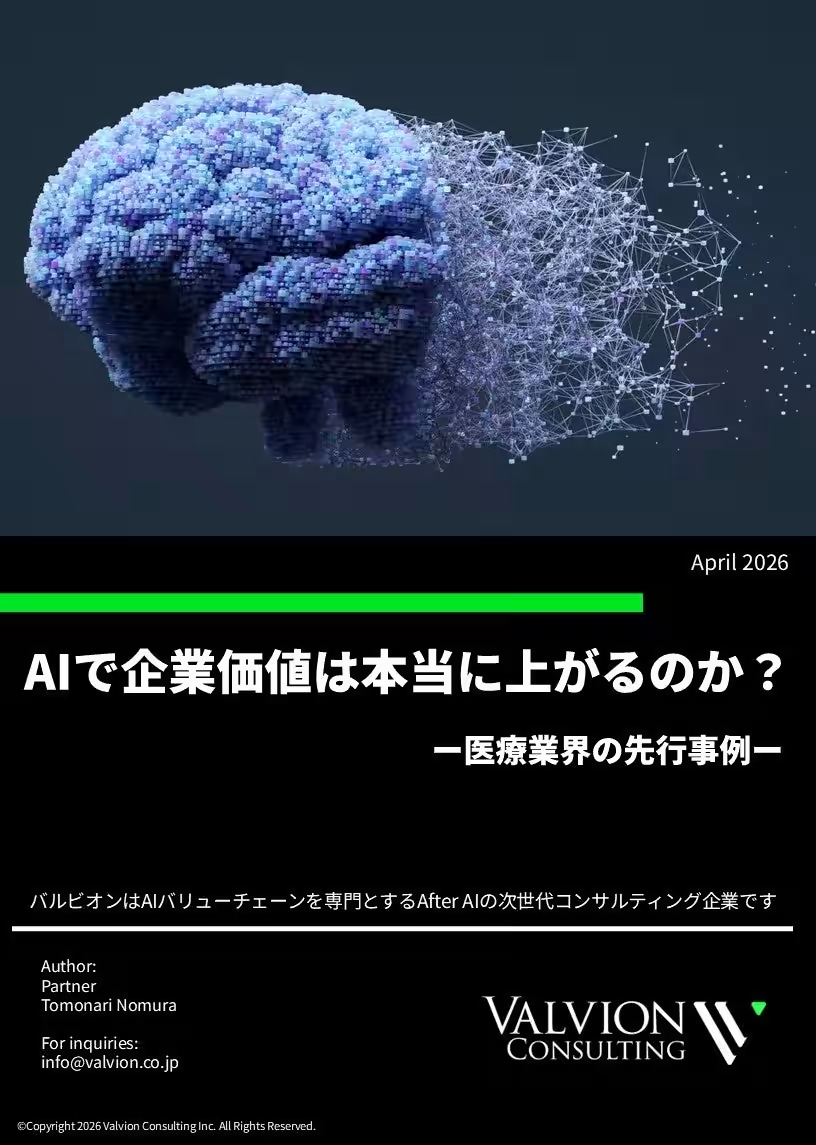
The question of whether artificial intelligence (AI) can truly enhance corporate value has become a topic of great interest, especially in the healthcare sector. Valvion Consulting, a strategic consulting firm specializing in the AI value chain, has released a report that delves into this subject using case studies from the medical industry. The report proposes that while AI's capabilities might radically expand total addressable market (TAM) size by substituting labor, the tangible economic benefits of AI implementation may be limited to mere reduction in personnel costs.
The Rationale Behind AI's Expansion of TAM
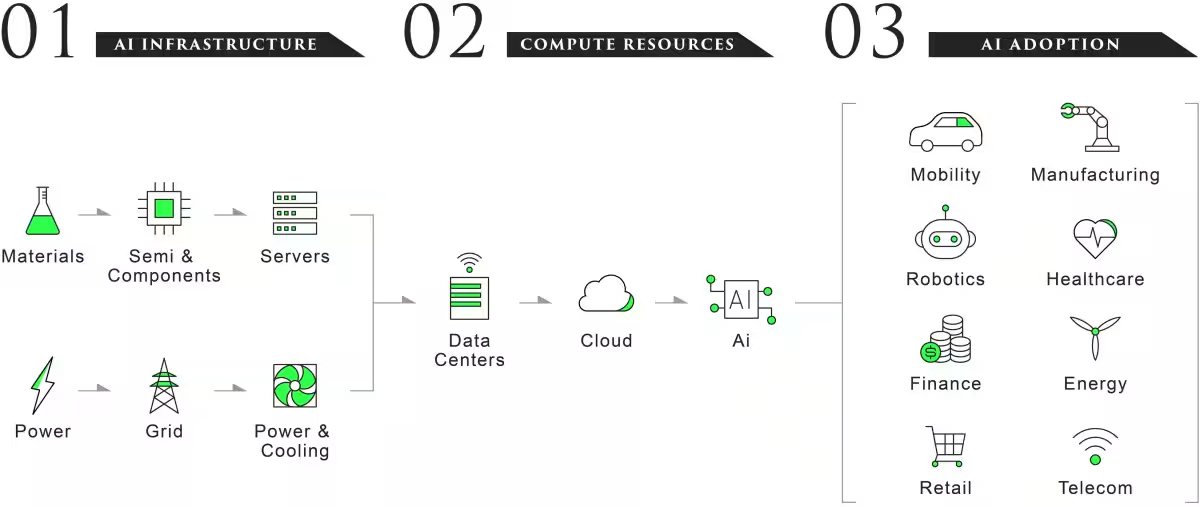
One argument suggests that AI agents can extend their TAM from traditional software markets to the labor sector. However, this perspective predominantly reflects the viewpoint of those who 'sell' or invest in AI services. In contrast, large corporations, the main clientele for Valvion, view AI application as a means to enhance business operations and ultimately increase corporate value.
Cost reduction through labor substitution is seen as an advantage by companies adopting AI. The overall labor costs associated with specific tasks represent a ceiling for potential savings, and thus, projected market opportunities—often cited in the tens of billions—translate into equivalent potential for cost reduction instead of direct value enhancement.
Limitations of Labor Substitution as a Value Driver
The report discusses notable examples from the healthcare sector, particularly focusing on the Ambient Scribe implementation and the management of clinical data through voice recognition. Although this case pertains specifically to healthcare, the derived lesson—that valuable data often resides outside core systems—is a universal truth in many industries. It is estimated that around 80% of an organization’s knowledge exists in unstructured data, outside of core systems. With vast amounts of data generated daily, much of it remains unmonitored, unsearched, and deteriorates with time, revealing a substantial investment opportunity.
Identifying Valuable Areas for AI Implementation
Valvion emphasizes two critical questions organizations should consider when applying AI technologies:
1. Efficiency and Data Acquisition: Aside from identifying business processes that can be optimized, understanding which areas can yield valuable data is crucial. Companies should analyze which unstructured data could serve as levers for top-line growth and target those processes for AI application.
2. Internalization of AI Implementation: Organizations must determine the extent to which they should internalize AI implementation. Utilizing external foundational models may streamline the integration process; however, ceding optimization to external vendors could lead to generic solutions susceptible to commoditization. Balancing proprietary development and reliance on third-party services is vital.
Conclusion
Valvion Consulting's focus on AI within the healthcare sector reveals that while AI can facilitate significant workflow efficiencies, simply transitioning to AI-based systems may not automatically lead to heightened corporate value. Organizations must strategically navigate the intersection of AI deployment, data acquisition, and internal capabilities to genuinely realize the potential benefits. This report serves as an insightful exploration of AI's role in reshaping corporate frameworks and values, urging businesses to adopt nuanced strategies in their AI endeavors.
About Valvion Consulting
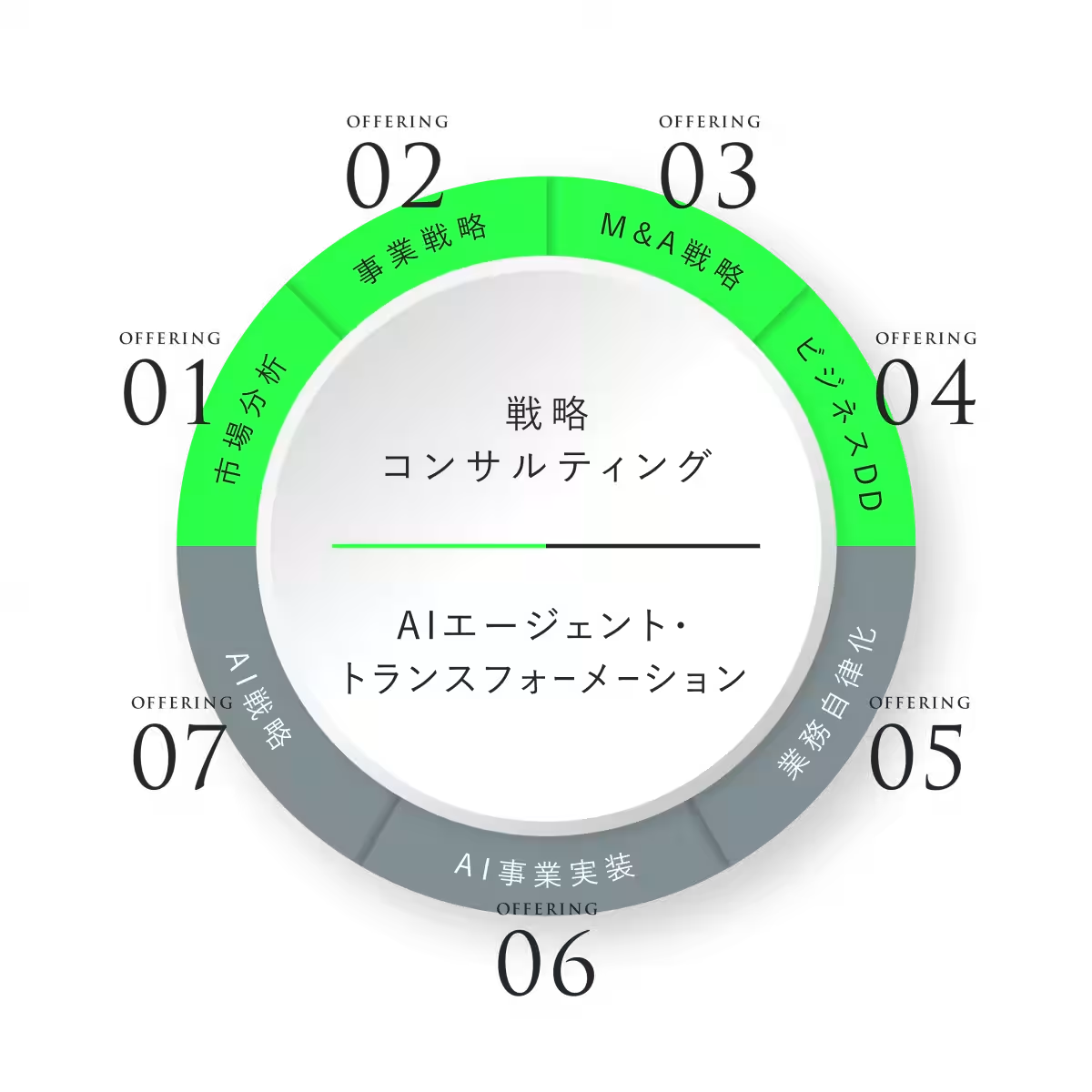
Established in January 2026, Valvion Consulting specializes in strategy consulting with a distinct focus on the AI value chain. It aims to support clients in realizing optimal corporate value through informed decision-making and cutting-edge AI technologies. For more information, visit Valvion's website.

Topics Business Technology)

【About Using Articles】
You can freely use the title and article content by linking to the page where the article is posted.
※ Images cannot be used.
【About Links】
Links are free to use.