



Why Century-Old Manufacturing Companies are Challenging Logistics as a Key Management Issue
Logistics Cost Surge Reveals Management Challenges
As many long-established companies face increasing logistical and operational challenges, few have made as bold a move as Kawamoto Sangyo Co., Ltd. This historical manufacturer and wholesaler of medical and hygiene products has built a reputation for reliability over its century-long journey, but they are now compelled to reform their logistics strategies in the face of mounting external pressures such as the '2024 Problem' and skyrocketing costs. The company's leaders are embarking on a structural reform journey, transforming from a 'just move it' approach to a 'design logistics' model, with the support of PLAID's internal startup division, Studio Zero.
Why is Logistics Reform Crucial for Established Companies?
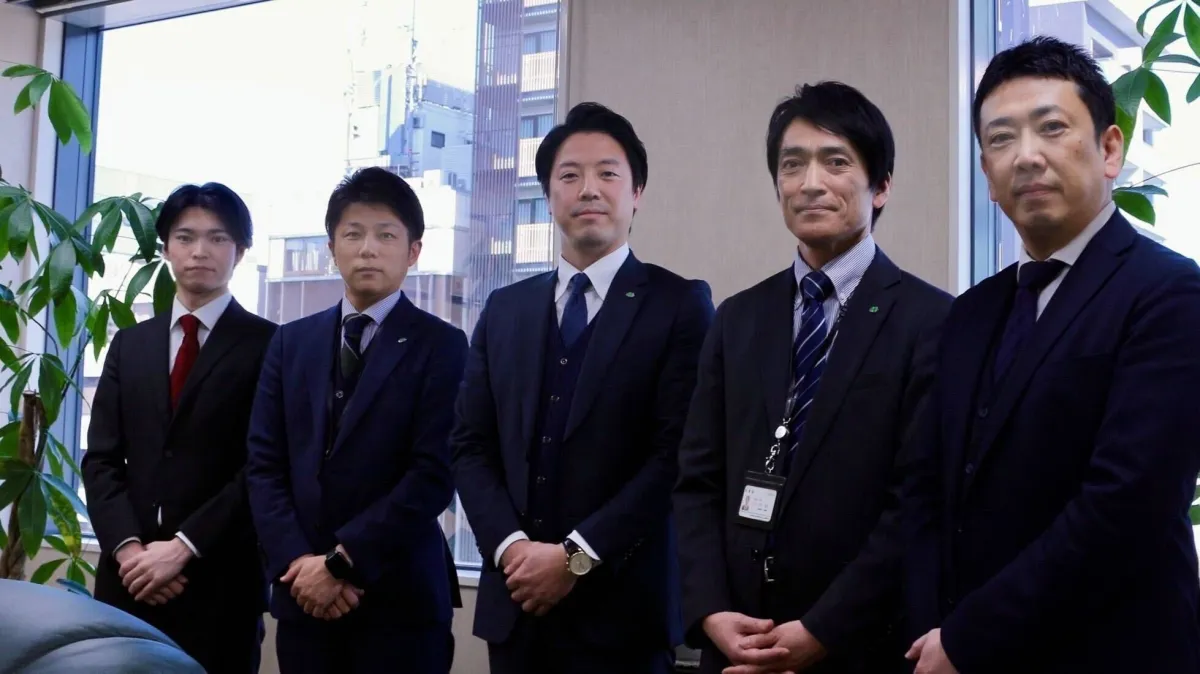
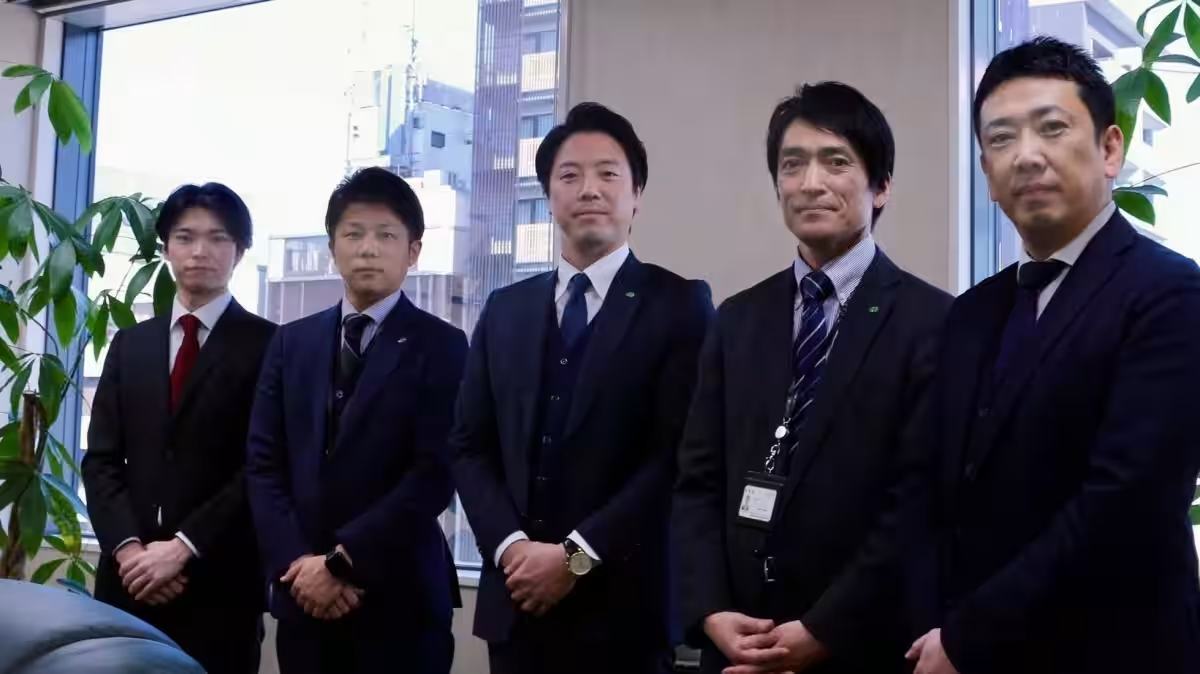
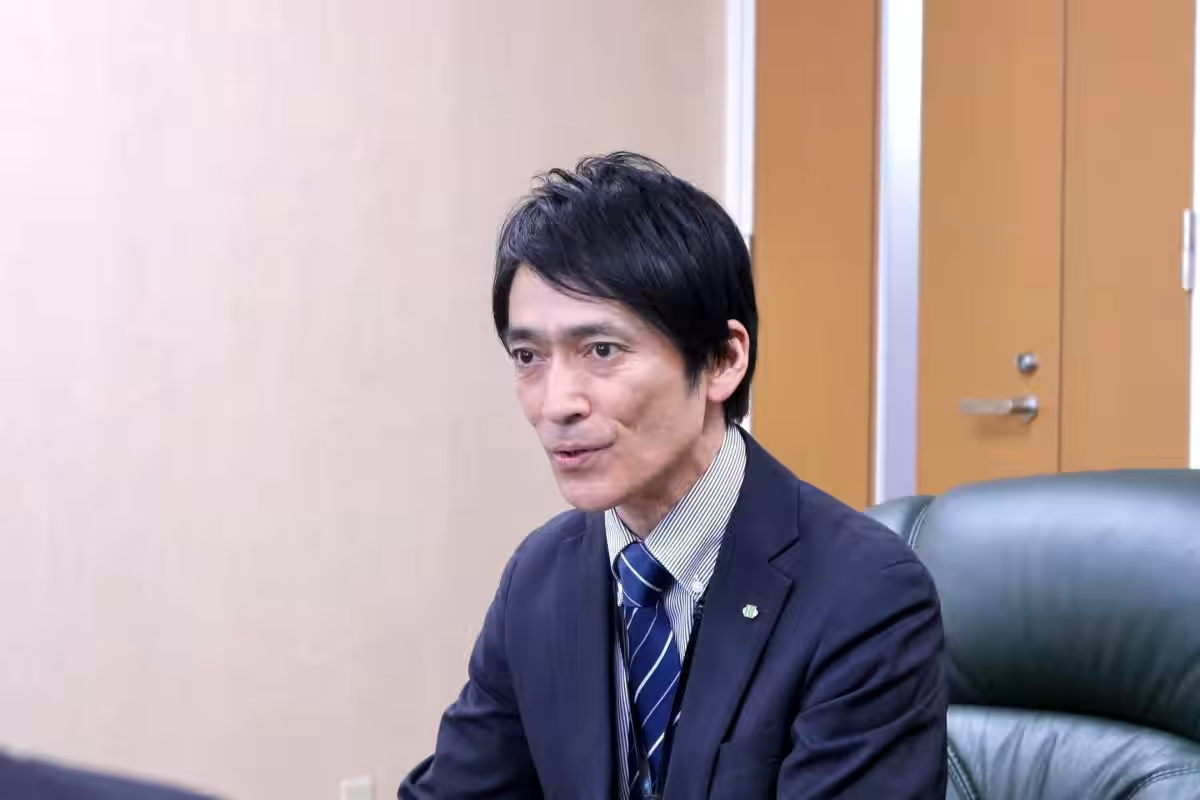
Kawamoto Sangyo’s executive team, which includes key figures like Yasuhiko Yoshida, Hiroaki Hirata, and Takahiro Kawai, engaged in a dialogue about the urgent need for logistics reform. Historically, the logistics process often focused on merely transporting goods. However, with the growing complexity of demand and costs, companies are now recognizing this process must be innovative, data-driven, and more aligned with modern consumer needs.
Yasuhiko Yoshida, the Executive Director overseeing Management Planning and Internal Audit, emphasized that the company needs to leverage data analytics extensively to identify operational inefficiencies and improve logistics planning. His background as a certified public accountant adds a layer of financial insight that informs these strategic decisions.
Meanwhile, Hiroaki Hirata, the Executive Officer in charge of purchasing logistics, recalled the challenges faced within traditional business practices that didn't adapt to shifting market dynamics. His commitment to implementing necessary reforms is rooted in the awareness that existing practices often don't align with modern business realities.
As for Takahiro Kawai, head of the Purchasing Logistics Department, he aims to balance profitability and operational efficiency through thoughtful logistics planning, drawing from his sales experience in the company's medical division. Their collective insights reveal a paradigm shift is necessary not just for survival but for growth and maintaining relevance in an evolving market landscape.
Transitioning from Passive to Proactive Logistics
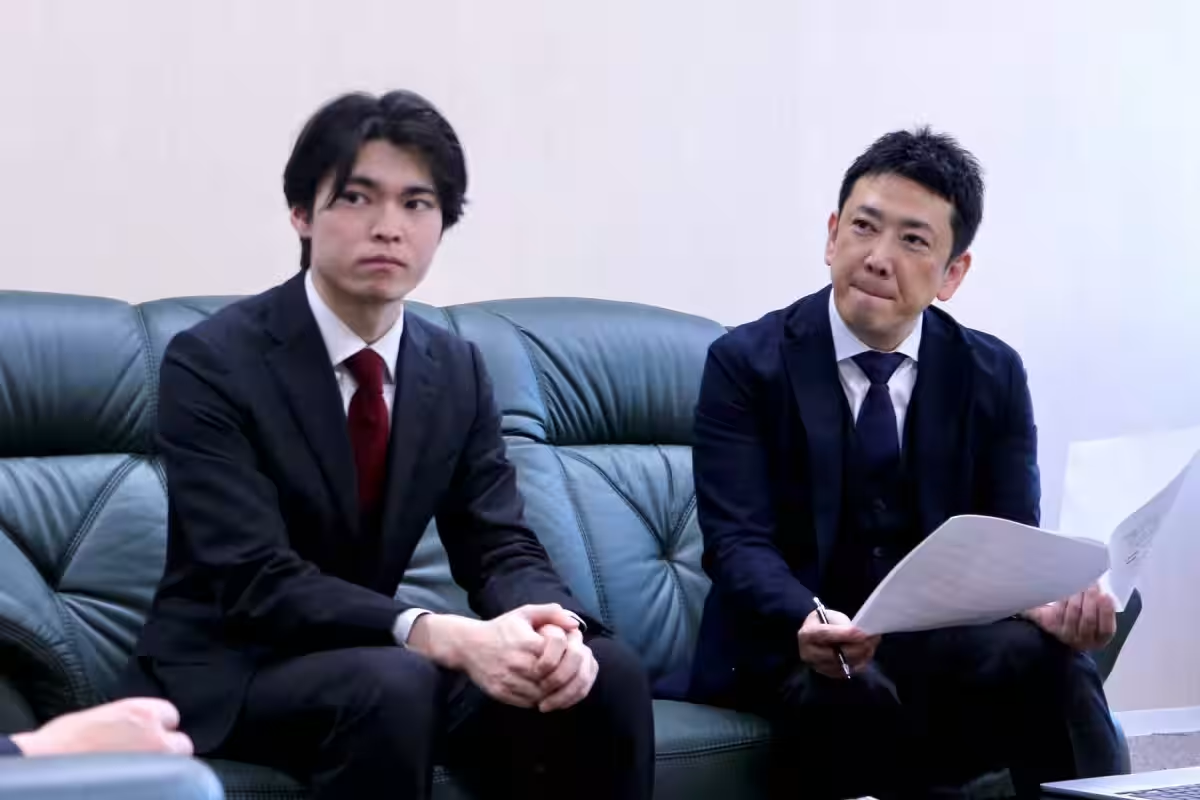
The transition to a proactive approach in logistics, characterized by design and analysis over mere execution, is profound. To manage this transition successfully, studio Zero from PLAID is offering its expertise. Ueda Junji, a Senior Business Architect at Studio Zero, underscores the importance of embedding logistics challenges within management agendas. His substantial experience in logistics, especially gained from working with Sagawa Express, adds credibility, revealing a unique intersection of field experience and executive insight.
On the other hand, Shintaro Ueda, an Associate Business Architect at Studio Zero who is stationed at Kawamoto Sangyo, brings an agenda that emphasizes blending AI-driven data analysis with hands-on logistical practices. This dual approach aims to refine and optimize logistics, ensuring alignment with customer expectations while enhancing operational performance.
The Role of Collaborative Support in Accelerating Reform
The team at Kawamoto Sangyo understands that for successful reform, collaboration and consistent support are essential. By partnering with Studio Zero, they have opted for a method that not only builds efficient logistics strategies but also aligns closely with customer needs. Their framework focuses on sustainable growth while optimizing value, ensuring that they remain ahead of the curve amid rising costs and logistical challenges.
Committed to Meeting Customer Needs
Ultimately, the driving force behind this transformation is an unwavering commitment to customer satisfaction. Kawamoto Sangyo has built its reputation not only on quality and reliability but also on the ability to adapt to changing consumer demands. By reforming their logistics framework, they intend to ensure that they can respond effectively to these needs while maintaining operational excellence.
The insights shared by Kawamoto Sangyo’s executive team illustrate a critical moment for established businesses: the necessity to reassess and reform logistics practices to thrive in a competitive landscape that is continuously shifting.
Connect with Studio Zero to explore how their innovative logistics solutions can help your business create value through strategic decision-making and efficient operations.
Topics Consumer Products & Retail)
【About Using Articles】
You can freely use the title and article content by linking to the page where the article is posted.
※ Images cannot be used.
【About Links】
Links are free to use.