



Innovative Autonomous Drone Technology Developed for Rail Infrastructure Maintenance in Japan
Development of Autonomous Drone Technology for Railways in Japan
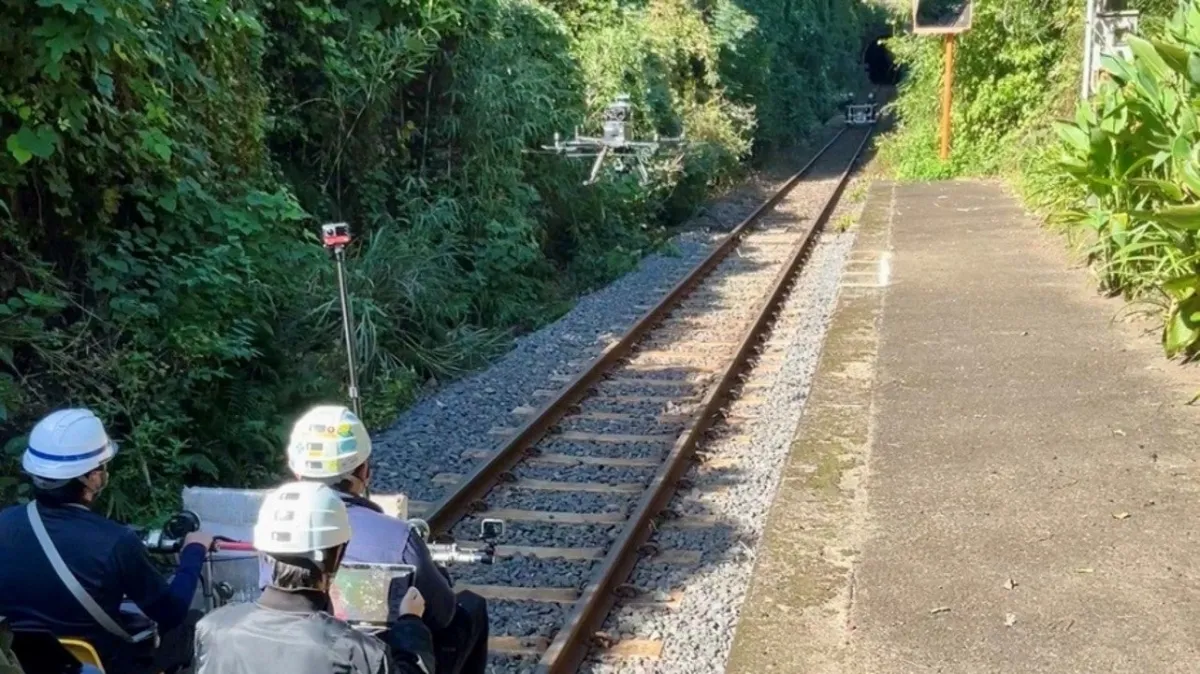
In an exciting collaboration, JR Kyushu and Sensyn Robotics are joining forces to develop autonomous drone technology aimed at improving safety and efficiency in railway infrastructure maintenance. This initiative focuses on creating a drone capable of operating under various challenging conditions encountered on railway tracks. To adapt to the unique environmental factors present in railway maintenance, the project has successfully developed and validated multiple autonomous flight modes.
Overview of the Initiative
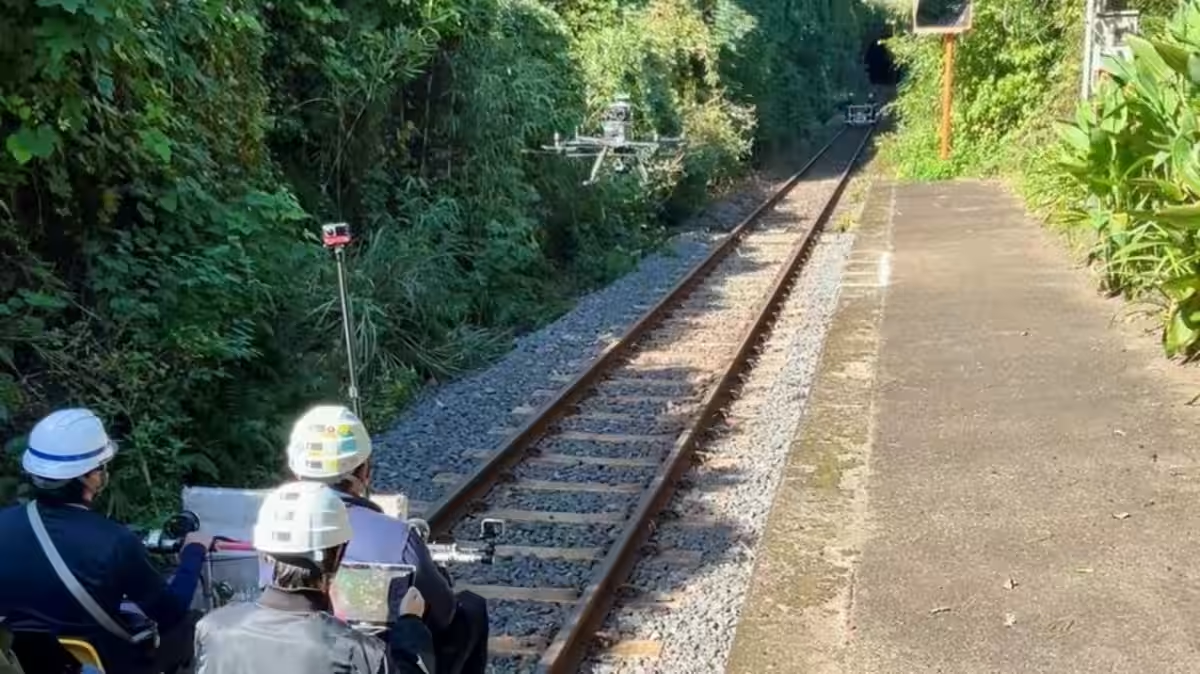
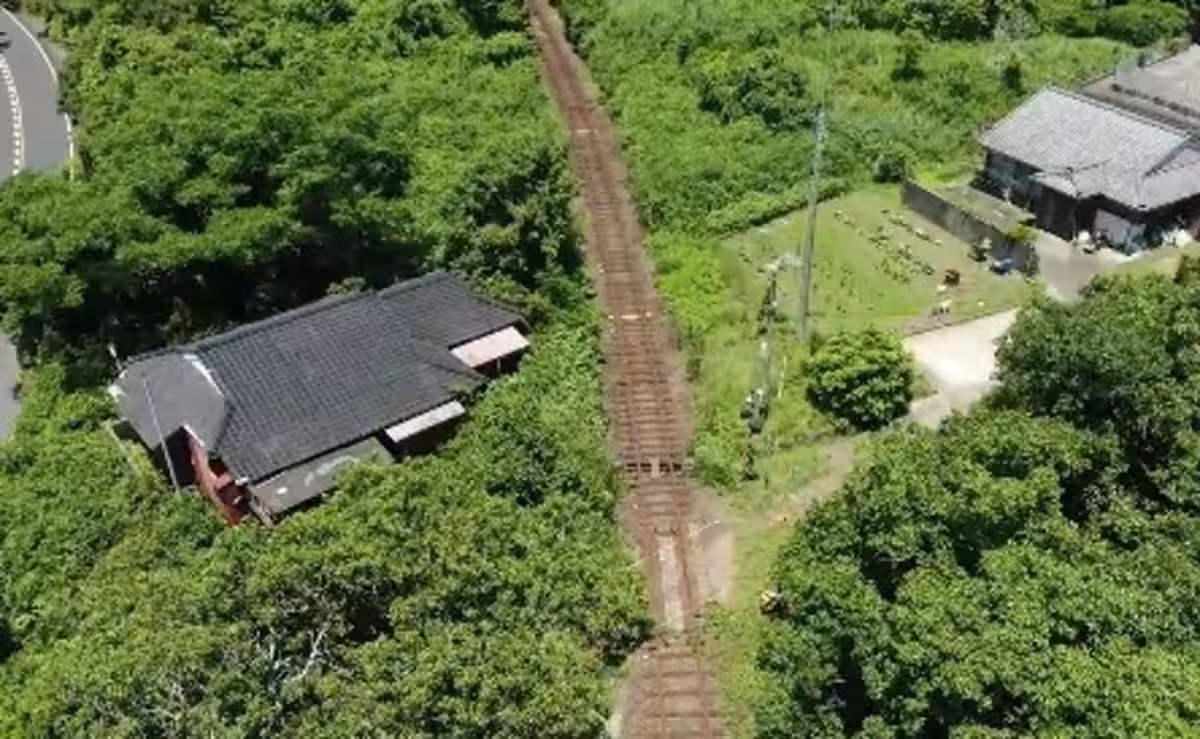
Railway environments can often be complex, covering areas where GNSS (Global Navigation Satellite System) signals can be captured, as well as locations like tunnels, heavily vegetated zones, and level crossings where conditions can vary significantly. To effectively operate in these diverse environments, three distinct flight modes have been developed and tested:
1. GNSS Mode
- Altitude: 25 meters
- Speed: 6 m/s
- Characteristics: Allows for high-speed, high-altitude surveys, requires pre-set flight paths, and automatically ascends and descends at designated points.
2. Rail-Following Mode
- Altitude: 2 meters
- Speed: 2 m/s
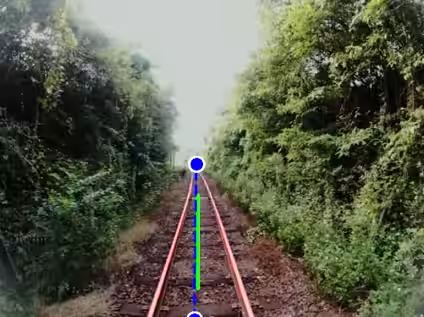
- Characteristics: Drone follows the rails at slow speeds and low altitudes, does not require flight path setup, can operate in non-GNSS environments, and allows for inspections from the driver's perspective.
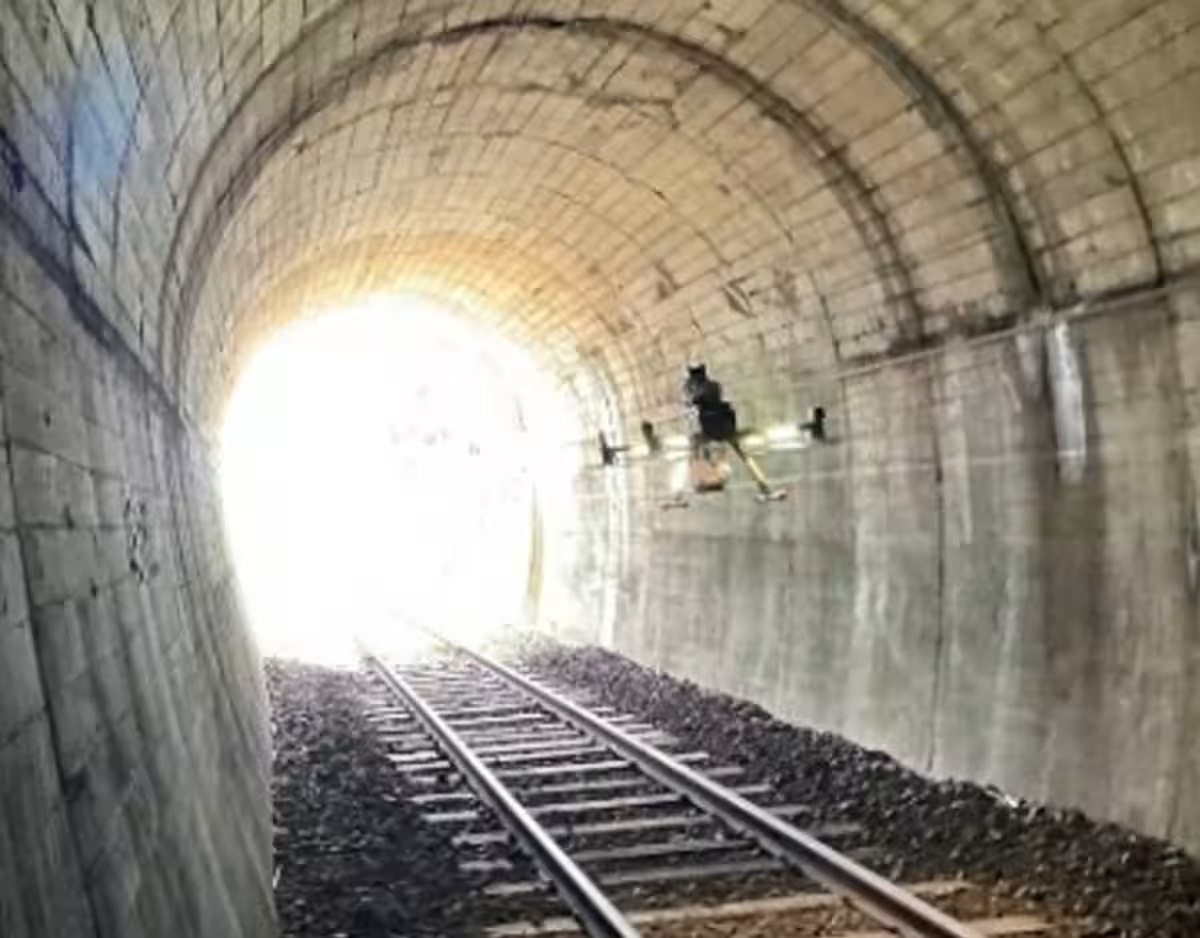
3. Tunnel Mode
- Altitude: 2 meters
- Speed: 1 m/s
- Characteristics: Designed for low-speed, low-altitude flights within tunnels, does not require flight path setup, stabilizes in non-GNSS spaces, and switches modes automatically based on structural recognition.
The integration of these modes enables the drone to perform comprehensive inspections and flights autonomously over extended periods, significantly increasing efficiency in monitoring and maintenance tasks. The technology also involves advanced features such as LiDAR for point cloud data acquisition and AI image recognition to enhance reliability and safety during operations.
Significance of the Initiative
The development of this technology has the potential to serve as a groundbreaking tool for monitoring the condition of railway facilities. The autonomous drone can provide vital support for inspections during adverse weather conditions, allowing for safer and more effective assessments of railway structures from remote locations. By minimizing the need for human intervention in potentially hazardous environments, this initiative not only enhances safety but also streamlines maintenance operations.
Future Prospects
Going forward, JR Kyushu and Sensyn Robotics plan to continue conducting research and practical demonstrations to enhance the technology further. They will also carefully examine regulatory, operational, and safety considerations as the project progresses. Another key aspect of this collaboration involves partnerships with other railway operators and related industries to foster a sustainable development and operational framework that improves railway infrastructure maintenance techniques overall.
Additionally, field tests on the Ibusuki Makurazaki Line will help validate the practicality and effectiveness of the drone technology in real-world scenarios, ensuring that it meets the rigorous standards required in rail infrastructure management.
Company Background
JR Kyushu
- - Location: 3-25-21 Hakataekimae, Hakata-ku, Fukuoka City, Japan
- - CEO: Yoji Komiya
- - Established: April 1987
- - Capital: 16 billion yen
- - Business Areas: Transportation services, real estate, hotel management, distribution, and construction.
- - Company Website: www.jrkyushu.co.jp
Sensyn Robotics
- - Location: 4F, Sumitomo Realty & Development Oimachi Ekimae Building, 1-28-1 Oi, Shinagawa, Tokyo, Japan
- - CEO: Takuya Kitamura
- - Established: October 2015
- - Capital: 10 million yen
- - Business Areas: Providing DX solutions for social infrastructure utilizing AI, robotics, and IoT.
- - Company Website: www.sensyn-robotics.com
Topics Consumer Technology)
【About Using Articles】
You can freely use the title and article content by linking to the page where the article is posted.
※ Images cannot be used.
【About Links】
Links are free to use.