



Understanding the Eating Habits of Senior Singles in Japan and Their Unique Preferences
The Eating Habits of Senior Singles in Japan
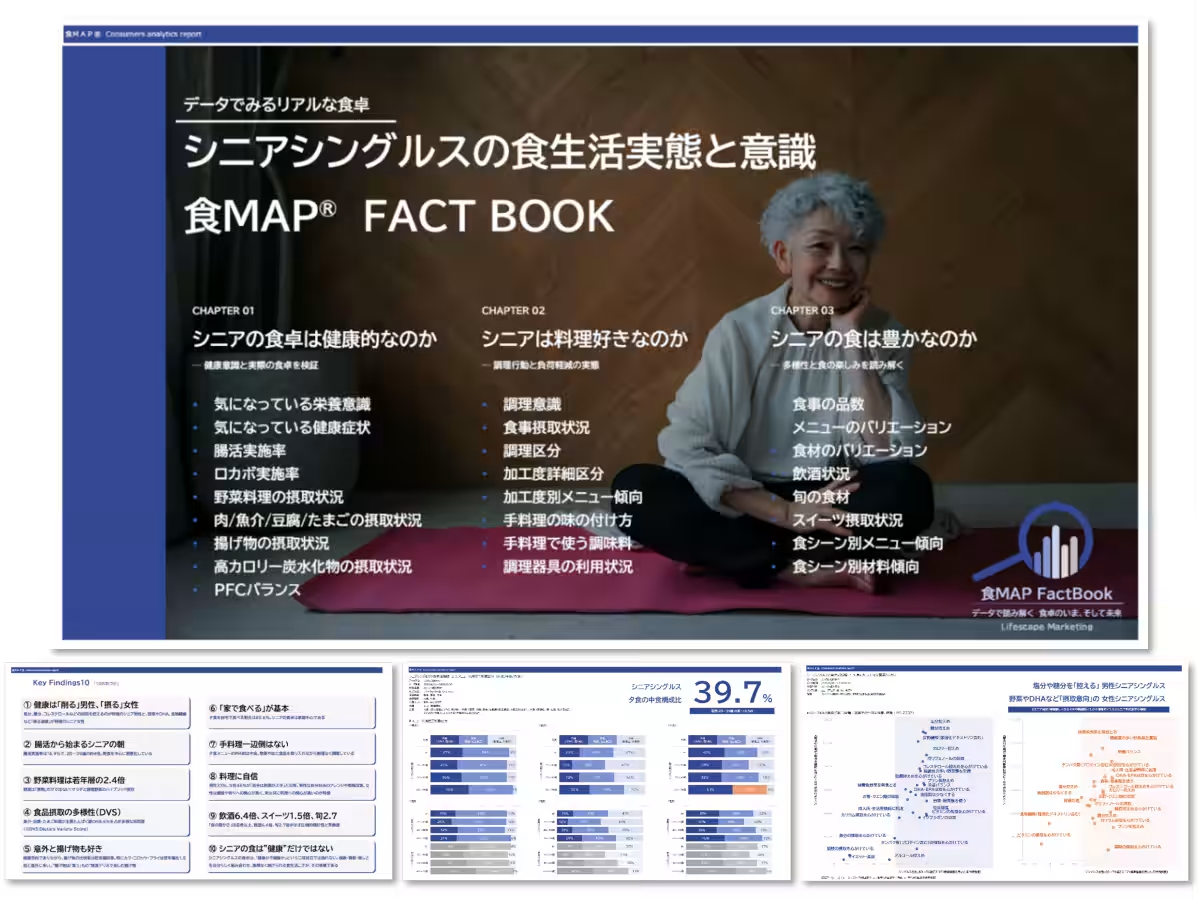
Recent research conducted by Lifescape Marketing Co. has unveiled insightful data about the dining habits of senior singles in Japan, shedding light on their preferences and lifestyle choices. The report, titled 'Food MAP® FACT BOOK: Eating Habits and Awareness of Senior Singles,' focuses on individuals aged 20 to 74 living alone in the Tokyo metropolitan area, revealing that this demographic exhibits significantly different eating behaviors compared to younger groups.
A Closer Look at Dinner Habits: Enjoying Convenience
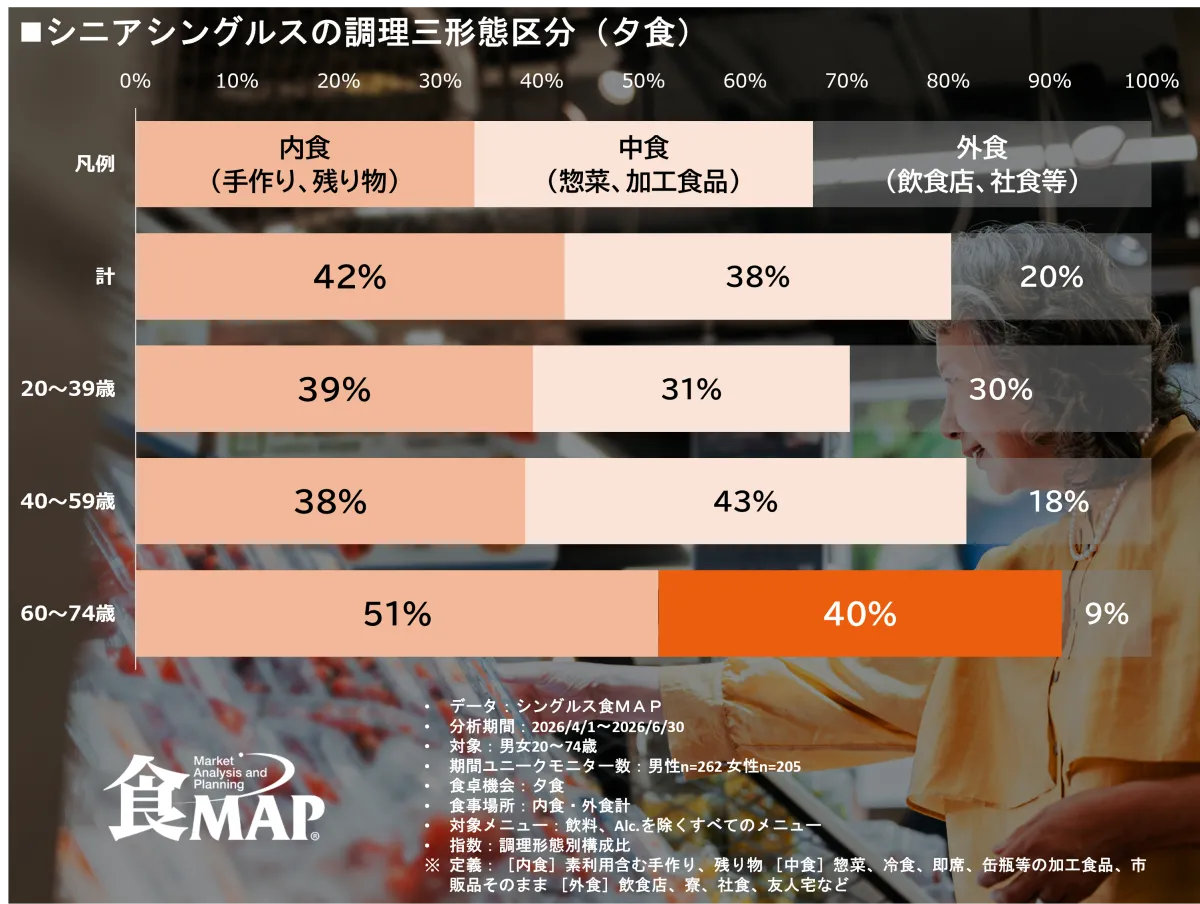
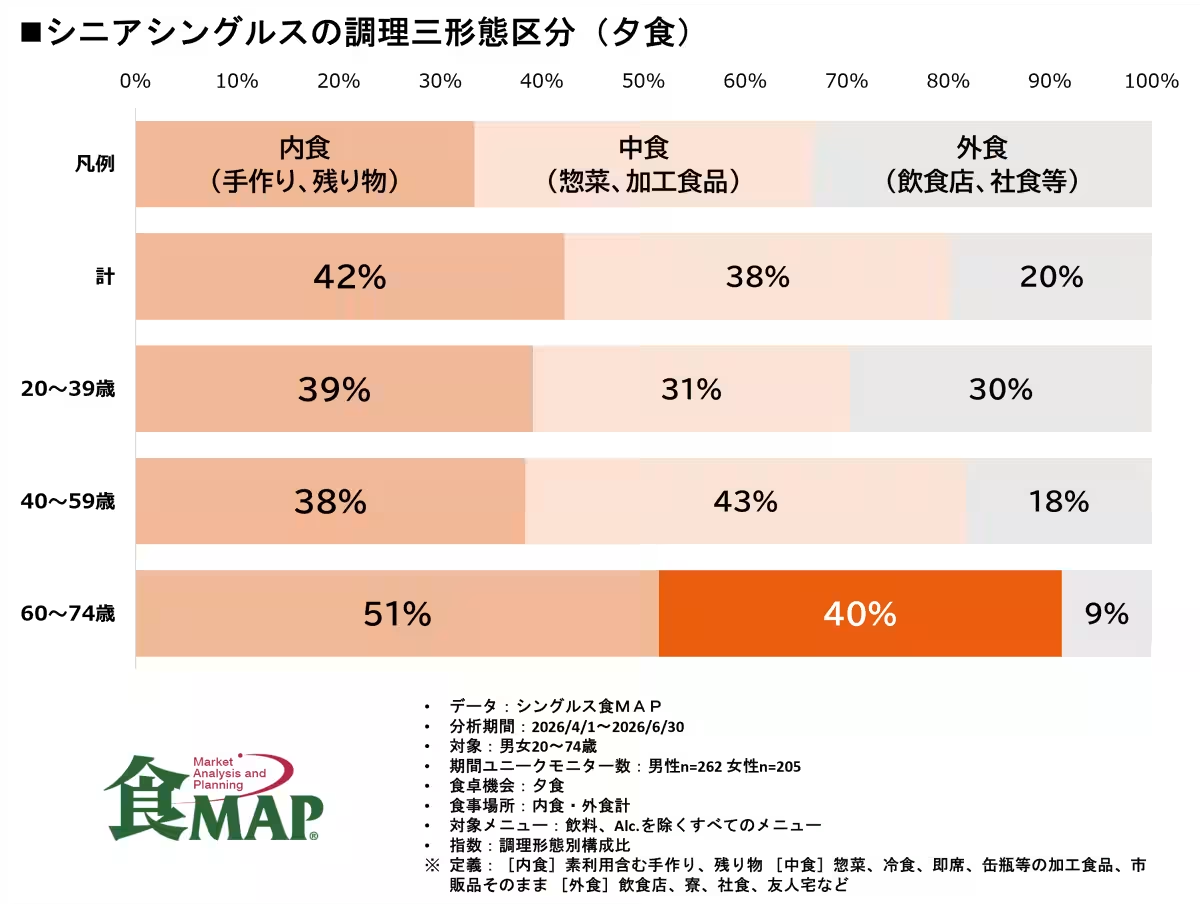
One striking finding from the research is the high percentage of ready-to-eat meals (40%) in the dinner menus of senior singles. Unlike their younger counterparts, who often rely more on dining out, senior singles have a higher home-cooked meal rate of 51%. Yet, they cleverly combine this with a substantial use of ready-made dishes, showing a flexible approach to meal preparation. This trend suggests a balanced lifestyle where convenience meets tradition, allowing seniors to enjoy their meals without the pressure of extensive cooking.
The Misconception of Health Consciousness
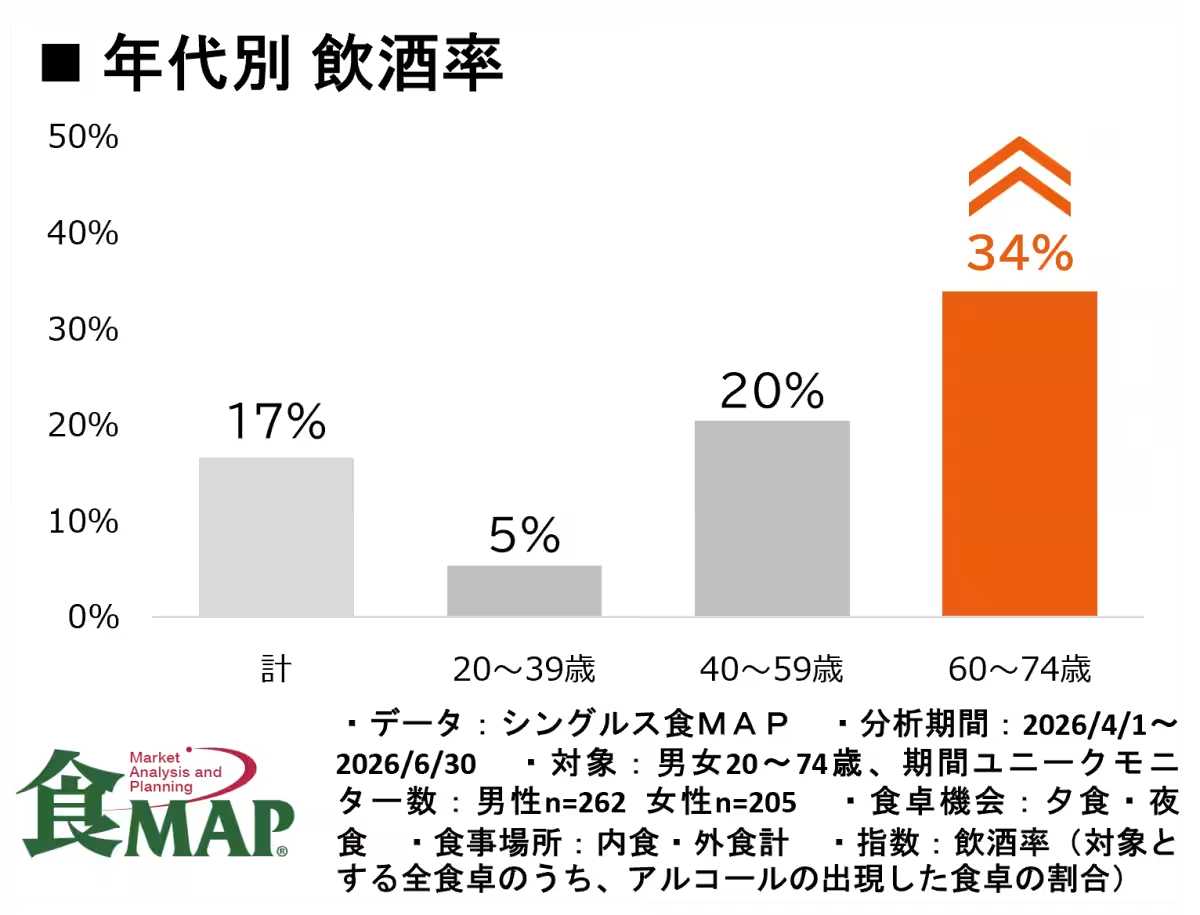
Contrary to common perceptions that seniors strictly adhere to health-conscious diets, the research presents a more nuanced picture. Although many seniors declare a commitment to healthy eating, their actual consumption habits reveal a more relaxed attitude. For instance, seniors are enjoying evening drinks at a much higher rate (34%) than younger age groups, indicating a lively social component to their dining experiences. They consume alcohol more frequently than young adults (6.4 times as much) and even more than middle-aged individuals, suggesting that their eating habits are not solely dictated by health concerns but are also influenced by the joy of living.
Sweet Tooth: Seniors Indulge More
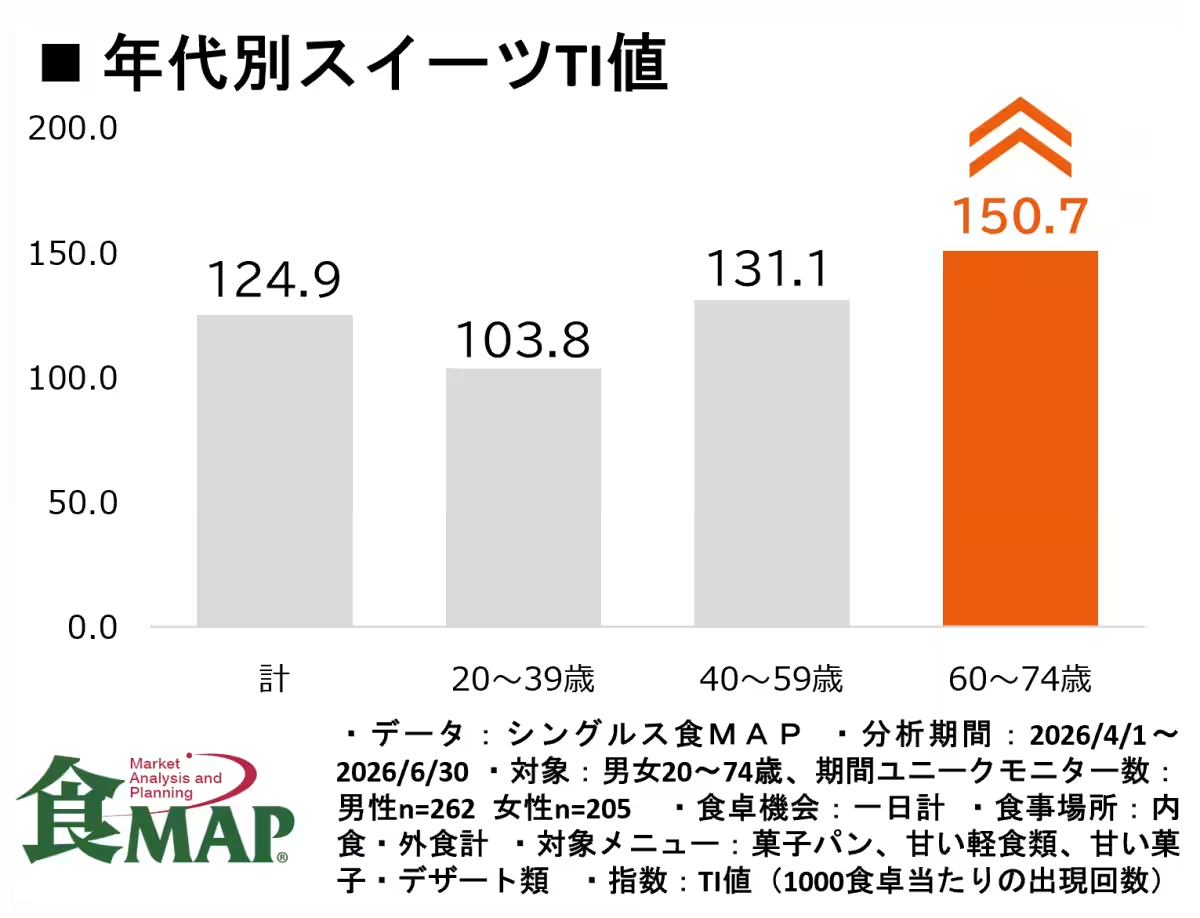
Interestingly, the study found that seniors consume sweets 1.5 times more frequently than younger individuals. The correlation between increased age and heightened demand for sweet foods suggests that aging brings about a greater appreciation for flavorful indulgences. Thus, senior singles are not only savouring meals but are actively pursuing sweetness in their diets.
Celebrating Seasonal Ingredients
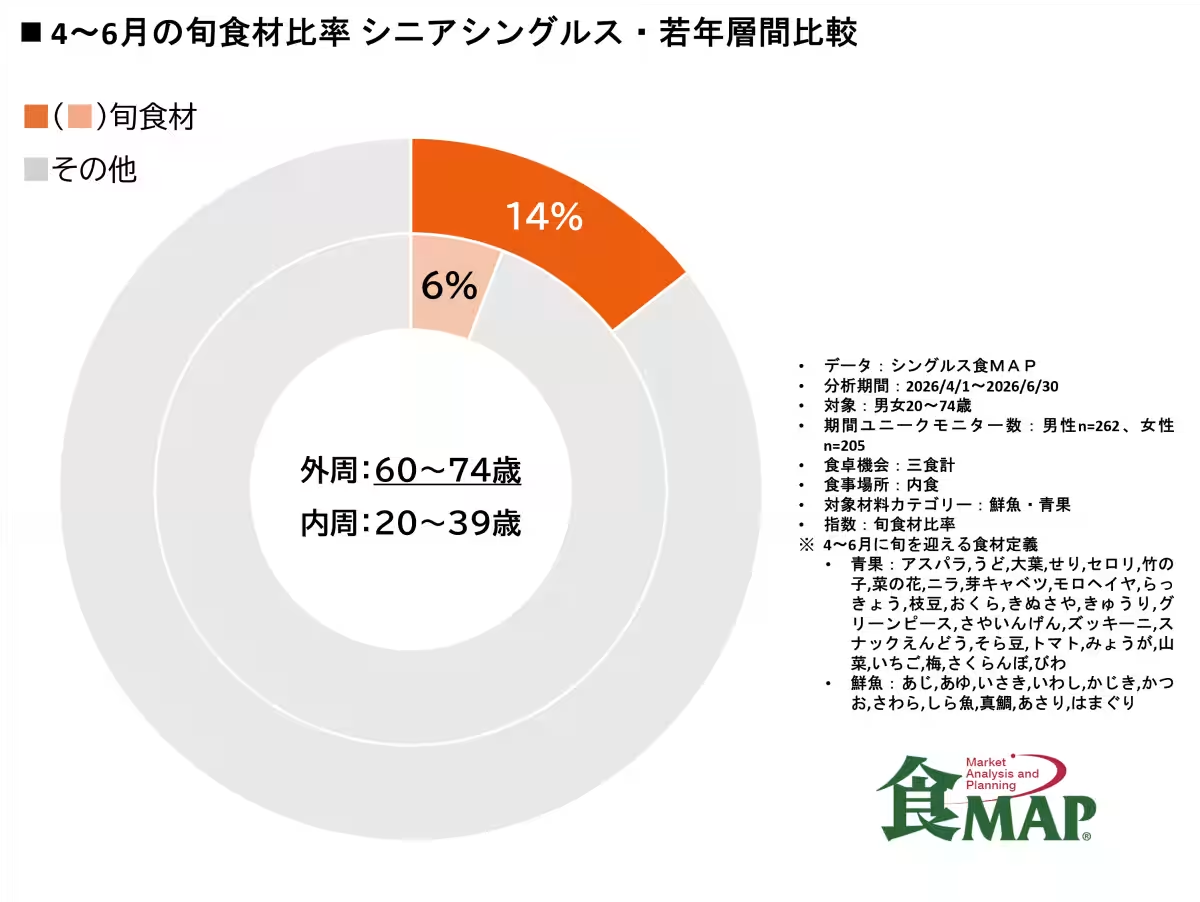
Moreover, senior singles demonstrate a remarkable enthusiasm for fresh, seasonal ingredients. Their focus on utilizing these ingredients is five times higher than that of the younger generation, underscoring an appreciation for food's connection to nature and seasonal changes. With 14% of their meals composed of in-season produce, seniors are embracing the richness of their culinary heritage while ensuring their meals are fresh and vibrant.
Balancing Health With Enjoyment
Ultimately, the dining practices of senior singles are not simply about adhering to strict diets or health standards; rather, they embody a more holistic and enjoyable approach to nutrition. By incorporating ready-made meals, indulging in evening drinks, and emphasizing seasonal freshness, seniors illustrate a compelling narrative of balance in their eating habits. They continue to prioritize health but refuse to compromise their enjoyment of food. This enriching lifestyle emphasizes a sentiment of 'sustainable richness' where each meal is a celebration of not just nutrition but life itself.
Conclusion and Further Insights
The findings from the 'Food MAP® FACT BOOK' challenge traditional beliefs about senior diets, presenting these individuals as vibrant and mindful eaters who revel in their culinary choices. The report offers a broader understanding of what it means to eat well as a senior single in Japan today. Those interested can request additional information through Lifescape Marketing's inquiry form, unveiling the intricate tapestry of senior dining experiences.
For further details and to explore the full report, visit Lifescape Marketing.

Topics Consumer Products & Retail)

【About Using Articles】
You can freely use the title and article content by linking to the page where the article is posted.
※ Images cannot be used.
【About Links】
Links are free to use.