



2025 Summer Travel Costs: Insights from Sony Bank's Survey
Overview of Sony Bank's 2025 Summer Travel Survey
In an effort to gauge the travel spending habits of its customers, Sony Bank conducted a survey involving 3,240 clients who hold accounts with the bank. This examination took place between September 30 and October 14, 2025. This year’s study offers valuable insights into the trends shaping summer travel plans.
Survey Highlights
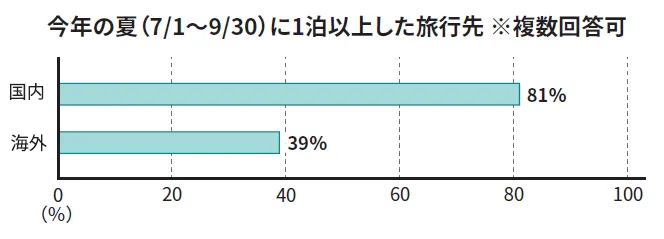
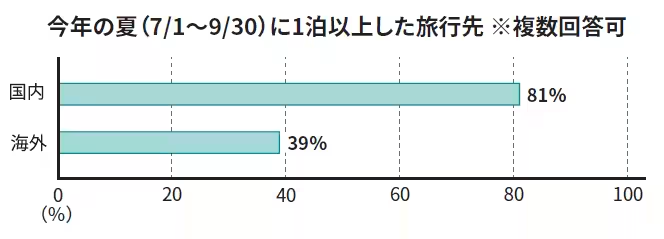
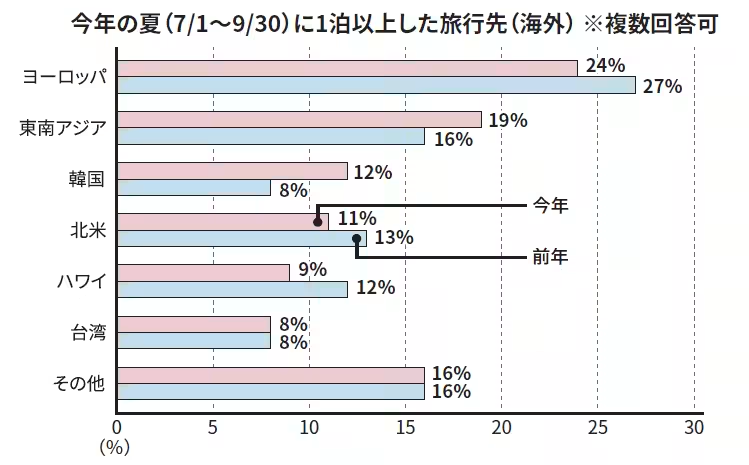
The survey revealed that an impressive 81% of respondents opted for domestic travel, while 39% ventured abroad. The survey noted a decline in visits to traditional overseas destinations in Europe and North America, while Asian travel saw a boost, increasing from 32% to 39% compared to last year. This indicates a favorable trend in near-distance travel options, likely driven by the effects of currency fluctuations and inflation.
Domestic and International Travel Preferences
Reflecting on the preferences of the respondents, 24% expressed a preference for European destinations despite a decrease in traveler numbers to this region. Meanwhile, Southeast Asia, South Korea, and Taiwan have garnered increased attention this year. Such shifts suggest that travelers are gravitating toward destinations with potentially lower costs and reduced travel durations.
Travel Expenses Breakdown
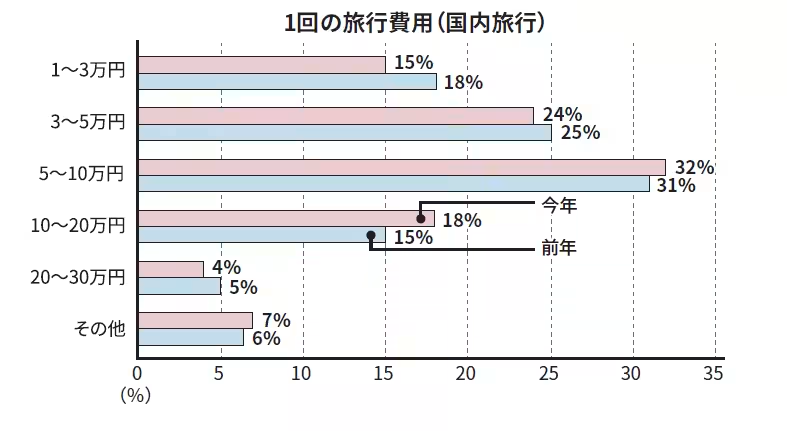
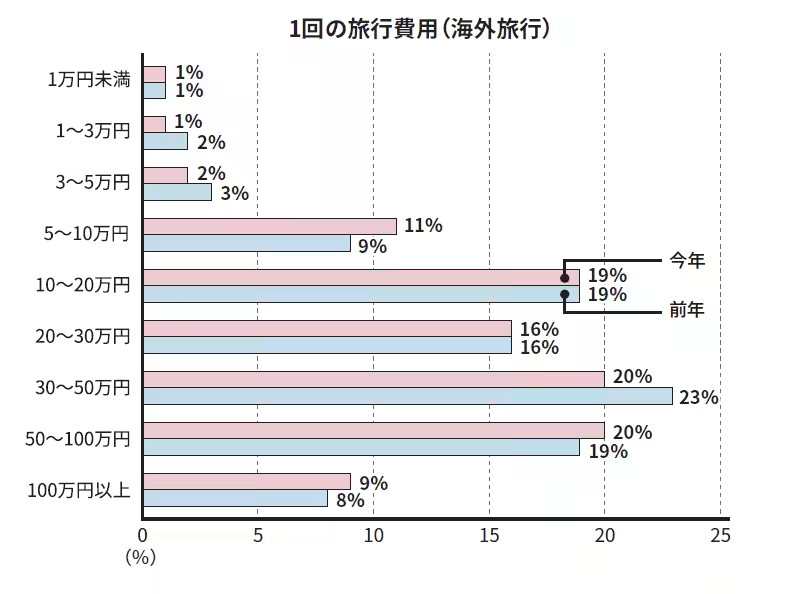
When examining expenses, 32% of participants indicated that their domestic travel budgets remained between 50,000 to 100,000 yen. For international journeys, 40% reported spending 300,000 to 1,000,000 yen. This year also recorded an uptick in those opting for cost-effective travel options, with increased responses in the lower spending ranges, including 11% for costs closely matching between 50,000 to 100,000 yen.
This trend highlights the growing interest in shorter, budget-friendly trips that are reshaping typical vacation planning.
Major Spending Categories
The survey found that, consistent with previous years, most expenses during domestic travel went towards accommodation, which accounted for 51% of total expenses. Meanwhile, international travel costs were primarily attributed to transportation, although this figure saw a decline from 46% to 34%. This suggests an evolution in spending habits, with travelers pivoting towards experiences related directly to local culture, dining, and sightseeing.
Cost Management Strategies
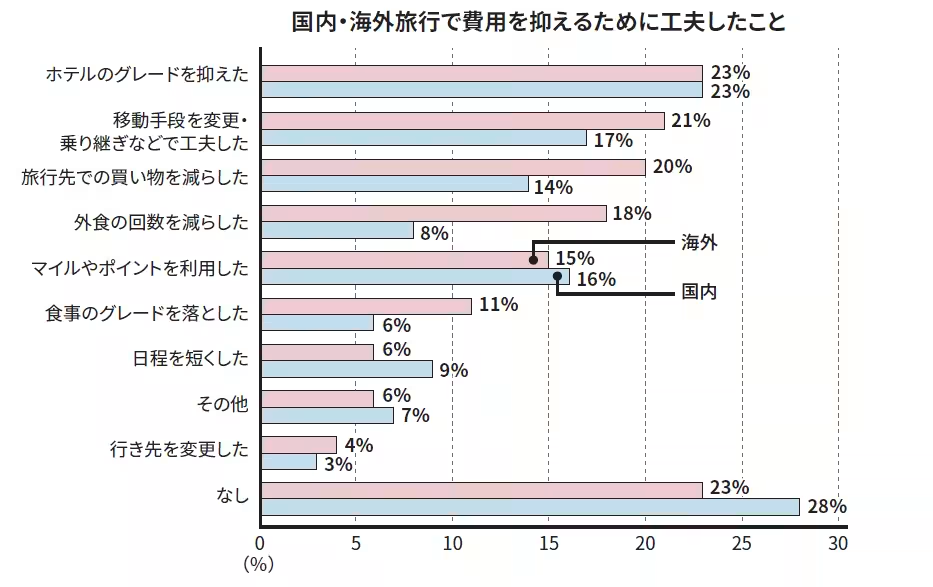
Efforts to curb travel expenses saw 23% of respondents in both categories (domestic and international) opting to downgrade hotel quality. Specific strategies varied between domestic and international travel, wherein travelers have also started to utilize loyalty points and adapt their means of transportation for cost efficiency.
Payment Trends
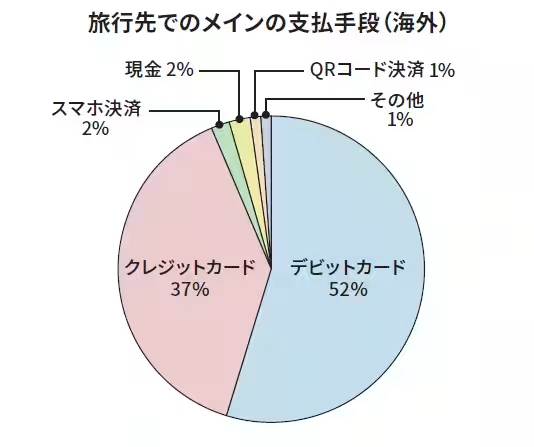
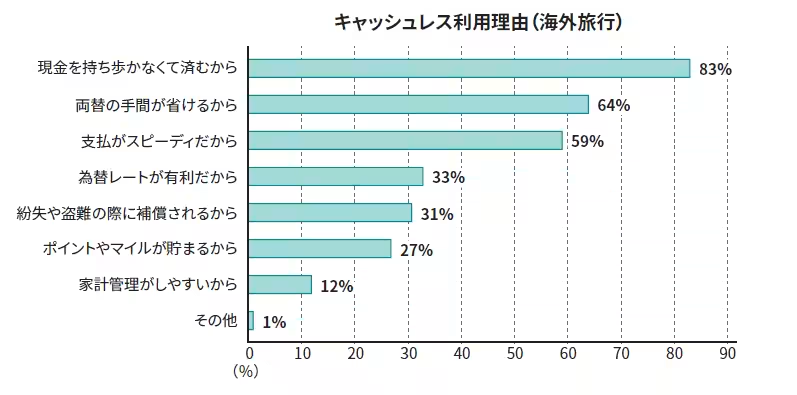
The movement toward cashless transactions continued to dominate travel spending habits in both domestic and international contexts, with over 90% of respondents indicating they used cashless payment methods. Notably, 60% of travelers abroad employed Sony Bank WALLET, addressing the convenience of carrying less cash when traveling.
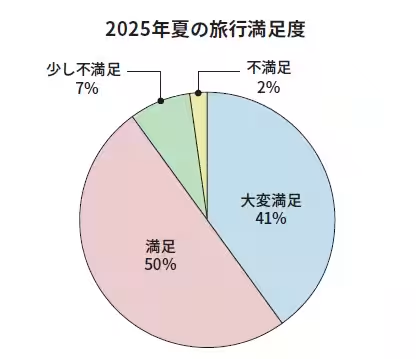
This year’s satisfaction rate among travelers was noteworthy as well, with over 90% expressing contentment with their travel experiences this summer.
End-of-Year Projections
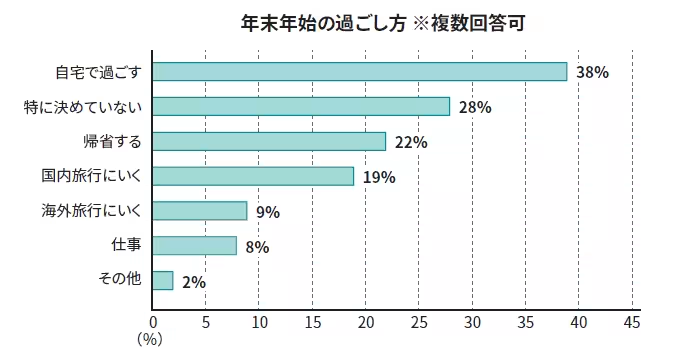
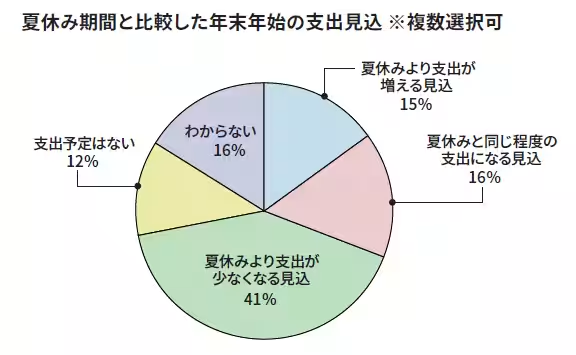
Looking ahead to the year-end holidays, the survey indicated that 38% plan to spend their time at home. Furthermore, 41% predict that their spending during this period will be lesser than during the summer holidays. Conversely, over half anticipate elevated expenses due to inflation and price increases, reflecting a more cautious yet anticipatory approach to holiday spending.
Conclusion: Sony Bank WALLET
Sony Bank WALLET remains a leading tool for travelers, facilitating transactions in various currencies including Japanese yen, US dollars, and euros, among others. With benefits like cash rebates and ease of withdrawing funds from overseas ATMs, the WALLET service is gaining popularity, evidenced by the significant percentage of travelers choosing to use it abroad.
In sum, this survey captures the evolving landscape of travel spending, revealing how preferences shift in response to economic parameters. With careful planning and awareness of expenses, the future of travel promises exciting possibilities for exploration.




Topics Travel)
【About Using Articles】
You can freely use the title and article content by linking to the page where the article is posted.
※ Images cannot be used.
【About Links】
Links are free to use.