



Inclusive Education Material Contest Celebrates Innovative Learning Tools for All Children
Highlights from the 3rd Inclusive Education Material Contest
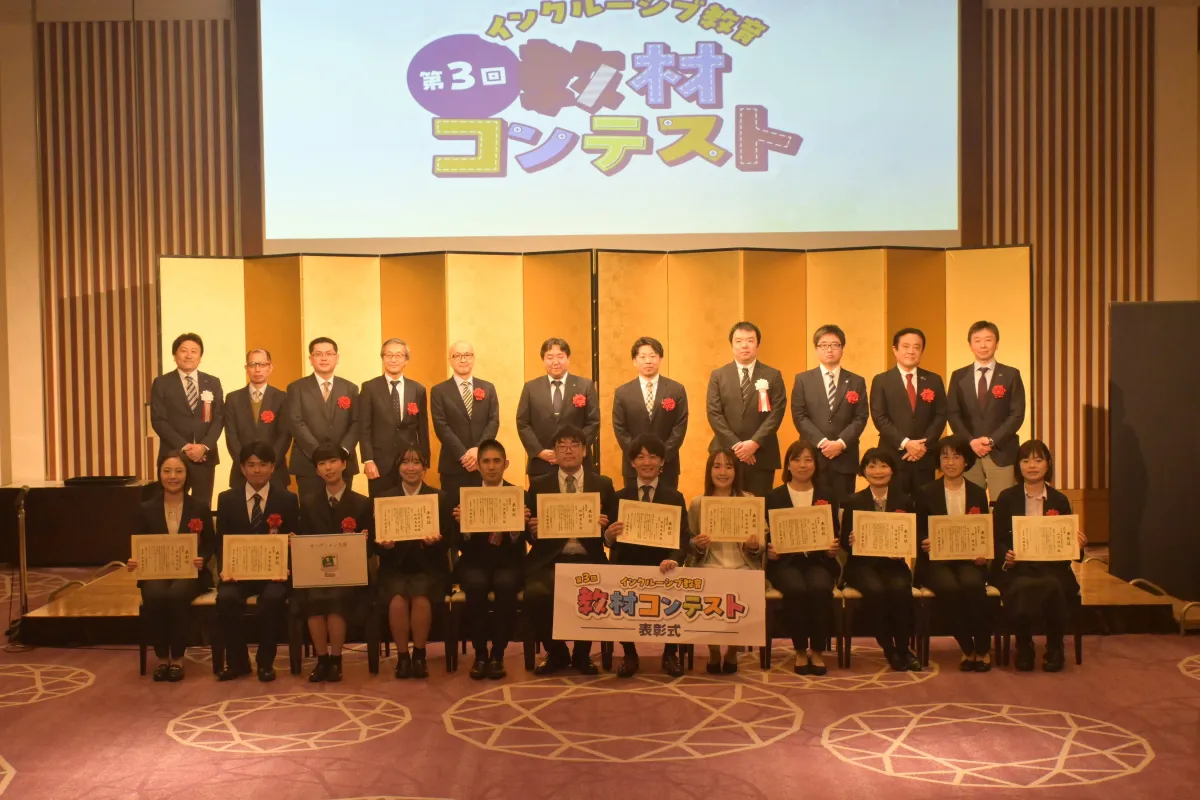
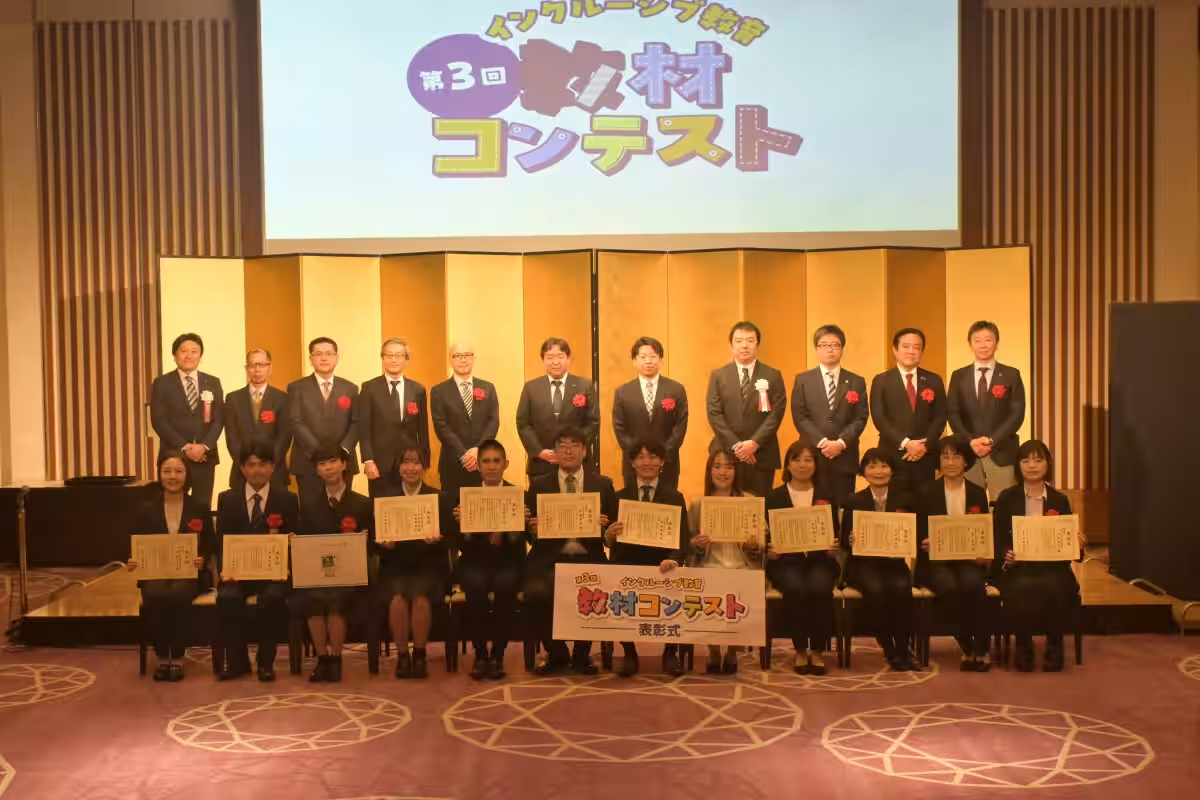
In a remarkable display of creativity and innovation, the 3rd Inclusive Education Material Contest concluded recently with an array of outstanding entries celebrating inclusivity in education. Organized by the Japan School Teaching Materials Cooperative and the Tsukuba University Otsuka Special Support School, the contest's theme was designed around the idea that educational materials should be accessible to all children, regardless of their needs or challenges.
A Platform for Creative Ideas
The contest aimed to encourage educators and innovators to think outside the box and develop materials that cater to various difficulties children face in traditional learning environments. This year saw a surge in participation, with numerous unique and heartfelt entries reflecting the dedication of educators to create engaging learning experiences for all students.
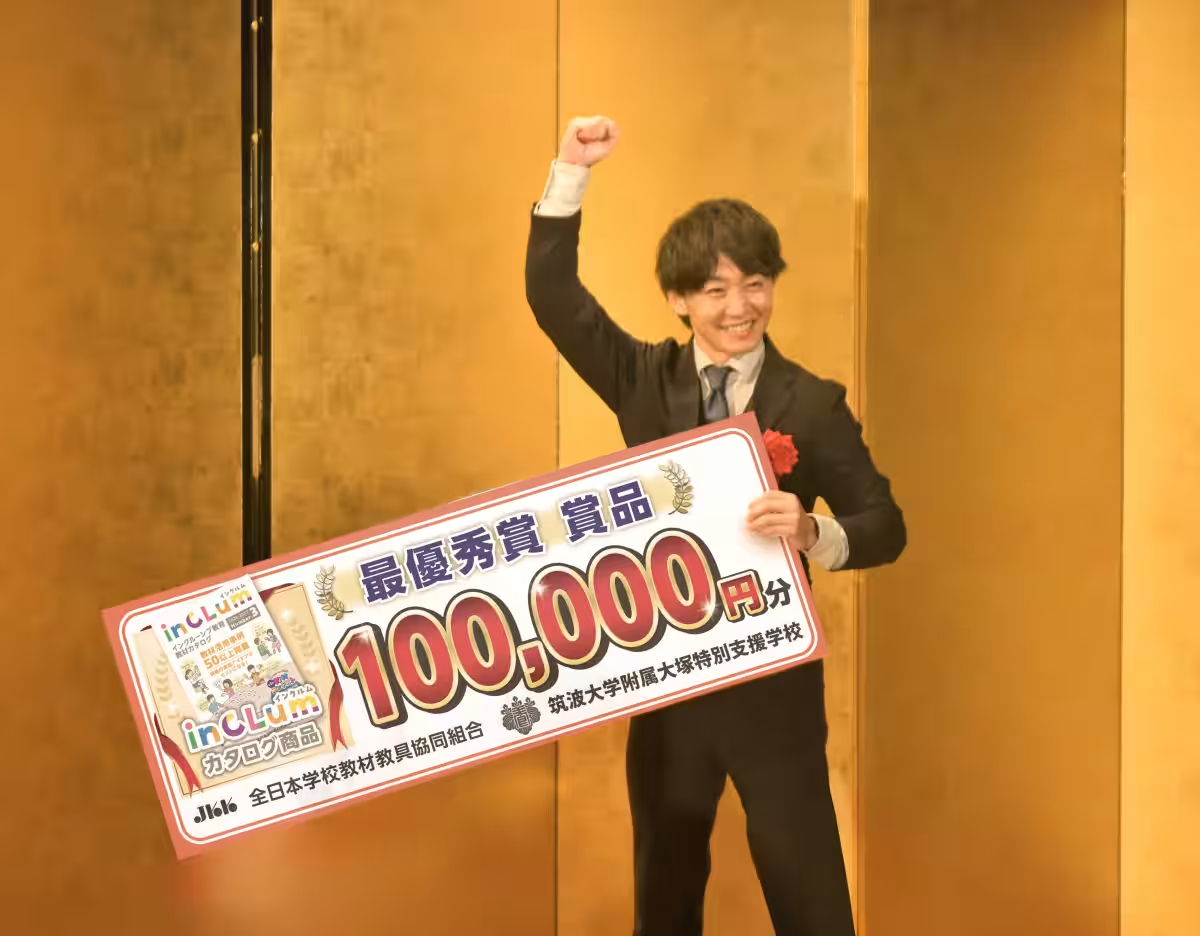
Judged by a qualified panel, the contest recognized the top entries through a rigorous selection process, culminating in a formal award ceremony where various awards, including the highest honor, were presented.
Award Winners
Grand Prize
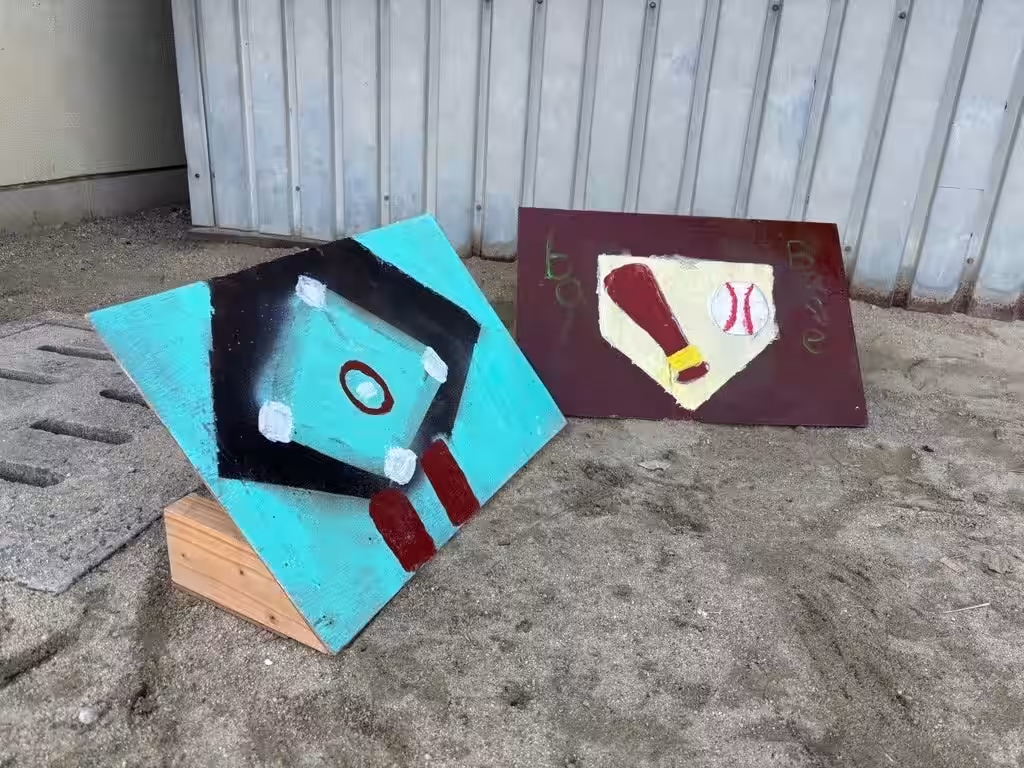
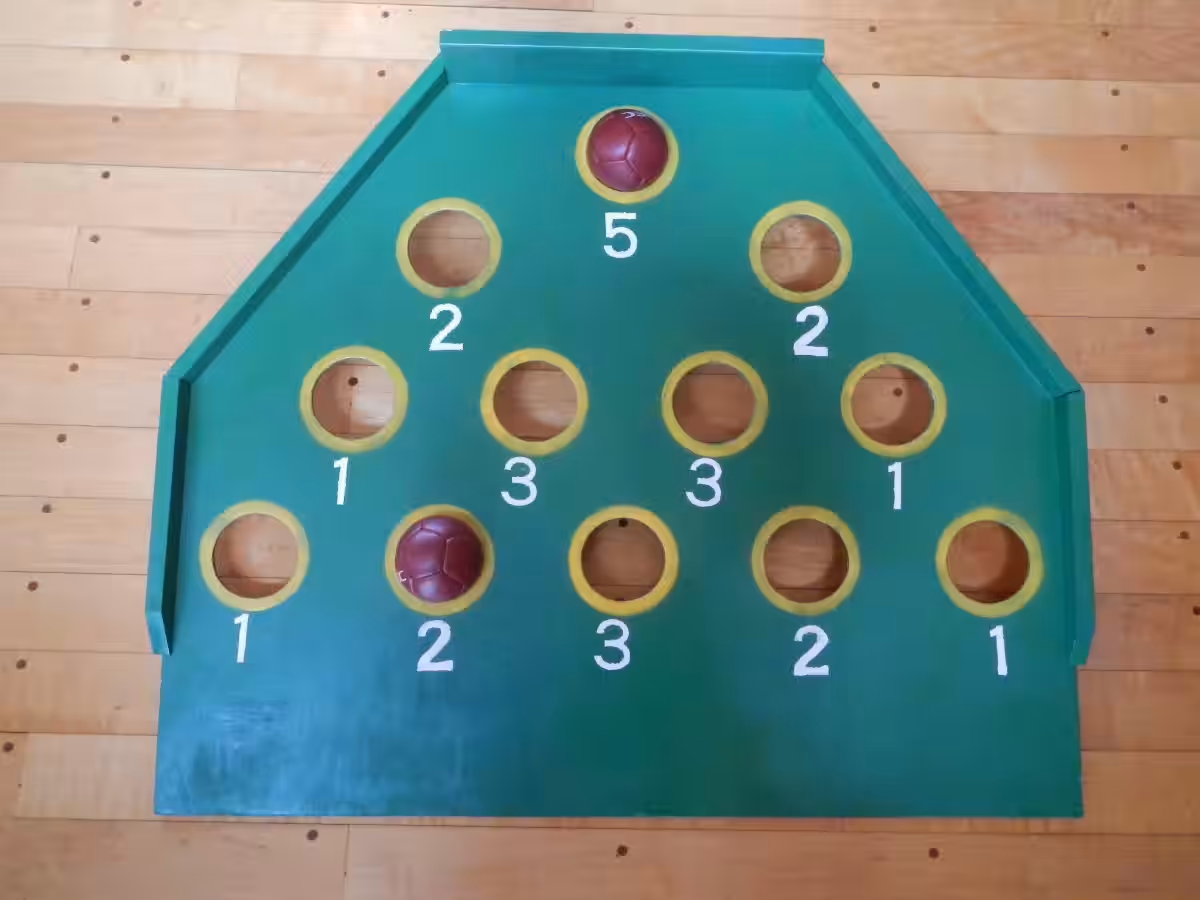
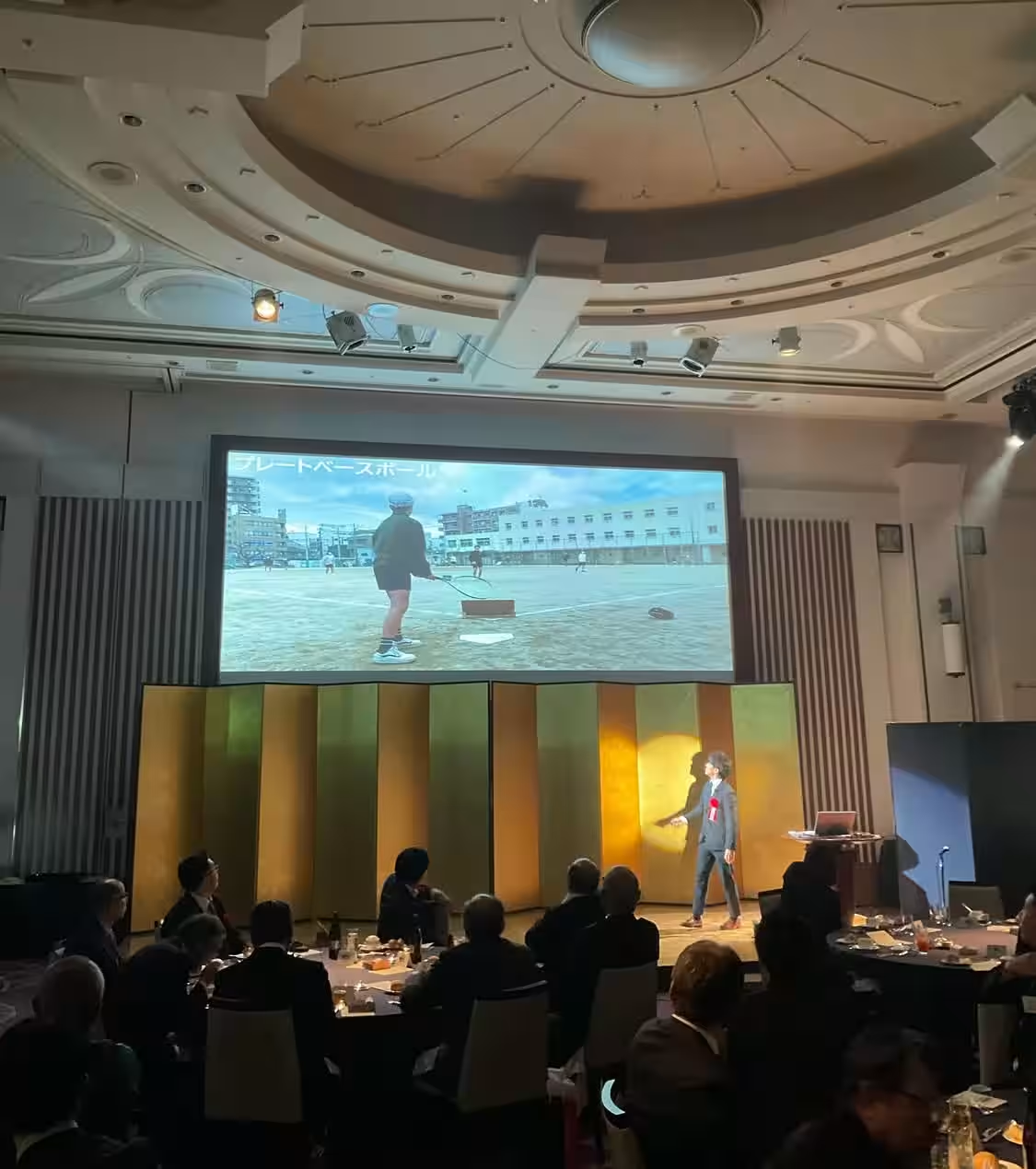
The prestigious Grand Prize was awarded to Yuki Maejima of Osaka City North Kanafuna Elementary School for her inventive baseball-themed learning tool: Plate Baseball. This innovative educational material allows children to engage in baseball-like activities, catering to varied skill levels and encouraging all children to participate, regardless of their background in sports. By rolling a ball to a plate that bounces it at a predictable height, students find it easier to time their swings and experience success in their movements. This project’s core ambition is to foster a more inclusive physical education environment, allowing children to engage in various roles beyond mere players – such as strategizing and supporting their peers.
Excellence Awards
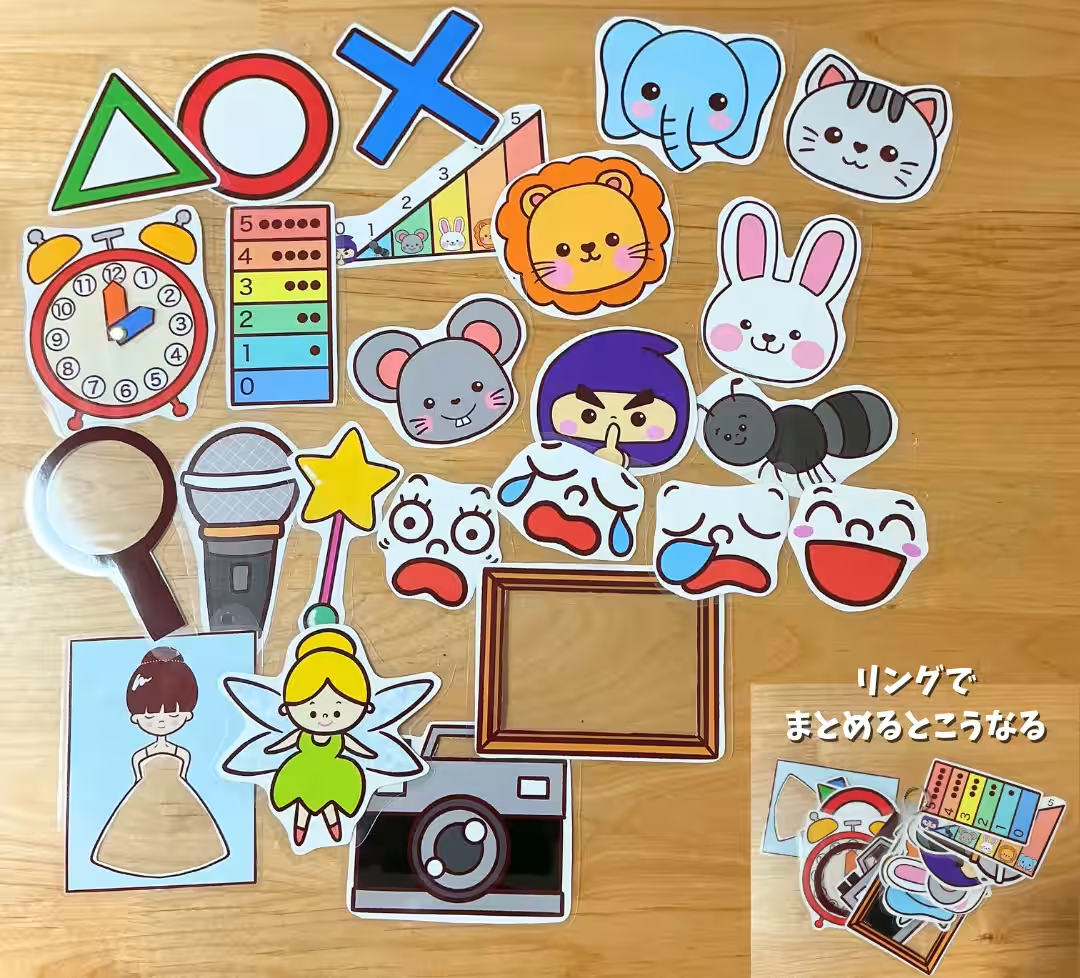
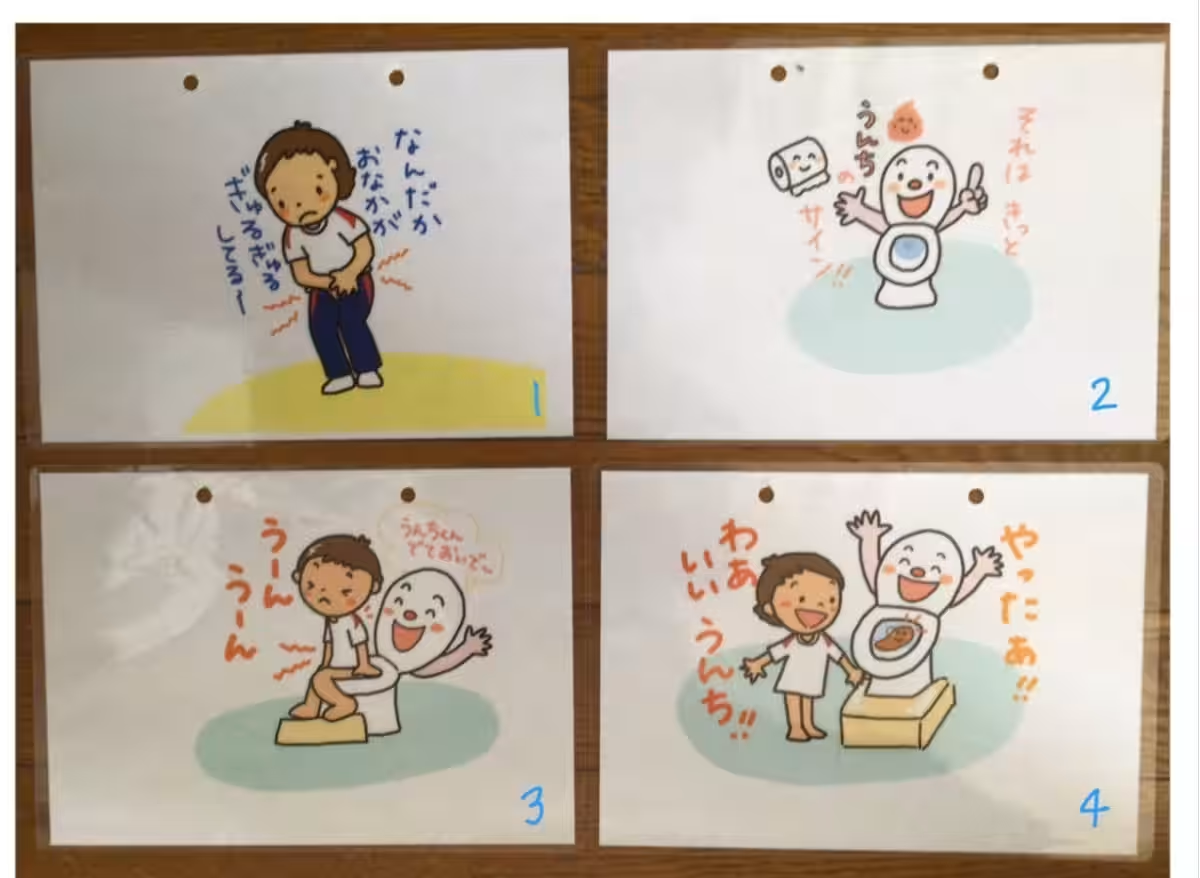
Five Excellence Awards were granted, among which included the Secret Tools for Childcare by Maya Suzuki. Designed for preschoolers, this material aims to facilitate communication and comprehension through visual aids, ensuring both educators and children can enjoy and move smoothly through educational activities.
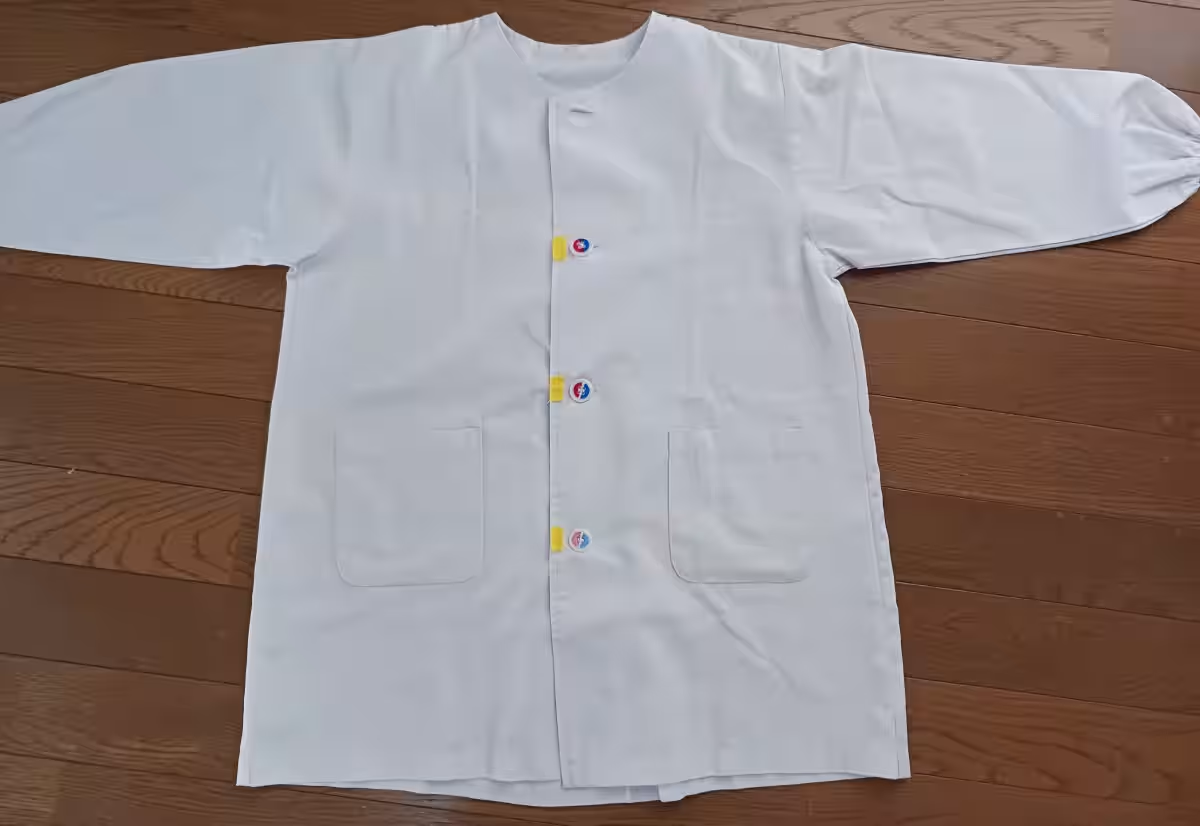
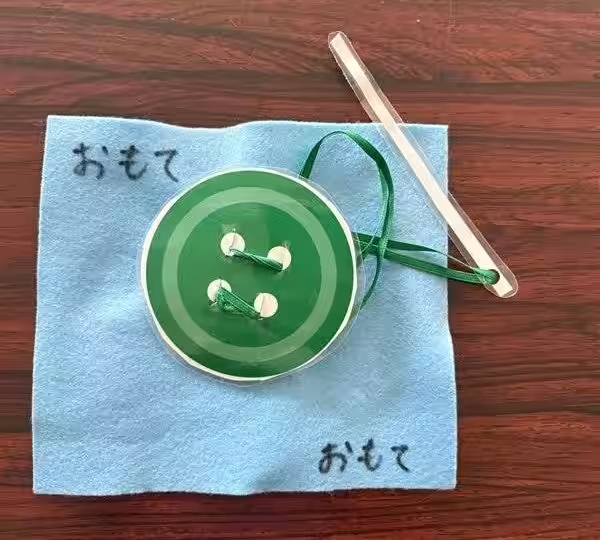
Another notable entry was the Button Practice Kit by Yoko Akamatsu from Odawara City Toyokawa Elementary School. This tool concentrates on helping children understand the process of buttoning and unbuttoning, focusing on skill enhancement over mere practice.
Special Awards
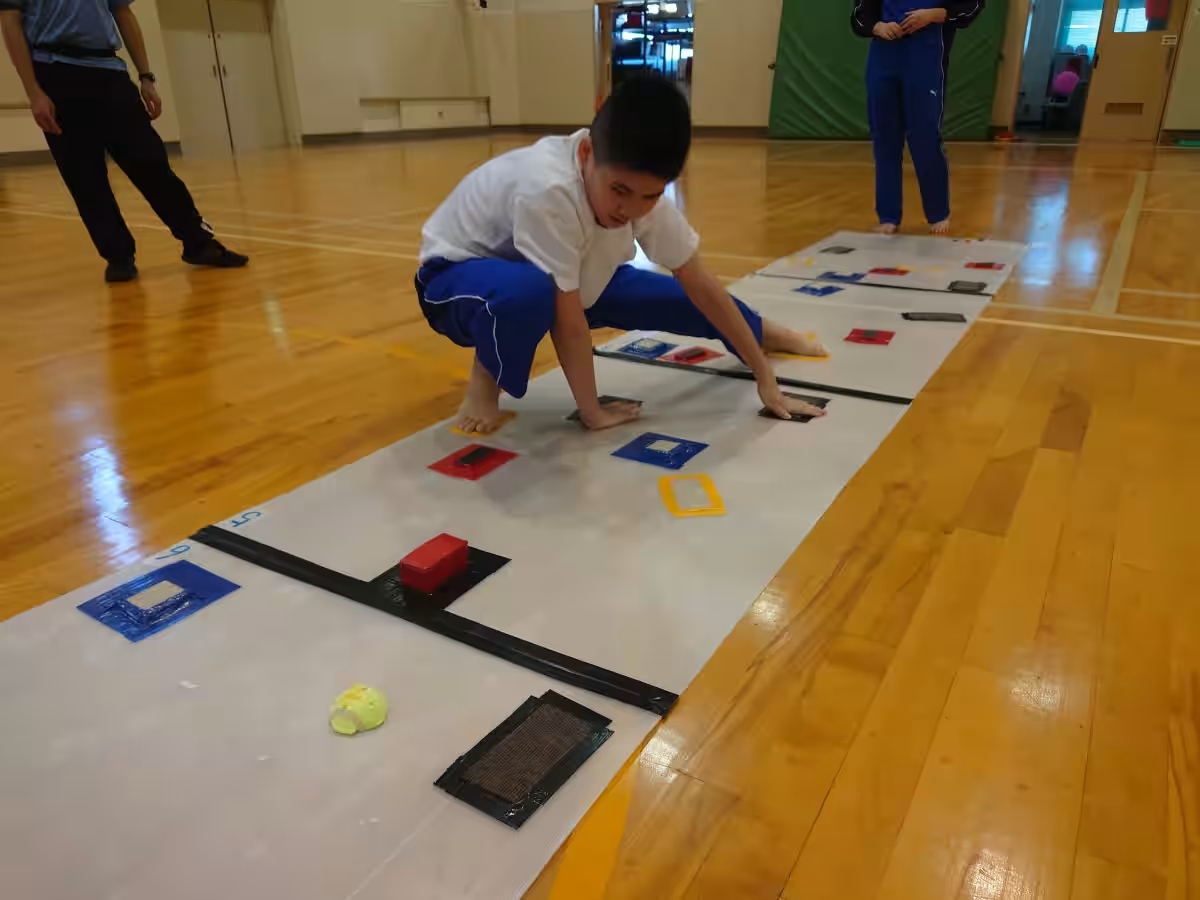
Additionally, special recognition was awarded to creative projects such as Floor Climbing by Kenji Tamamoto from Fukui Prefectural Blind School, highlighting the necessity of universal materials that accommodate all kinds of learning abilities.
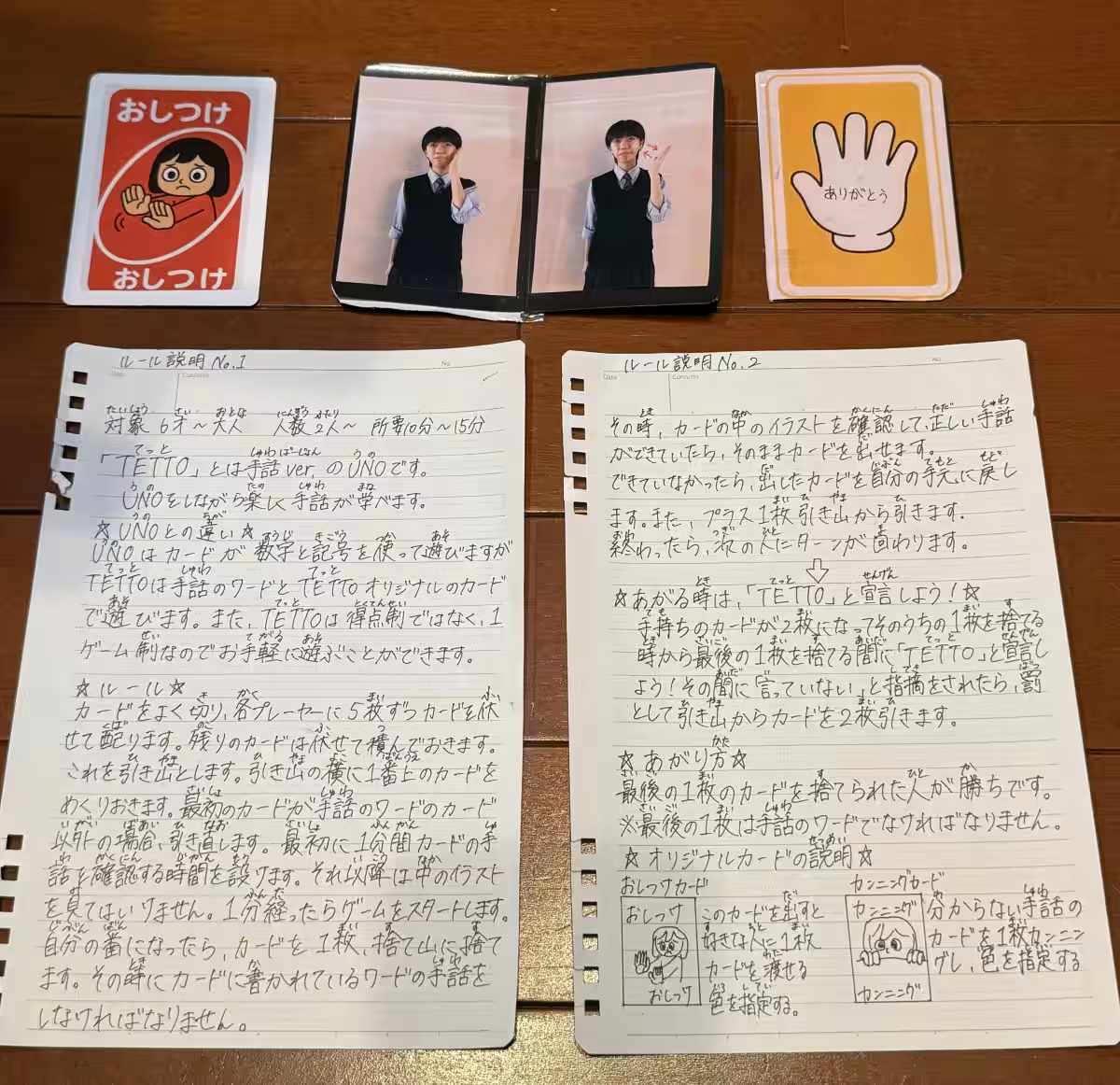
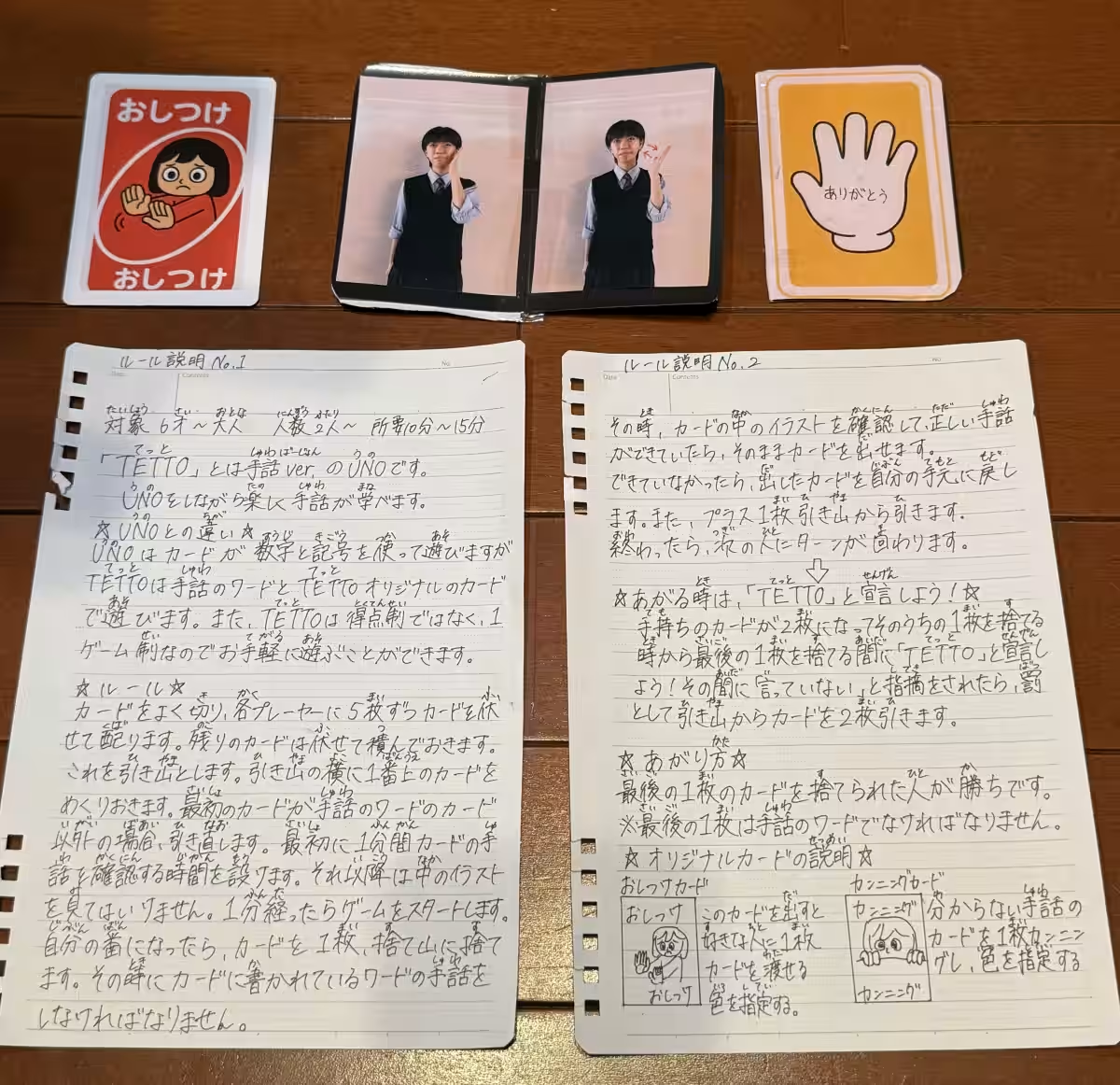
A Special Award was also given to TETTO from the Chiba Eiwa High School students, promoting the idea of learning sign language through fun and accessible methods. This initiative aims to lower barriers for individuals wanting to explore sign language while promoting social engagement.
Program Outlook
As the contest concluded, all awarded projects will be under consideration for commercialization, and details about these inventive educational materials will be shared broadly to benefit the wider society. The organizers hope that showcasing these resources will further inspire educators and individuals to prioritize inclusivity in their educational practices.
The full list of winners and their projects showcases an array of innovative approaches to learning that cater to children with various needs, proving that with a bit of creativity and compassion, learning for all can be achieved.
The implementation of these tools could significantly enhance educational experiences in classrooms by ensuring every student can participate fully and joyfully in their learning journeys. The future looks bright for inclusive education with such innovative tools paving the way forward.
Topics People & Culture)
【About Using Articles】
You can freely use the title and article content by linking to the page where the article is posted.
※ Images cannot be used.
【About Links】
Links are free to use.