



The Importance of Communication Skills in English Learning: A Survey on Parents' Perspectives
Introduction
In an era where communication in English is increasingly vital due to globalization and the rise in international visitors, a new survey sheds light on how parents perceive their children's English learning. Conducted by Native Camp Co., Ltd., renowned for its unlimited online English conversation services, this research aims to uncover the priorities of parents raising children in elementary, middle, and high school regarding their language education.
Survey Overview
The survey targeted 400 parents of school-aged children, combining Native Camp's educational expertise with insights from Boku to Watashi Co., Ltd., a marketing firm centered on Generation Z. As English becomes more integral to daily interactions, understanding parents' expectations is crucial.
Key Findings
1. Emphasis on Communication Skills
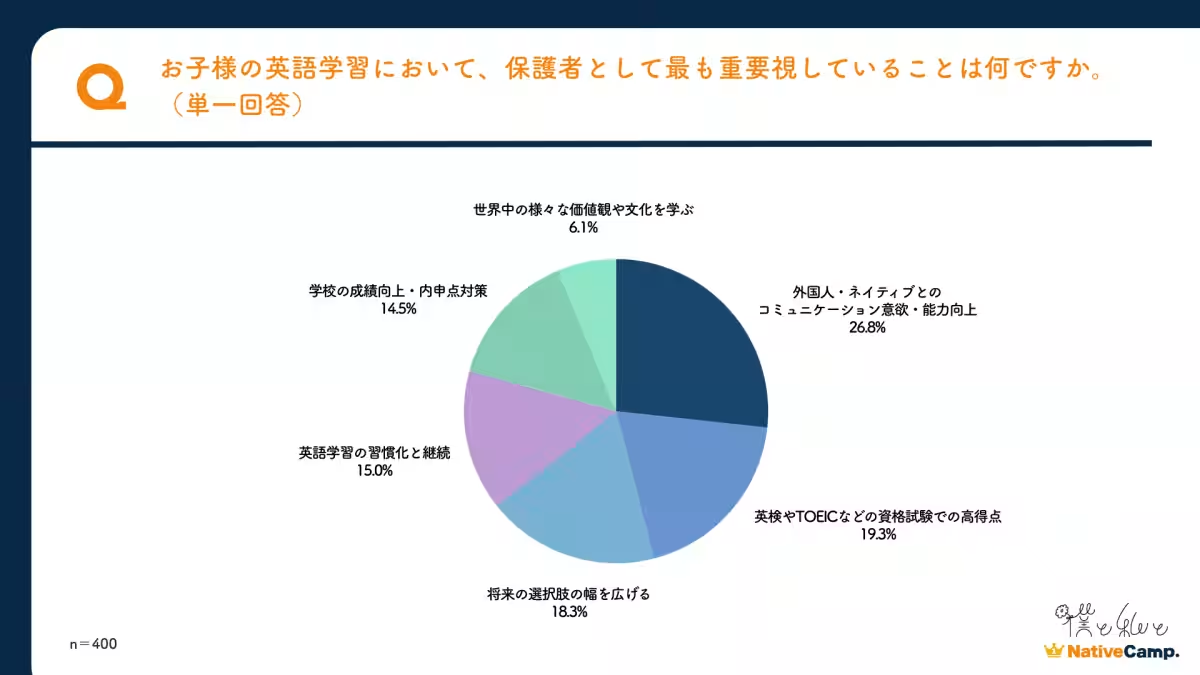
An overwhelming majority of parents (26.8%) indicated that enhancing their children's ability to communicate with native speakers is their top priority. This underscores a desire not just for language proficiency but for functional communication in real-world contexts.
2. Native Speaker Interaction
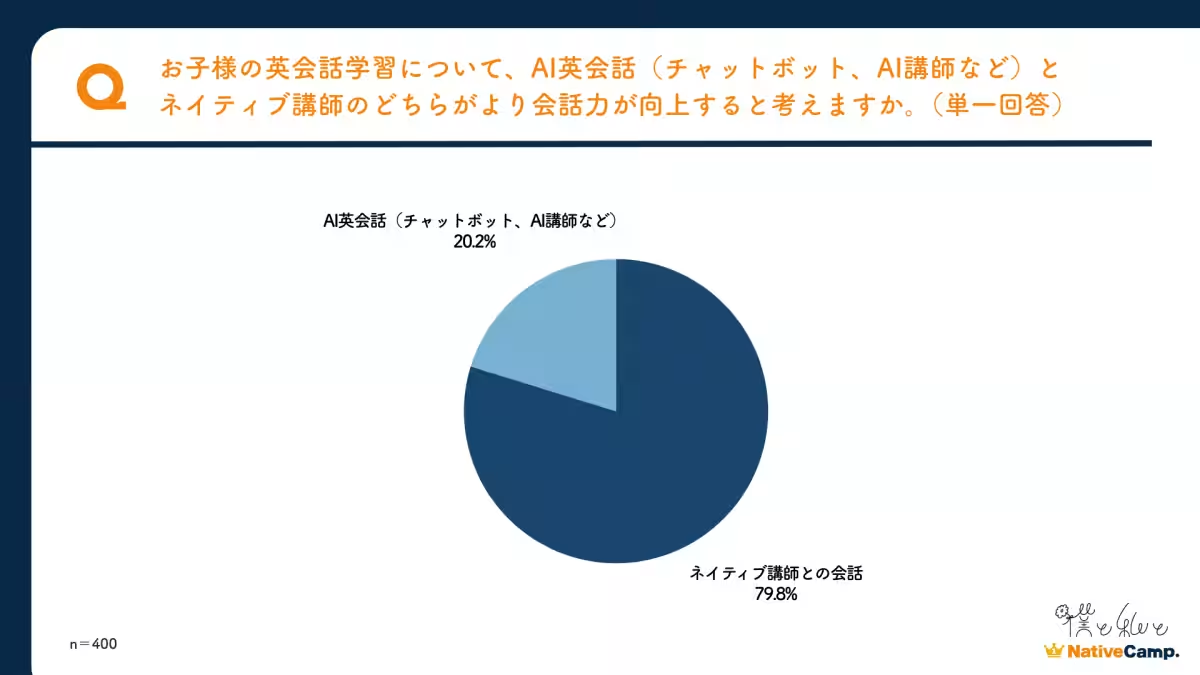
Approximately 80% of respondents believe that conversing with native speakers significantly improves their children's speaking abilities. This finding highlights the perceived value of real-life conversations over AI-based learning tools.
3. Quality of Interaction Matters
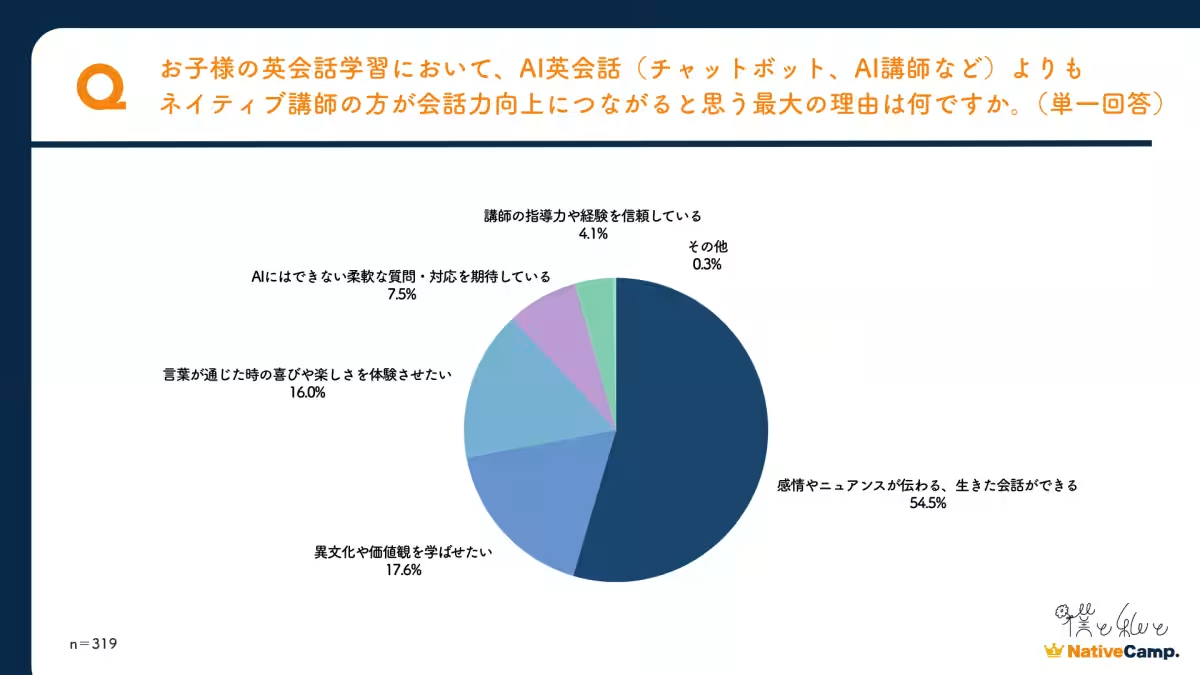
Among those preferring native instructors, over half (54.5%) emphasized the importance of "living conversations" that convey emotions and nuances. Parents also expressed a desire for their children to experience joy in communication through exchanges with native speakers, reinforcing the value of authentic interaction.
4. Concerns about AI Learning Tools
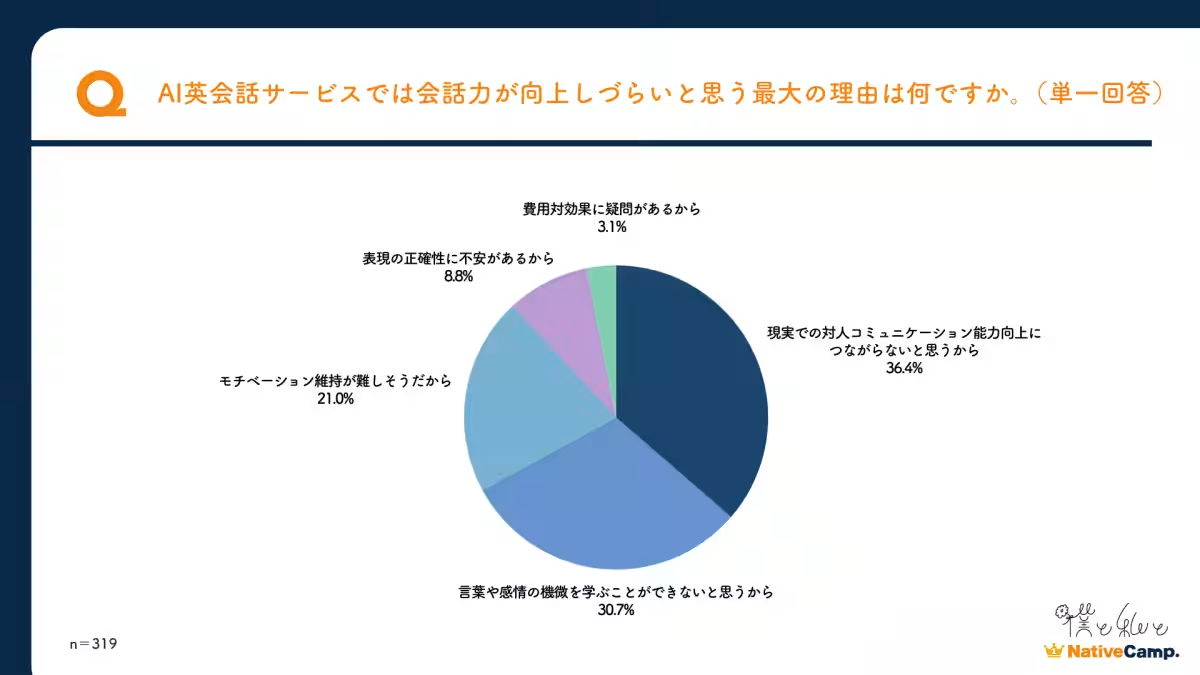
Parents who were skeptical about AI-based English conversation platforms pointed out their inability to foster real-life communication skills (36.4%). Concerns were raised about learning subtle linguistic cues (30.7%) that are essential when engaging in conversations with real people.
5. AI as a Supplementary Tool
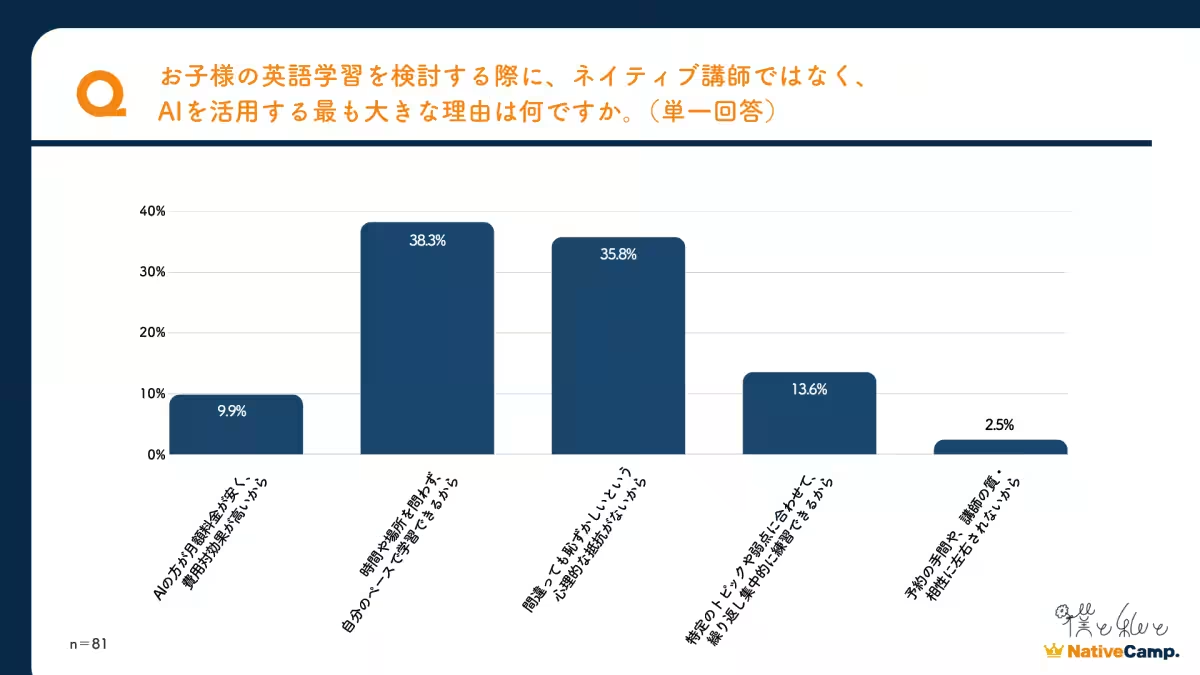
Despite its limitations, many parents appreciate AI conversational tools for their convenience, allowing children to learn at their own pace without the pressure of making mistakes (35.8%). It appears that while AI is helpful as a preliminary step in learning English, parents view it as a stepping stone towards more substantial interactions with native speakers later on.
6. Ideal Starting Age for English Learning
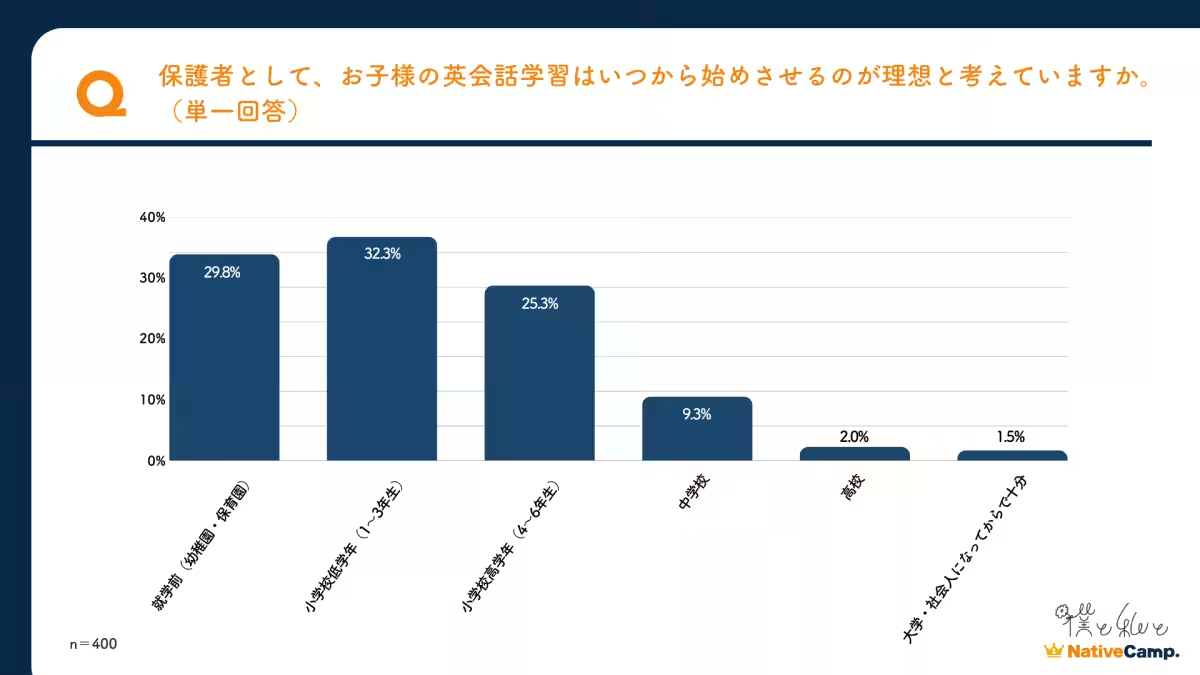
The survey revealed that many parents (32.3%) believe the ideal age to start English conversation lessons is during the early elementary years (grades 1-3). This reflects a wider trend of encouraging young learners to engage with English as early as possible.
Conclusion
The survey underscores a notable trend among parents valuing communication skills in English education. They recognize the significance of interaction with native speakers as a means to achieve genuine language acquisition and personal growth. As new tools like AI language apps emerge, parents are finding a balanced approach, incorporating both technology and real-world engagement in their children's English education. Native Camp, through its offerings, aligns well with these needs, providing an array of learning options tailored for different stages of language learning. By understanding these trends, educational platforms can better support parents in their quest to raise proficient, communicative English speakers.
About Native Camp
Native Camp is specializes in offering unlimited online lessons with native speakers, making English learning accessible and enjoyable for families. As part of their New Year's campaign, they are promoting various incentives to encourage new enrollments and support families embarking on their English learning journey. For more detailed insights about their services and campaigns, visit Native Camp.

Topics Other)
【About Using Articles】
You can freely use the title and article content by linking to the page where the article is posted.
※ Images cannot be used.
【About Links】
Links are free to use.