



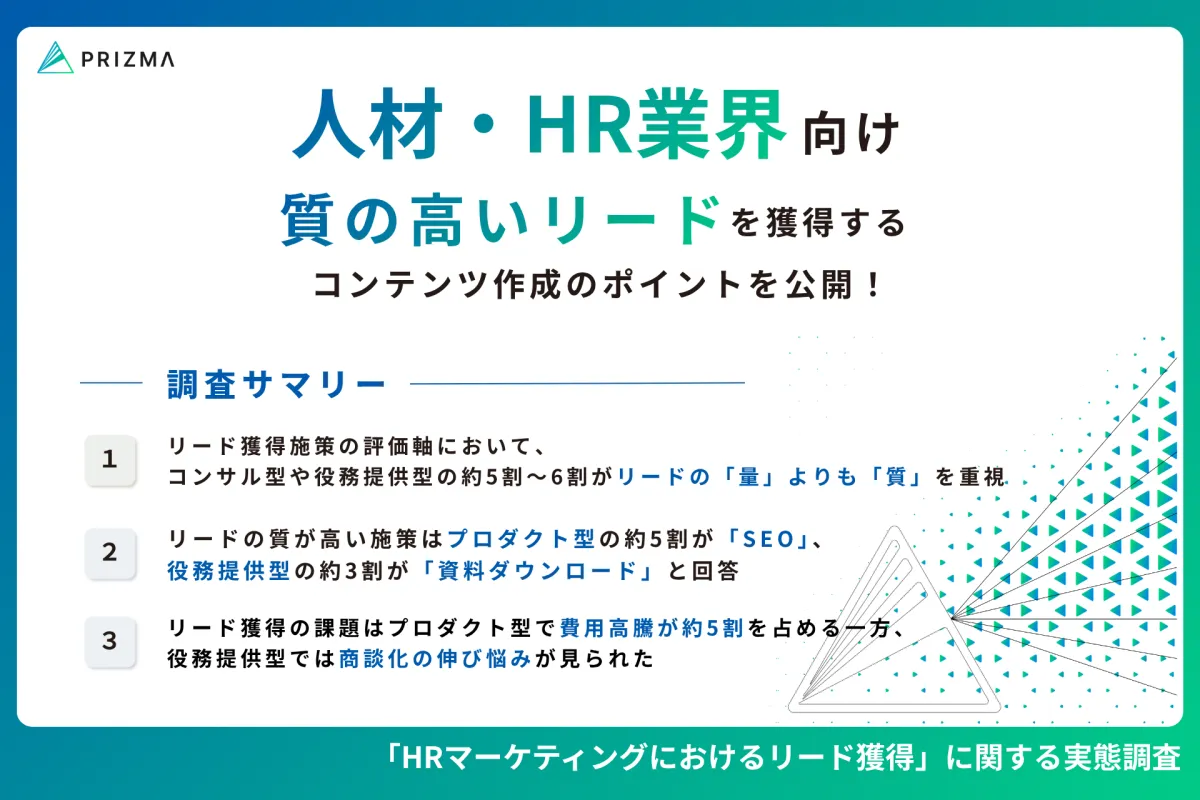
Understanding Lead Generation Strategies in the HR Marketing Landscape: Insights from PRIZMA's 2026 Survey
Insights into Lead Generation in the HR Industry
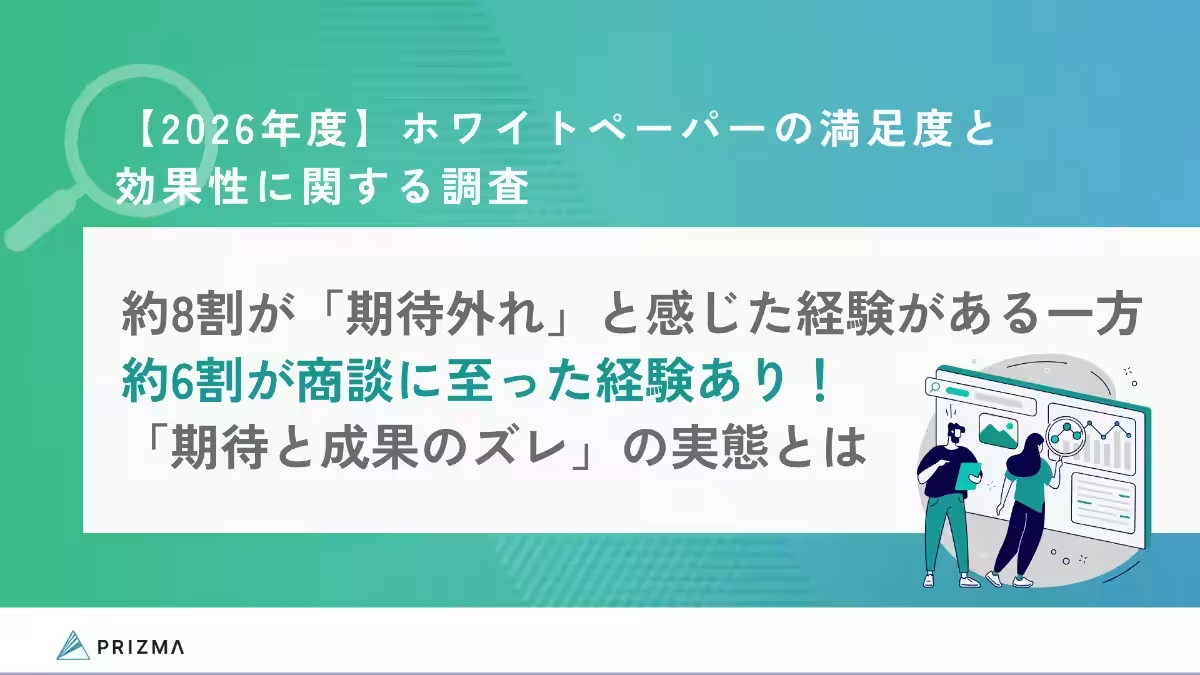
In a rapidly evolving HR landscape, the demand for effective lead generation strategies has never been more critical. PRIZMA, a leader in marketing consultancy, conducted an extensive survey in August 2026, targeting marketing officers and managers within the HR sector. This study involved 1,004 participants who are directly engaged in marketing activities and possess insights into lead generation needs, targets, and engagement timings.
Key Findings from the PRIZMA Survey
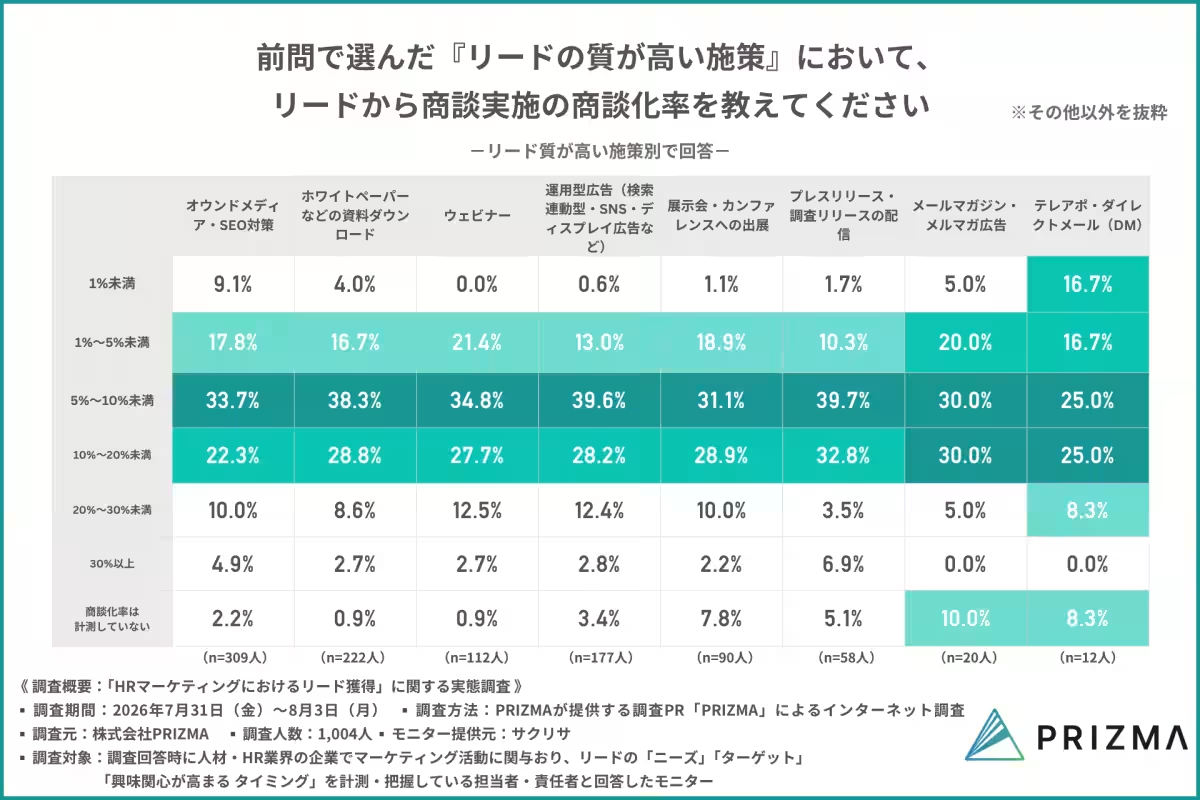
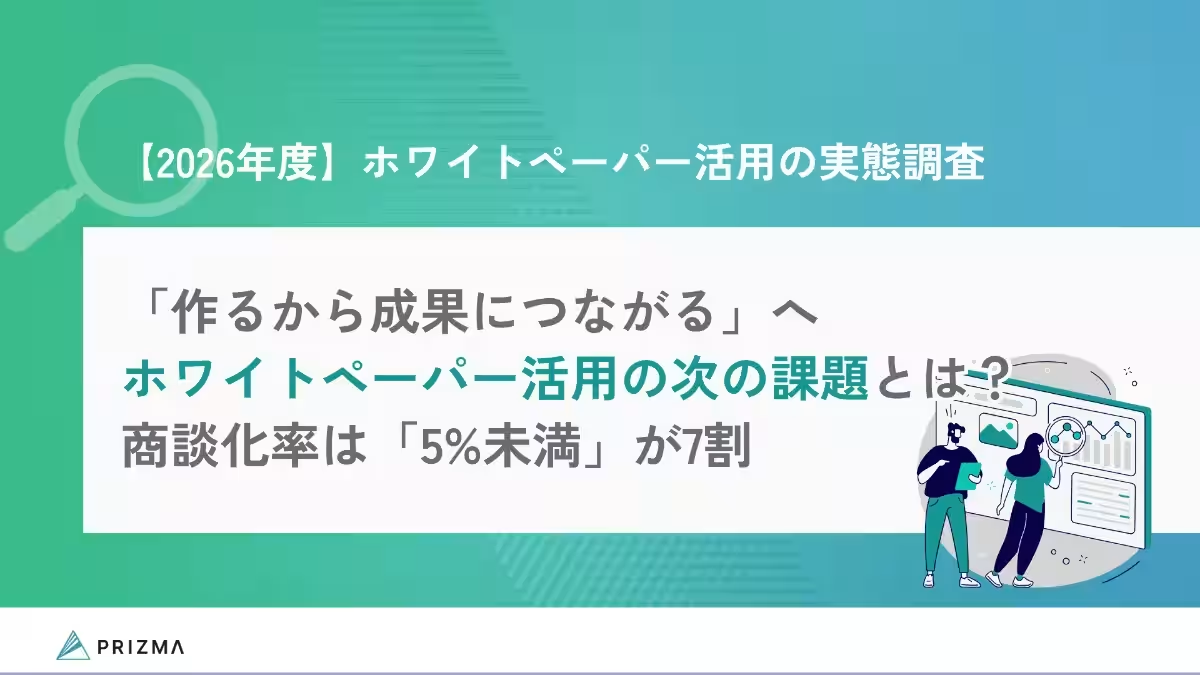
According to the survey, a standard conversion rate for lead generation in HR is less than 5-10%. However, this varies significantly across different service categories and indicates a fundamental issue within lead acquisition tactics.
Regular Lead Generation Strategies
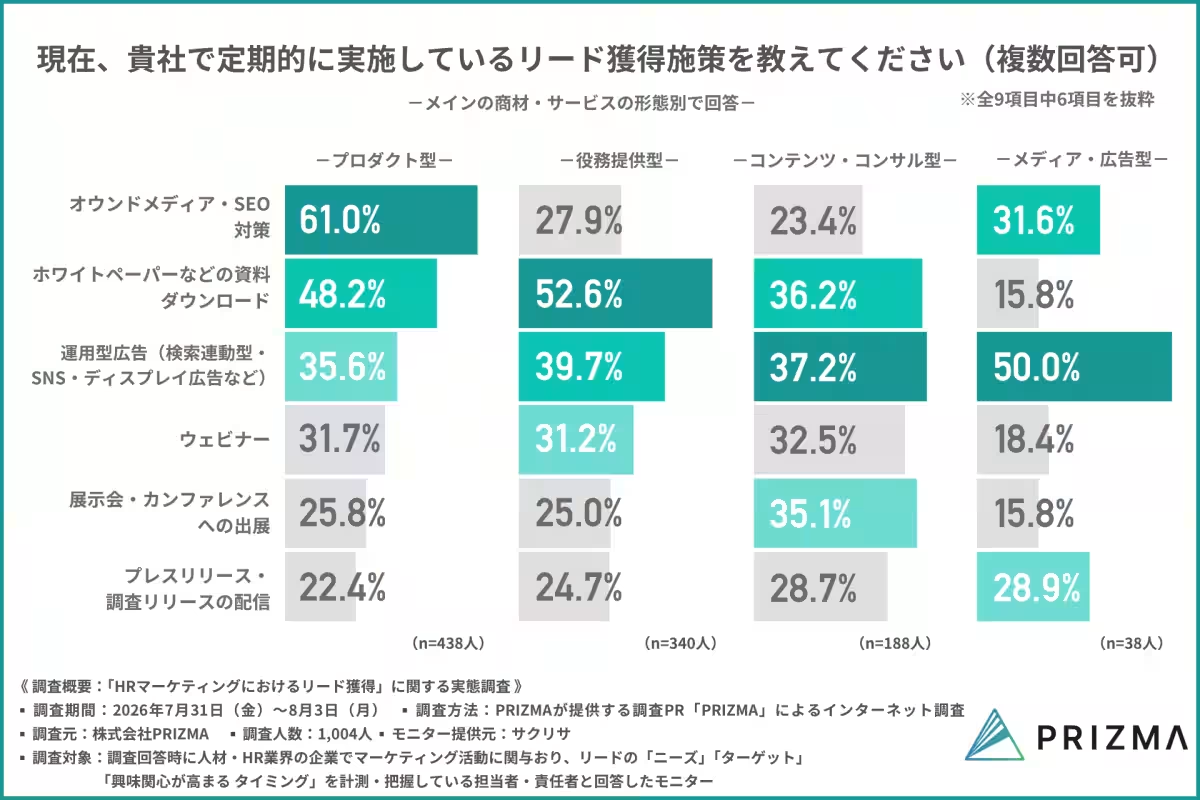
PRIZMA’s data reveals that among those participating in product-oriented services, owned media and SEO practices are prevalent at 61.0%. For those focusing on service offerings, materials for download lead at 52.6%. It’s evident that companies have different strategies based on their business models.
Challenges in Lead Generation
The survey highlights several pain points:
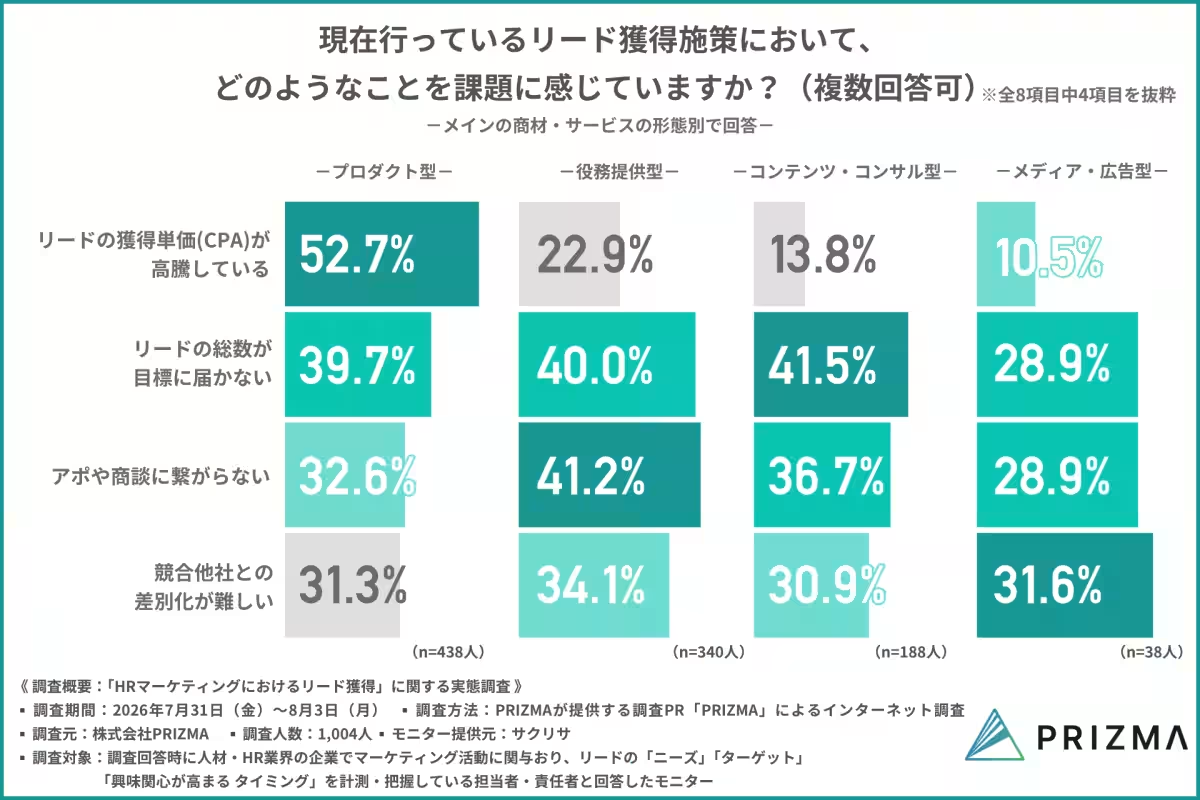
- - For product-based services, a major concern is the rising cost per acquisition (CPA), cited by 52.7% of participants.
- - In contrast, service-based entities are grappling with the challenge of leads not converting into appointments or meetings, as mentioned by 41.2% of respondents.
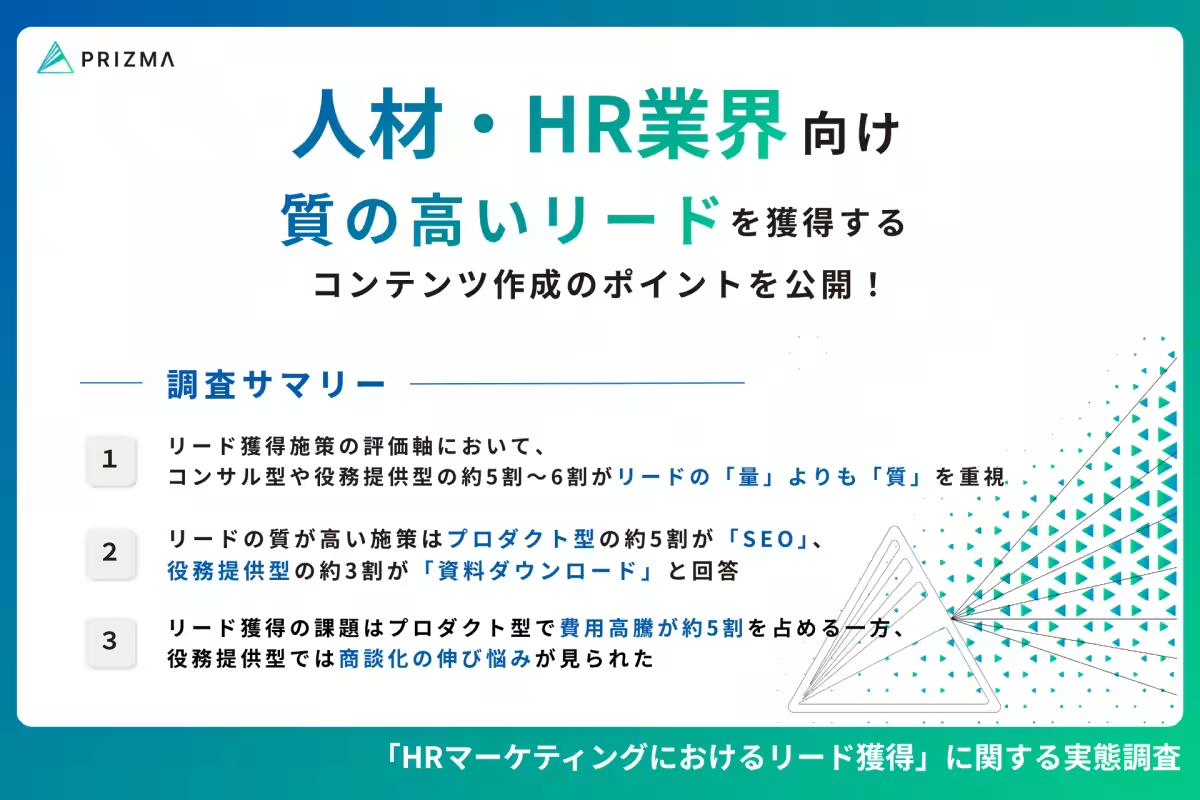
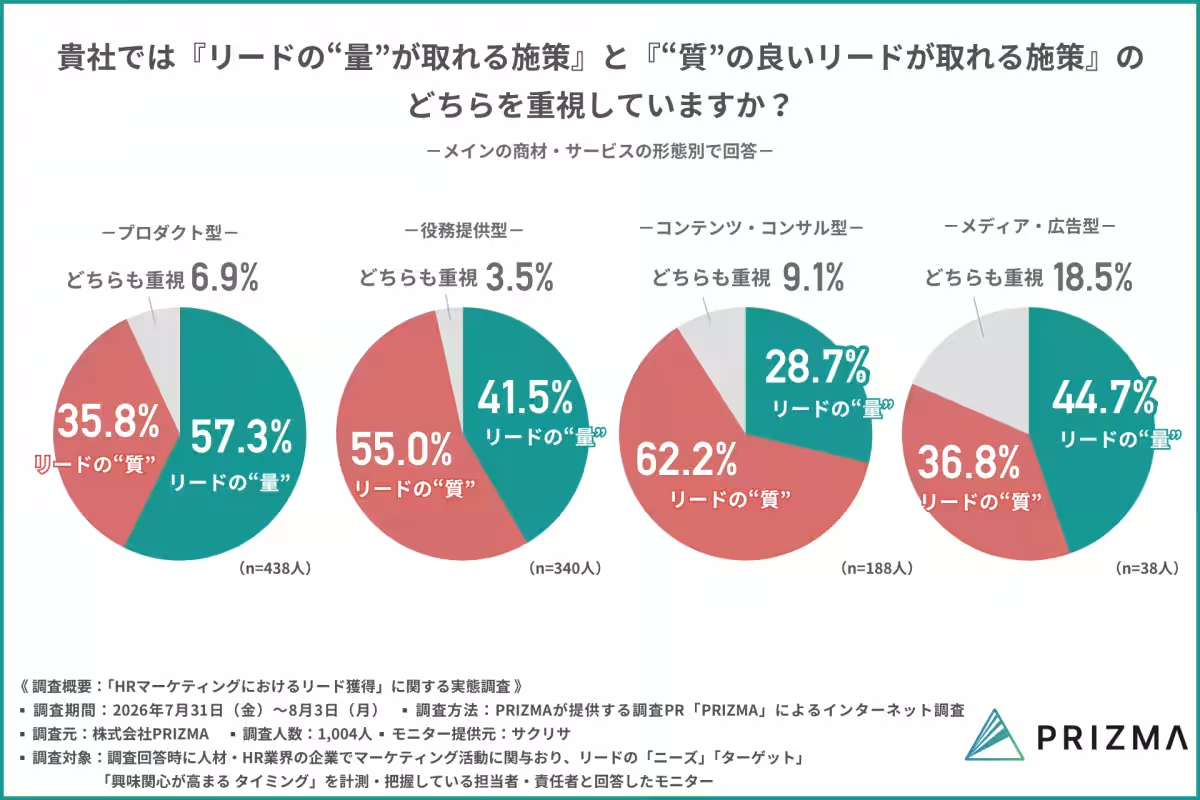
- - Furthermore, many professionals are focusing on lead quality rather than sheer volume, with 55.0% emphasizing this in service-providing models.
Quality Over Quantity
Significantly, the survey indicates a shift towards valuing lead quality. Among consultancy-oriented services, 62.2% prioritize obtaining high-quality leads, reflecting a trend where individual consultation and trust are essential for closing deals. This contrasts with product-oriented services, where a focus on lead volume remains apparent, as many SaaS companies leverage segmented marketing teams to boost outreach efficiency.
Effective Strategies for High-Quality Leads
Participants cited particular strategies as most effective for high-quality leads:
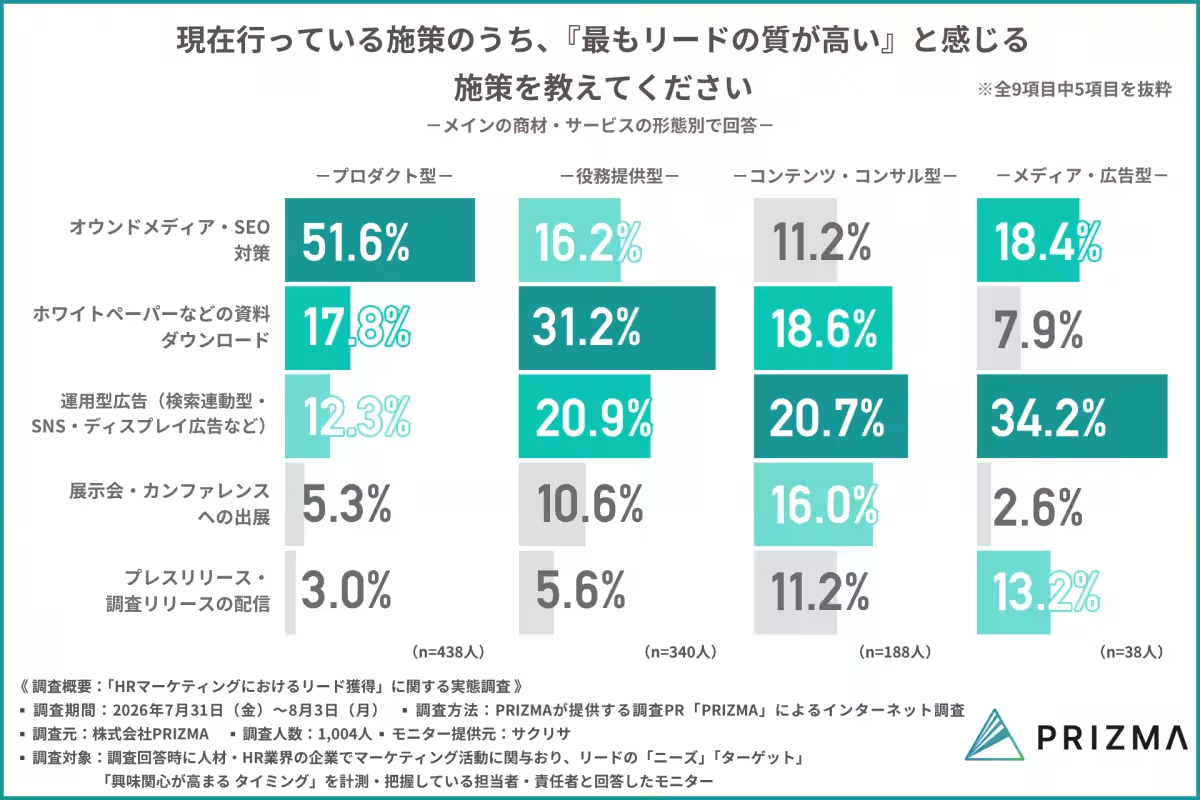
- - For product-based models, SEO and owned media are seen as leading measures (51.6%).
- - In the service sector, downloadable white papers are considered nearly as effective (31.2%).
These approaches demonstrate the need for ongoing engagement and thoughtful content creation tailored to user needs.
Conversational Rates and Client Engagement
Interestingly, the survey disclosed that even successful lead generation strategies yielded conversion rates averaging between 5% and 10%. For instance, white papers and SEO-driven leads showed results that imply a mix of serious inquiries and informational seekers, often resulting in diluted engagement.
Moving Forward with Lead Generation Strategies
The study concluded by encouraging businesses to reassess their lead generation strategies. Companies whose lead conversion rates sit below the 5% mark should re-evaluates their tactics against industry norms. Emphasizing high-quality lead generation practices catered to specific business models and target audiences emerges as a vital point for future success.
For further insights and detailed data, interested professionals are invited to download the comprehensive survey report. By understanding the intricacies of lead generation in HR, stakeholders can better strategize their marketing efforts, ensuring an effective approach to lead acquisition in an increasingly competitive landscape.
For more detailed analyses and further reading, access PRIZMA's resource portal and explore tailored marketing solutions that empower your business in the HR sector.


Topics Consumer Technology)
【About Using Articles】
You can freely use the title and article content by linking to the page where the article is posted.
※ Images cannot be used.
【About Links】
Links are free to use.