



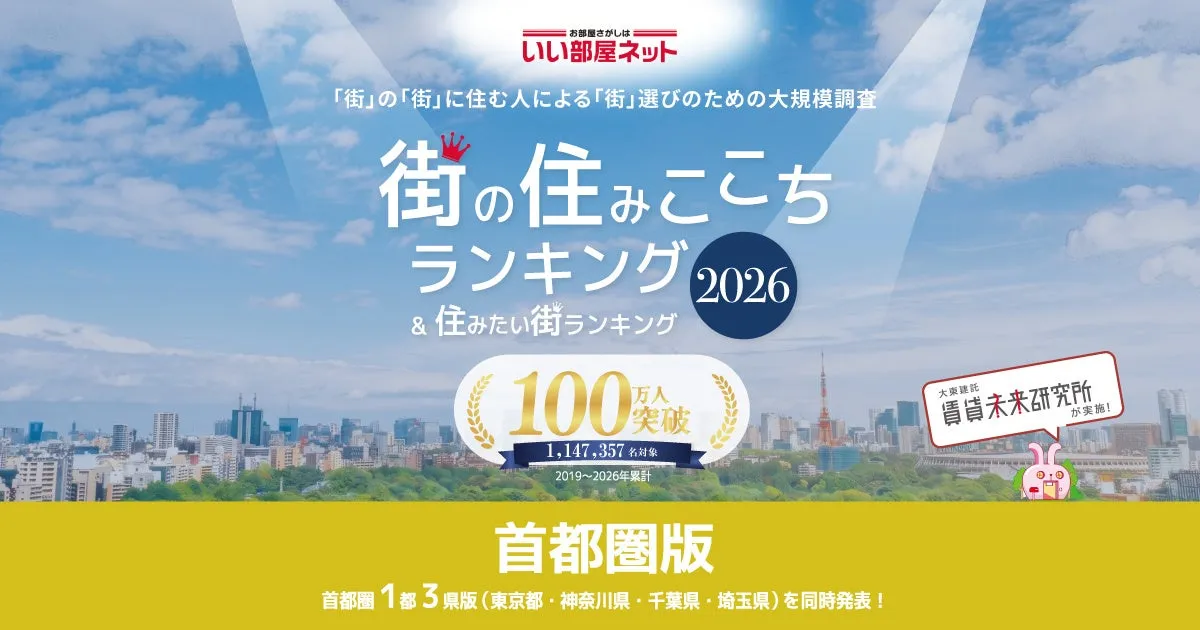
The Set of 2026 Tokyo Neighborhood Satisfaction and Desired City Rankings Revealed
2026 Tokyo Neighborhood Satisfaction and Desired City Rankings
Daito Kentaku Co., Ltd. (Headquarters: Minato-ku, Tokyo, CEO: Hiroshi Takeuchi) has conducted one of the largest surveys on residential satisfaction, compiling the "Great Room Network Neighborhood Satisfaction Rankings 2026 (Tokyo Edition)" and the "Great Room Network Desired City Rankings 2026 (Tokyo Edition)." This article outlines the findings from this comprehensive analysis, which incorporates feedback from a significant number of Tokyo residents.
Overview of Rankings
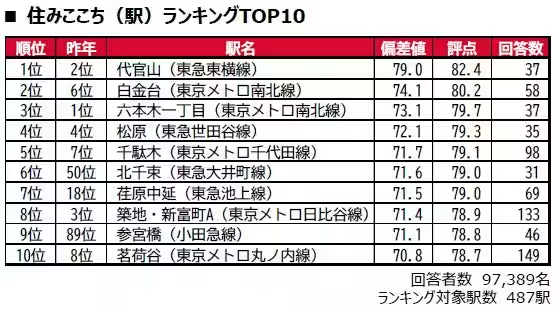
Top 3 Neighborhoods Satisfaction Rank (Stations)
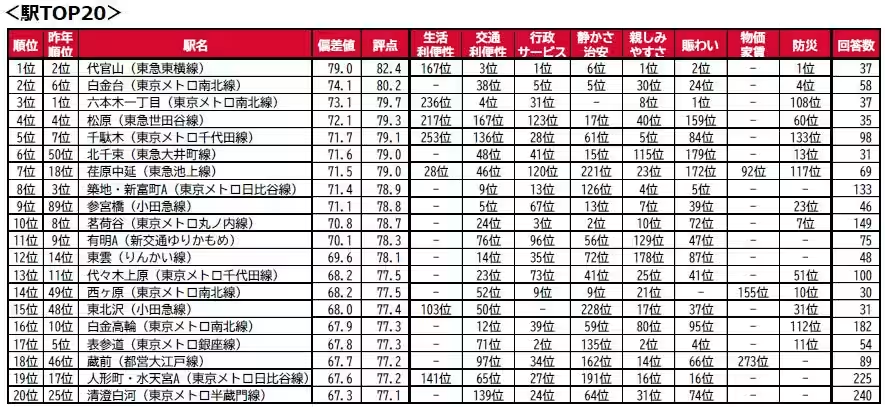
1. Daikanyama (Shibuya, Tokyu Toyoko Line) - Ascended from 2nd last year.
2. Shirokanedai (Minato, Tokyo Metro Namboku Line) - Improved from 6th in 2025.
3. Roppongi Ichome (Minato, Tokyo Metro Namboku Line)
- These areas received high marks for their administrative services and community feel.
Top 3 Desired Neighborhoods Rank (Stations)
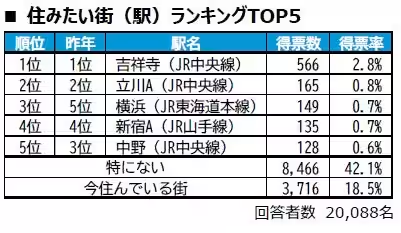
1. Kichijoji (Musashino, JR Chuo Line) - Marking 8 years at the top.
2. Tachikawa A (including Tachikawa, Tachikawa Kita, Tachikawa Minami) - A rise from 2nd last year.
3. Yokohama (Nishi Ward, Kanagawa, JR Tōkaidō Line) - Jumped from 5th last year.
These rankings reflect the preferences and satisfaction of residents and aim to assist potential movers and policymakers in understanding the dynamics of urban living in Tokyo.
Full Rankings and Exceptional Factors
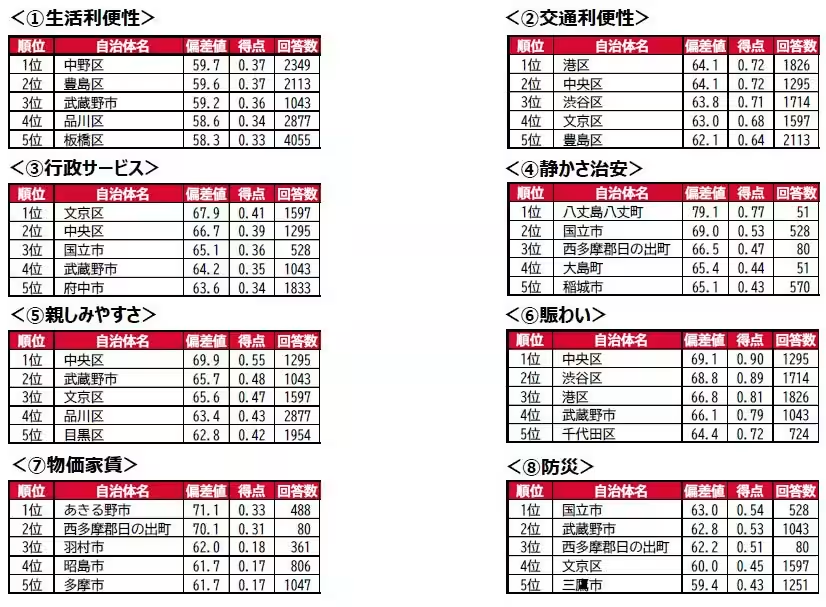
Neighborhood Satisfaction (Stations) - Factor Insights
- - Daikanyama excels in administrative services and community feel - both scoring in the 80s on a scale of 100.
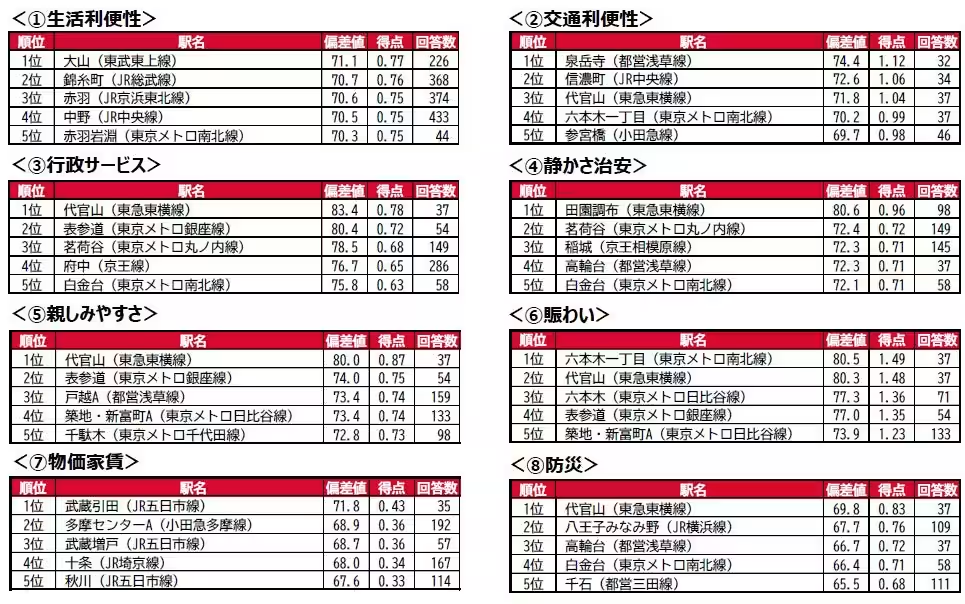
- - The importance of convenience of living reflects in areas with community stores and shopping centers such as Akabane and Kinshicho.
- - Stations in quieter, nature-integrated residential areas, like Denenchofu and Myogadani, garnered high scores for safety.
- - Urban centers with rich amenities, like those in Roppongi and Omotesando, earned strong ratings for liveliness.
Desired Neighborhoods Insights
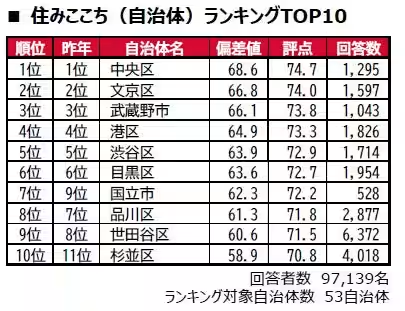
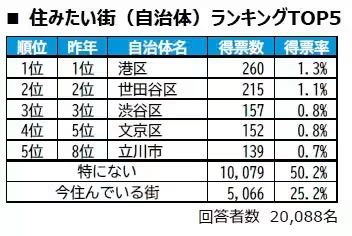
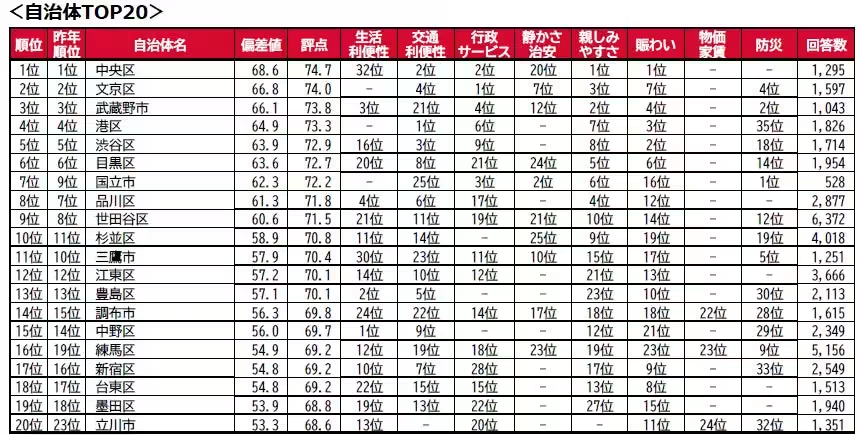
- - The Central Ward ranks first overall in satisfaction for the eighth consecutive year, lauded for community friendliness and vibrancy.
- - Notably, areas like Musashino continue their trend of desirability, reflecting a strong preference for community-based living with access to necessary amenities.
- - High scores for safety and quiet neighborhoods were recorded in locations like Hachijo-jima and Nishi-Tama, pointing to the growing demand for peaceful living spaces.
Methodology & Response Size
The research conducted involved an extensive sample of 97,431 Tokyo residents aged 20 and over, reflecting a diverse demographic spread:
- - Gender: 51.8% male, 48.2% female.
- - Marital Status: 44.5% unmarried, 55.5% married.
- - Children: 53.1% without, 46.9% with children.
- - Generational Breakdown: 13.3% in their 20s, increasing proportions through to the 70s.
The data collection spanned several years, with multiple surveys conducted specifically during the months of February to March each year from 2022 to 2026, allowing for a comprehensive view into changing trends over time.
Conclusion
This extensive evaluation provides valuable insights into what residents appreciate in their neighborhoods, assisting those looking to move within Tokyo and giving municipal governments feedback on resident satisfaction and areas for improvement. As we look ahead, the implications of these findings could help shape future city planning and community building efforts across the capital.
For more details, you can visit the official site here.

Topics Consumer Products & Retail)


【About Using Articles】
You can freely use the title and article content by linking to the page where the article is posted.
※ Images cannot be used.
【About Links】
Links are free to use.