



PowerX, Nishimu Electronics, and Marubeni Power Launch Innovative Solar Battery Package
Introduction
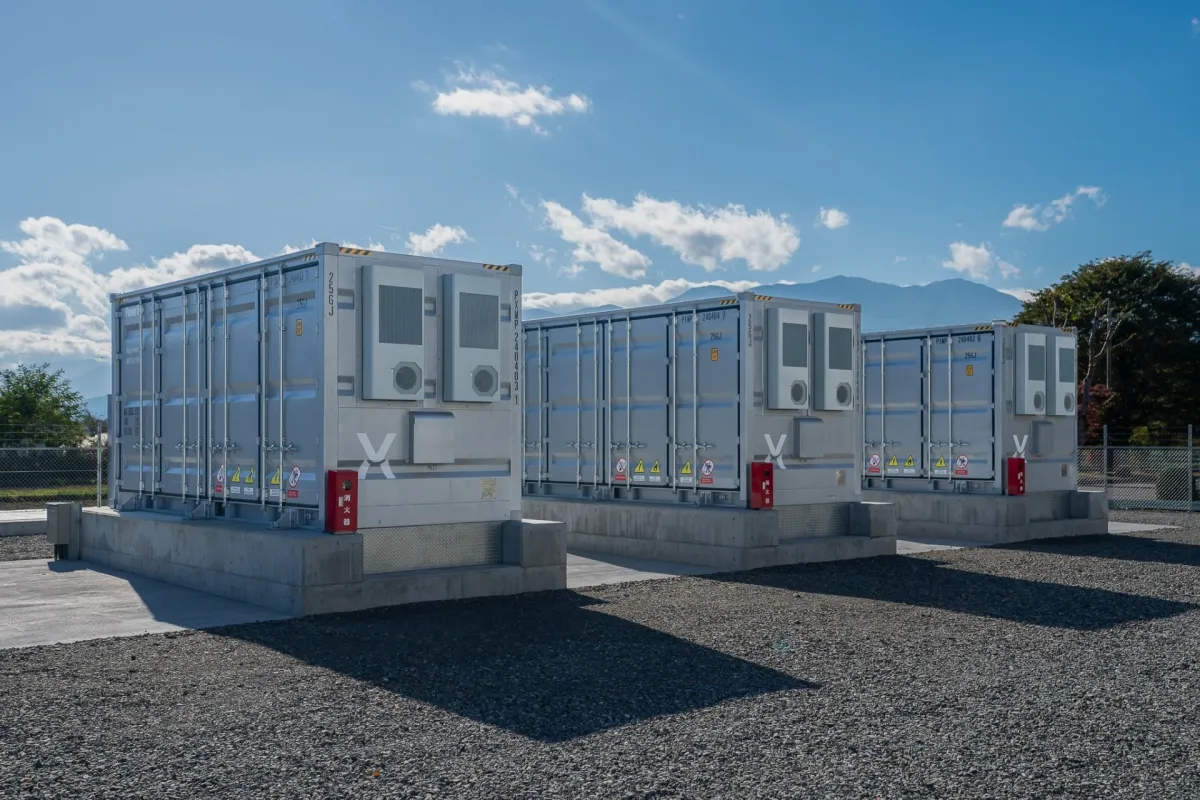
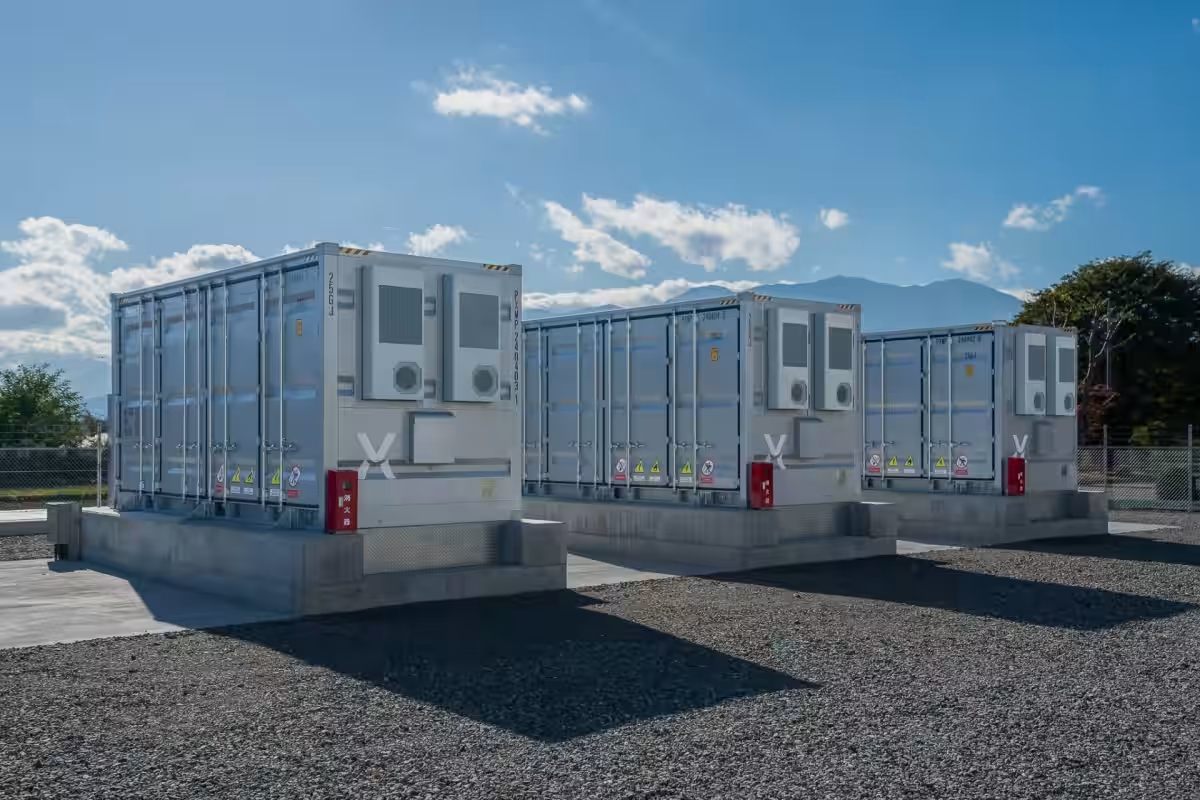
In a collaborative effort to enhance renewable energy solutions, PowerX, Nishimu Electronics, and Marubeni Power have introduced a new package focused on solar battery technology. This innovation incorporates PowerX's advanced storage solution, the Mega Power 2500, to meet the growing energy demands while ensuring cybersecurity and efficiency in energy management.
Collaborative Framework
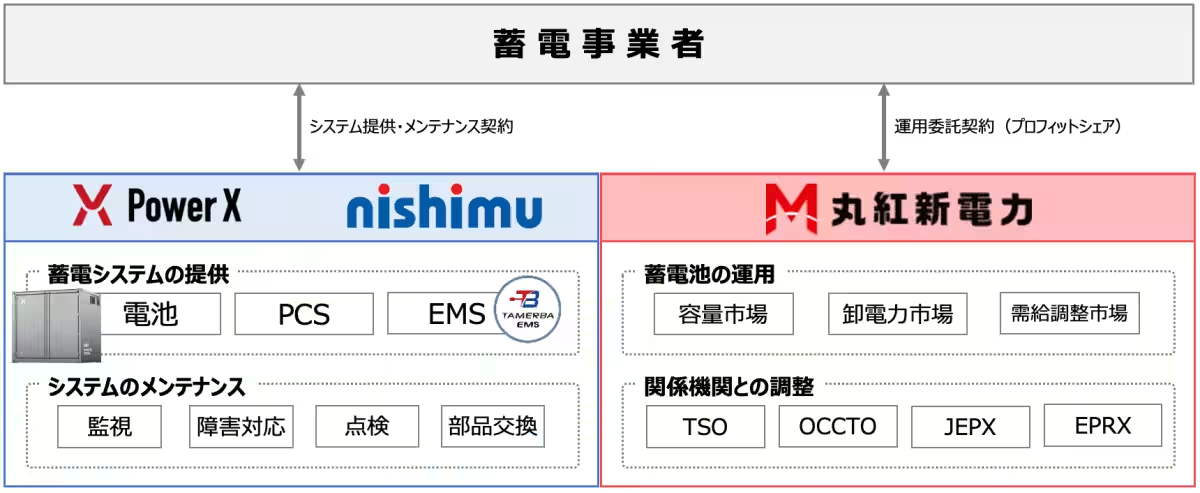
The collaboration amongst the three companies—PowerX located in Okayama, Nishimu Electronics in Fukuoka, and Marubeni Power in Tokyo—leverages their collective expertise in energy management systems (EMS) and their unique operational capabilities. By utilizing the Mega Power 2500 as the core component, the partners aim to provide a robust solution that not only addresses energy storage needs but also aligns with market expectations for reliability and security.
Features of the Mega Power 2500
The Mega Power 2500 is a state-of-the-art energy storage system that has obtained a Level 1 accreditation from the JC-STAR security evaluation system led by the Ministry of Economy, Trade and Industry of Japan. This certification underscores the system's compliance with stringent cybersecurity standards necessary for critical infrastructure, ensuring high operational reliability and a stable maintenance framework.
Operational Integration
The partnership between Nishimu Electronics and Marubeni Power focuses on integrating the Mega Power 2500 into the existing EMS, aimed at streamlining processes associated with grid access and power trading. Notably, this collaboration takes advantage of the established success at the Mimigawa Ina Power Storage Facility, where a previous installation has demonstrated over a year's stable operation in real grid operations. By leveraging prior experience, the partners can significantly reduce preliminary collaboration efforts, facilitating a smooth rollout and stable long-term performance of the new package.
Future Sustainability Goals
Looking ahead, the three companies are also committed to creating recycling schemes for used solar panels and batteries. This initiative reflects a shared ambition to address environmental challenges throughout the lifecycle of the products, from manufacturing to disposal, and further contributing to reducing the environmental impact. Collaborative discussions are currently underway to formulate effective recycling processes as part of their corporate social responsibility.
Conclusion
The introduction of this solar battery package represents a significant step forward in Japan's transition to sustainable energy solutions. By prioritizing innovation, security, and sustainability, PowerX, Nishimu Electronics, and Marubeni Power are not just responding to current market demands, but also setting a new standard for future energy management systems in Japan.
Through this partnership, customers can expect reliable, efficient, and environmentally conscious energy solutions as these companies pave the way for a greener future.
Topics Energy)
【About Using Articles】
You can freely use the title and article content by linking to the page where the article is posted.
※ Images cannot be used.
【About Links】
Links are free to use.