




Investors Adopting 'AI-Driven Investment' Face Critical Risks Unveiled in New Study
The Rise and Risks of 'AI-Driven Investment'
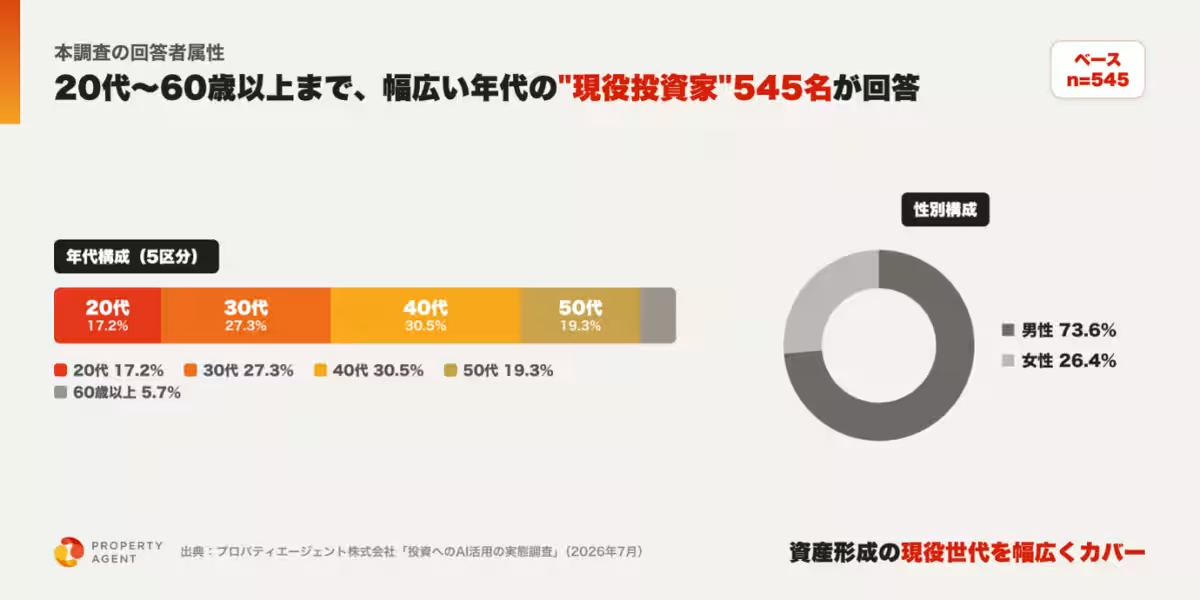
In the evolving landscape of investment, a recent survey conducted by Property Agent Co., Ltd., a subsidiary of Migalo Holdings, sheds light on the growing trend of 'AI-driven investment.' The survey questioned 545 individuals who have experience in investing and have received bonuses, revealing alarming statistics about reliance on AI tools such as ChatGPT and Gemini for making investment decisions.
The Backdrop of the Survey
The year 2024 marks the introduction of the new NISA (Nippon Individual Savings Account) system, sparking heightened interest in personal wealth growth among individual investors. As a consequence, many are now inclined to channel their summer bonuses into investments. However, the survey conducted in August 2025 depicted a concerning reality where about 80% of investors began investing 'just for the sake of it' and over 60% have faced losses or regrets regarding their investment choices.
Fast forward to now, and with utilization of generative AI reaching over 76% among investors, the shift toward making investment decisions without thorough consideration is more prevalent than ever.
Survey Summary
The findings of the survey highlight key insights:
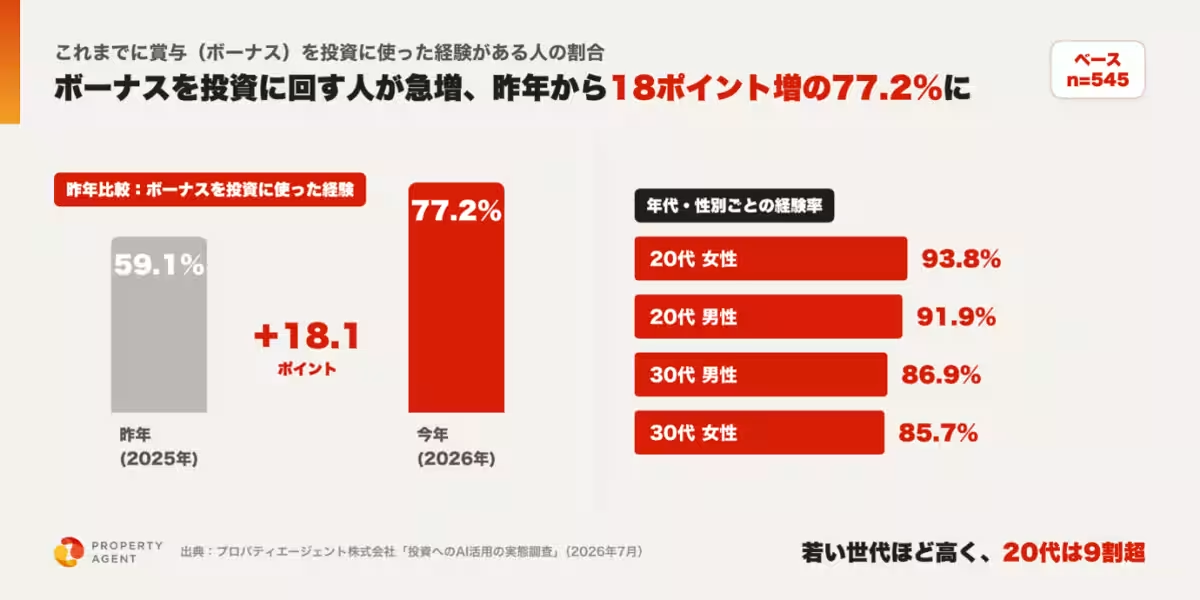
- - Investment Experience: Approximately 77.2% of respondents have previously utilized their bonuses for investments. Notably, over 90% of those in their 20s participated in this trend.
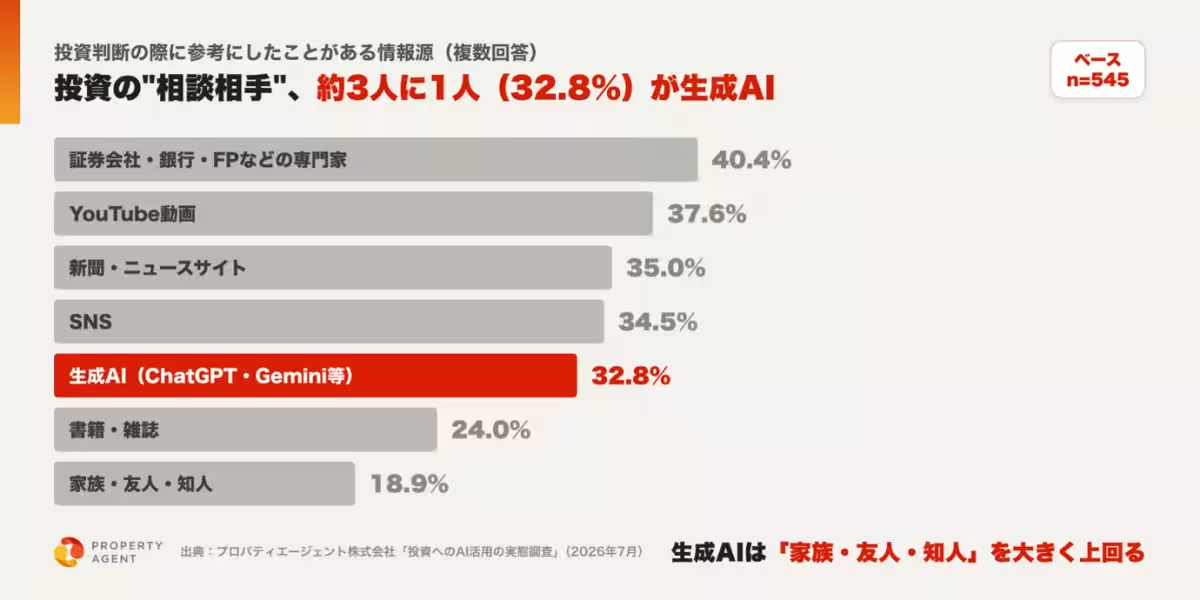
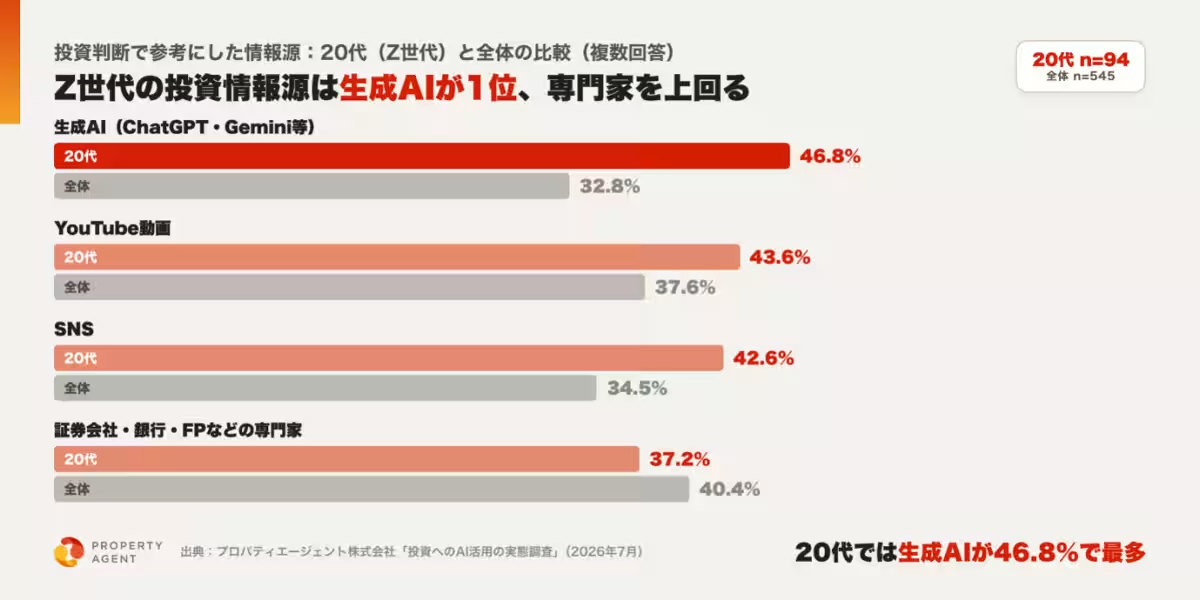
- - Information Sources: About 32.8% of individuals cited generative AI as their primary source of investment information, surpassing traditional experts like financial planners and analysts among younger generations.
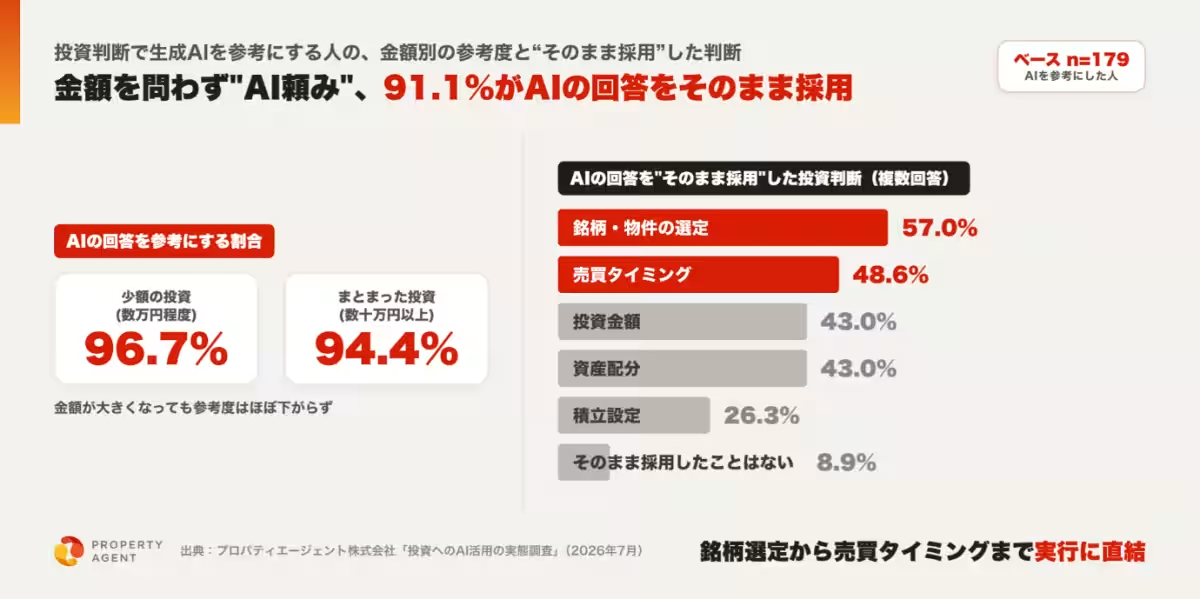
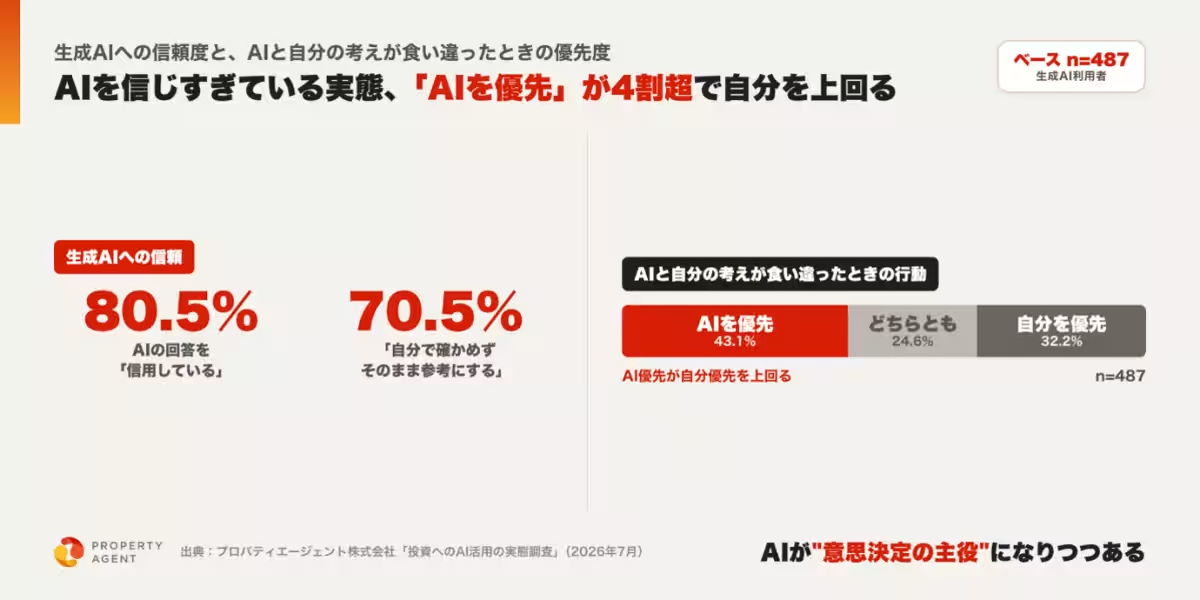
- - Trust in AI: A staggering 80.5% of AI users expressed trust in the answers provided by AI systems, with a notable 70.5% referring to these answers without independently verifying their accuracy.
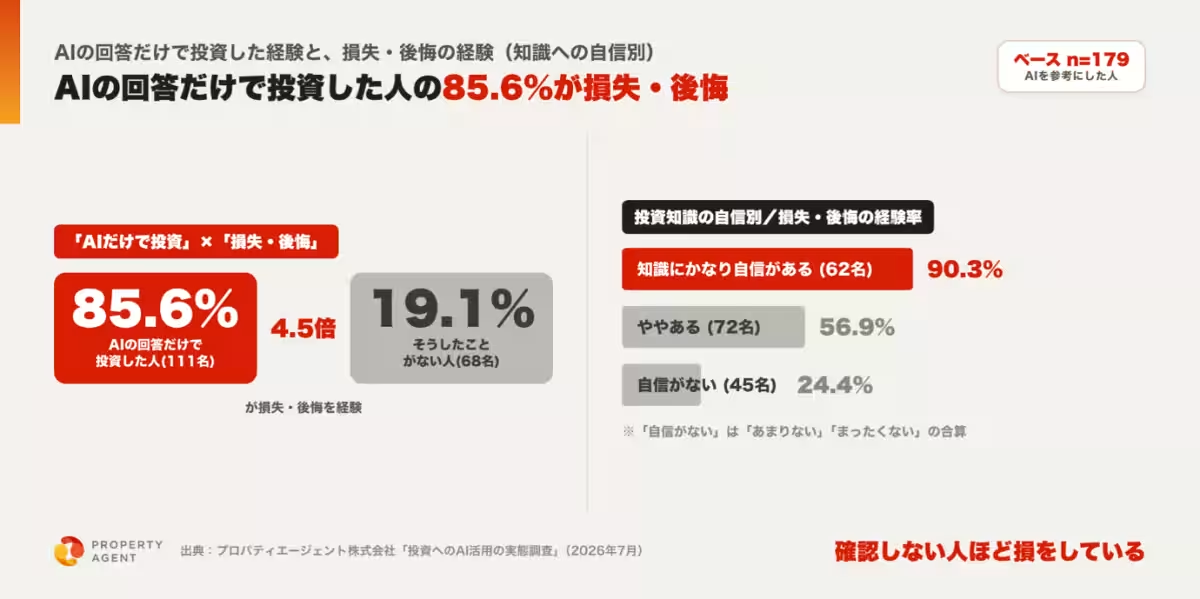
- - Risk Exposure: Alarmingly, 62.0% of those who turned to AI for advice acted solely based on its input without conducting further research, with 85.6% of these individuals later experiencing losses or regrets.
Characteristics of Respondents
The diverse age group of 20 to 69 years old showcased varying levels of engagement with today's investment landscape, but overall, the survey reflected active investors who genuinely move their finances.
Incentives to Invest
Not surprisingly, the main motivator for investing bonus income was found to be having sufficient savings (43.5%) followed closely by receiving a lump sum of additional income (39.3%). The summer bonus season has become critical for investment decisions.
AI as a New Investment Consultant
In the realm of investing, reliance on AI has surged, with 46.8% of users in their 20s citing it as their leading source of advice, even exceeding traditional financial experts. Despite a majority valuing the speed and accessibility of AI, many respondents rated the accuracy of AI-generated answers poorly, exposing a trend of substituting valid investment discernment with ease of access.
Trusting AI Too Much
Among AI users, 43.1% prioritized AI recommendations above their own thoughts when presented with conflicting information. This statistic indicates the shift of AI from being a support tool in decision-making to becoming central in countless critical investment choices.
Consequences of Neglect
Notably, 85.6% of those who based their decisions solely on AI inputs reported experiencing losses. In contrast, only 19.1% of individuals who sought external validation before investing faced similar criticism, demonstrating that the lack of personal verification is a critical factor leading to poor investment outcomes. Interestingly, respondents expressing high confidence in their investment knowledge experienced even greater losses, highlighting an ironic twist in belief and susceptibility.
Generational Disparities
The generational gap is particularly striking, with the younger demographic (Z generation) exhibiting a marked dependency on AI for investment guidance. They are not only trusting AI more but are also significantly more prone to investment losses.
Moving Forward with AI
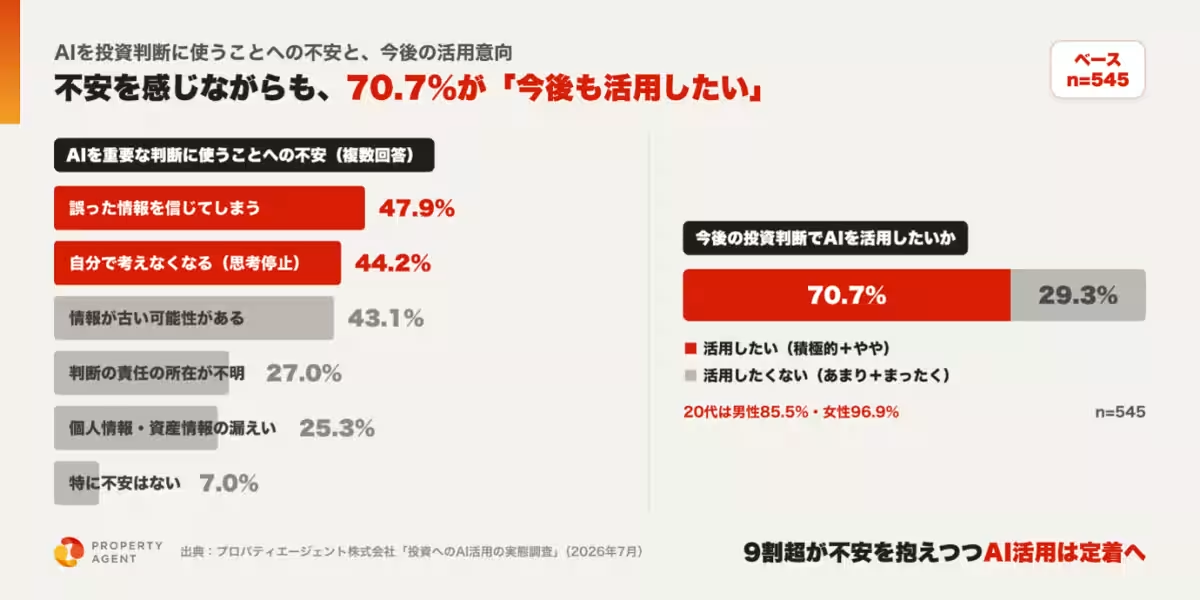
Despite widespread acknowledgment of these risks, over 70.7% of respondents expressed an interest in continuing to use AI for investment decisions. This indicates a recognized necessity to adapt to a new paradigm in investment strategies, necessitating proper guidance on effectively using AI.
Concluding Thoughts
The results of this survey illuminate the escalating reliance on AI as a managing tool in investing, especially among younger generations. However, the concerning trend of 'AI-driven investment' reveals a pressing need for critical evaluation before making significant financial decisions. With AI presenting a new frontier in investment advice, it becomes crucial for investors to harness it not as a definitive answer, but as a supplementary resource that complements their analytical thought processes. The balance between trusting AI and self-verification forms the crux of mitigating risks in this new investment era. Property Agent remains committed to ensuring investors are informed about potential risks while navigating the changing investment landscape effectively.

Topics Consumer Products & Retail)



【About Using Articles】
You can freely use the title and article content by linking to the page where the article is posted.
※ Images cannot be used.
【About Links】
Links are free to use.