



Navigating the Challenges of AI in Business Information Retrieval and Accuracy
Introduction to AI and Business Information Retrieval
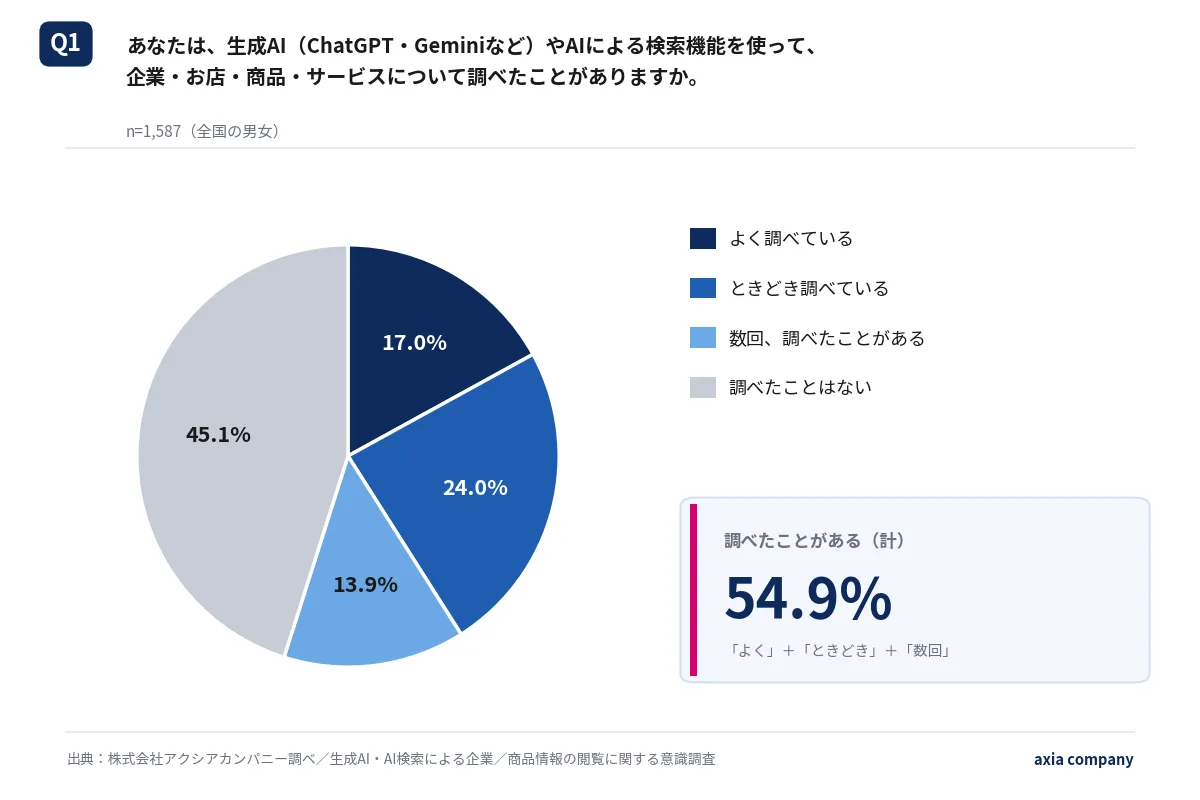
In recent years, the integration of artificial intelligence (AI) in everyday tasks has become increasingly commonplace. A prominent concern, however, is the accuracy of the information provided by these AI systems, especially when it comes to business-related queries. A recent survey conducted by Axia Company, encompassing a diverse group of 1,587 individuals across Japan, has highlighted some troubling truths about the reliance on AI technologies like ChatGPT and Gemini for retrieving company and product information.
The Survey Revealed Key Stats
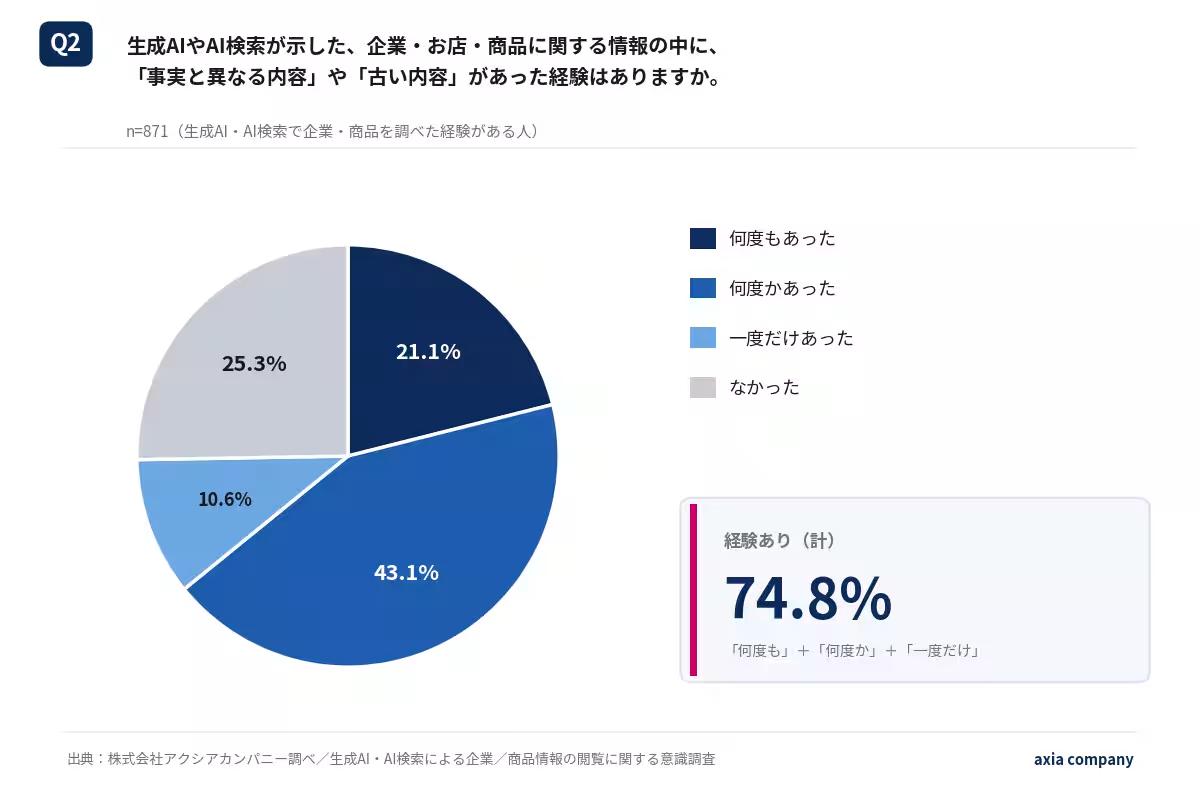
The survey findings revealed that a striking 54.9% of respondents have used generative AI or AI search tools to research businesses, shops, products, or services. Among those who have utilized these AI tools, a significant 74.8% reported encountering discrepancies, such as outdated or inaccurate information. This statistic raises serious concerns as it points to a lack of reliability in AI-generated content—a factor that could significantly impact decision-making processes.
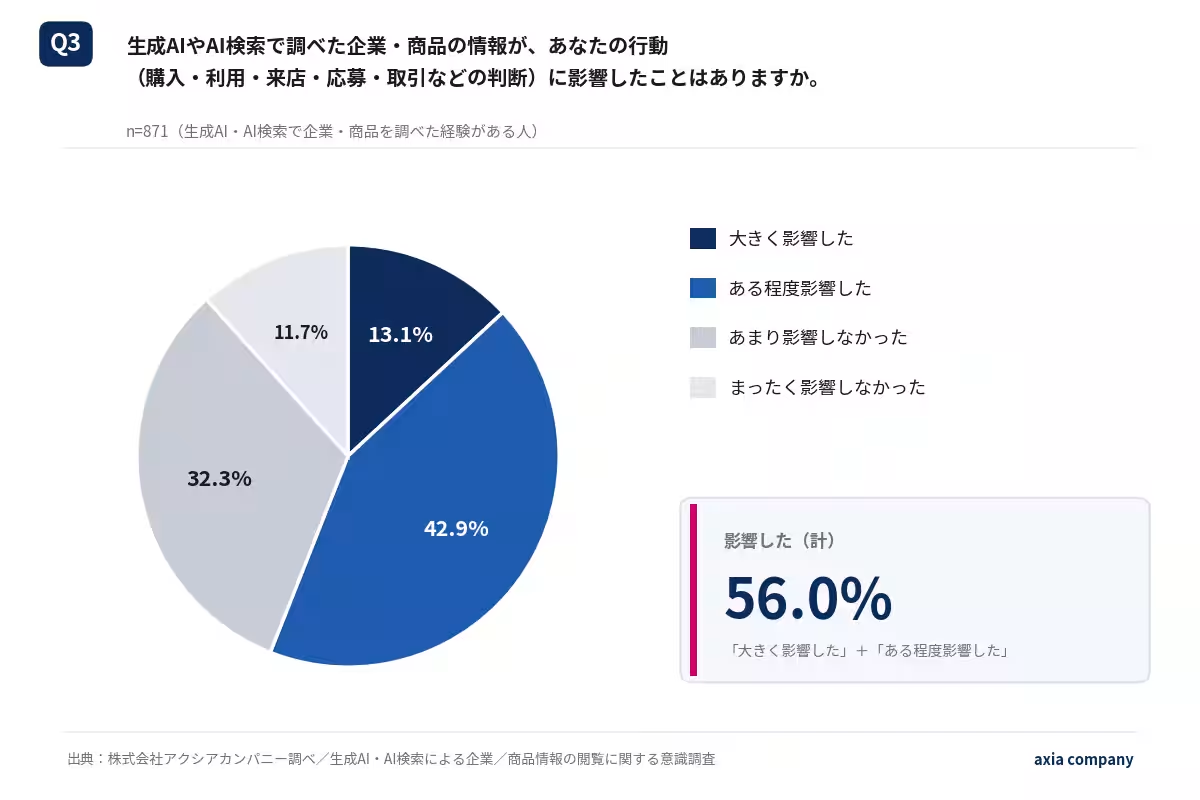
Further dissecting the experiences shared by AI users, 21.1% admitted to encountering false or obsolete information multiple times, while 43.1% reported this issue occasionally. Despite these challenges, 56.0% of users indicated that the information gathered from AI tools had influenced their decisions regarding purchases, service usage, and even applications for jobs.
Growing Reliance on AI Despite Inaccuracies
The results paint a paradoxical picture: while users frequently encounter inaccurate data, they continue to rely on it for critical decisions. Specifically, 13.1% of respondents noted that the AI information significantly impacted their choices, whereas 42.9% acknowledged moderate influence. This level of reliance highlights an emerging trend where businesses need to understand how these AI systems portray their brand and offerings to consumers.
Importance of Accurate Information Flow
As generative AI systems become more entrenched as primary sources of information for businesses, the need for companies to refine their messaging and ensure that accurate, up-to-date information is accessible has never been more critical. The survey indicates that while user adoption of AI tools for research is high, the worry about inaccuracies creates an urgent need for businesses to optimize the information that such technologies refer to.
Companies must proactively manage how their brands are represented in AI platforms, ensuring that robust, verifiable information reaches consumers. This is especially crucial since the AI's portrayal of a business could drastically sway consumer perceptions and the choices they make.
Recommendations for Businesses
To navigate the complex impact of AI on business information, companies can take several proactive steps:
1. Implement Content Management Systems: Businesses should establish clear protocols for ensuring that the information displayed across AI platforms is both accurate and up-to-date.
2. Engage in AI Research Strategies: Adopt targeted strategies to monitor and understand how generative AI represents their offerings. This can help identify any potential inaccuracies that might mislead consumers.
3. Educate Consumers about AI Limitations: Inform customers about the potential shortcomings of AI information retrieval and encourage them to verify critical details elsewhere if needed.
4. Utilize Optimization Services: Companies can leverage specialized services, like Axia Company's "Brand LLMO Measures," aimed at optimizing business information for AI reference.
Conclusion
The findings from Axia's survey underline a crucial reality about AI's role in conveying business information. Although generative AI has solidified its status as a significant source of information for consumers, the costs associated with relying on potentially erroneous data are profound. As companies adapt to this evolving landscape, ensuring that their information is correctly represented in AI systems must become a priority. By doing so, businesses not only protect their reputations but also empower consumers to make informed decisions based on accurate and timely information.

Topics Business Technology)









【About Using Articles】
You can freely use the title and article content by linking to the page where the article is posted.
※ Images cannot be used.
【About Links】
Links are free to use.