



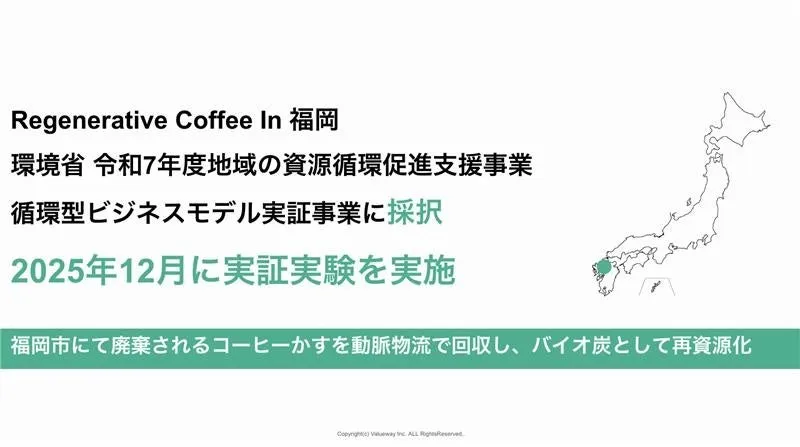
Seven-Eleven Joins Forces to Create Regenerative Coffee Model in Fukuoka
Seven-Eleven Joins Forces for a Sustainable Future
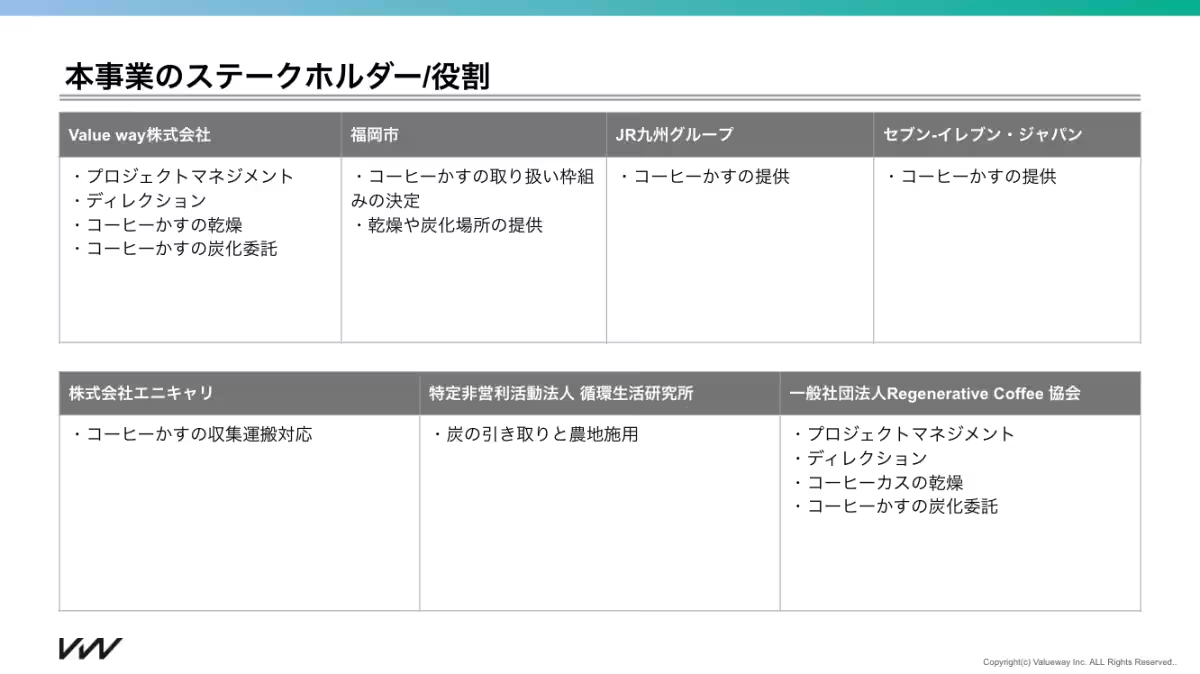
In an inspiring initiative, Seven-Eleven Japan, together with partners including Value way, Fukuoka City, JR Kyushu, and other organizations, has been selected for the Ministry of the Environment's 2023 Regional Resource Circulation Support Project. This project, named Regenerative Coffee Model in Fukuoka, aims to develop an innovative approach to resource recycling through the repurposing of coffee grounds.
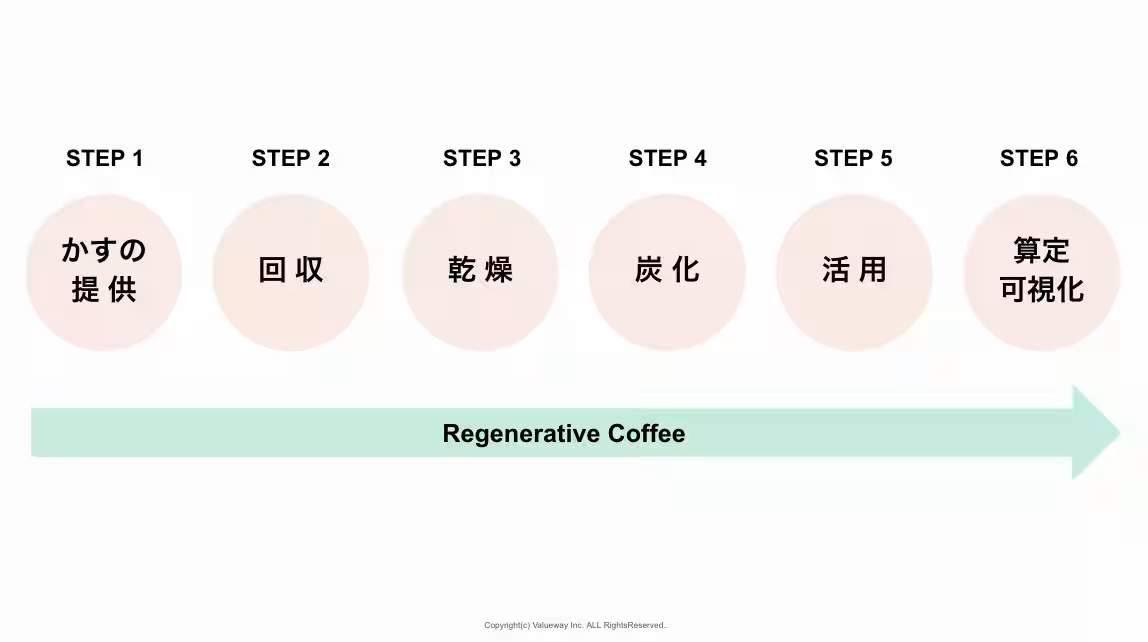
Starting in December 2025, this initiative will target approximately ten Seven-Eleven locations in Fukuoka City and various stores operated by the JR Kyushu Group. Utilizing Enecari's logistics network, coffee grounds generated at these outlets will be collected and converted into biochar using a mobile carbonization system. The biochar produced will then be applied as a soil amendment on agricultural lands managed by the Circulating Living Research Institute. This project not only addresses the recycling of coffee grounds but also seeks to calculate and visualize greenhouse gas emissions throughout the coffee value chain, prompting behavioral changes among consumers and businesses alike.
The subsequent steps involve identifying the volume of greenhouse gases emitted throughout various stages of the coffee supply chain. This will contribute significantly to consumer awareness and action on sustainable practices. The comprehensive project management will be overseen by Value way and the Regenerative Coffee Association, ensuring that the project meets its ecological objectives.
The Issue with Coffee Grounds
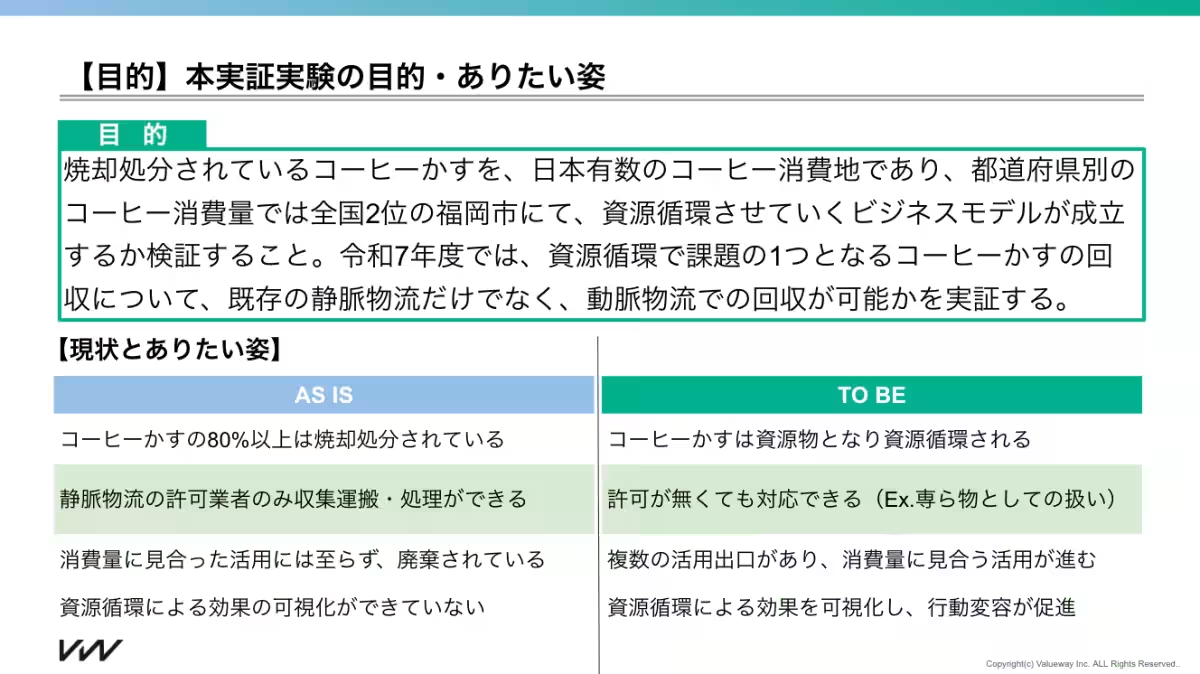
Coffee grounds are generated in considerable amounts across Japan, making it possible to create sustainable recycling operations in any region. Globally, there is an emerging trend focused on recycling coffee grounds, which has seen a rise in awareness among both consumers and businesses regarding upcycling and resource management. In Fukuoka City, which is recognized as one of the top coffee-consuming areas in Japan, over 5.2 tons of coffee grounds are produced daily, with over 80% of this waste still being discarded. By repurposing these coffee grounds, the project aims to combat climate change while addressing local waste management problems.
Furthermore, while some individuals and businesses are utilizing coffee grounds for products like deodorants and fertilizers, the full potential of these resources has yet to be realized. Enhancing logistic efficiencies through the dual-use of arterial logistics for collection presents a promising opportunity to cut down transportation emissions. However, existing regulations have restricted this collection to companies with permitted venous logistics operations.
The Project's Goals
The primary objectives of this regenerative coffee model include:
1. Maximizing Resource Utilization: With coffee consumption steadily rising, significant amounts are wasted. This project will ensure that this valuable resource is reused efficiently within the community.
2. Reducing Greenhouse Gases: By employing optimized logistics to facilitate collection and reduce waste, the initiative aims to cut down on the greenhouse gases associated with coffee production.
3. Changing Consumer Behavior: Encouraging conscious consumption by providing transparency through emissions data will help create a more environmentally aware community.
4. Establishing Sustainable Practices: This partnership aims to create a scalable model that can inspire similar initiatives across the country, showcasing the effectiveness of circular business models.
Project Management and Support
The 2023 Regional Resource Circulation Support Project by the Ministry of the Environment aims to pioneer circular business models and develop key personnel in local governments and enterprises. The initiative offers tools such as CE guidance and personnel training programs, along with financial support for necessary actions to address these challenges. This holistic approach provides companies with feedback and advice to manage their operations more sustainably.
Through the Regenerative Coffee Model, Seven-Eleven aims to demonstrate not just its commitment to environmental sustainability but also to contribute actively towards a cleaner and greener planet. As Fukuoka becomes the foundation for this project, it sets a precedent for cities nationwide, focusing on efficient resource use and encouraging a culture of sustainability that aligns with modern practices. With the support of local authorities and engaged stakeholders, the vision of a circular economy is becoming a reality.
By pioneering this initiative, Seven-Eleven Japan is not just tapping into a current trend but actively reshaping how communities can manage waste sustainably, championing a future where every coffee cup served can be part of a larger ecological solution. It's a step toward a more sustainable lifestyle, showcasing how local efforts can resonate on a global scale.

Topics Environment)
【About Using Articles】
You can freely use the title and article content by linking to the page where the article is posted.
※ Images cannot be used.
【About Links】
Links are free to use.