



Exploring Women's Health Stages Through Traditional Chinese Medicine at JSOG Conference
Exploring Women's Health Stages Through Traditional Chinese Medicine at JSOG Conference
From May 15 to May 17, 2026, Kraft Pharmaceutical Co., specializing in traditional Chinese medicine, proudly presented at the 78th Annual Meeting of the Japan Society of Obstetrics and Gynecology (JSOG) held at the Grand Mercure Sapporo Odori Park. The event focused on the role of traditional Chinese medicine (TCM) in addressing the health concerns faced by women throughout their life stages.
The JSOG annual conference is a significant platform for healthcare professionals to share knowledge and advancements in obstetrics and gynecology. This year's theme resonated well with Kraft's objective of making individualized healthcare reality since the launch of its medical TCM extract preparation in 1981. Kraft has continually aimed to provide treatment suggestions that resonate with each patient's unique concerns, especially in fields closely related to women's health.
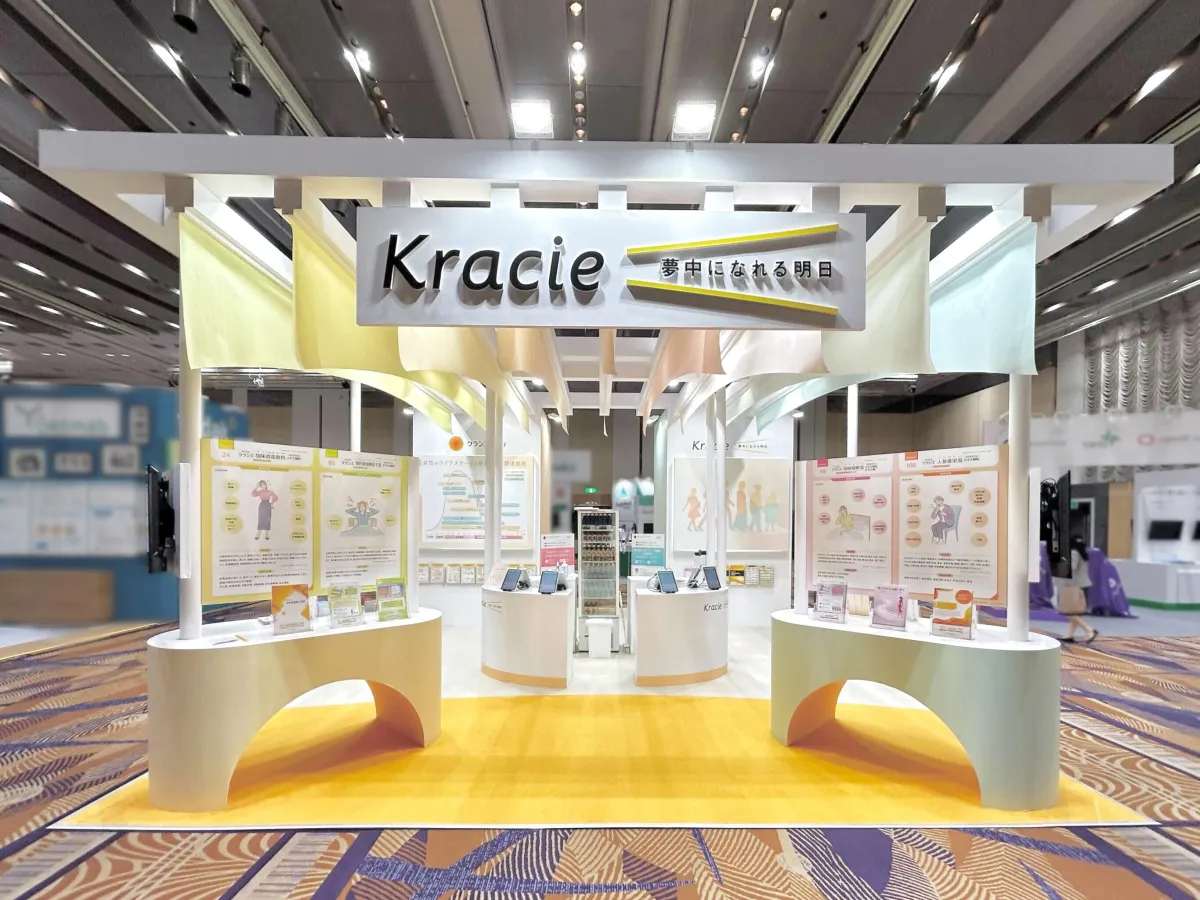
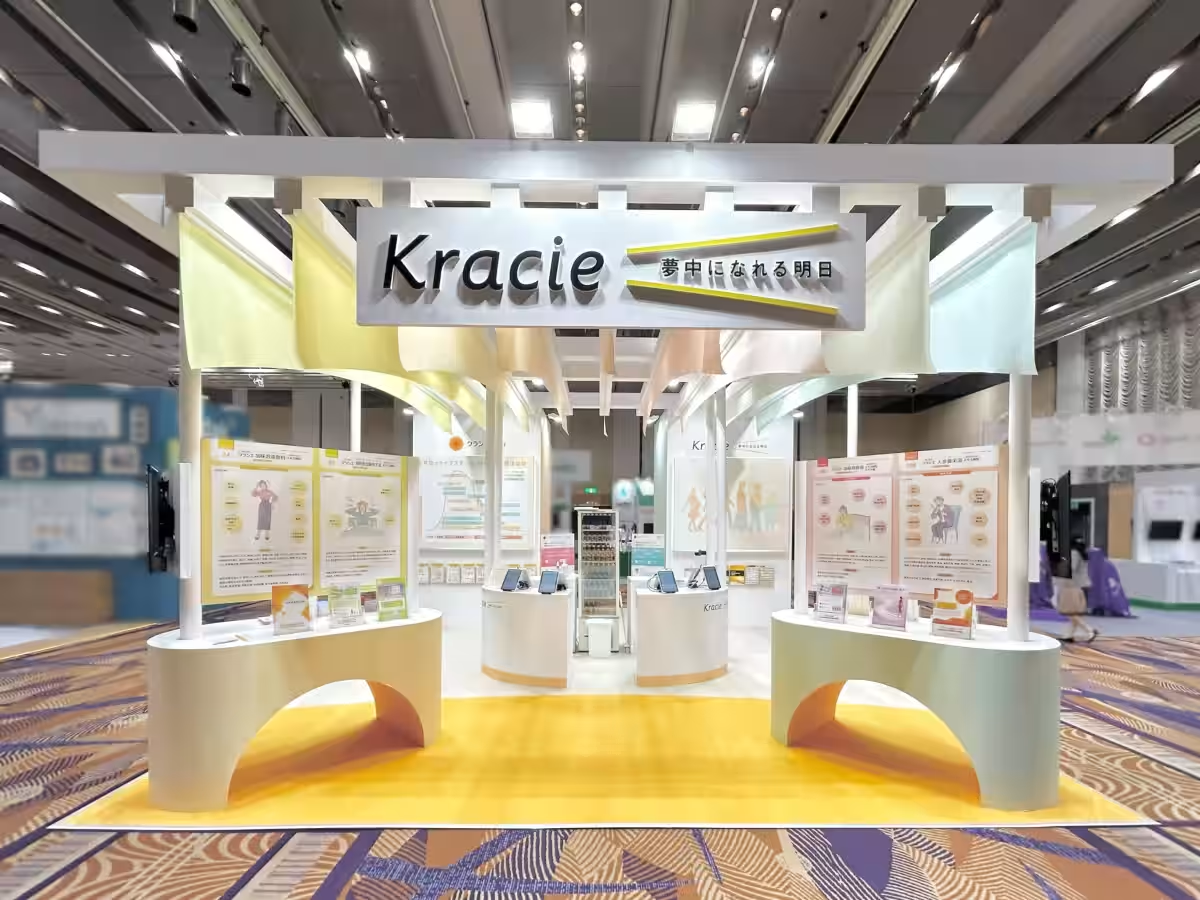
During the conference, Kraft set up an informative booth that detailed various aspects of traditional Chinese medicine tailored to women. They provided valuable insights on the use of TCM in addressing specific issues encountered at different life stages, such as menstrual disorders, menopause symptoms, and fertility challenges. Their booth engaged approximately 1,000 medical professionals, showcasing their dedication to spreading awareness of how TCM can be integrated into women’s healthcare.
In addition to the booth, Kraft also organized two lunch seminars in collaboration with the JSOG. The first seminar, held on May 16, 2026, focused on vital knowledge for gynecological cancer survivors, incorporating a Chinese medicine approach to treatment. The seminar was chaired by Professor Masahiro Mabuchi from Hyogo Medical University, featuring guest speaker Professor Hiroaki Kajiyama of Nagoya University Graduate School of Medicine, who shared insights on effective strategies for managing treatment through TCM.
The second seminar took place on May 17, emphasizing ‘presenteeism’ in the context of women's health and how traditional Chinese medicine could offer effective solutions. This event was chaired by Professor Koichi Terauchi from Ibaraki Prefectural University of Health Sciences, featuring Professor Eiji Nishio from Fujita Health University, who provided further context on utilizing TCM in effective treatment modalities.
Kraft’s Commitment to TCM in Healthcare
Kraft's journey with medical TCM began much earlier than their 1981 product launch, with a deep-rooted commitment to Japanese herbal medicine's evolution. Traditionally, TCM has often been time-consuming to prepare and consume due to its brewing processes. However, with the advent of extract formulations, Kraft enabled patients to easily incorporate TCM into their healthcare routines. They have also expanded their product lineup to include tablet forms for patients who may find the taste of traditional herbal medicine challenging.
The company has listened to patient needs, especially regarding usability and convenience, leading to the debut of the innovative KB2 Stick in 2002. This product stands out as the first two-daily dosing extract product in Japan's medical TCM market, made in a compact design to facilitate easier dosage for patients with busy lifestyles. This approach aligns perfectly with modern healthcare paradigms, affirming Kraft’s dedication to making traditional remedies accessible and practical.
With over 50 years of expertise, Kraft Pharmaceutical continues to nurture a healthy lifestyle for people living in Japan by bridging ancient practices with contemporary healthcare needs. Their projects, especially in collaboration with the healthcare community, aim to leverage TCM's potential significantly, fostering a holistic view towards personal health and wellness.
In an era where the public’s approach to health is transforming, Kraft embraces the challenge to enhance the value of traditional Chinese medicine through its integrative practices in both medical and over-the-counter sectors. The company strives to create a more comprehensive healthcare model that promotes self-awareness and wellness among the women of Japan, making them empowered participants in their health journeys.
Topics Health)
【About Using Articles】
You can freely use the title and article content by linking to the page where the article is posted.
※ Images cannot be used.
【About Links】
Links are free to use.